The Future of Workwear: Smart Textiles, Wearable Tech, and the Next Generation of Safety Apparel
Workwear is evolving from passive protection to active safety. Smart textiles, embedded sensors, heated apparel, and GPS integration are transforming what safety clothing can do - moving from shielding workers to actively monitoring, alerting, and protecting them. This guide maps the current state and future trajectory of smart workwear technology.
For related context, see our workwear manufacturing guide, outdoor vs workwear comparison, and industry trends.
From Passive Protection to Active Safety: The Smart Workwear Revolution
Traditional workwear protects through material properties: flame-retardant fabric resists ignition, high-visibility tape reflects light, waterproof membranes block rain. This is passive protection - the garment shields the worker but cannot monitor, alert, or respond. Smart workwear adds active safety layers: sensors that detect hazards, heating elements that maintain body temperature, GPS that locates workers in distress, and communication systems that connect isolated workers to help.
The market is in early adoption. Current commercial products focus on heated apparel (mainstream for cold-environment work) and basic sensor integration (pilot phase for temperature, heart-rate, and gas detection). Full smart textile integration - where the fabric itself is the sensor - remains in R&D. For brand buyers, the 2026 reality is that smart workwear requires specialized manufacturing partners who can integrate electronics with apparel construction - not every factory has this capability.
Add photo here: worker wearing smart workwear jacket with integrated heating elements and visible LED indicators
Embedded Sensors and Heated Apparel
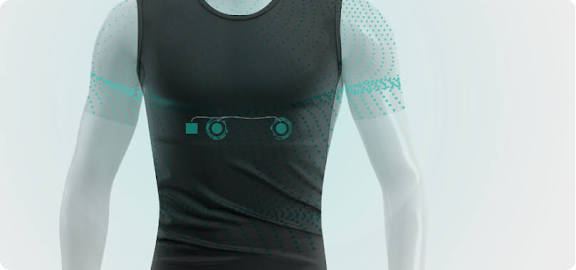
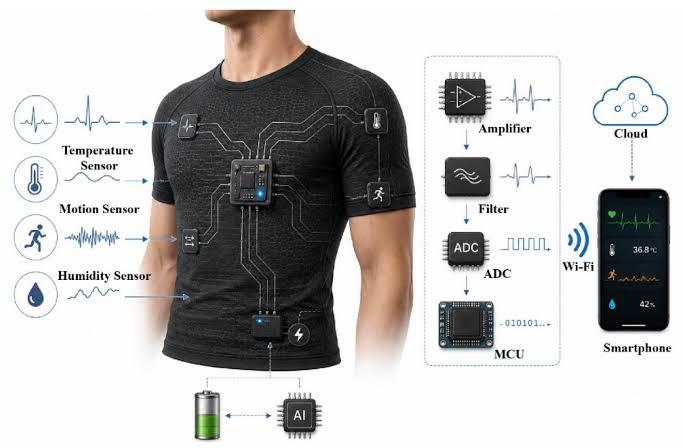
Embedded sensors in workwear serve multiple safety functions: temperature monitoring (detecting heat stress in foundry, construction, or firefighting work), heart-rate monitoring (identifying fatigue or distress), gas detection (alerting workers to invisible atmospheric hazards in mining, oil and gas, or chemical processing), and impact sensing (detecting falls or collisions for lone workers in remote locations). Sensor data can be transmitted to a central monitoring system, enabling rapid emergency response.
Heated apparel is the most commercially mature smart textile category. Carbon-fiber heating elements are integrated into garment panels (typically chest, back, and sometimes hands), powered by removable rechargeable batteries. Temperature zones can be individually controlled, and runtimes range from 4-10 hours depending on heat setting. Heated apparel has mainstreamed for cold-environment workwear - construction, logistics, skiing patrol, and outdoor work in cold climates. For technical context on cold-weather apparel, see our jacket type comparison.
GPS, LED, and Environmental Sensing
GPS and location tracking serve two distinct workwear applications: adventure safety (GPS-integrated outdoor apparel for hikers, climbers, and backcountry travelers) and lone-worker safety (GPS tracking for remote workers in mining, forestry, oil and gas, and field service). For lone-worker applications, GPS combined with impact sensing and communication creates a safety system that can automatically alert emergency services when a worker is in distress.
LED and embedded illumination serves both high-visibility (active light emission in addition to passive reflective tape - see our hi-vis standards guide) and task lighting (hands-free illumination for workers who need both hands free - mechanics, electricians, search and rescue). LED integration is technically straightforward but adds battery, washability, and durability challenges.
Environmental sensing includes air quality monitoring (for workers in dusty or chemically active environments), UV exposure tracking (for outdoor workers at risk of skin damage), and noise level detection (for hearing conservation programs). These sensors are typically integrated into a garment module (chest or shoulder pocket) rather than woven into the fabric itself.
Add photo here: close-up of conductive textile fabric with visible woven sensor threads or smart textile technology
Communication Integration and Exoskeletons
Communication integration embeds two-way radio functionality or smartphone connectivity into workwear. This serves workers who need hands-free communication: emergency responders, security personnel, and lone workers who need reliable contact. Integration challenges include antenna placement (body effects on radio signals), battery management, and durability in harsh work environments.
Exoskeleton integration represents the frontier of active safety workwear. Wearable robotics - mechanical structures that augment human strength and reduce strain - are being developed for heavy lifting in logistics, construction, and manufacturing. While current exoskeletons are separate wearable devices (not integrated into garments), the future vision is smart workwear with integrated exoskeletal support. This technology is in early commercial pilot phases, primarily in automotive manufacturing and warehouse operations.
For related technical context, see our laser cutting guide and workwear design guide.
Washability, Power, and Data Privacy
Three practical challenges define the gap between smart textile concept and commercial reality:
- Washability: Electronics and textiles have fundamentally different durability profiles. Workwear must withstand industrial laundering (high temperature, harsh chemicals, repeated cycles). Smart textile components must be removable (battery, controller) or sealed to survive washing. Current solutions use removable electronics modules; fully integrated washable smart textiles remain a technical challenge.
- Battery and power: Smart workwear needs reliable power for full shifts. Current solutions use removable Li-ion batteries (4-10 hour runtime depending on function). Challenges: battery weight, safety certification for hazardous environments (intrinsically safe ratings), and charging infrastructure for fleet deployment.
- Data privacy: Worker monitoring raises consent, ownership, and privacy concerns. Brands deploying smart workwear must establish clear data policies: what data is collected, who owns it, how it's used, and worker consent frameworks. Regulatory compliance (GDPR in EU, state privacy laws in US) applies to worker data.
Market Adoption and UniOuter's Innovation Vision
Smart workwear market adoption follows a maturity curve: heated apparel (mainstream, widely commercial), GPS tracking (early commercial, primarily lone-worker applications), embedded sensors (pilot phase at major industrial companies), and full smart textile integration (R&D phase, 3-5 years from mainstream). Cost barriers remain significant - smart workwear costs 2-5x more than conventional equivalents - but premiums decrease as adoption scales.
UniOuter's innovation vision includes GPS-integrated adventure wear for outdoor safety and a roadmap for smart workwear development. Our fabric R&D capability and 20+ years of functional apparel manufacturing position us to integrate emerging smart textile technologies as they mature. For brands developing smart workwear programs, we offer: heated apparel manufacturing (commercially ready today), prototyping support for sensor-integrated designs, and partnership in developing next-generation smart workwear. Send an inquiry with your smart workwear concept, explore our product catalog, or learn more about our manufacturing capability. The purchasing guide covers commercial terms, and our team is ready to discuss innovation partnerships.
Shop Outdoor Apparel


Frequently Asked Questions
Smart textiles in workwear integrate electronic functionality into garments: embedded sensors (temperature, heart-rate, gas detection), heating elements (carbon-fiber panels), GPS tracking, LED illumination, and communication systems. Smart workwear moves from passive protection (shielding the worker) to active safety (monitoring, alerting, and responding). Heated apparel is commercially mature; full sensor integration is in pilot phases.
Yes. Heated apparel using carbon-fiber heating elements and rechargeable batteries is the most commercially mature smart textile category. Heated jackets and vests are widely used in cold-environment workwear - construction, logistics, ski patrol, and outdoor work in cold climates. Temperature zones are individually controllable, and battery runtimes range from 4-10 hours. UniOuter manufactures heated apparel for commercial applications.
The three main challenges are: washability (electronics must survive industrial laundering - currently solved with removable modules), power (batteries must last full shifts in potentially hazardous environments requiring intrinsic safety ratings), and data privacy (worker monitoring raises consent, ownership, and regulatory compliance concerns). Full integration - where the fabric itself is the sensor - remains 3-5 years from mainstream commercial adoption.
GPS integration in workwear serves two applications: adventure safety (GPS-integrated outdoor apparel for hikers and climbers) and lone-worker safety (GPS tracking for remote workers in mining, forestry, oil and gas). Combined with impact sensing and communication systems, GPS enables automatic emergency alerts when workers are in distress. Current implementations use GPS modules in garment pockets rather than woven into fabric.
Smart workwear currently costs 2-5x more than conventional equivalents, primarily due to electronics, battery systems, and lower production volumes. Heated apparel has the smallest premium (1.5-2x) due to commercial maturity. Full sensor-integrated systems carry the highest premium. As adoption scales and production volumes increase, premiums are expected to decrease. For industrial applications, the safety and productivity benefits often justify the premium.