Custom Workwear Manufacturing: Everything Brands Need to Know in 2026
Custom workwear manufacturing is a distinct discipline from outdoor apparel. The garments must meet mandatory safety standards, survive daily industrial wear, and carry compliance documentation that inspectors and customs may verify. This guide covers what brand buyers need to know to specify and source workwear correctly in 2026.
For the outdoor-apparel counterpart, see our custom outdoor clothing manufacturing guide. To understand where the two categories overlap, read outdoor clothing vs workwear.
The Custom Workwear Market in 2026
Workwear demand is driven by construction, industrial, medical, safety/emergency, logistics, and agricultural sectors. Brands are choosing customization over off-the-shelf uniforms because a custom garment can be engineered to a specific hazard profile, branded for retention, and documented for compliance. The market is also under sustainability pressure: buyers want recycled fabrics and ethical manufacturing verified by BSCI audits, not claims.
Categories, Materials & Safety Standards
Workwear categories map to hazards. Material selection follows the hazard, and the hazard defines the standard.
| Industry | Key material | Governing standard |
|---|---|---|
| Welding / steel | Nomex, Kevlar, FR-treated cotton | EN ISO 11611, EN ISO 11612 |
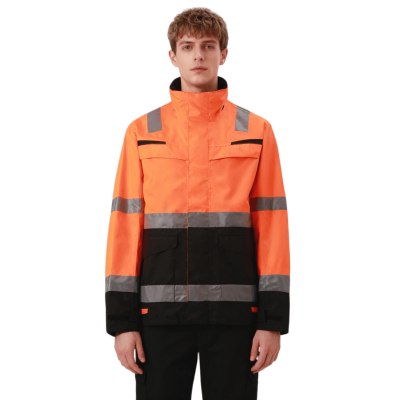
| Road / construction | Fluorescent + retroreflective tape | ANSI/ISEA 107, EN ISO 20471 |
| Electrical | Arc-rated FR fabric | ASTM F1506, NFPA 70E |
| Chemical handling | Chemical-splash coating | EN 13034 |
| Medical | Antibacterial fabric | AATCC 100, FDA / EU MDR |
FR (flame retardant) fabrics come in two types: inherent (protection built into the fiber, like Nomex) and treated (chemical finish applied to cotton or blend). Inherent FR lasts the garment's life; treated FR may need reactivation and eventual re-treatment.
Functional Design & Manufacturing Process
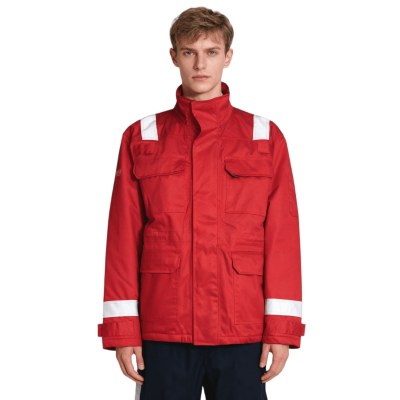
Workwear design is functional first. Pocket configuration must hold tools without tearing; reinforcement zones (knees, elbows, cuffs) resist abrasion; ergonomic patterns allow movement in protective layers; removable components (liners, hoods) adapt to conditions. Reflective tape placement is engineered to the standard's minimum-area rules, not aesthetics.
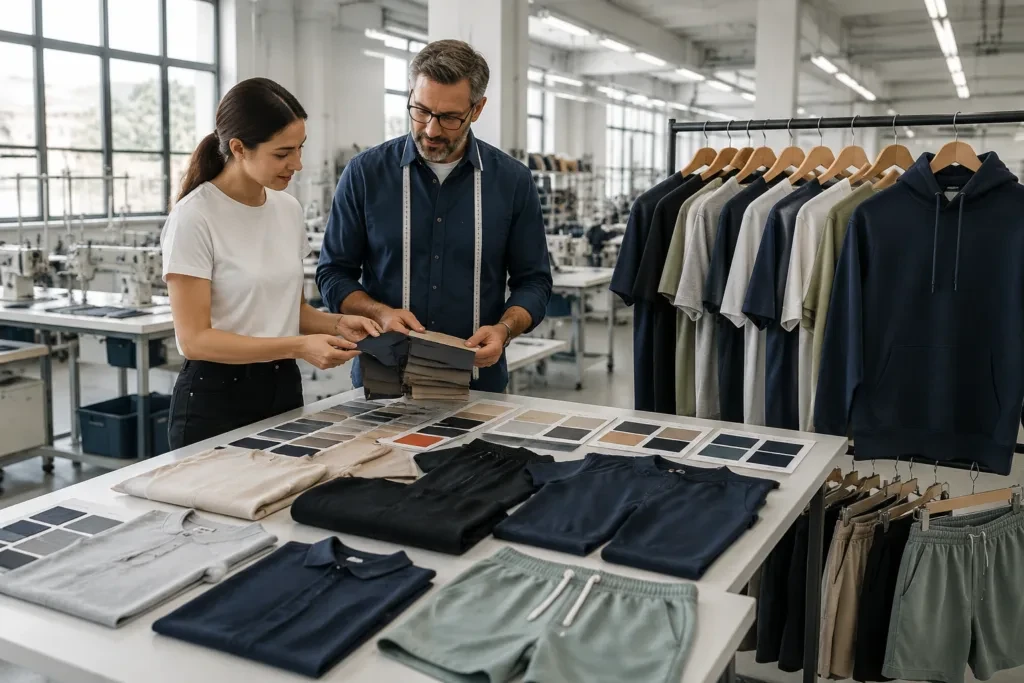
The manufacturing process follows UniOuter's 6-step cycle: raw material inspection, laser cutting for precision on synthetics, sewing with reinforcement at stress points, seam sealing where waterproof integrity is required, functional treatment application, and AQL-based final inspection. Laser cutting and pneumatic pressing, the same technology used in our outdoor production, improve precision and waterproof integrity on workwear too.
Customization, QC & Compliance Documentation
Customization includes logo methods (embroidery, screen print, heat transfer, reflective print), color schemes, size grading, fabric blends, and functional add-ons. QC is three-tier: raw material, in-process, and finished-product inspection, measured against AQL standards with third-party verification available.
Compliance documentation is where workwear diverges sharply from outdoor clothing. For EU, US, and AU markets, buyers must receive test reports, certificates, and traceability records that prove the garment meets the relevant standard. Our certification guide covers which documents to request and how to verify authenticity.
MOQ, Pricing & Sustainability
Traditional workwear factories require high MOQs. Flexible manufacturers like UniOuter offer 300-500 piece minimums, which lets brands test a program before scaling. Pricing is transparent when itemized: fabric, construction complexity, functional treatment, certification testing, packaging, and freight. Use our cost calculator to see how honest quoting works.
Sustainability in workwear means recycled fabrics where the standard allows, eco-friendly treatments, ISO 14001 environmental management, and ethical manufacturing verified by BSCI. Greenwashing risk is real: always verify certificates with the issuing body.
UniOuter's Workwear Case Study & Future
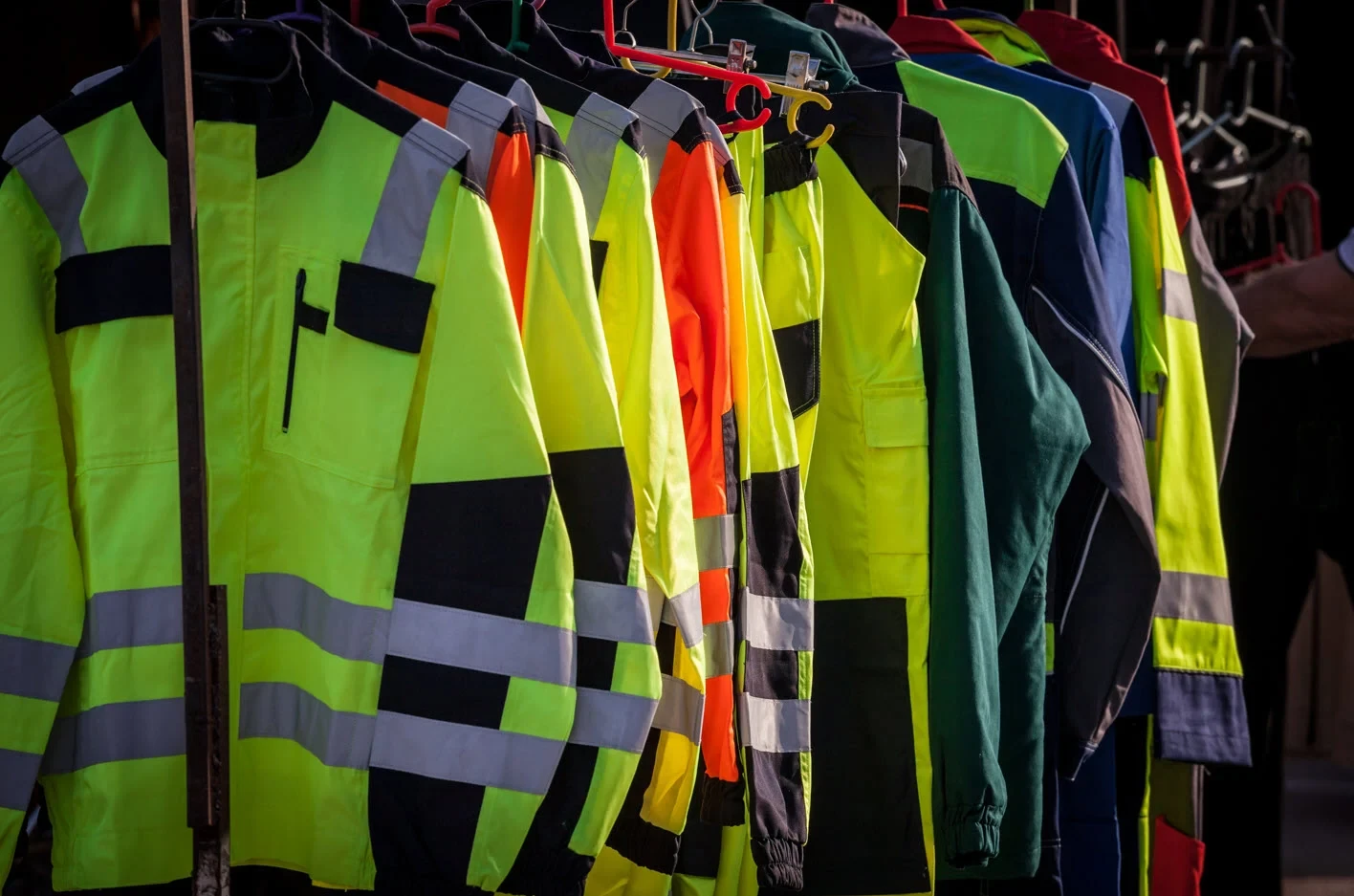
UniOuter produces custom FR jackets, high-vis + FR combinations, rescue apparel, and antibacterial medical workwear, sharing technology with our outdoor lines. Our AEO certification means workwear exports clear customs faster, and our documentation is audit-ready. The future of workwear points to smart textiles (embedded sensors, heated apparel, GPS integration) and sustainable FR, but the foundation remains clean production and honest documentation. To start a workwear program, send an inquiry or browse the product catalog.
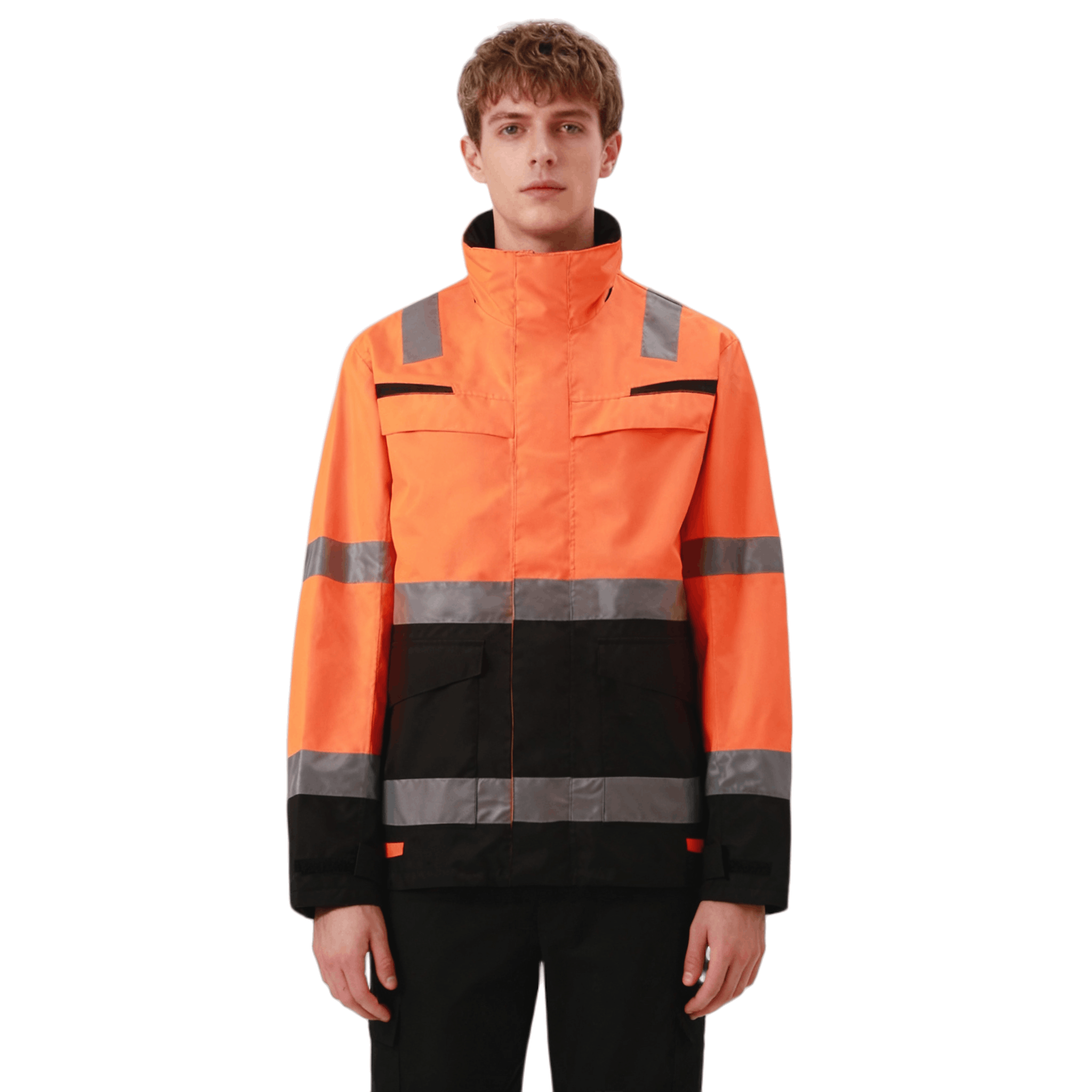
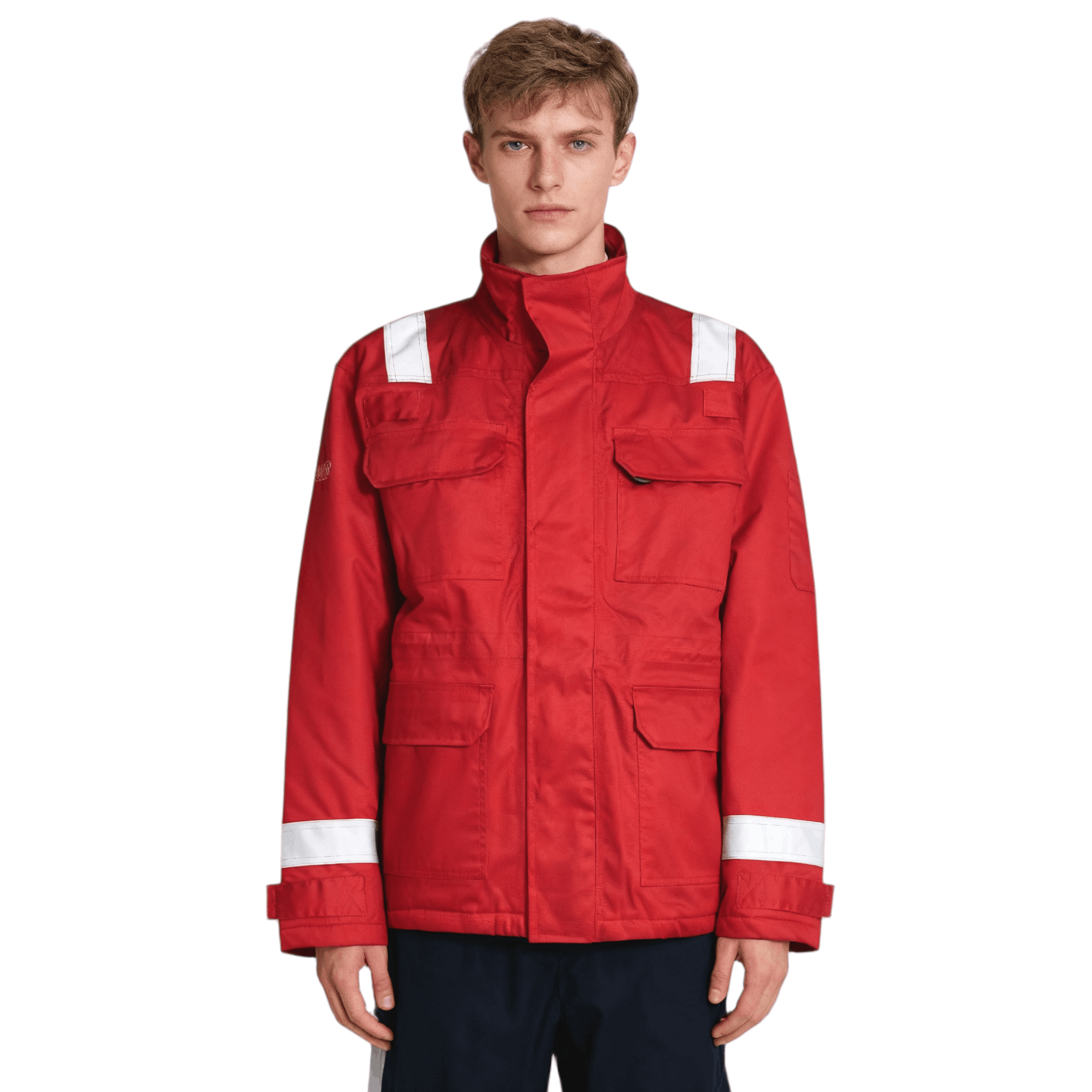
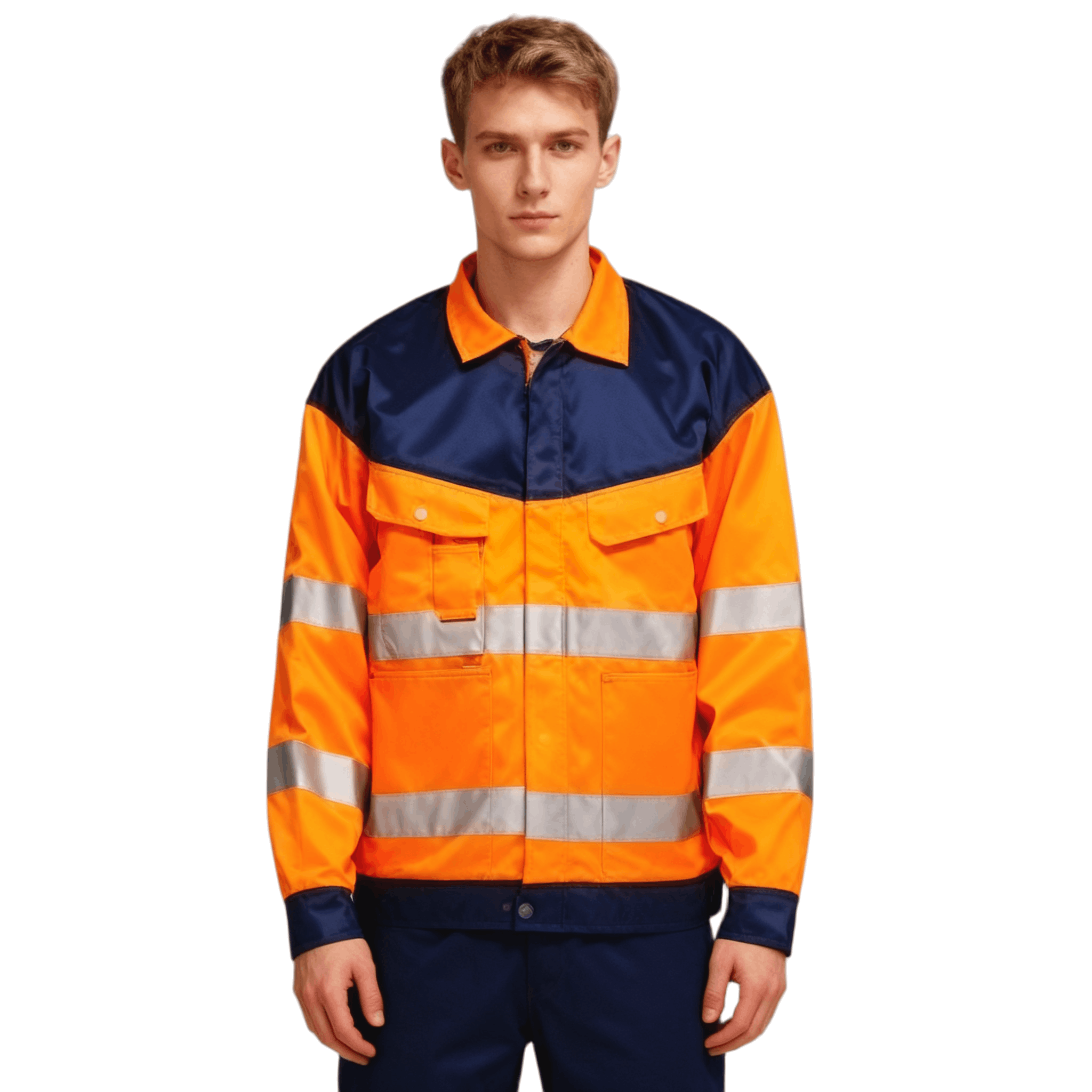
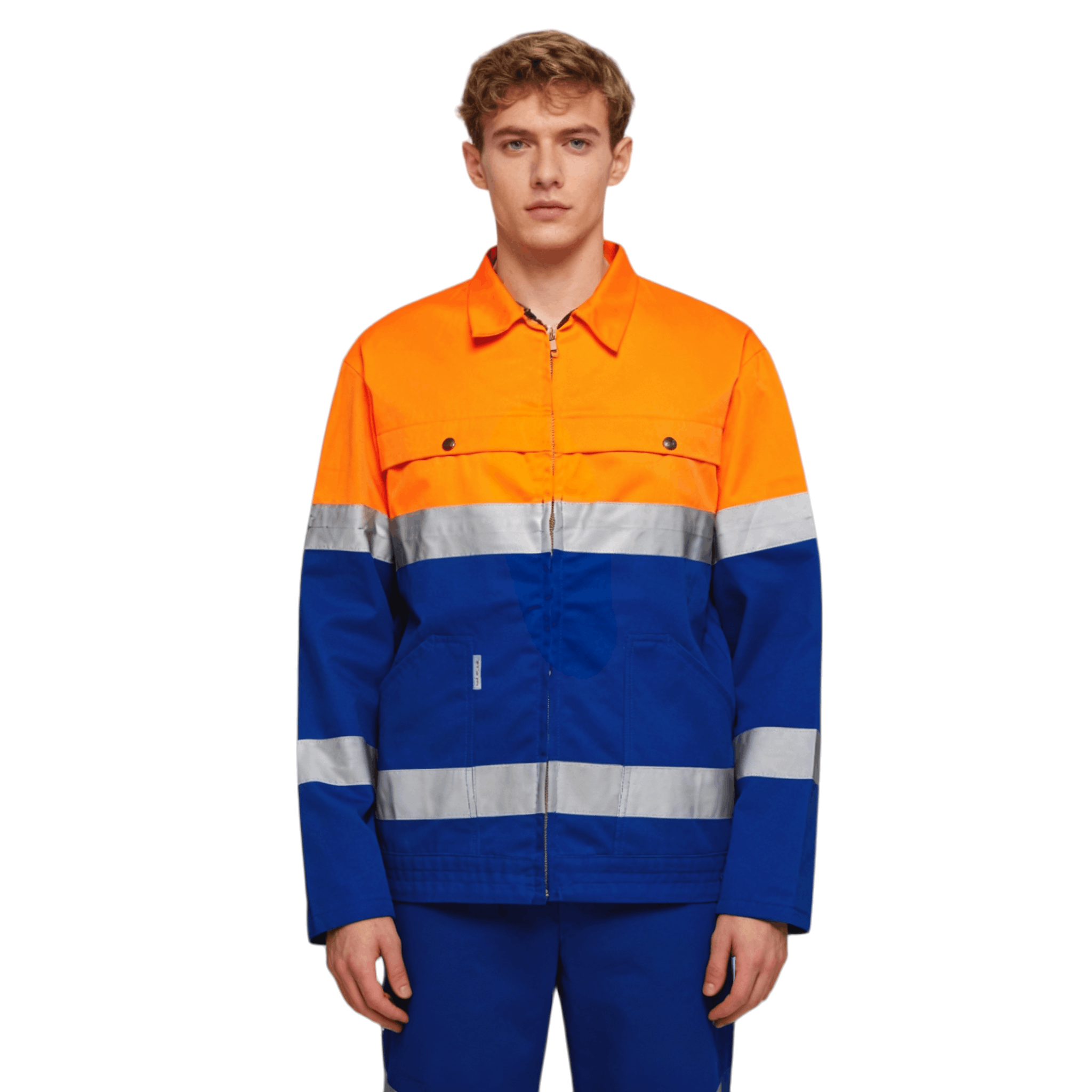
Shop Workwear Jackets
Frequently Asked Questions
Inherent FR (like Nomex) has flame resistance built into the fiber chemistry, so protection lasts the garment's life. Treated FR applies a chemical finish to fabric like cotton; protection can degrade with washing and may need reactivation or re-treatment. Inherent FR costs more but is more durable.
Traditional factories may require 1,000+ pieces. Flexible manufacturers like UniOuter offer 300-500 piece minimums per style, allowing brands to test a program before committing to large bulk runs.
You should receive test reports proving the garment meets the relevant standard (EN ISO 11611, 20471, ASTM F1506, etc.), a certificate of conformity, fabric specifications, and traceability records. For customs, add certificate of origin and OEKO-TEX where applicable. Verify all certificates with the issuing body.
Yes. Dual-protection garments combine EN ISO 20471 hi-vis with EN ISO 11611/11612 FR. This is common for road and rail workers near ignition sources. The reflective tape must itself be FR-rated, which limits tape options compared to standard hi-vis.