The Complete Guide to Custom Outdoor Clothing Manufacturing in 2026
Custom outdoor clothing manufacturing is how brands turn a concept into a finished, functional garment that survives real weather. In 2026, the global outdoor apparel market continues to grow as consumers demand technical performance, sustainable materials, and honest supply chains. This guide breaks down every stage of the process so buyers can make informed decisions and ask manufacturers the right questions.
If you are new to sourcing from China, start with our outdoor clothing purchasing guide for the fundamentals, then return here for the technical detail.
The Global Outdoor Apparel Market in 2026
The outdoor apparel market is one of the few apparel segments that grew through the pandemic and kept growing afterward. Demand now spans hardcore mountaineering, urban outdoor (gorpcore), and workwear crossover. For brand buyers, three shifts matter most: consumers expect verified sustainability claims, regulations are tightening on chemicals like PFAS, and brands want lower minimums so they can test products before committing to bulk.
For a deeper look at where the industry is heading, our 2027 procurement calendar maps the seasonal rhythm buyers should plan around.
Materials, Fabrics & Functional Treatments
Fabric choice drives roughly 70% of a garment's performance and cost. Outdoor apparel relies on a handful of core material families, each engineered for a specific job.
- Waterproof-breathable membranes. Gore-Tex uses expanded PTFE (ePTFE) microporous structures; eVent uses direct-venting ePTFE; proprietary PU membranes offer a lower-cost alternative. All work by letting water vapor out while blocking liquid water.
- Abrasion-resistant overlays. Cordura nylon is used on high-wear zones (shoulders, cuffs, hem) to stop fabric from fraying under pack straps and brush.
- Insulation. Down gives the best warmth-to-weight ratio but loses performance when wet. Synthetic insulation like 3M Thinsulate and PrimaLoft keeps warming when damp, which is why it dominates wet-climate shells.
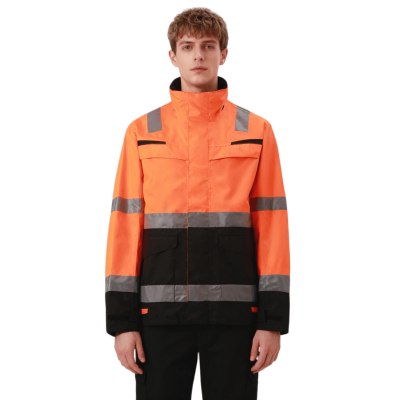
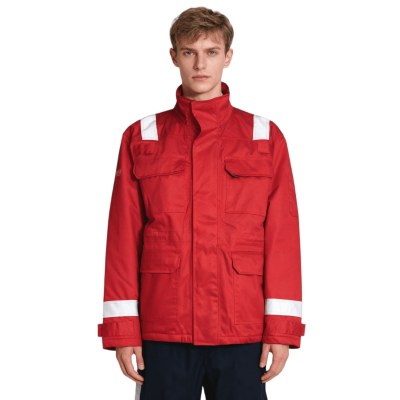
- Functional treatments. Durable Water Repellent (DWR) makes water bead off the surface. Flame-retardant, anti-static, antibacterial, and high-visibility treatments add job-specific protection for workwear.
To compare waterproof ratings in plain numbers, see our waterproof rating guide (5K/10K/20K mm), and for fabric weight, the GSM fabric weight guide.
Design & Manufacturing Process
Custom outdoor clothing moves from concept to finished goods in a defined sequence. Skipping any step creates costly rework later.
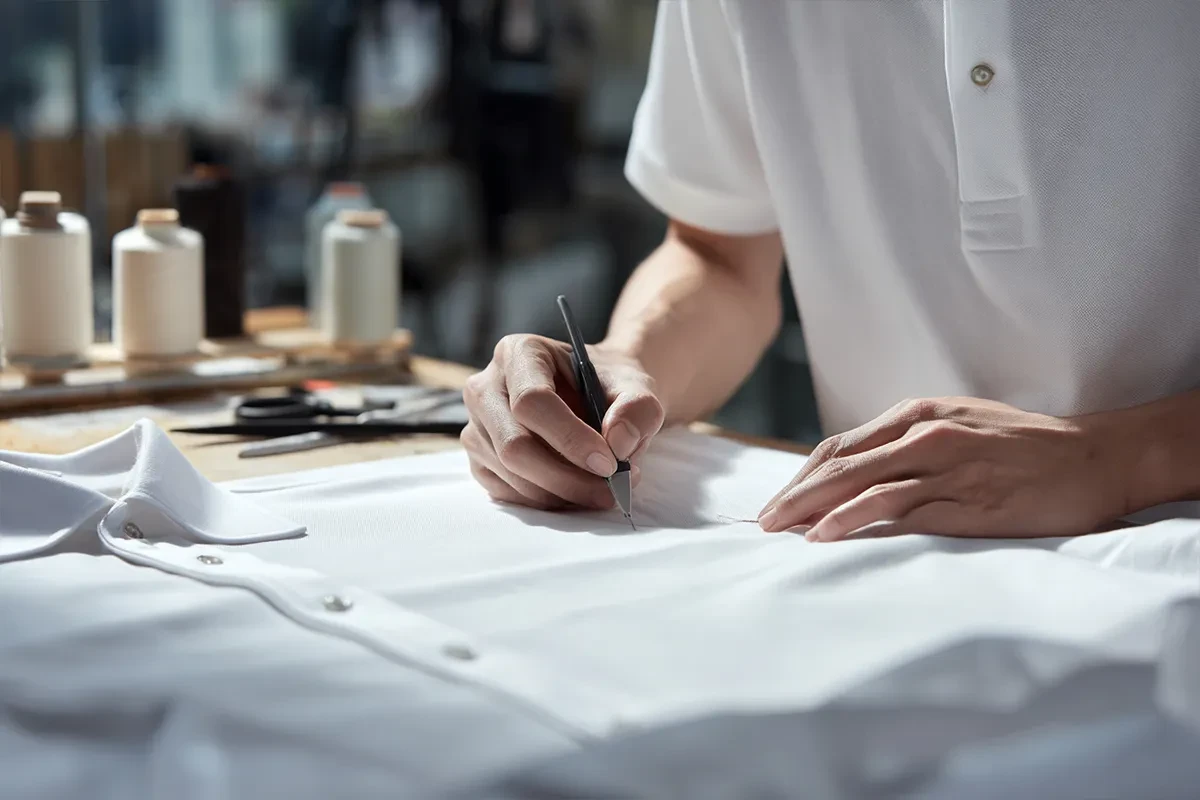
- 1. Concept & tech pack. A tech pack captures measurements, bill of materials, construction details, and functional targets. It is the single source of truth for the factory.
- 2. Pattern & prototype. Patterns are graded to size, and a proto sample is cut and sewn to validate fit and construction.
- 3. Raw material inspection. Fabric is checked for color, weight, waterproofness, and defects before cutting begins.
- 4. Cutting, sewing & seam sealing. Fabric is cut (laser cutting improves precision on synthetics), sewn, then seam-taped on a pneumatic flat press so needle holes do not leak.
- 5. Finishing & functional testing. Zippers, trims, and DWR are applied, then the garment is tested for waterproofness and breathability.
- 6. Inspection & packaging. AQL-based final inspection, then packing to the buyer's spec.
For the full timeline from sampling to bulk, read our 2027 production timeline guide.
Customization, Quality Control & Compliance
Customization is where OEM and ODM diverge. OEM means you bring the design and the factory builds it; ODM means the factory's design is branded for you. Both can include logo methods (embroidery, screen print, heat transfer, reflective print), custom colors, and packaging. If you want to understand that distinction before committing, see our custom OEM/ODM design page.
Quality control should be three-tier: raw material inspection, in-process inspection, and finished-product full inspection, all measured against AQL standards. On compliance, the certifications buyers should look for include OEKO-TEX Standard 100 (harmful substances), ISO 9001 (quality management), BSCI (social compliance), GRS (recycled materials), and AEO (customs security). Our article on BSCI, OEKO-TEX and GRS certifications explains what each one verifies.
Cost, Timeline & Choosing a Manufacturer
Cost is driven by fabric, construction complexity, MOQ, certification, packaging, and freight. Timeline typically runs 7-14 days for sampling and 30-50 days for bulk production, with rush options available. To see how pricing is built transparently, try our hiking jacket cost calculator.
When you evaluate a manufacturer, use a checklist: factory ownership (not a trader), years in business, in-house fabric capability, certifications, MOQ flexibility, sampling speed, QC system, export experience, communication, and customs status. Our China sourcing guide walks through how to vet factories and avoid scams.
UniOuter's Journey & Future Trends
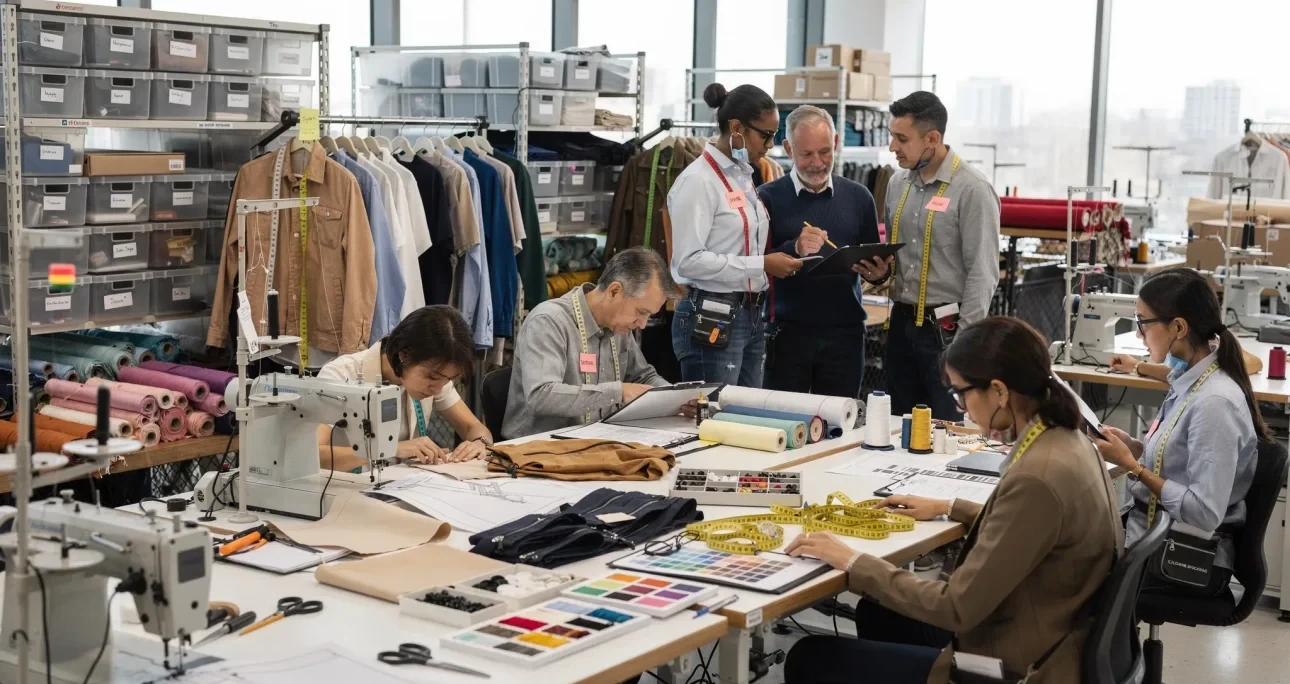
UniOuter is the manufacturing brand of Zhejiang Hualilai, with over 20 years of OEM/ODM experience, a 20,000 sqm factory, an in-house fabric mill, and a 2,000+ style library. We hold OEKO-TEX, ISO 9001, ISO 14001, BSCI, GRS, and AEO certification, with MOQ from 300-500 pieces for startups. Learn more on our about page.
The future points to sustainable materials (recycled and bio-based membranes), smart textiles, and AI-assisted design, but the foundation stays the same: clean production, honest documentation, and a factory you can audit. If you are ready to start a program, send us an inquiry or browse the full product catalog.
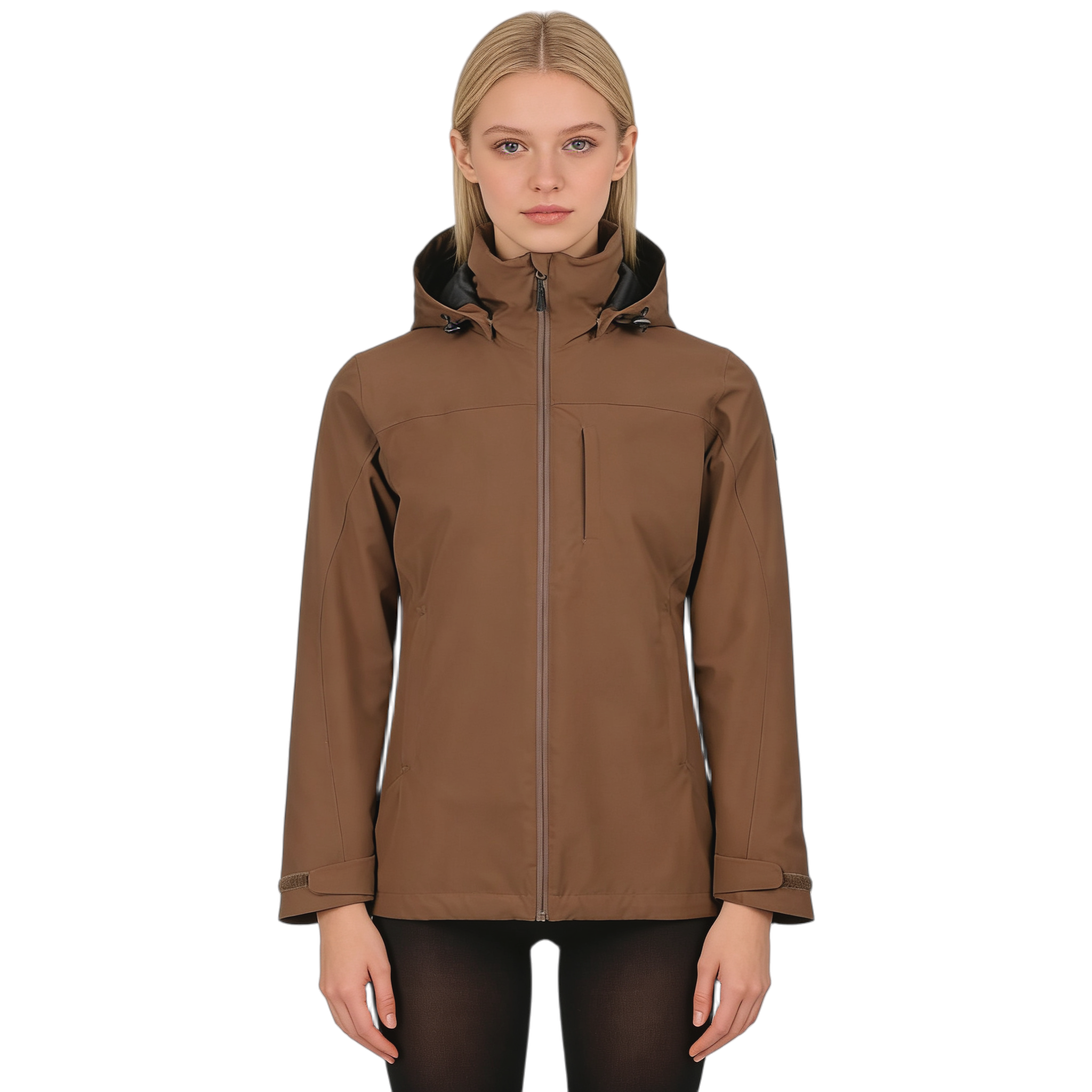
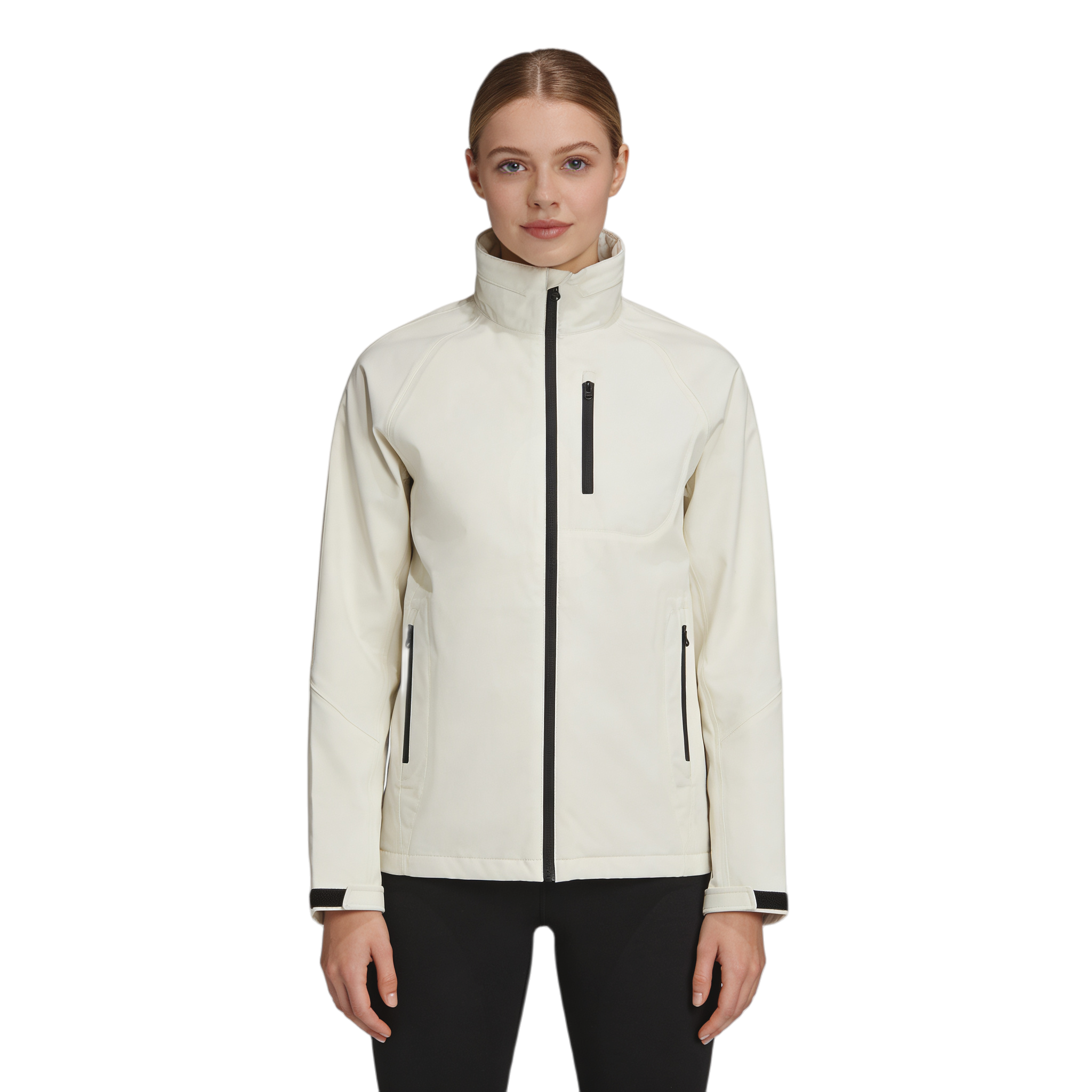
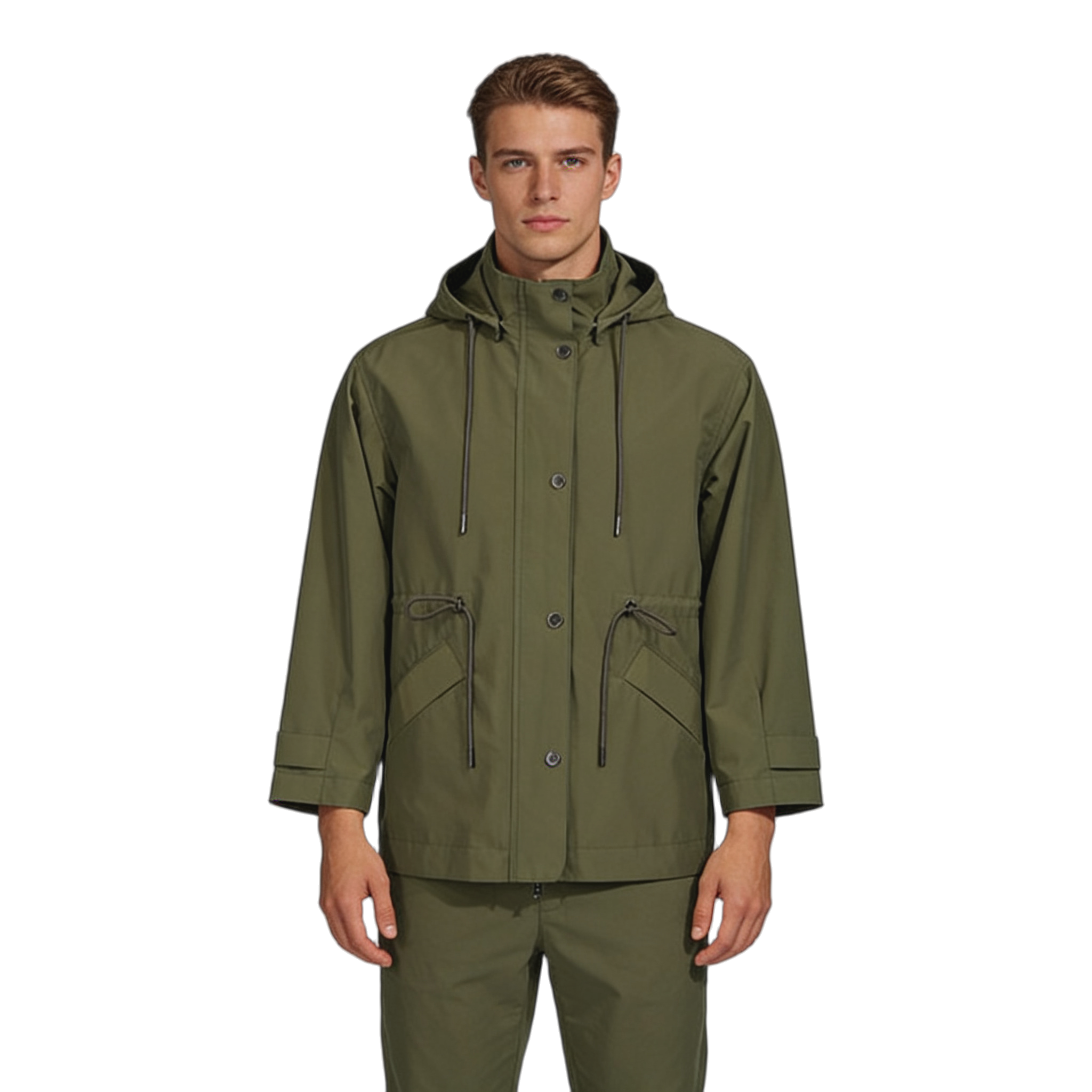
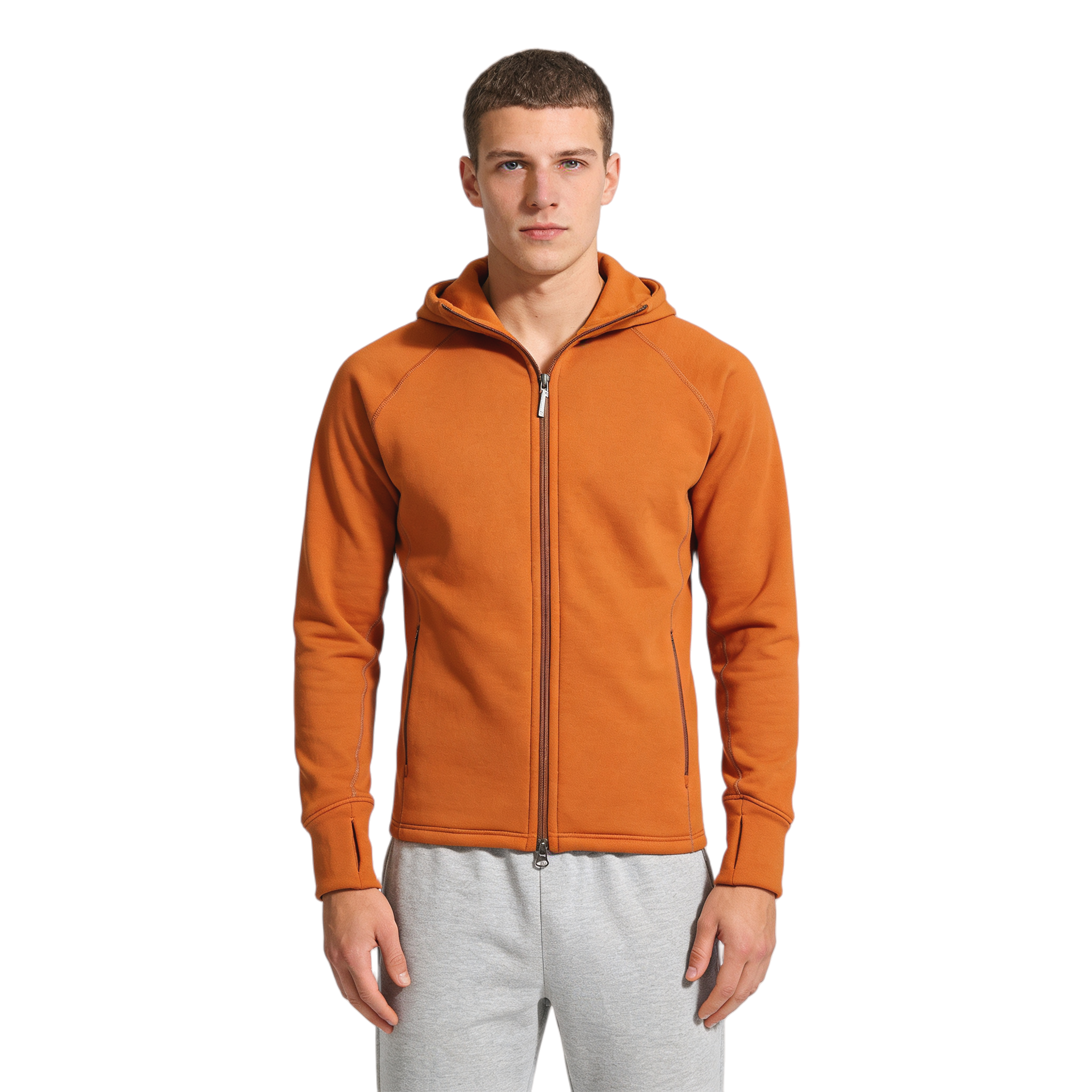
Shop Custom Outdoor Jackets
Frequently Asked Questions
OEM (Original Equipment Manufacturing) means you provide the design and tech pack and the factory produces it. ODM (Original Design Manufacturing) means the factory designs the product and you brand it. OEM gives more control and uniqueness; ODM is faster to market and suits startups with limited design resources.
Traditional factories often require 1,000+ pieces per style. Flexible manufacturers like UniOuter offer MOQ from 300-500 pieces, which lets startups test products before committing to large bulk runs.
Sampling usually takes 7-14 days per round, and bulk production runs 30-50 days after sample approval and deposit. Rush options can shorten the timeline, but planning around the standard window avoids quality compromises.
At minimum: OEKO-TEX Standard 100 (product safety), ISO 9001 (quality management), and BSCI (social compliance). Add GRS if you use recycled materials, and AEO matters for customs efficiency. Always verify certificates directly with the issuing body.
A tech pack is the technical specification document for a garment. It contains measurements, bill of materials, construction details, color callouts, and functional targets. A complete tech pack reduces sampling rounds, prevents miscommunication, and is the single source of truth between buyer and factory.