China Outdoor Apparel Sourcing Guide: How to Vet Factories, Avoid Scams & Build Reliable Supply Chains
Why Source Outdoor Apparel from China in 2026
China remains the world's largest producer of technical outdoor apparel, accounting for an estimated 40-45% of global outdoor jacket production. For brands and retailers sourcing outdoor clothing, the combination of specialized manufacturing clusters, mature supply chains, and increasingly flexible MOQ terms makes China an essential part of any sourcing strategy. But the landscape has changed significantly since 2020 — and the old playbook of "find the cheapest supplier on a B2B platform" no longer delivers reliable results.
This guide is built on real-world experience working with outdoor apparel factories in China's key production hubs. To understand what makes a reliable manufacturing partner, start by reading about UniOuter's manufacturing expertise and our approach to quality-driven production. You can also visit our homepage for a complete overview of our OEM capabilities, certifications, and product categories.
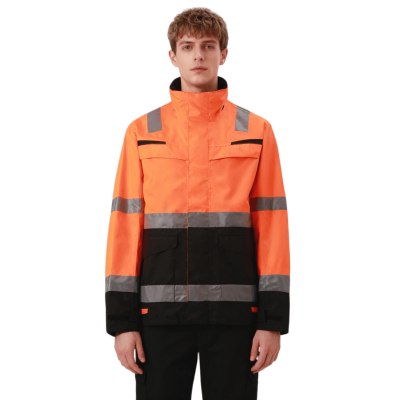
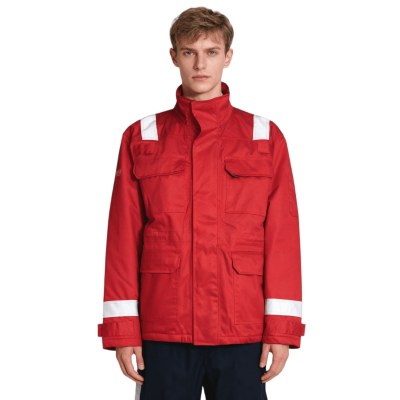
Key Production Clusters: Fujian province (Xiamen, Quanzhou, Fuzhou) is the undisputed center of outdoor and sportswear manufacturing in China, home to specialized factories producing hiking jackets, ski wear, softshells, and technical workwear. Jiangsu and Zhejiang provinces are also strong in performance textiles and accessories.
Finding the Right Manufacturer & The Factory Vetting Checklist
| Factory Type | Best For | Typical MOQ | Pros | Cons |
|---|---|---|---|---|
| Specialized OEM/ODM | Brands with custom designs | 300-500 pcs/style | Technical expertise, in-house design, certifications | Higher minimums than trading companies |
| Trading Company | Small-batch buyers, multi-category orders | 50-200 pcs/style | Low MOQ, English service, wide product range | Higher unit cost, less QC visibility |
| Large-Scale Manufacturer | Established brands with 10,000+ pcs/order | 2,000-5,000 pcs/style | Lowest unit cost, highest capacity | Your order won't be their priority |
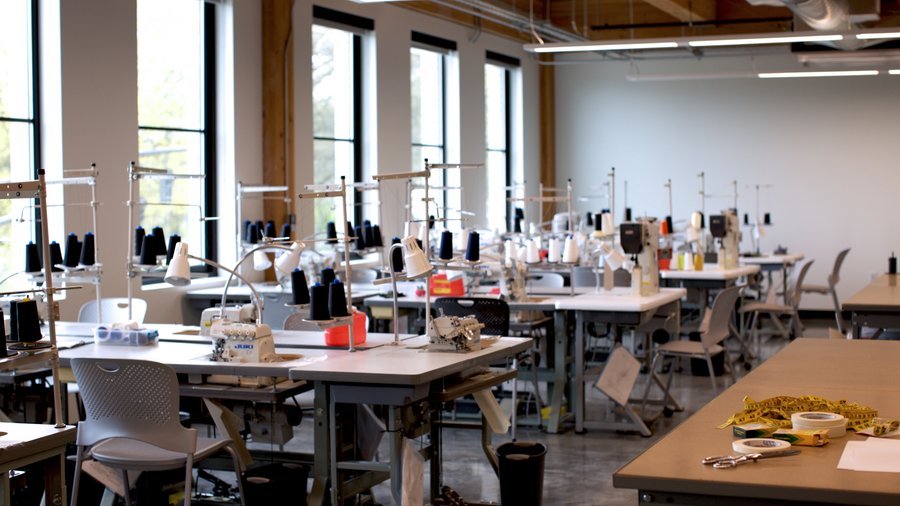
For most emerging and mid-size outdoor brands, specialized OEM/ODM factories offer the best balance of technical capability, quality control, and service commitment. Browse our outdoor jacket catalog to see what a specialized manufacturer can deliver. For a deeper look at our end-to-end production process — from fabric sourcing to finished garment — visit our custom OEM design and manufacturing page.
Industry trade shows remain the most reliable channel: ISPO Beijing (January), Intertextile Shanghai (March/September), and Canton Fair Phase 3 (May/October). Additionally, ask fabric suppliers for referrals — technical fabric mills know exactly which factories have the expertise to properly construct garments using their materials. For more on fabric specifications, see our GSM fabric weight guide.
- Total production lines and monthly capacity
- Dedicated outdoor/technical outerwear lines
- In-house vs. outsourced processes
- Backup power and water supply
- BSCI / SMETA / WRAP audit (valid)
- GRS for recycled materials
- OEKO-TEX Standard 100
- ISO 9001 quality management
- 3 verifiable brand client references
- Geographic markets served
- Average client relationship length
- Sample production timeline data
Red Flags, Negotiation & Payment Strategies
| # | Red Flag | Why It Matters |
|---|---|---|
| 1 | Refuses to share audit reports or claims they're "expired" | Legitimate factories maintain current audits. No report = no compliance. |
| 2 | Cannot provide verifiable client references | Real factories have real clients. Verify through alternative channels. |
| 3 | Agrees to your target price without any questions | Quality factories push back on unrealistic pricing. Immediate agreement signals corner-cutting. |
| 4 | Sample photos show different products from what you discussed | Trading companies often send photos of products they've never made. |
| 5 | Requests 100% payment upfront before production | Standard: 30% deposit, 70% before shipment. 100% upfront = high risk. |
| 6 | Communication switches to Chinese-only after the order | Misunderstandings multiply when you can't read production updates. |
| 7 | Cannot explain waterproof/breathability testing methods | Outdoor jacket production requires specific testing equipment. |
| 8 | Quotes 15-20 day delivery for custom development | Realistic timelines are 60-90 days. Unrealistic promises = unrealistic results. |
Avoiding red flags is just the first step. For a complete end-to-end sourcing framework, download our comprehensive purchasing guide — it covers factory selection, price negotiation tactics, QC checkpoints, and logistics planning in one structured document.
Instead of demanding "your best price," present a reasoned price target. For MOQ flexibility, offer compromises: use existing fabric stock, accept longer lead times, or commit to repeat orders. Standard payment terms are T/T 30% deposit, 70% balance before shipment. After 2-3 successful orders, negotiate for 30% deposit, 70% against copy documents. Contact our team to discuss your sourcing requirements and get transparent pricing and MOQ options.
Critical Warning: The most dangerous scenario is a factory adequate for basic apparel but unqualified for technical outerwear. Always verify outdoor-specific production capability, not just general garment manufacturing experience. For more tips on launching your brand, read our brand startup guide.
Quality Control That Actually Works & Supply Chain Protection
Inspect at 20-30% completion. Catch systemic issues before they affect the entire batch. Fixes at this stage cost minutes, not days.
At 80%+ completion, inspect per AQL 2.5. Check measurements, defects, labels, packaging, and functional tests.
Verify carton quantities, correct labeling, and proper container loading for multi-SKU orders.
A European startup brand placed an order for 500 waterproof hiking jackets at an attractive $22 FOB. The supplier was a general garment factory that "had experience with jackets." The seam taping failed leak testing on 40% of inspected units. The DWR treatment washed out after two wears. Total cost of the failed order — including import duties on unsellable goods, chargebacks from their first retail partner, and lost launch-season revenue — exceeded $45,000.
The lesson: the cost of factory due diligence — a $1,500 audit, a $500 lab test, and a few hours of reference checking — would have prevented this entirely. Cheap sourcing is the most expensive mistake in outdoor apparel. Start your sourcing journey on solid ground — send us your requirements and let our team guide you through a risk-free factory evaluation.
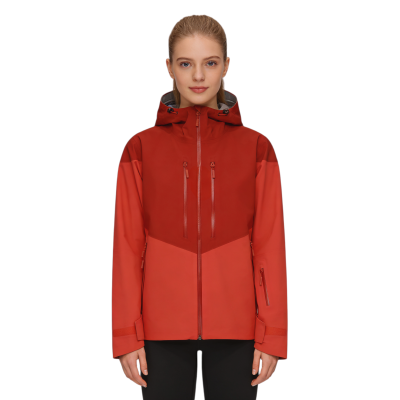
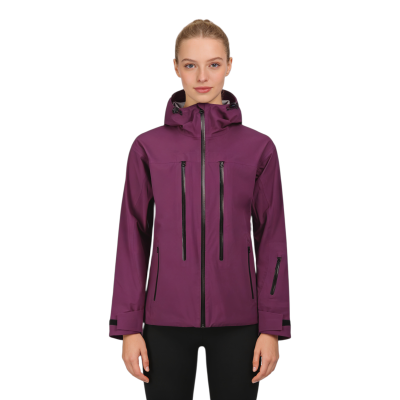
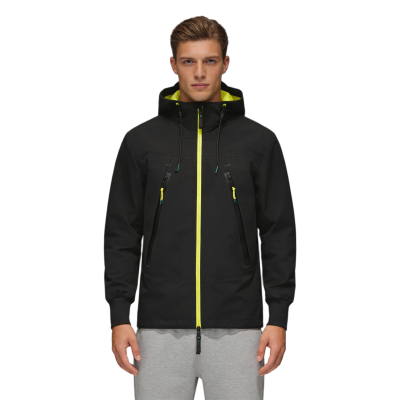
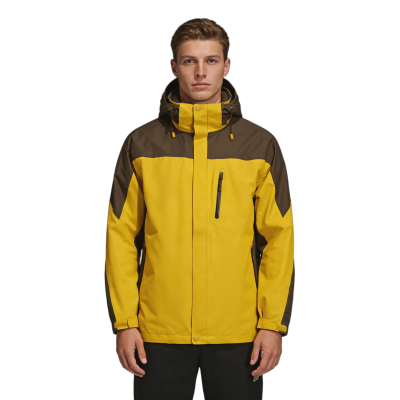
Shop Outdoor Hiking Jackets
Frequently Asked Questions
Ask to see in-production photos or videos of your specific product type being manufactured. Better yet, request a video call walking through the production floor. Also check their business license: manufacturers are registered under specific production categories. Send us an inquiry and we'll share our factory credentials including audit reports, certifications, and client references.
For specialized outdoor OEM factories, expect 300-500 pieces per style as standard MOQ. Some will accept 200pcs with a 10-15% surcharge. If a factory quotes below 100pcs for a custom-developed technical jacket, be skeptical — this typically indicates a trading company.
For orders above $10,000, a factory visit is strongly recommended. If travel isn't feasible, hire a third-party sourcing agent or QC firm for an on-site evaluation — the $500-800 cost is trivial compared to a failed order.
Start with a bilingual NDA signed before sharing technical specifications. Register your trademark in China through the CTMO. Most importantly, build relationships with factories that value long-term partnerships — a factory that has served the same brands for 5+ years is far less likely to risk that relationship.