BSCI, OEKO-TEX, GRS: Essential Compliance Certifications for EU/US Outdoor Apparel Importers
Compliance certifications are no longer optional for outdoor apparel brands selling to the EU and US. With 2026 bringing stricter regulations on chemical safety, social compliance, and sustainability claims, importers who cannot verify their factory's certifications face customs delays, rejected shipments, and reputational damage. This guide covers the four certifications every outdoor apparel buyer needs to understand.
At UniOuter, we maintain active certifications across BSCI, OEKO-TEX, and GRS standards. Our 19+ years of manufacturing experience has taught us that compliance is not a checkbox — it's a continuous process. For brands preparing their sourcing strategy, our purchasing guide provides additional context on supplier evaluation.
The Big Four Certifications Explained
Each certification addresses a different layer of compliance: social responsibility, chemical safety, environmental impact, and product-specific performance. Understanding their scope helps you prioritize which ones your supply chain needs.
| Certification | Scope | Who Needs It | Renewal |
|---|---|---|---|
| BSCI | Social compliance, labor rights, workplace safety | All EU importers | Annual audit |
| OEKO-TEX Standard 100 | Chemical safety, harmful substance testing | All apparel brands | Annual |
| GRS | Recycled material content verification | Sustainability-focused brands | Annual |
| bluesign | Resource productivity, chemical management | Premium outdoor brands | Bi-annual |
The Business Social Compliance Initiative (BSCI) audit evaluates factories against 13 performance areas including fair wages, working hours, health and safety, and child labor prevention. EU retailers increasingly require BSCI compliance as a baseline for supplier onboarding. A valid BSCI audit report with grade A or B signals a well-managed factory.
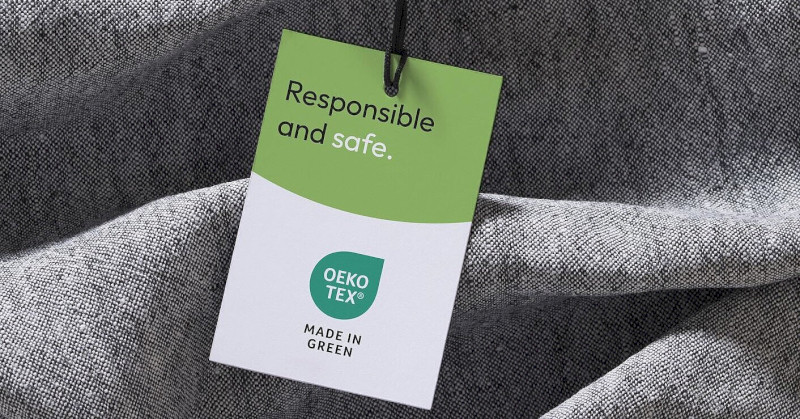
OEKO-TEX Standard 100 tests finished textiles for over 300 harmful substances including formaldehyde, heavy metals, and PFAS chemicals. The certification is divided into four product classes, with Class I (baby items) being the strictest. For outdoor apparel, Class II certification is standard. Every fabric component — from shell to lining to thread — must be tested individually. Learn more about PFAS concerns in our PFAS-free outdoor gear guide.
The Global Recycled Standard (GRS) verifies that products contain the claimed percentage of recycled materials. It tracks the entire supply chain from recycled input to final product, ensuring traceability. With EU regulations pushing for circular economy practices, GRS certification is becoming a competitive differentiator. Our detailed GRS certification guide covers the full process.
How to Verify Factory Certifications
Don't just take a factory's word for their certifications. Follow this verification process:
- Request original certificates: Ask for scanned copies of current certificates with visible issue dates, expiry dates, and certificate numbers. Verify the factory name matches exactly.
- Check online registries: BSCI audits can be verified through the amfori platform. OEKO-TEX certificates can be looked up at oeko-tex.com using the certificate number. GRS certificates are verifiable through Textile Exchange.
- Confirm scope: Ensure the certification covers your specific product category. A factory may have OEKO-TEX for woven fabrics but not for knit linings.
- Check validity dates: Most certifications are valid for 12 months. Ensure the certificate will be valid through your production period, not just at the time of inquiry.
- Schedule a factory visit: Physical verification remains the gold standard. Our design and manufacturing team can arrange facility tours for qualified buyers.
2026 Regulatory Trends and Compliance Roadmap
The regulatory landscape is shifting rapidly. Here are the key changes affecting outdoor apparel importers in 2026:
- EU PFAS restriction: The EU's universal PFAS restriction proposal is expected to take effect, banning intentionally added PFAS in textiles. OEKO-TEX already tests for PFAS under Standard 100.
- PEF (Product Environmental Footprint): The EU is finalizing PEF methodology for apparel, which will require lifecycle assessment data. GRS-certified recycled content contributes positively to PEF scores.
- US Customs UFLPA enforcement: The Uyghur Forced Labor Prevention Act requires importers to trace cotton supply chains. BSCI audits support compliance by verifying labor practices.
- Digital Product Passport: The EU's Digital Product Passport initiative will require apparel to carry sustainability and composition data. Certifications like GRS and OEKO-TEX feed directly into this framework.
Our factory maintains current BSCI, OEKO-TEX Standard 100, and GRS certifications. We provide certificate copies with every quotation and welcome third-party audits. Contact our compliance team for current certificate copies and audit schedules.
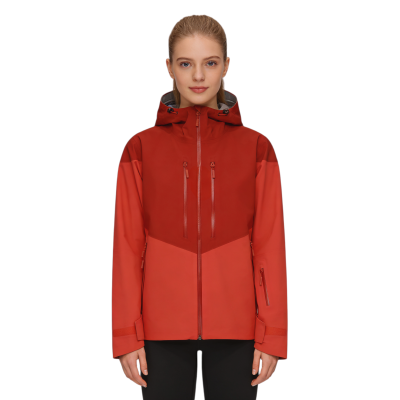
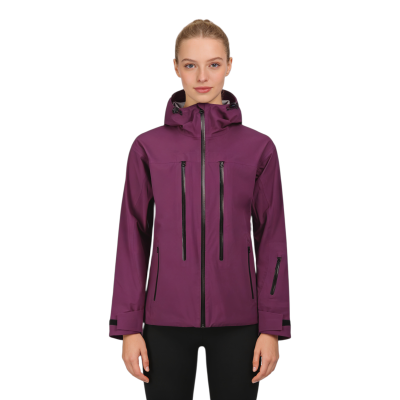
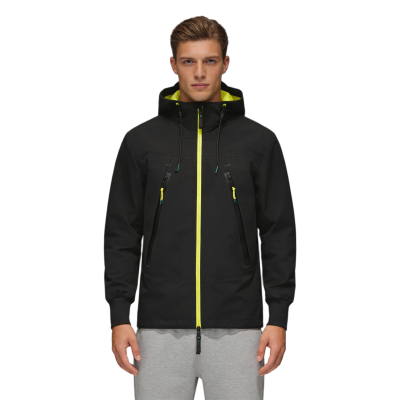
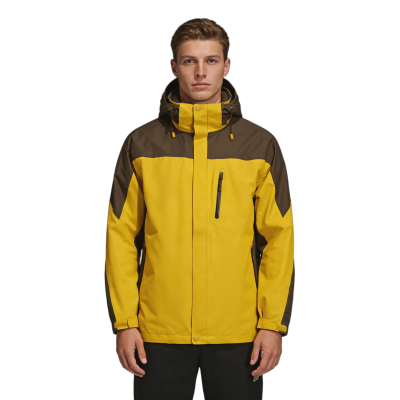
Shop Certified Sustainable Outdoor Jackets
Frequently Asked Questions
While no single certification is legally mandatory for all apparel, BSCI is effectively required by most EU retailers. OEKO-TEX Standard 100 is expected by major brands. REACH compliance (chemical regulation) is legally binding for all textile products sold in the EU.
BSCI audits cost $1,500–3,000 per facility. OEKO-TEX testing runs $500–1,500 per fabric component. GRS certification costs $2,000–5,000 depending on facility size. Factories typically absorb these costs, but they may be reflected in unit pricing.
Always verify certificates through online registries (amfori for BSCI, oeko-tex.com for OEKO-TEX, Textile Exchange for GRS). Cross-check certificate numbers, validity dates, and product scope. A factory visit is recommended for first-time partnerships.
Yes. We provide current BSCI, OEKO-TEX, and GRS certificate copies with every formal quotation. Send an inquiry or browse our certified product range to get started.