UniOuter Earns AEO Certification: Faster, Safer Customs Clearance for Your Imports
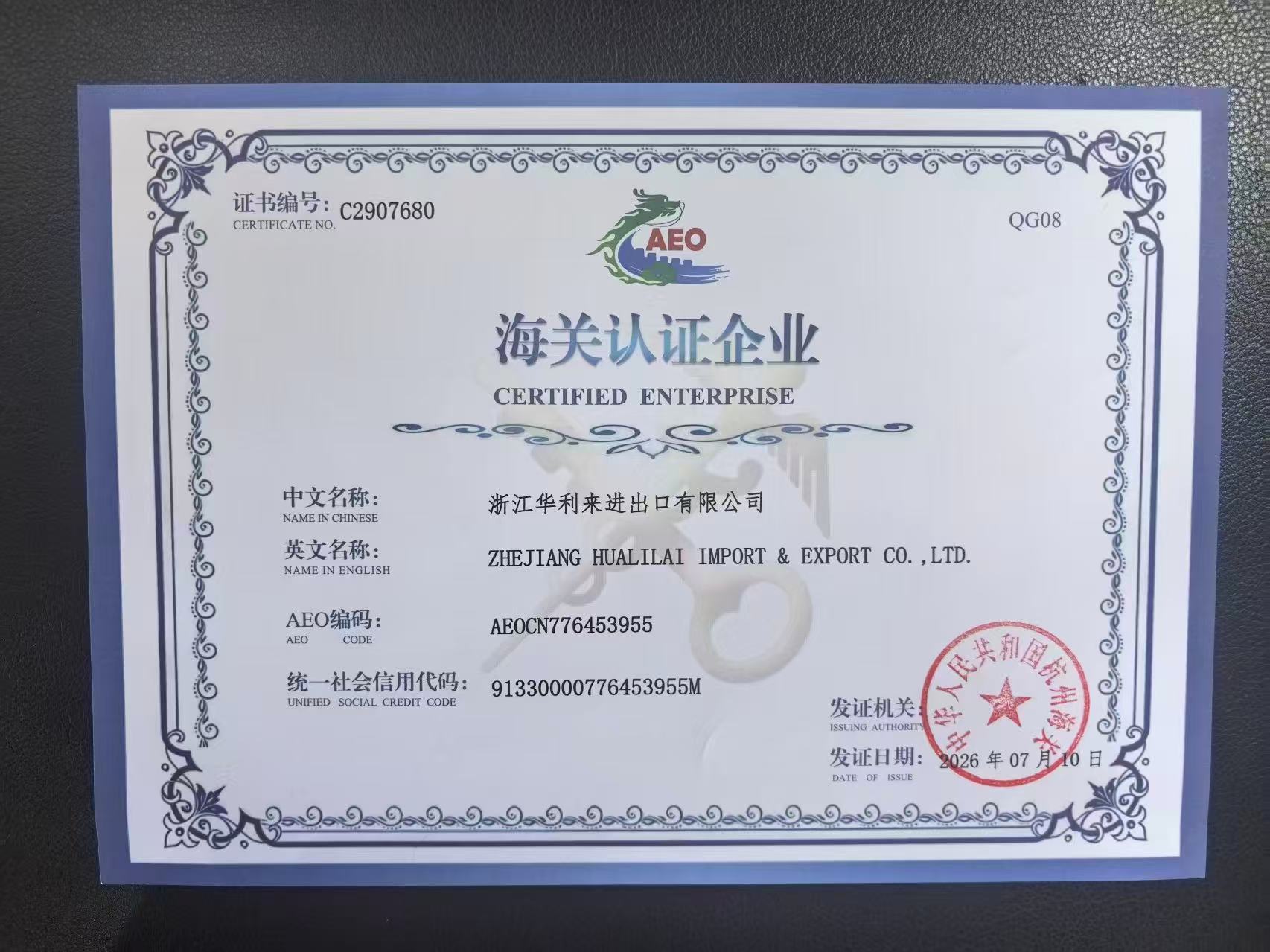
UniOuter has officially earned AEO certification from China Customs, the highest customs credit status a Chinese exporter can hold. In plain terms, this means the factory you work with has passed one of the most demanding supply chain security audits in the world, and your shipments now move through customs faster and with fewer interruptions.
This article explains what AEO actually is, what it took to earn it, and what it changes for importers who source outdoor apparel with us. If you are new to working with Chinese manufacturers, our outdoor clothing purchasing guide covers the basics before you get into customs details.
What Is AEO Certification?
AEO stands for Authorized Economic Operator, a concept developed by the World Customs Organization under its SAFE Framework of Standards. In China, AEO certification is granted by the General Administration of Customs (GACC) and is the highest of China's four customs credit tiers. A certified enterprise is officially recognized as a low-risk, highly compliant operator throughout the international supply chain.
The status is not a piece of paper you buy. It is a standing verification that the company's internal controls, financial health, compliance record, and physical security meet a national standard. That is why customs authorities around the world treat AEO-certified exporters as trusted partners rather than unknown entities. If you want to compare AEO with the social and product certifications brands usually ask for, our article on BSCI, OEKO-TEX and GRS certifications explains how each one fits into an apparel supply chain.
What AEO Status Means for Importers
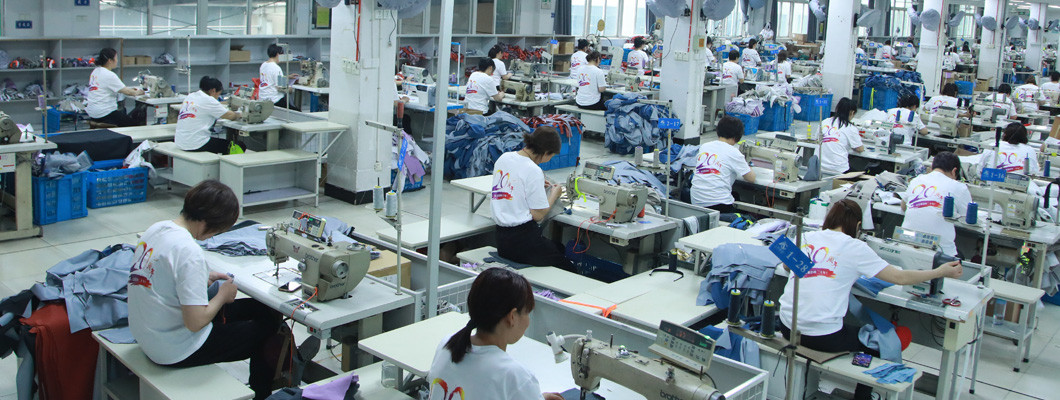
AEO certification is not just a badge for the factory. It directly changes how your cargo behaves at the border. The three benefits that matter most to buyers are measurable and practical.
- Significantly lower inspection rates. China Customs applies a much lower rate of physical inspection to AEO-certified exporters. Fewer inspections mean fewer random holds, less time sitting in a container yard, and a more predictable delivery window.
- Priority processing and clearance. AEO-certified enterprises get priority handling at customs, including faster document processing and dedicated service. During peak seasons, when ports are congested, this priority can be the difference between hitting and missing a launch date.
- Mutual recognition benefits abroad. China has signed AEO mutual recognition arrangements with more than 20 economies, including the EU, Singapore, South Korea, Japan, Australia and Hong Kong, China. Cargo from a certified exporter is recognized as low-risk on arrival in these markets, which speeds up clearance on the buyer's side as well.
For an importer, these benefits translate into one headline outcome: supply chain predictability. If you are planning a seasonal program, our 2027 production timeline guide shows how customs efficiency fits into the overall calendar from sampling to shipment.
What It Takes to Earn AEO Certification
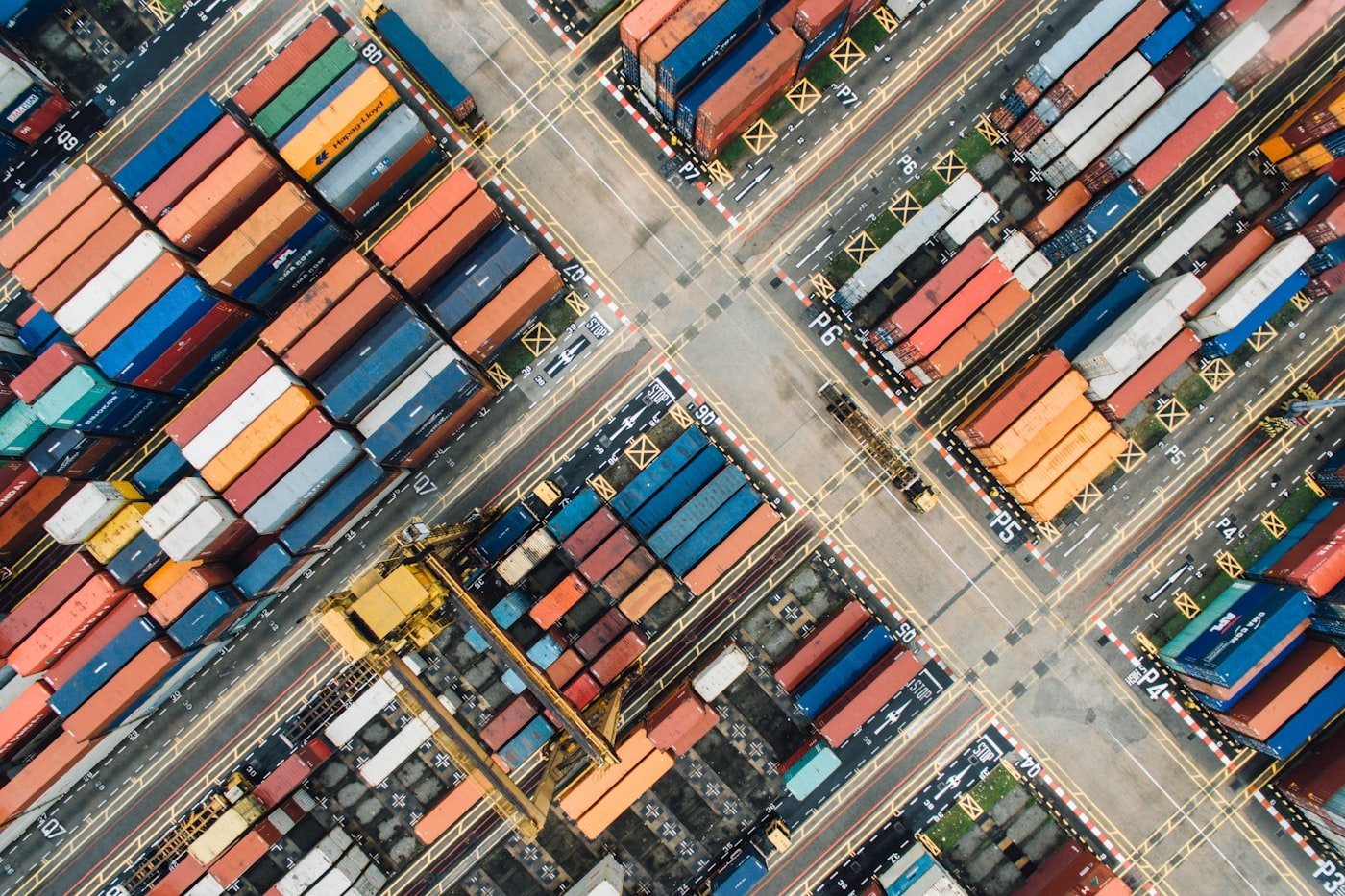
Earning AEO certification is deliberately hard. GACC evaluates applicants across four dimensions, and every one of them must pass before the certificate is issued.
- Internal control. Documented procedures for every operation, from order entry to export filing. Records must be complete, traceable, and consistent with what is declared to customs.
- Financial soundness. The enterprise must demonstrate stable finances and the ability to meet customs obligations, including duties and taxes, without exception.
- Compliance record. A clean customs compliance history. Any significant violation within the assessment window disqualifies the applicant, no matter how good the rest of the file looks.
- Trade security. Physical security of facilities, controlled access, container and trailer security, personnel screening, and supply chain partner screening. This is the dimension that requires real operational change, not just paperwork.
The assessment includes on-site audits, and the status is not granted once and forgotten. Certified enterprises are monitored and re-verified periodically, so the standard has to be maintained every working day. That is exactly why the certificate carries weight with customs authorities worldwide.
How UniOuter Earned Its AEO Certification
For UniOuter, AEO certification was an operational project, not a marketing exercise. Our team had to tighten the same systems that importers rely on every day: accurate documentation, secure facilities, screened partners, and traceable production records.
Concretely, we upgraded our internal processes so that every export file, from commercial invoice to packing list, is generated from the same verified data set used for production. Container loading follows a documented security protocol, access to our facilities is controlled, and our supply chain partners are screened against the same standard. These systems were already the backbone of our custom OEM and ODM production, and AEO pushed them to a national compliance level.
Why AEO-Certified Factories Matter for Your Supply Chain
When you compare factories, certifications are one of the fastest filters. AEO is a strong signal that a manufacturer runs disciplined operations, because the standard cannot be faked with a photocopied certificate. It has to survive a customs audit.
For buyers, sourcing from an AEO-certified factory reduces two of the biggest sources of import pain: unpredictable clearance delays and documentation errors. Combined with compliance experience in product standards, such as the EU PFAS requirements, an AEO-certified partner gives you a cleaner path from factory floor to retail shelf. Our China sourcing guide explains how to build a vetting checklist that includes customs credentials like this one.
AEO and the Future of Apparel Trade Compliance
Customs authorities are moving toward risk-based, data-driven trade facilitation, and AEO is the centerpiece of that shift. Exporters that hold the status benefit from the streamlined lane; those that do not face the full inspection burden. For apparel importers, this trend makes factory certification a strategic sourcing decision rather than a nice-to-have detail.
If you are evaluating whether UniOuter is the right manufacturing partner, our transparent pricing calculator shows how we quote without hidden fees, and our brand startup guide covers the full journey from idea to first order. You can also browse our full product catalog, read more about UniOuter, or send us an inquiry to discuss your next program.
Shop Outdoor Hiking Jackets
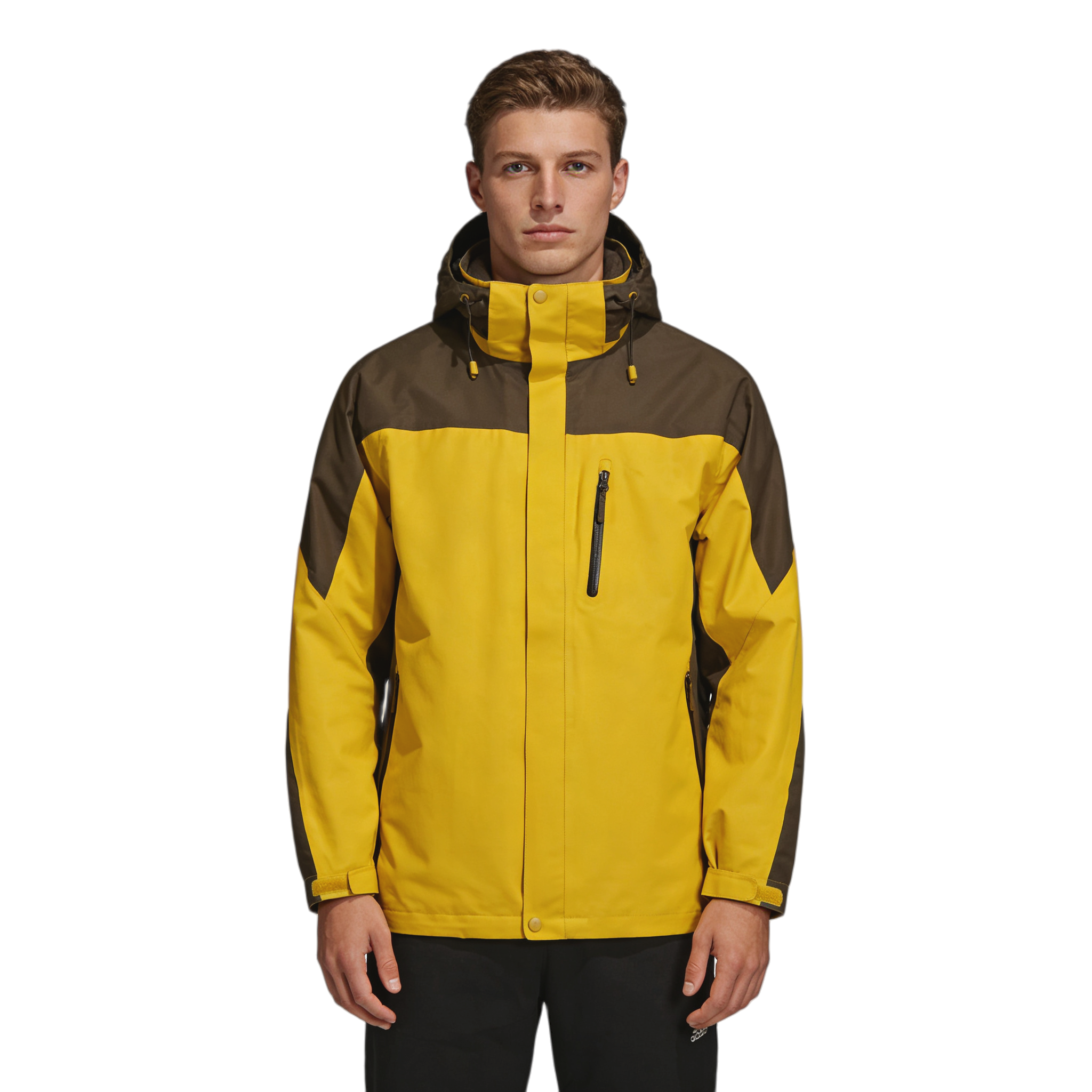
Frequently Asked Questions
No. BSCI is a social audit, and OEKO-TEX is a product safety standard. AEO is a customs credibility status: it verifies that a company's internal controls, financial health, compliance record, and trade security meet the national customs standard, so its cargo is treated as low risk at the border.
No exporter is exempt from inspection completely. What AEO changes is the likelihood: certified enterprises face a significantly lower rate of physical inspection and get priority processing, which means far fewer random holds and faster clearance during peak seasons.
In most cases, yes. Within China, AEO exporters get priority handling and lower inspection rates. And because China has AEO mutual recognition arrangements with more than 20 economies, arriving cargo is also recognized as low risk in those markets, speeding up clearance on your side.
In China, certified enterprises can be checked through the GACC AEO enterprise list published on the official customs website, and the certificate itself includes an enterprise code and validity details. A legitimate factory will share both without hesitation.
No. AEO is a compliance upgrade, not a pricing factor. Our transparent OEM pricing model stays the same, and you can check it with our cost calculator before you commit to anything.