Flame Retardant Workwear: Standards, Materials, and Selection Guide
Flame retardant (FR) workwear is the rare garment category where the fabric can be the difference between a scare and a fatality. Selecting it correctly means understanding three things: what the standards actually certify, the difference between inherent and treated protection, and how garment systems (not just fabrics) perform in real thermal events.
For the broader workwear manufacturing context, see our workwear manufacturing guide and the functional workwear design process.
FR Fabric Types: Inherent vs Treated
Inherent FR fabrics are flame resistant because of their polymer chemistry - the protection is permanent and cannot be washed out. Nomex (meta-aramid) is the classic: it chars rather than ignites, self-extinguishes, and retains integrity at high temperatures. Aramid blends with Kevlar (para-aramid) add cut and tear strength. Modacrylic blends offer inherent FR at lower cost with good comfort. Inherent fabrics cost more upfront but survive the garment's full life.
FR-treated fabrics (typically FR-treated cotton and cotton-nylon blends) are flammable fibers chemically treated to self-extinguish - the treatment forms a protective char when exposed to flame. They are comfortable, affordable, and ubiquitous in general industry, but the treatment degrades over wash cycles, and care protocols matter enormously.
Add photo here: FR fabric swatch being tested for flame resistance in a laboratory setting
Safety Standards and Protection Levels
Four standards cover most FR workwear globally:
- EN ISO 11612. The core European standard for clothing protecting against heat and flame. Classifies performance across limited flame spread, convective heat, radiant heat, molten aluminum splash, and molten iron splash - garments carry class marks per hazard (A1-A2, B1-B3, C1-C4, D1-D3, E1-E3).
- EN ISO 11611. Welding-specific protection: covers spatter, small flame contact, and radiant heat, in Class 1 (general welding) and Class 2 (harsher techniques and positions).
- ASTM F1506 / NFPA 70E. The US arc-protection system for electrical work. ASTM F1506 covers the garment fabric's arc rating; NFPA 70E defines the incident-energy-based PPE categories (CAT 1-4) that garments must satisfy.
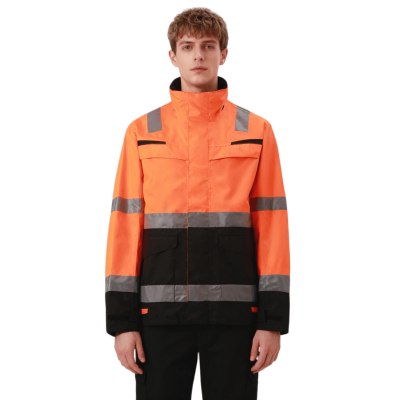
- EN ISO 20471 compatibility. Workers exposed to both fire risk and traffic (roadside utility crews) need dual-standard garments - FR fabric with FR-rated retroreflective tape. See our hi-vis standards guide for the visibility side.
Arc ratings decoded: ATPV (arc thermal performance value) is the incident energy, in cal/cm2, at which the fabric has a 50% probability of just reaching second-degree burn. EBT (energy breakopen threshold) is the energy at which the fabric breaks open - either rating is legitimate; both are reported as "arc rating". CAT 1 requires a minimum arc rating of 4 cal/cm2, CAT 2 is 8, CAT 3 is 25, CAT 4 is 40. Match the rating to the incident energy calculated for the specific task - over-protection adds heat stress, under-protection adds burn risk.
Design, Comfort, and Layering Requirements
FR garment design follows strict rules: no exposed metal (zippers, snaps, and buckles must be FR-rated or fabric-covered to prevent conductive heat points), specific thread types (FR thread throughout - a garment is only as flame resistant as its seams), and layering systems designed so underlayers do not melt onto skin (no synthetic base layers under FR shells in electrical work - meltable synthetics under arc-rated garments violate NFPA 70E).
Comfort is a genuine safety issue in FR: heavy aramid fabrics cause heat stress, and overheated workers strip off protection. Modern solutions balance protection with weight - lightweight inherent blends, moisture-wicking FR knit underlayers, and designs with ventilation planning that doesn't compromise coverage. High-visibility FR combinations exist precisely because dual-hazard workers won't tolerate two garments.
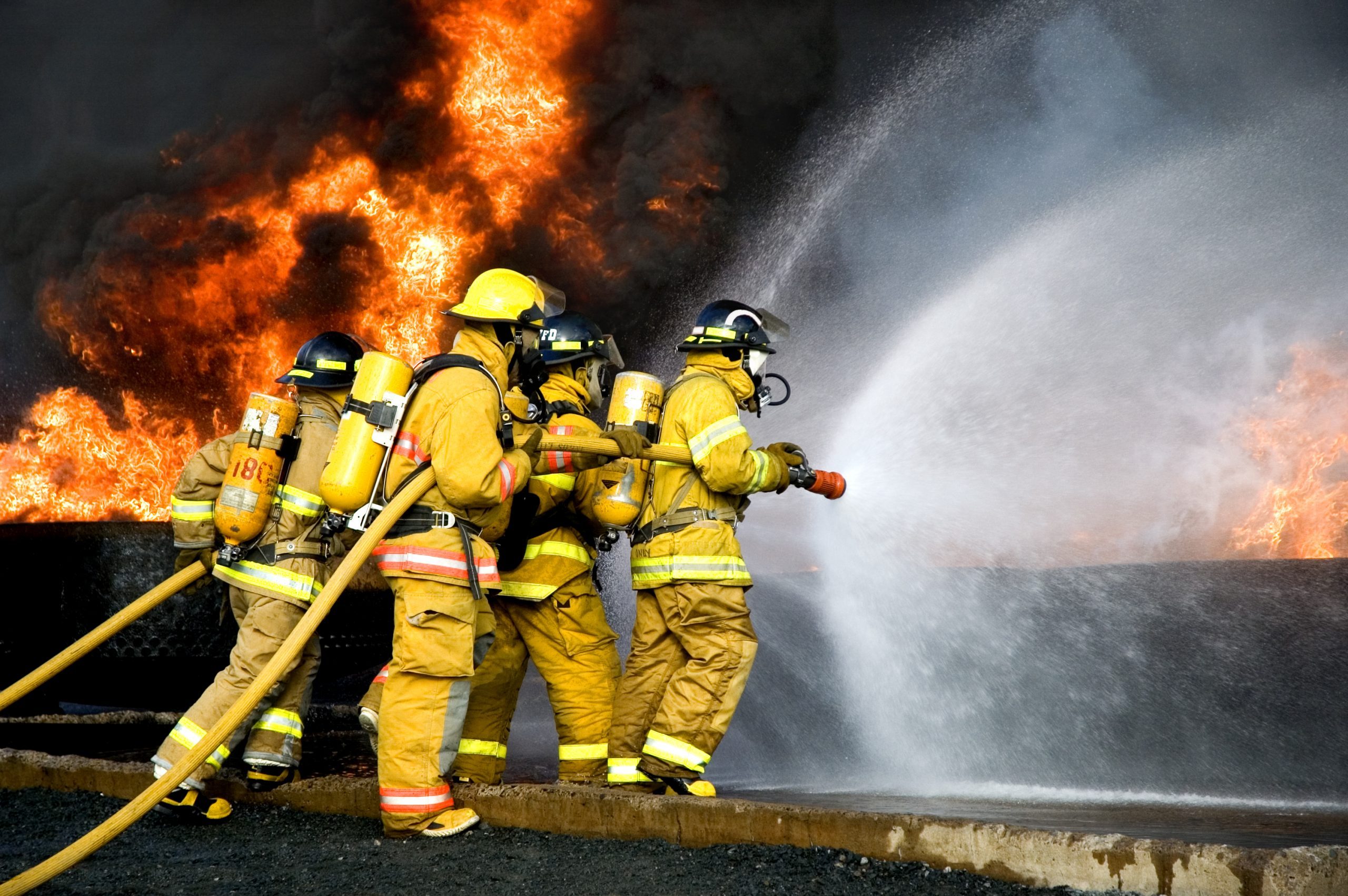
Add photo here: worker wearing complete flame retardant protective clothing system in industrial environment
Care, Inspection, and Replacement
FR-treated garments demand laundering discipline: no chlorine bleach (destroys the treatment), no hydrogen peroxide or hard water minerals in excess, no fabric softeners, and industrial laundering programs designed for FR. Track wash cycles - treated FR has a finite service life often expressed in washes (commonly 50-100 industrial cycles). Inherent FR has no wash limit for its protection, though the garment itself eventually wears out mechanically.
Inspect on a schedule: look for thinning fabric, torn seams, contaminated areas (grease and solvent saturation are fuel), and damaged closures. Any garment contaminated with flammable substances must be cleaned or retired. After any arc or flame event - even without visible damage - the garment is retired. FR protection is invisible; visual condition is the only proxy you have.
Documentation matters for compliance: keep certificates for each batch, match them to garment labels, and maintain records of issue dates and wash counts. Auditors and insurers will ask.
Applications, Mistakes, and UniOuter's FR Capability
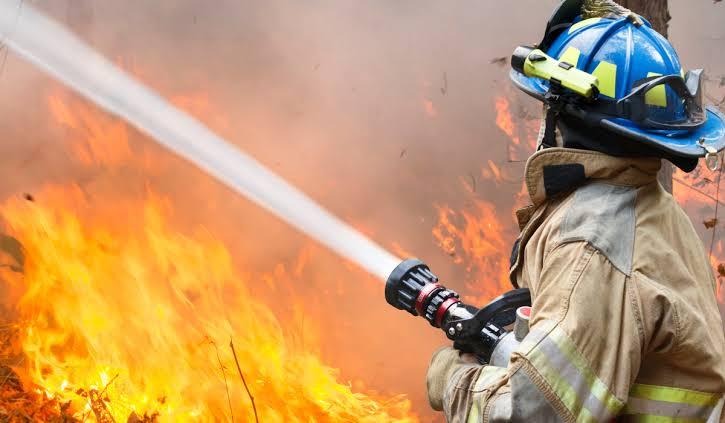
Typical applications by industry: welding (EN ISO 11611 Class 1-2), electrical utilities (arc-rated systems), oil and gas (inherent FR coveralls, flash-fire protection per NFPA 2112 considerations), racing and firefighting support (nomex-based), and utility roadside crews (FR + hi-vis dual standard). The common selection mistakes: buying fabric certificates instead of garment certification, mixing FR shells with meltable underlayers, ignoring wash-cycle depletion on treated garments, and over-specifying protection into heat stress.
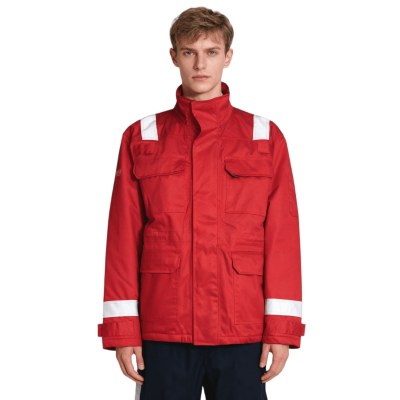
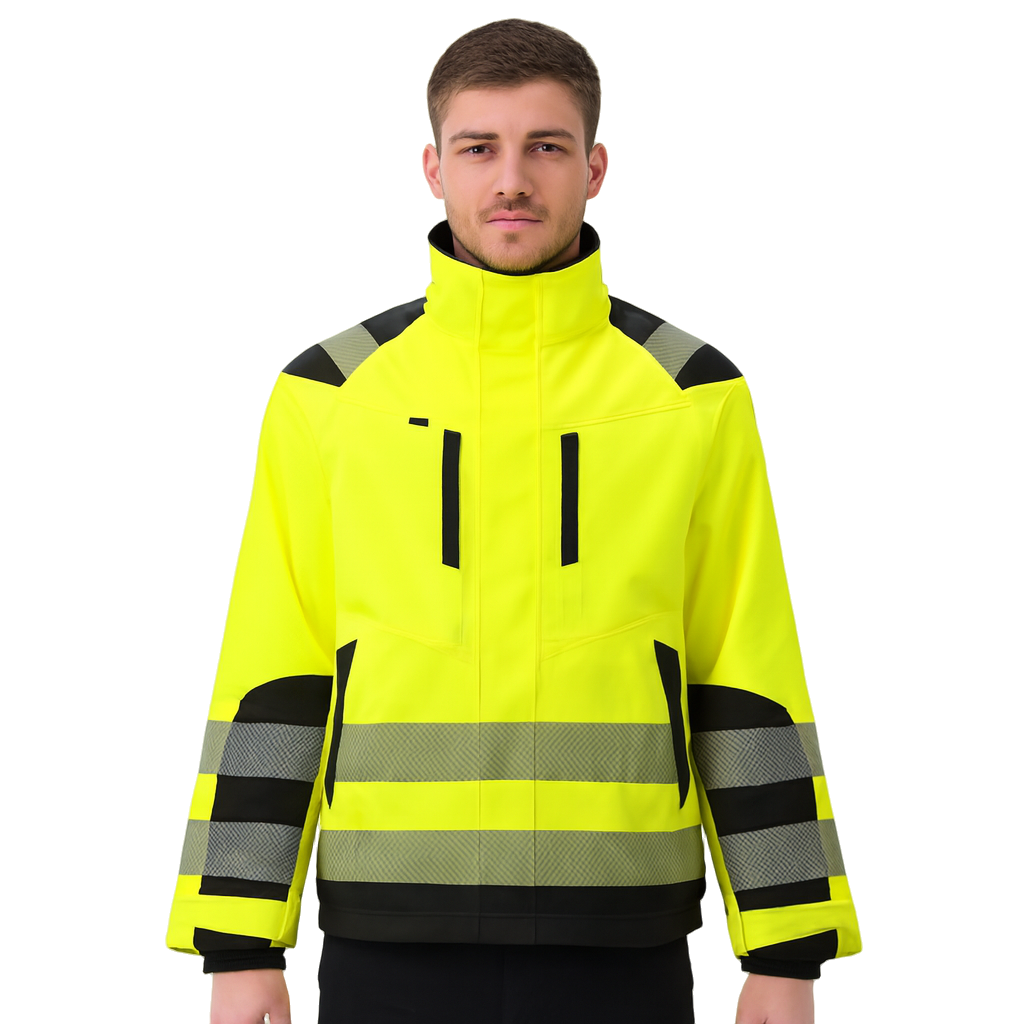
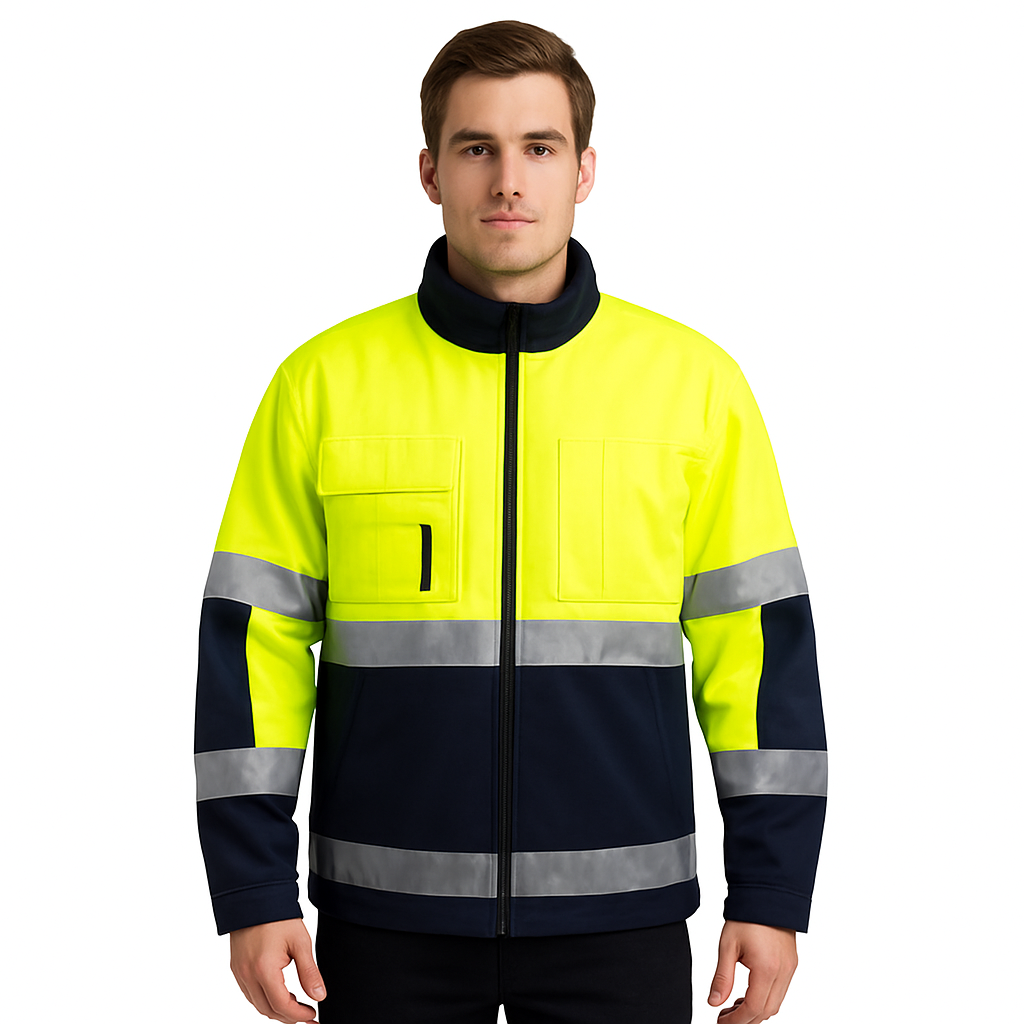
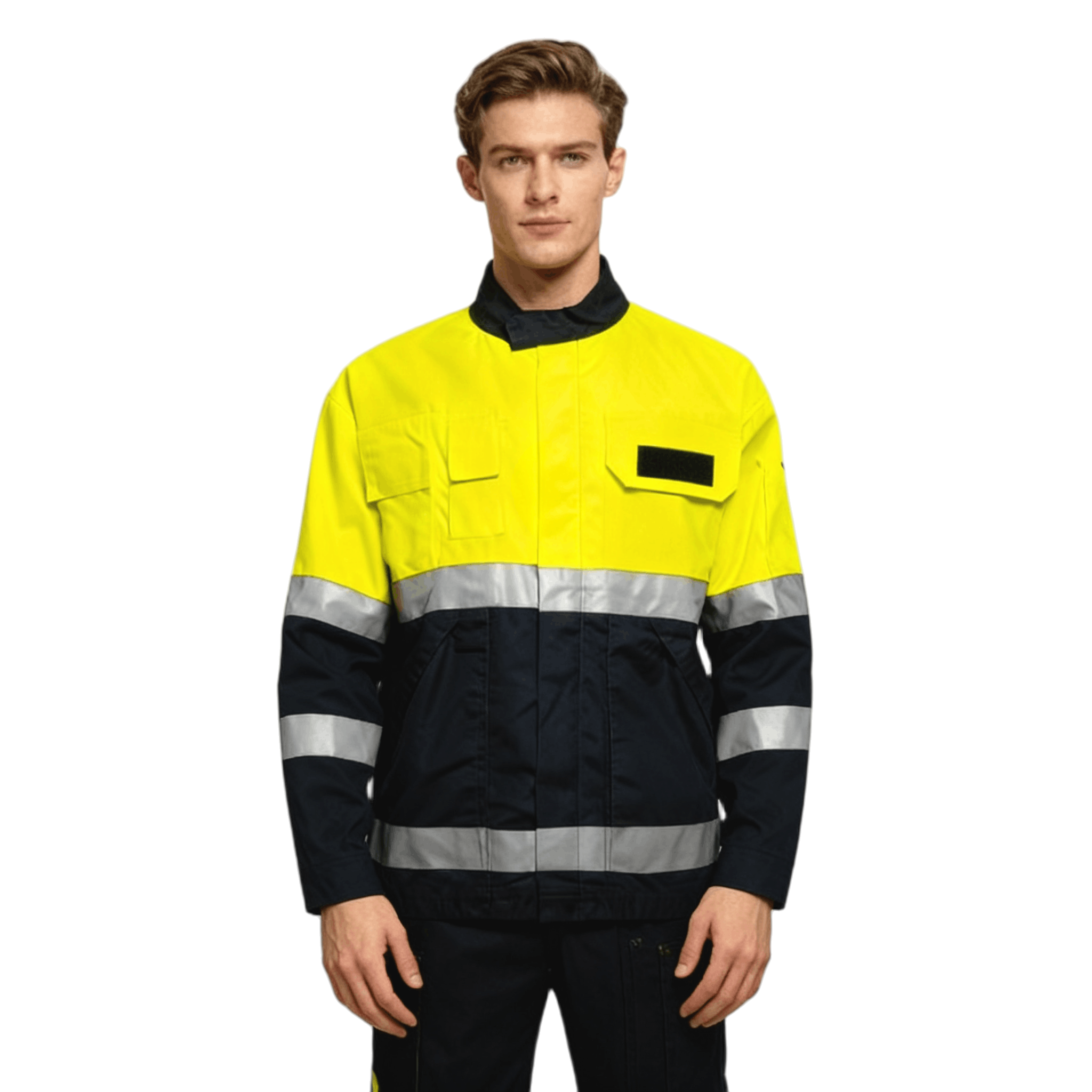
UniOuter manufactures custom FR workwear - FR jackets, FR + high-visibility combinations, and rescue apparel - with certified fabrics, FR-rated trims and thread throughout, and third-party testing on finished garments. Explore the product catalog, review our manufacturing standards on the about page, or send an inquiry with your applicable standards. For certification context, see our certifications guide, and for sourcing mechanics the purchasing guide.
Shop Safety Workwear

Frequently Asked Questions
The terms are used interchangeably in most markets, both meaning the fabric self-extinguishes after flame removal. The meaningful distinction is inherent (protection built into the fiber, permanent) versus treated (protection from a chemical finish, degradable). Specify "inherent FR" or "FR-treated" - not just "FR" - when ordering.
Typically 50-100 industrial wash cycles before the treatment degrades below certification levels - the garment label or supplier's care specification states the limit. Home laundering with the wrong detergent can shorten this dramatically. Inherent FR fabrics have no wash-based expiry; garment life is determined by mechanical wear.
It depends on the incident energy of the task, calculated per NFPA 70E or measured by your safety engineer. Common mapping: CAT 1 (4 cal/cm2) for low-energy tasks, CAT 2 (8) for typical panel work, CAT 3 (25) and CAT 4 (40) for high-energy switchgear. Never select PPE by guesswork - use the calculated incident energy.
Not for electrical/arc work - meltable synthetics under an arc-rated garment violate NFPA 70E because arc energy can melt them into skin. Use FR-rated natural fiber (like FR cotton) or FR knit base layers. For non-electrical FR applications the rules vary by standard, but meltable underlayers are poor practice everywhere.
Ask for the test report - not just the certificate - and check that it references the correct standard, is issued by an accredited lab (SGS, Intertek, TUV, BTTG), matches the fabric in your garment, and is reasonably current. Batch-level reports on your actual production run are the gold standard; our certifications guide explains verification for apparel generally.