Workwear Fabric Finishing for 2027: PFAS-Free DWR, FR and Anti-Static Chemistry Explained
The fabric decides most of a workwear programme's performance, and the finish decides whether the fabric keeps that performance after the first ten industrial washes.
This guide covers the three finishing chemistries that now sit at the centre of workwear specification: PFAS-free water repellency, flame retardance and anti-static treatment. For each one it explains the mechanism, the standards that define it, how it interacts with the other two, and the documentation a buyer should hold for every batch. It complements our guides to flame retardant workwear standards and industrial work uniform fabric selection.
PFAS-Free DWR: The Repellency That Has to Be Re-Applied
Water repellency in workwear keeps the garment light and prevents the face fabric from wetting out, which in turn protects breathability. The chemistry that delivered this for decades, fluorinated DWR, is being restricted across its whole substance class, and the driver is the chemical framework in REACH, Regulation (EC) 1907/2006, supplemented by national measures in several markets.
Fluorine-free alternatives are hydrocarbon or silicone based, and their behaviour differs in ways a specification must acknowledge. Water repellency is comparable when the finish is properly applied and cured, but oil repellency is weaker, and wash durability is more sensitive to fabric preparation, pH and curing temperature. Verified input chemistry is the practical control: bluesign approves individual chemical components in a finishing recipe, and OEKO-TEX STANDARD 100 tests the finished garment against restricted substances.
Design consequence. Because a PFAS-free finish sheds water well but not oil, workwear used around grease, fuel or lubricants needs a wipe-clean face fabric or a laminated barrier. Specifying oil repellency from a fluorine-free finish is a promise the chemistry cannot keep.
Flame Retardance: Inherent, Treated or Blended
There are three routes to flame retardant workwear, and they behave differently in service. Inherently flame retardant fibres such as aramid and modacrylic blends hold their performance for the life of the garment. Treated cotton or cotton-blend fabrics rely on a chemical finish that can degrade with laundering and must be re-tested. Blended systems combine both approaches, usually to balance cost, comfort and protection level.
| Route | How it works | Wash durability | Typical use |
|---|---|---|---|
| Inherent FR fibre | Fibre itself resists ignition, no finish to wash out | Lasts for garment life | High-risk roles, welding support, oil and gas, long-service garments |
| Treated FR finish | Chemical treatment applied to cotton or blends | Degrades with washing; requires re-test intervals | Lower-risk roles, cost-sensitive programmes |
| Blended system | Inherent fibre blended with treated or non-FR fibre | Intermediate; depends on the blend ratio | Balancing comfort, cost and protection across a range |
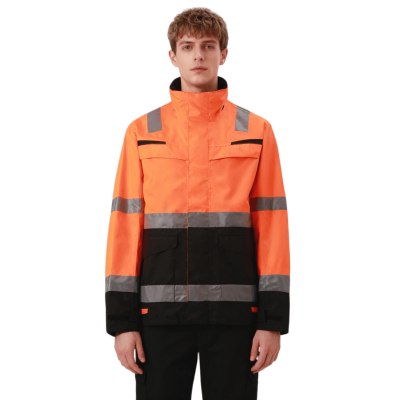
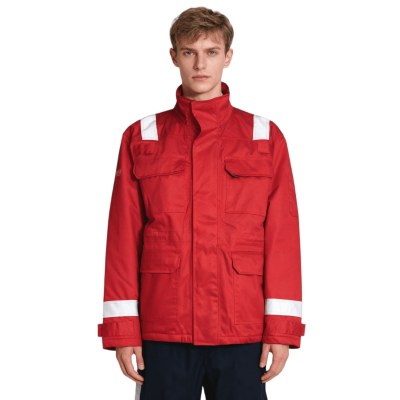
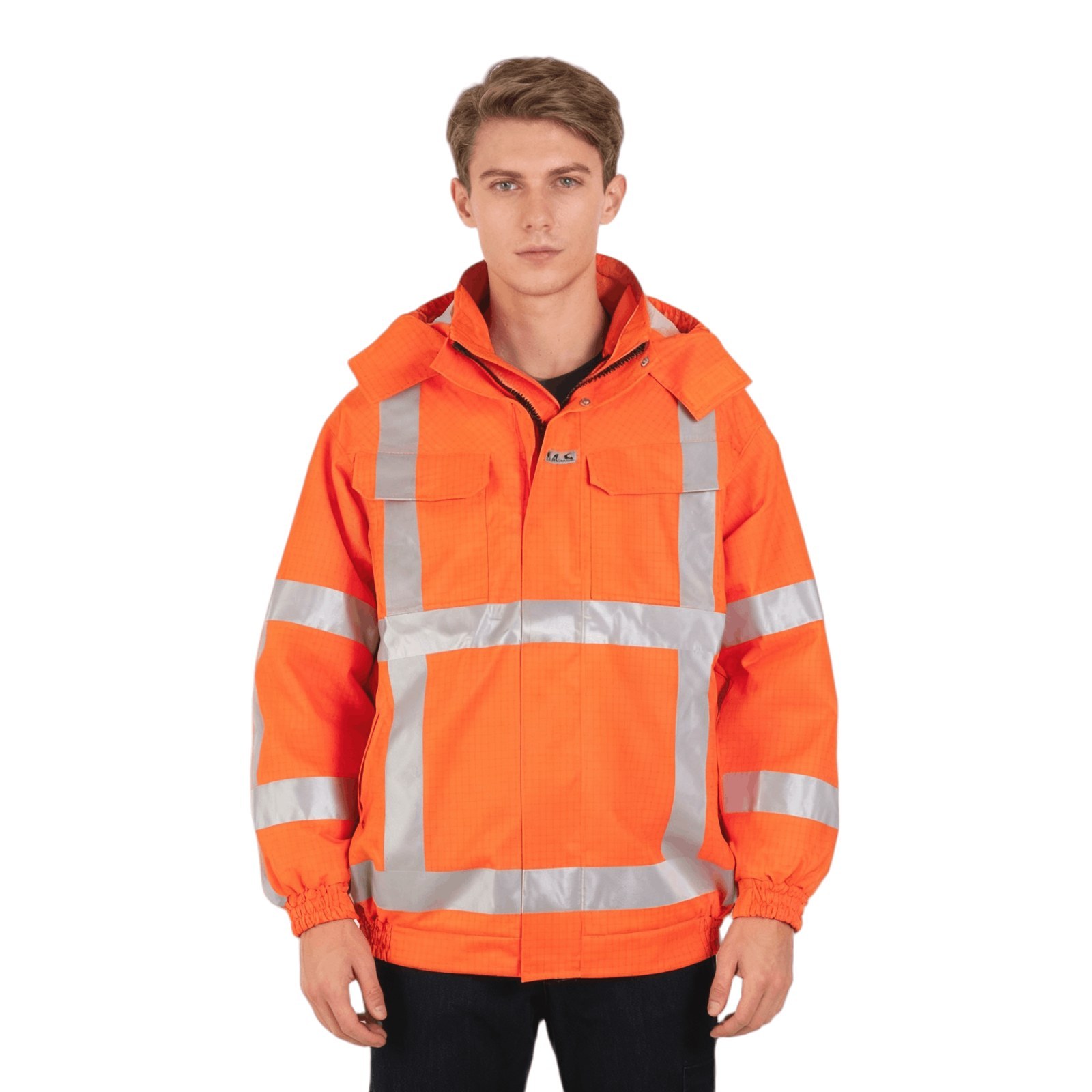
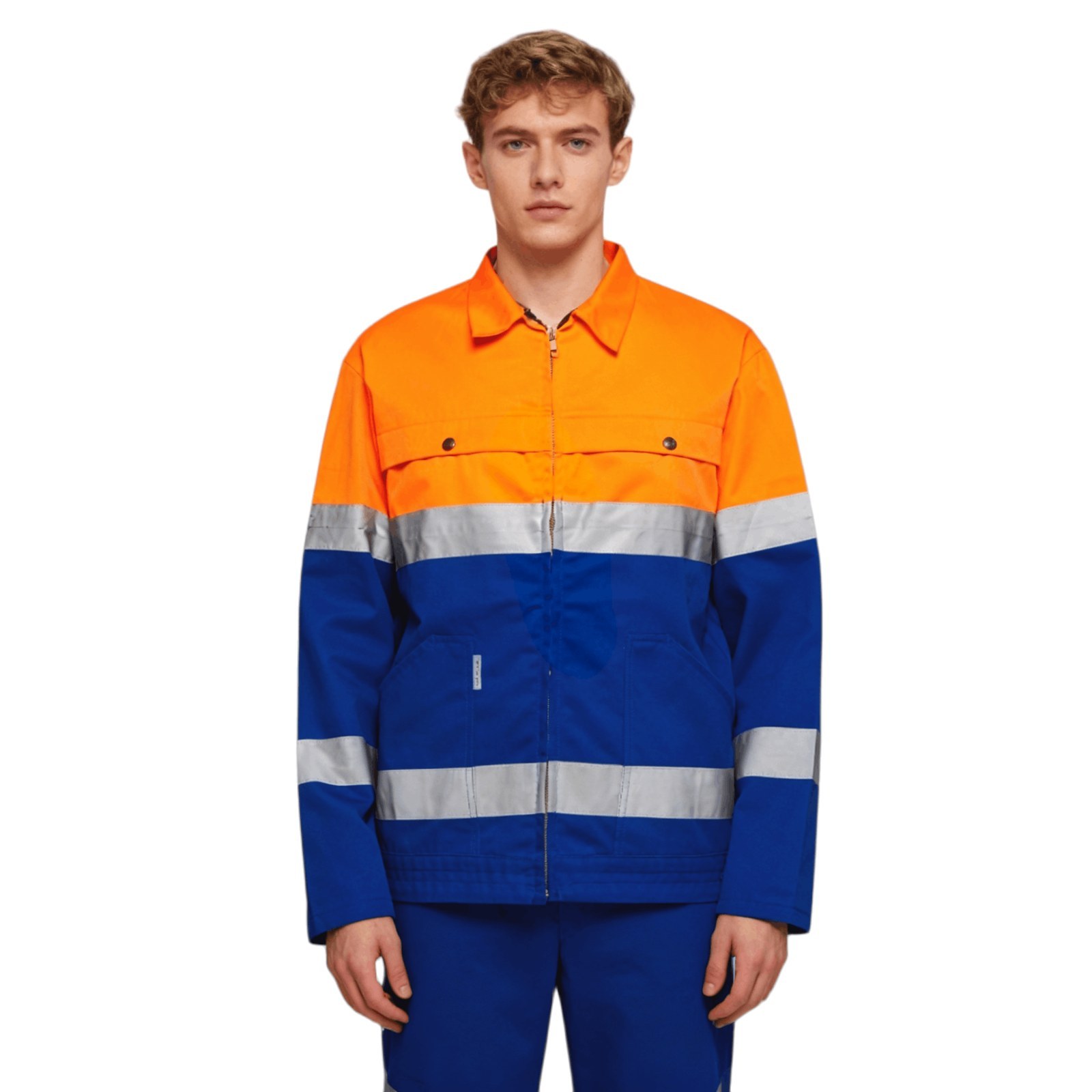
The standard that governs heat and flame protective clothing in Europe is EN ISO 11612, which uses letter-coded performance indices. A specification that says 'flame retardant' without a code set is not a specification. For garments that also carry reflective tape, the two standards must be satisfied by the same garment, and the tape itself must retain performance after laundering.
Anti-Static Treatment: Where Electric Charge Becomes a Hazard
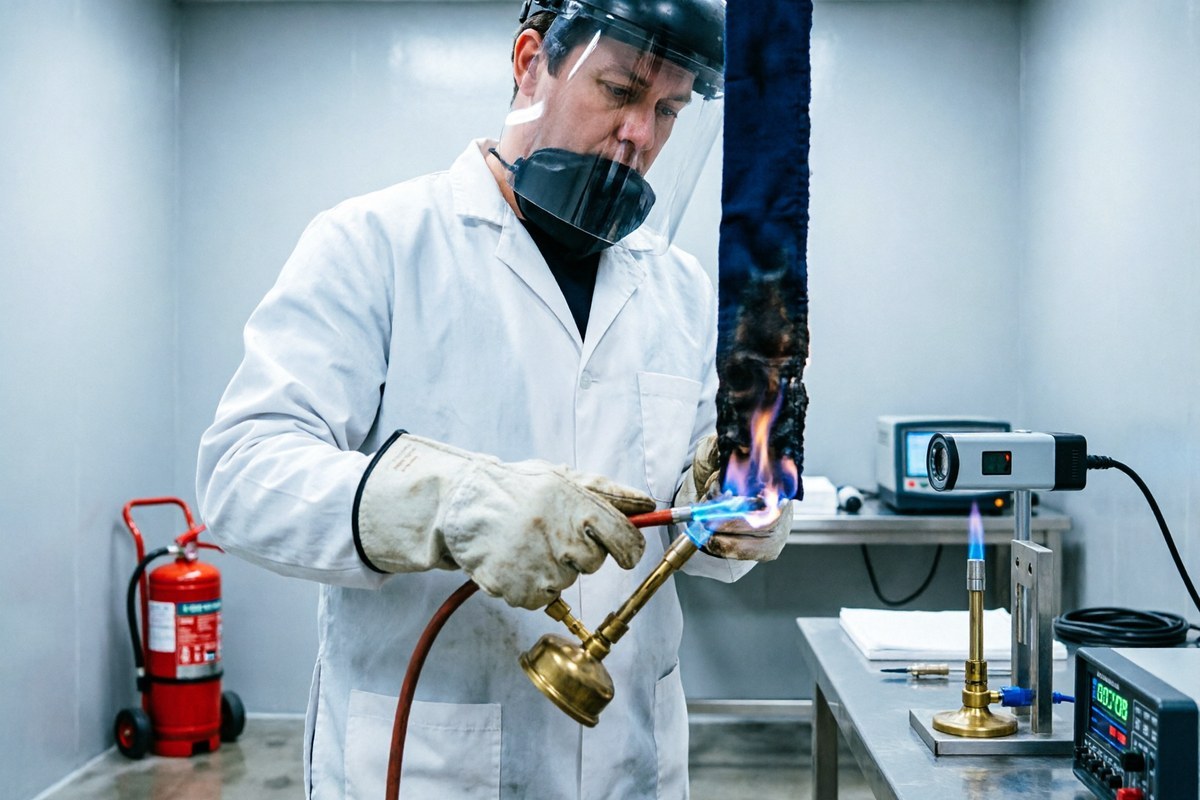
Anti-static, or conductive, workwear matters where a static discharge could ignite a flammable atmosphere or damage sensitive electronics. The effect is achieved either by weaving conductive yarns into the fabric at intervals or by applying a conductive finish. Woven conductive yarns are more durable but add cost and constrain fabric design; finishes are cheaper but lose performance with washing and abrasion.
For protective clothing placed on the EU market, anti-static garments usually fall within the personal protective equipment framework of Regulation (EU) 2016/425, which requires a technical file supporting the claim. That means the buyer should hold a test report tied to the specific fabric batch, not a generic certificate for the fabric family.
How the Three Chemistries Interact
Finishing is a system, and the three treatments above can work against each other. This is the part of specification that separates experienced buyers from optimistic ones.
FR plus DWR can fight
Some FR finishes interact with water repellent chemistry and reduce both performance levels. The combination must be tested as a finished system, not assumed from two separate approvals.
Anti-static finishes and laundering
A conductive finish designed for twenty washes is a false economy on a garment laundered weekly for three years. Specify by wash cycle count, not by presence of treatment.
Softening agents reduce protection
A softener added for hand feel can mask or reduce FR and static performance. Ask what the finish recipe contains, not only what the fabric claims to achieve.
Reflective tape compatibility
The tape's adhesive and the face fabric's finish interact. Tape that peels is usually a finishing compatibility problem, not a tape problem.
The Documentation to Demand Per Batch
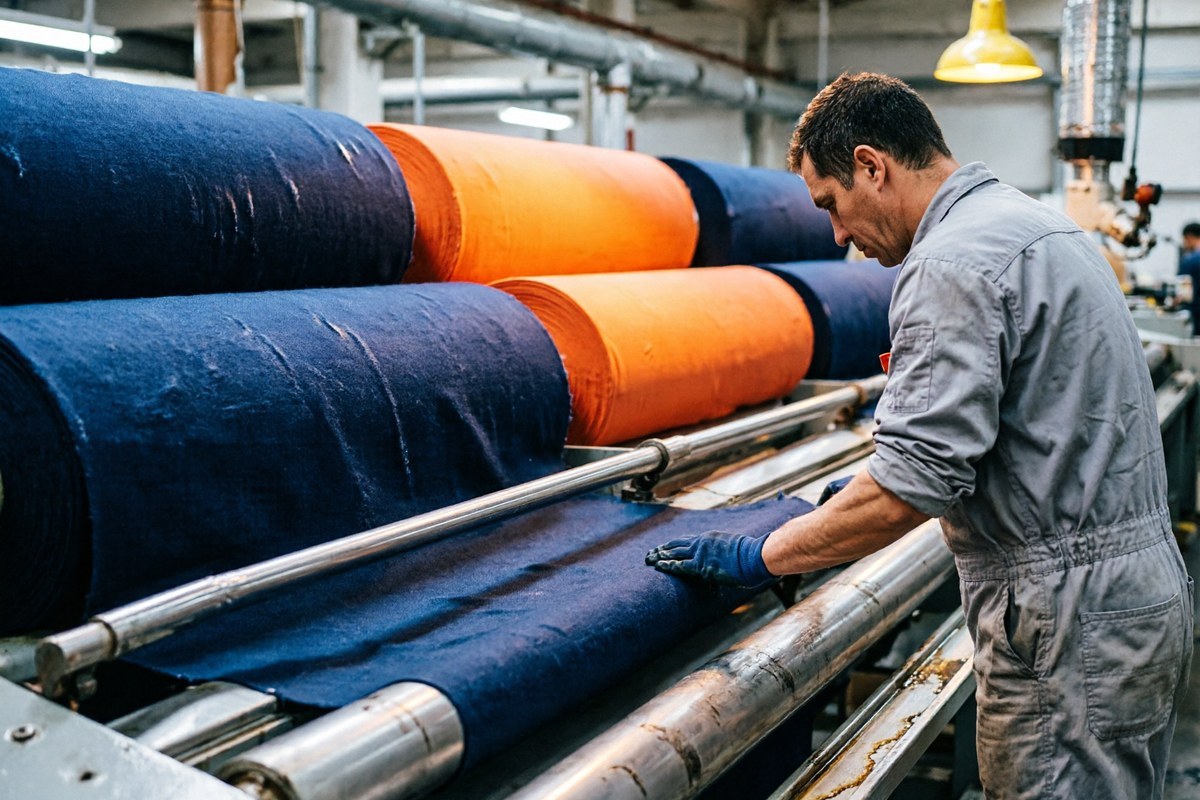
- 1. Mill declaration. Fibre composition, weight, construction and the finish recipe applied, signed by the mill for that specific batch.
- 2. Chemical input approval. Evidence that the finish chemistry itself is approved, for example through an input-level system such as bluesign.
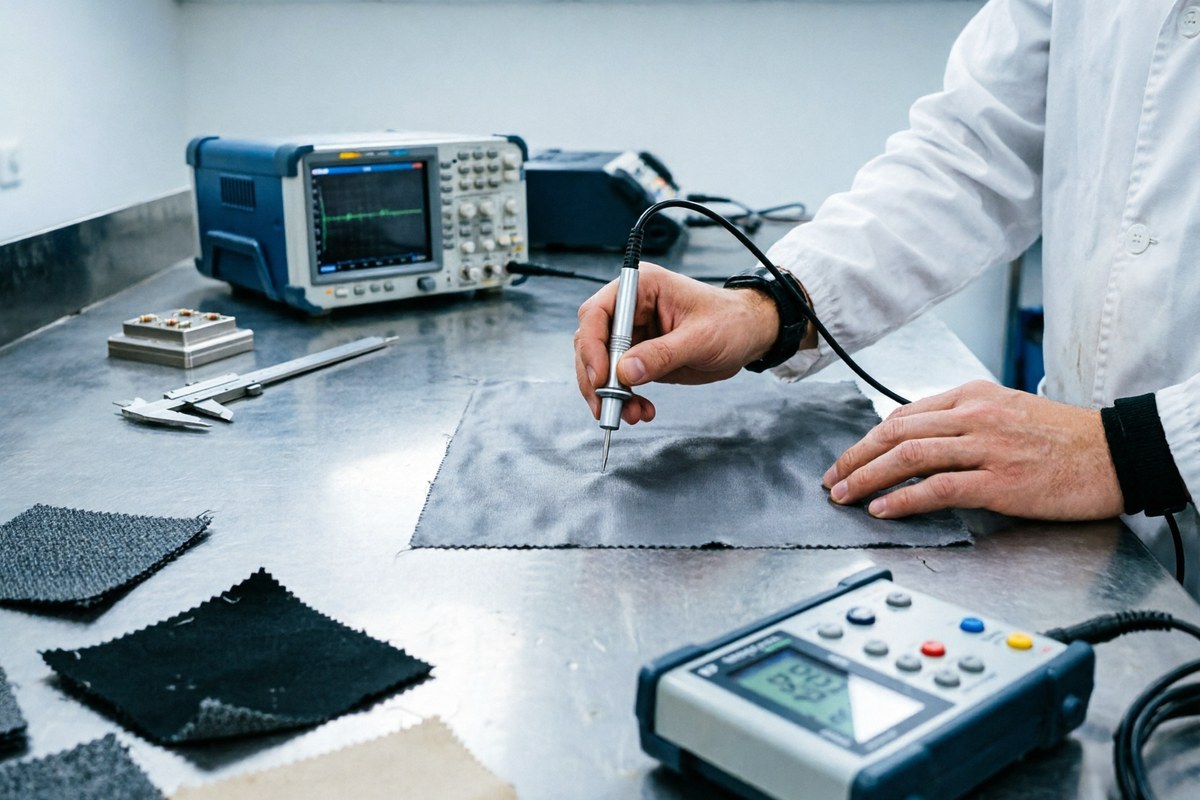
- 3. Performance test report. Results for the relevant standard, tested on the finished fabric at the specified wash cycle, dated and traceable to the batch.
- 4. Restricted substance test. Finished-garment or fabric testing against restricted substance lists, refreshed rather than recycled from a previous season.
- 5. Wash durability statement. The number of industrial wash cycles at which the finish still passes, with the test method named.
- 6. Third-party verification. Where the programme is high-risk, an independent laboratory report from a provider such as Intertek closes the loop between the mill's claim and the delivered garment.
Where UniOuter Fits
We manufacture workwear across the three finishing routes described here, with PFAS-free water repellency as the default on repellent styles, flame retardant options in inherent and blended constructions, and anti-static treatments specified by wash cycle. Finishing chemistry is documented per batch, and we can supply the mill declarations and test reports with each shipment so the file exists before an inspector asks for it. Send your specification through our inquiry page and we will return a finishing recommendation with the test scope attached.
Shop Performance Workwear Fabric & Garments

Frequently Asked Questions
It can, depending on the specific recipes. Some fluorine-free repellents interfere with FR finishes and reduce both performance levels. The only reliable answer is to test the combination as a finished system rather than assuming two separate approvals add up.
Inherent FR fibres keep performance for the garment's life and suit high-risk, long-service roles. Treated FR finishes are cheaper and suit lower-risk programmes, but performance degrades with laundering, so they need defined re-test intervals and careful laundry control.
Specify by wash cycle count rather than by presence of treatment. A conductive finish rated for twenty washes will not protect a garment laundered weekly for three years. Woven conductive yarns are the more durable option where the garment has a long service life.
A batch-specific mill declaration covering composition, weight and finish recipe, input-level chemical approval, a performance test report for the relevant standard at the specified wash cycle, restricted substance testing, and a wash durability statement naming the test method.