Industrial Work Uniforms: Choosing the Right Fabric
Why Fabric Matters in Industrial Workwear
Fabric selection lies at the core of industrial workwear design. The right material doesn’t just determine comfort—it directly impacts safety, durability, productivity, and total cost of ownership. In fact, industry data shows that workwear fabrics with enhanced performance features can reduce uniform replacement rates by up to 40% compared to traditional cotton blends, lowering long-term costs for businesses. (Source: Workwear Industry Insights 2025)
Moreover, the global industrial workwear market is projected to grow from roughly USD 30 billion in 2024 to over USD 39 billion by 2032 (a CAGR of 3.5–5%)—driven by increasing safety regulations, brand identity requirements, and demand for functional uniforms across manufacturing, logistics, construction, and service sectors. (Market Forecast Report, 2024–2032)
This means workwear fabric choices no longer play a peripheral role. They are a strategic decision influencing both employee performance and corporate efficiency.

Key Fabric Types and Their Industrial Performance
1. Cotton / Cotton Blends
Cotton has long been a baseline standard in work uniforms due to its comfort and breathability. However, pure cotton has limitations—especially in demanding industrial environments:
Moisture retention leads to discomfort during high-heat operations
Lower abrasion resistance increases wear and tear
Frequent laundering accelerates fabric deterioration
Cotton blends—such as cotton/polyester mixes—help improve durability and wrinkle resistance. According to workwear studies, cotton/poly blends can outperform pure cotton fabrics by up to 30% in tensile strength and abrasion resistance, extending garment lifecycle. (Source: Textile Performance Review 2024)
Nevertheless, when performance and protective features are priorities—such as flame resistance or chemical exposure—pure cotton blends are often insufficient.
2. Polyester and Synthetic Blends
Polyester and other synthetic fabrics have become staples in industrial workwear due to their performance advantages:
High abrasion resistance and shape retention
Quick drying and improved moisture management
Dimensional stability through frequent usage and washing
Industry data reflects this technological shift: more than 55% of advanced industrial work uniforms now incorporate polyester/cotton or polyester/elastane blends, balancing comfort with rugged wear characteristics. (Textile Industry Performance Report 2025)
Synthetic fabrics also provide a strong platform for coating and laminating special performance finishes (e.g., flame retardant, anti-static, and high-visibility applications), helping meet strict industry safety standards.
3. Flame-Resistant (FR) Fabrics
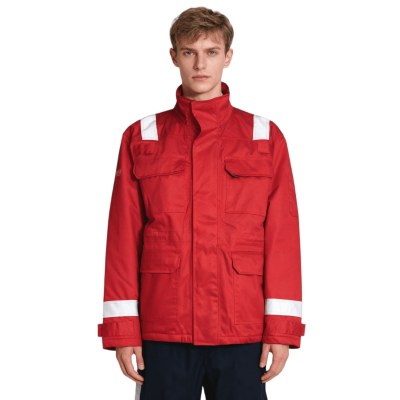
In environments where thermal hazards exist—such as welding, heavy fabrication, or oil & gas—flame resistance is paramount. FR fabrics are engineered to self-extinguish and resist heat transfer, significantly mitigating burn risks.
The global flame-resistant workwear market is expected to grow at a CAGR exceeding 6% through 2031, reflecting both regulatory pressure and employer commitment to worker safety. (Industrial Safety Market Analytics 2025)
Popular FR materials include:
Aramid fibers (e.g., Nomex®, Kevlar®)
FR-treated cotton blends
Modacrylic combinations
Compared to untreated fabrics, FR materials can reduce burn severity in hazardous exposures by over 90%, based on industry safety performance tests. (FR Fabric Performance Testing 2024)
4. High-Visibility Performance Fabrics
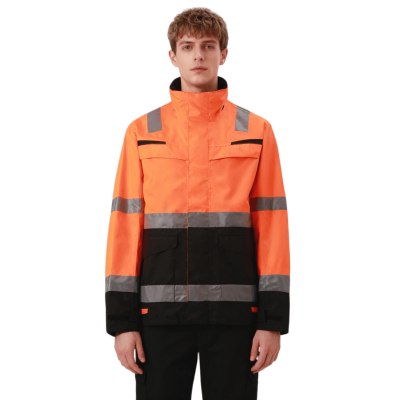
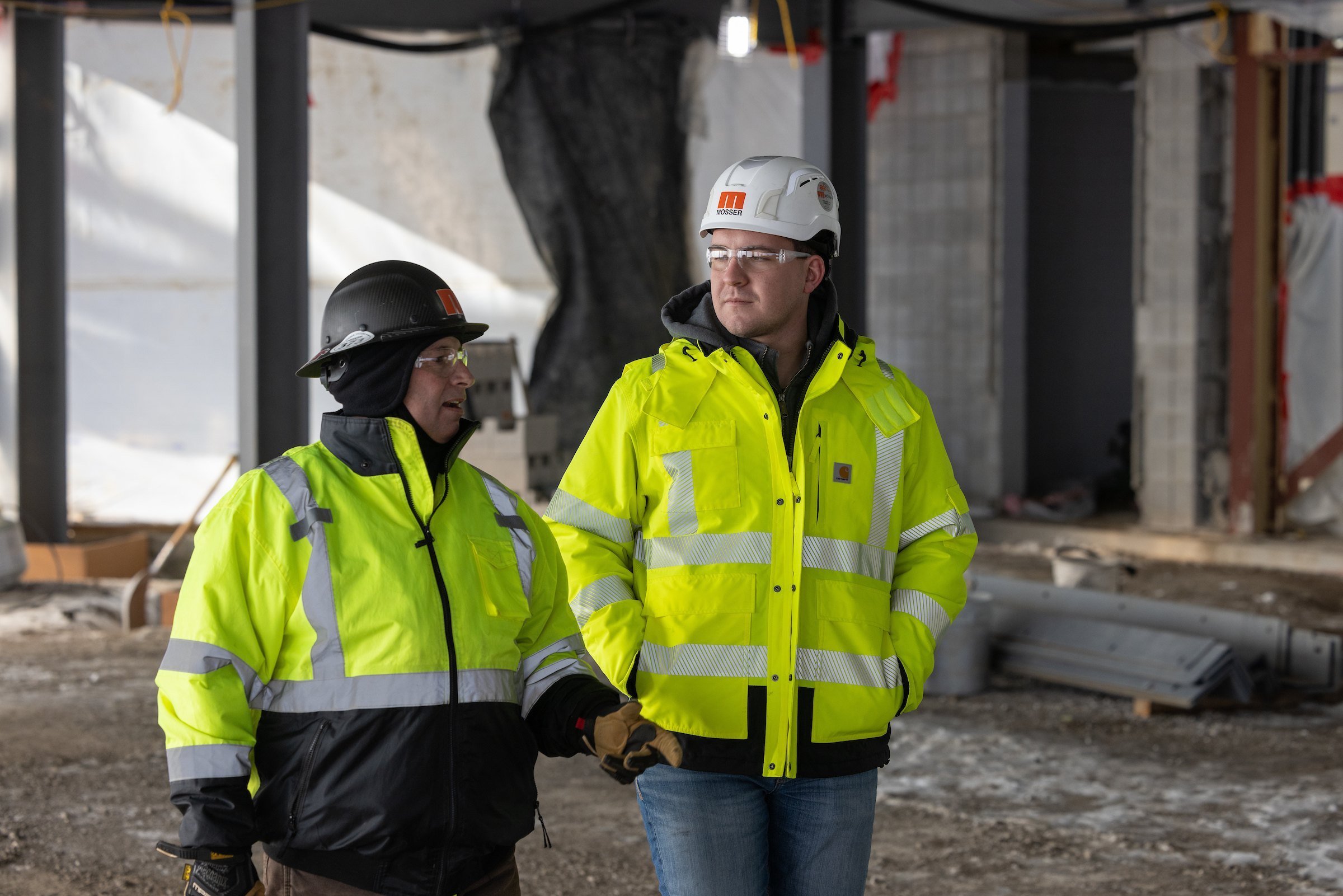
In sectors such as construction, logistics, and public safety, visibility can be a life-saving feature. High-visibility fabrics—often in fluorescent colors combined with reflective strips—maximize worker exposure in low-light conditions.
Industry safety guidelines (such as ANSI/ISEA 107 in the U.S.) recommend high-visibility garments for workers operating near heavy equipment or road traffic. Studies show high-visibility uniforms reduce workplace incidents by up to 25% in relevant contexts. (Workplace Safety Journal 2024)
Performance Finishes and Functional Enhancements
Beyond base fabric choices, performance finishes further optimize work uniforms for demanding conditions.
Moisture-Wicking & Breathability
Moisture management reduces heat stress and improves comfort. Fabrics engineered with wicking properties draw sweat away from the body, speeding evaporation and lowering perceived temperature.
Research shows that wicking fabrics can improve worker comfort ratings by up to 45% during high-activity tasks, compared to untreated cotton fabrics. (Occupational Ergonomics Review 2025)
Anti-Static and Oil/Fluid Repellent Finishes
In industries handling electronics or fluids, anti-static and repellent finishes help reduce static build-up and surface contamination. In controlled trials, repellent finishes reduced oil penetration into workwear by over 60%, significantly reducing staining and extending garment life. (Textile Coating Efficacy Report 2024)
Odor Control Technologies
Industrial environments often require full-day wear of uniforms. Anti-microbial and odor control treatments—which can reduce odor intensity by up to 70% over traditional fabrics—are increasingly expected in modern workwear design. (Workwear Comfort Research 2024)
Matching Fabric to Industry Requirements
Construction & Heavy Industry
Durability and abrasion resistance are essential. Fabrics with high mechanical strength and reinforced stitching are required to withstand rigorous daily wear. For construction uniforms specifically, fabrics with above 300+ Martindale abrasion cycles are preferred to provide long-term resilience. (Textile Testing Standards 2024)
Manufacturing & Assembly Lines
Breathability and comfort during repetitive tasks can reduce fatigue. Polyester blends with moisture-management finishes help workers maintain comfort in temperature-varied environments.
Oil, Gas, and Chemical Handling
Safety standards in hazardous environments necessitate flame resistance, anti-static behavior, and chemical repellency. FR and performance laminate fabrics are industry standards—not optional upgrades—especially where regulatory compliance is mandatory.
Cost-Benefit Considerations: Lifecycle Value vs. MSRP
Selecting the right fabric involves understanding not just initial garment cost, but total cost of ownership (TCO).
Traditional cotton uniforms may have lower upfront costs but higher turnover rates, leading to more frequent replacements.
Performance fabrics, while costing 10–25% more upfront, can result in 30–50% longer garment lifecycles, ultimately reducing procurement and replacement expenses.
This means investing in performance fabrics often yields savings over the uniform’s life—and improves employee comfort and safety.
How UniOuter Helps Brands Choose the Right Fabric
As a professional industrial apparel manufacturer with over 20 years of expertise, UniOuter provides:
Customized fabric recommendations based on working conditions, regulatory standards, and brand priorities
Performance testing coordination aligned with international safety benchmarks
Small-batch to large-scale production capabilities without compromising quality
Material sourcing strategies that balance performance, sustainability, and cost
With industry demand for functional uniforms growing steadily, partnering with a knowledgeable manufacturer ensures brands make data-backed decisions—not guesses.
Durable, safe, and comfortable, specially designed for construction and industrial work
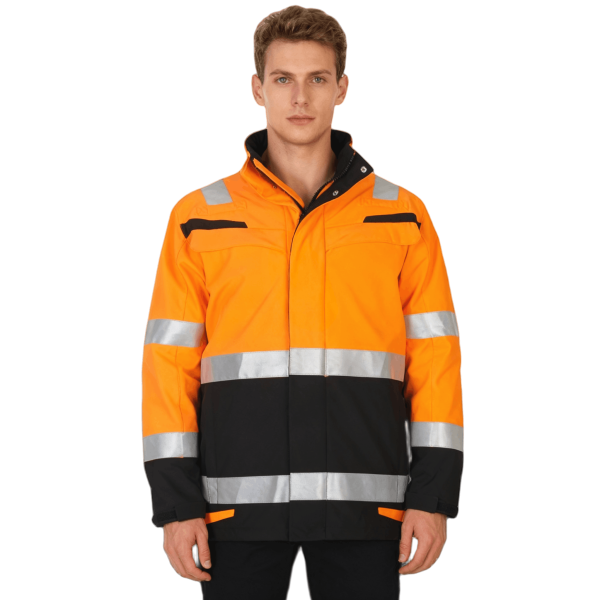
Non-metal, flame-retardant Hi-Vis winter jacket with taped seams, quilted lining. Wind and waterproof (EN 343).
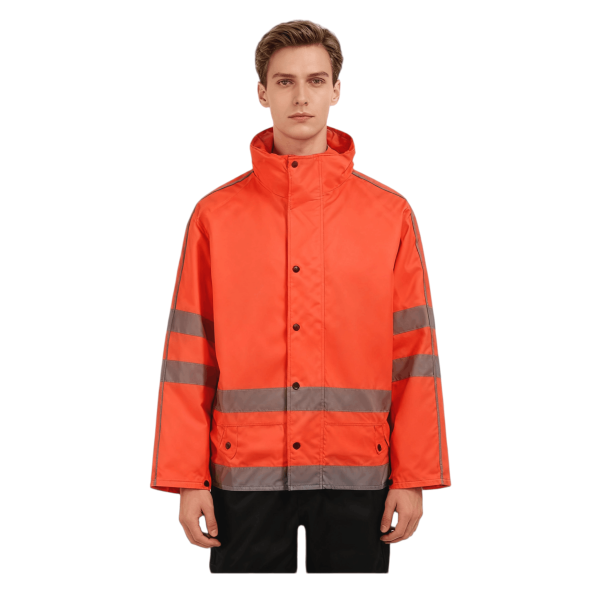
Durable, safe, and comfortable, specially designed for construction and industrial work
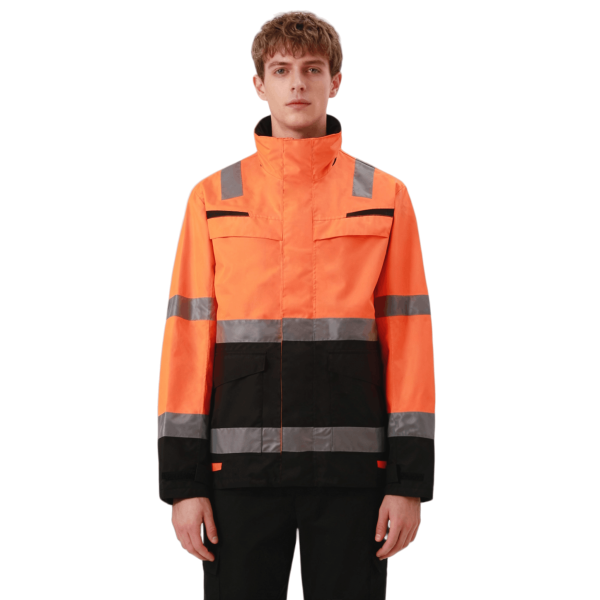
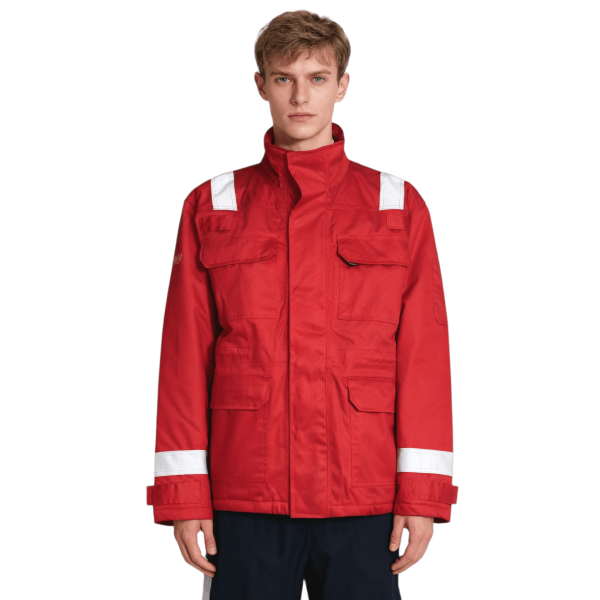
Inherent Flame Retardant Hi-Vis Winter Jacket with removable hood, fiberfur lining in body and quilted lining in sleeves.
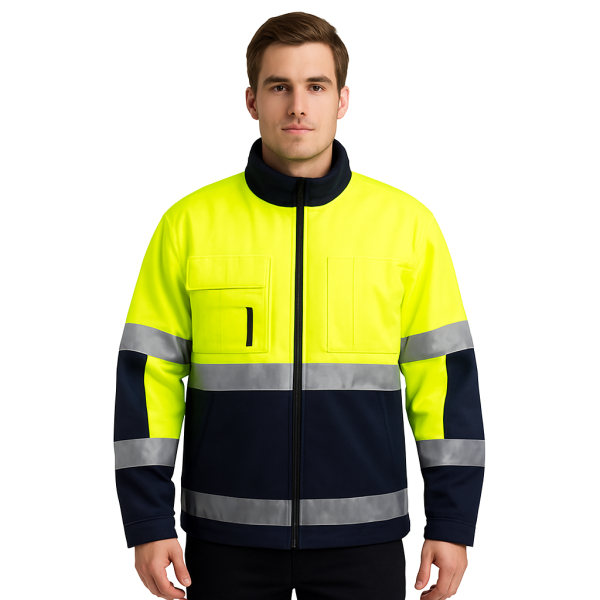
Hi-vis, waterproof rain coat with pockets for cold weather. Class 3, yellow-black. Safety and visibility ensured.
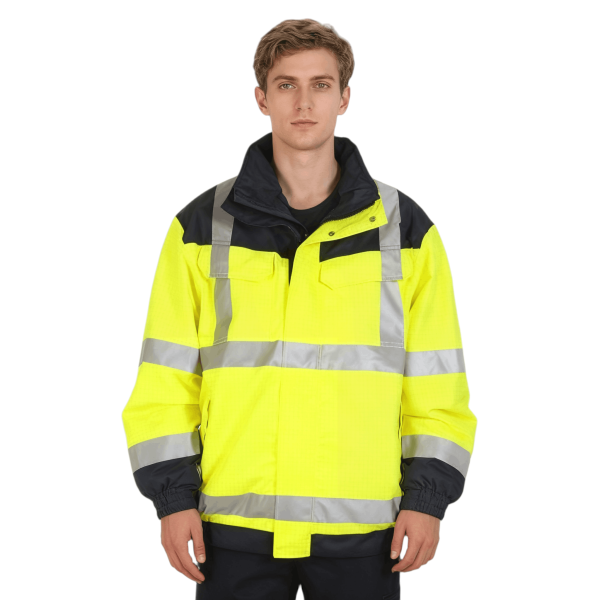
Hi-vis reflective, waterproof Class 3 safety jacket with pockets. Ideal for cold weather construction work.
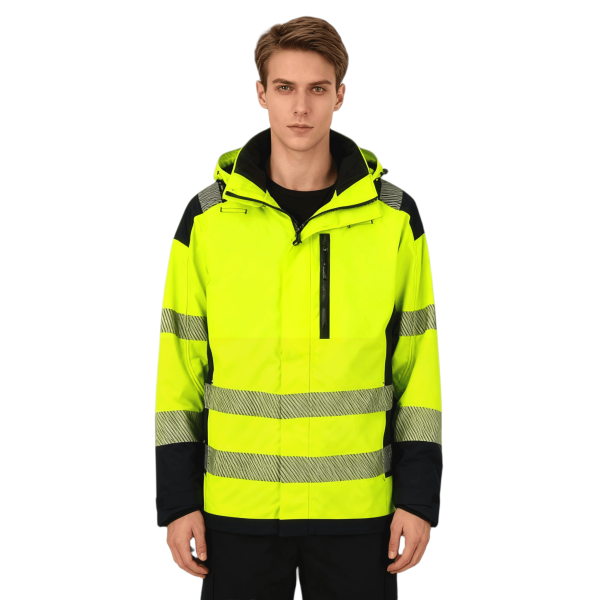
This insulated hood jacket offers antistatic properties and high arc protection for heat, flame, and electric arc safety.
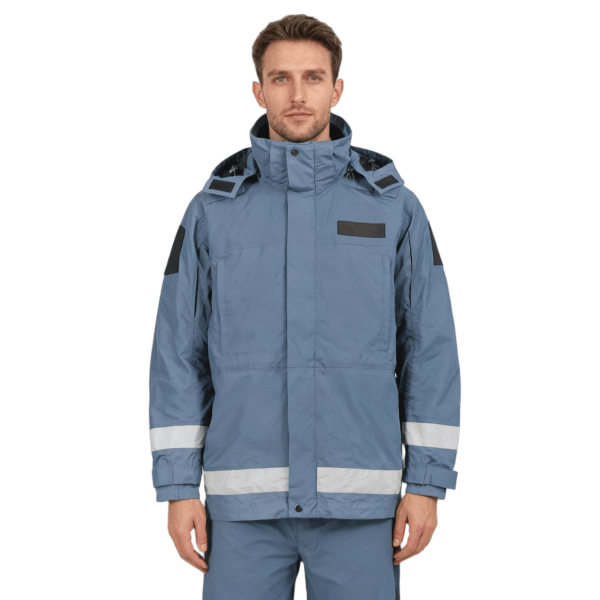
Reflective Waterproof Emergency Jacket – High Visibility and All-Weather Protection, Designed for Outdoor Work.
Conclusion
Choosing the right fabric for industrial work uniforms isn’t just a procurement decision—it’s a strategic investment.
The wrong fabric leads to worker discomfort, safety issues, rising costs, and brand damage. The right fabric improves performance, compliance, and morale.
So the real question isn’t “Which fabric is cheapest?”
It’s “Which fabric keeps your people safe and productive?”
At UniOuter, we help you answer that question with data, experience, and tailored solutions. Because uniforms should work as hard as the people wearing them.
FAQs
1. What is the most durable fabric for industrial work uniforms?
Polyester blends with reinforced stitching typically offer the best balance of durability and cost efficiency, especially in high-movement industries.
2. How do I know if my uniform fabric meets safety standards?
Work with manufacturers that conduct standardized testing for flame resistance, abrasion, and visibility. Always request certification documentation.
3. Is sustainable fabric strong enough for industrial use?
Yes. Modern recycled polyester and hybrid eco-fabrics can match traditional materials in strength while reducing environmental impact.