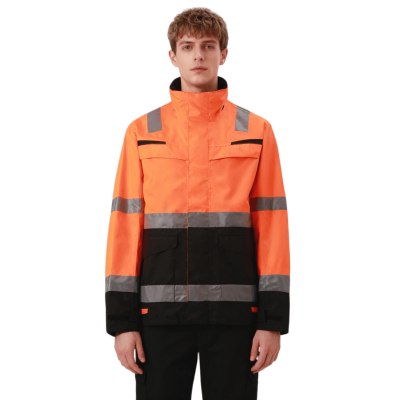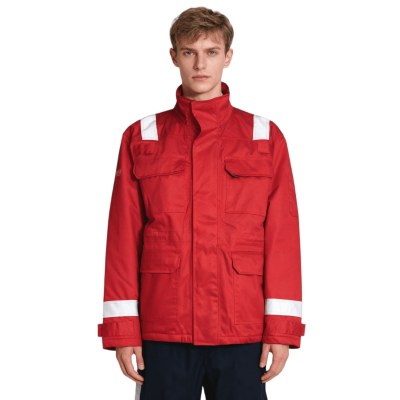
How to Start Your Own Outdoor Clothing Brand: Complete OEM/ODM Guide (2026 Edition)
Why Launch an Outdoor Clothing Brand in 2026
The global outdoor apparel market is projected to reach $28.7 billion by 2028, driven by rising participation in hiking, camping, and urban outdoor activities. For entrepreneurs and established retailers alike, launching a private-label outdoor clothing line represents one of the most promising opportunities in the apparel industry. At UniOuter, we've helped dozens of emerging brands navigate every stage of this journey — from initial concept to bulk production. But the path from concept to finished product is rarely straightforward.
What separates successful outdoor apparel brands from those that stall at the sampling stage often comes down to one factor: finding the right manufacturing partner. If you're ready to explore outdoor jacket OEM manufacturing options, understanding the full development process will save you months of trial and error. For a structured sourcing framework, refer to our complete purchasing guide. This guide walks you through the complete journey — from defining your brand identity to receiving your first production batch.
Key Takeaway: The outdoor apparel OEM/ODM landscape has shifted significantly since 2023. Brands that succeed in 2026 are those that prioritize technical fabric expertise, sustainability compliance, and flexible MOQ partnerships over chasing the lowest per-unit price. Learn more about fabric specifications in our GSM fabric weight guide.
Define Your Brand & Product Positioning
Before contacting a single factory, you need a clear picture of what you're building. This isn't just about choosing a logo — it's about defining the space your brand will occupy and the technical performance your products must deliver.
The outdoor apparel category is broad. Narrowing your focus early gives you a clearer product roadmap and makes supplier conversations far more productive:
| Niche | Target Customer | Typical MOQ Sweet Spot |
|---|---|---|
| Technical Hiking | Serious hikers, mountaineering enthusiasts | 300-500 pcs per style |
| Urban Outdoor (Gorpcore) | City commuters, style-conscious consumers | 200-400 pcs per style |
| Performance Workwear | Construction, logistics, outdoor professionals | 500-1,000 pcs per style |
| Sustainable / Eco-Friendly | Environmentally conscious consumers, EU importers | 300-500 pcs per style |
Outdoor clothing isn't fashion apparel — it's functional gear. Your product spec should answer these questions before design work begins:
- Waterproof rating: 5,000mm for light rain, 10,000mm for moderate conditions, 20,000mm+ for extreme weather
- Breathability (MVTR): 5,000 g/m²/24h for casual use, 10,000+ for active hiking
- Fabric weight (GSM): 100-150gsm for ultralight shells, 200-300gsm for 3-season jackets, 300+gsm for insulated winter pieces. See our complete GSM guide for detailed recommendations.
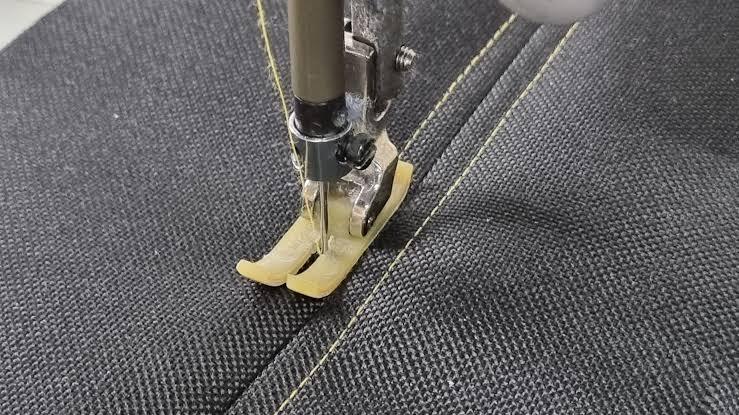
- Seam construction: Fully taped for waterproof shells, flatlock for base layers, reinforced for high-stress points
- Zipper quality: YKK or SBS — this single decision affects durability perception dramatically. Our custom OEM design team can advise on component selection for your specific use case.
- Sustainability certifications: GRS, OEKO-TEX, bluesign — increasingly non-negotiable for EU/US retail. Read our GRS certification guide to understand requirements.
Design Your Tech Pack & Find the Right Manufacturing Partner
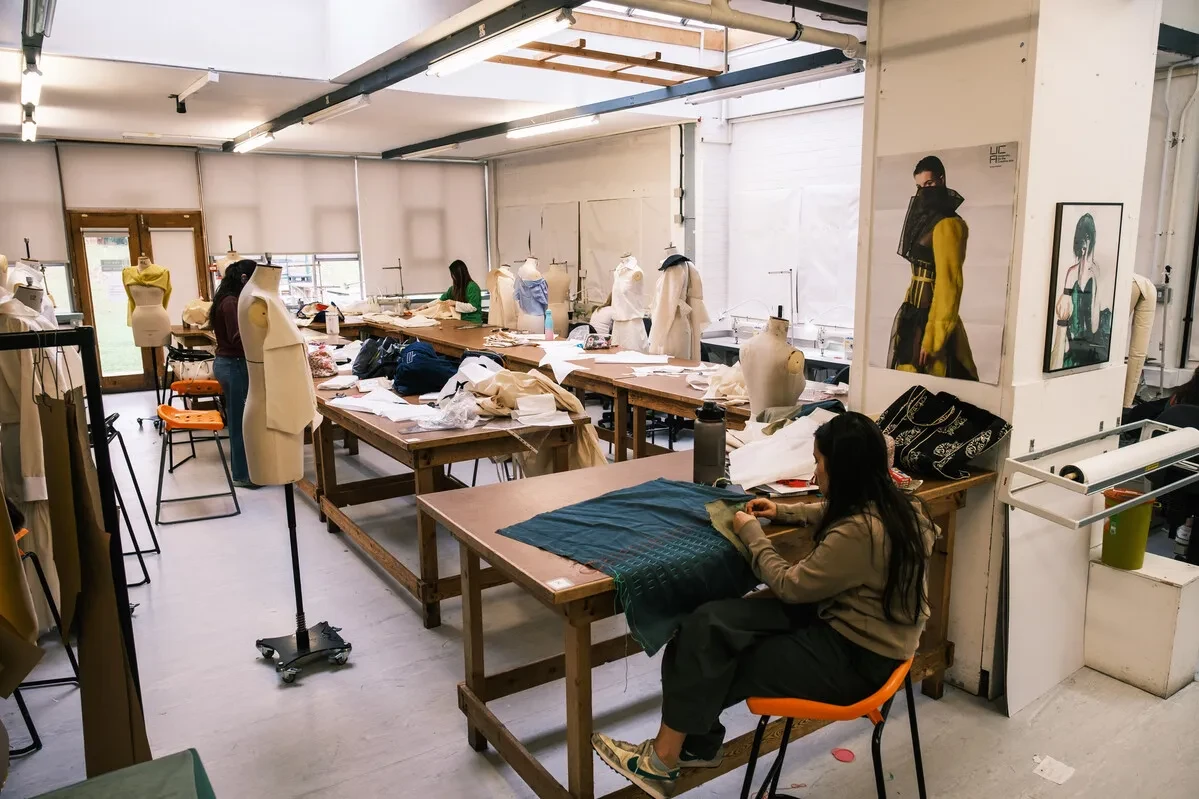
A tech pack (technical package) is the single most important document you'll create. It's the blueprint that factories use to quote, sample, and produce your garments. Without a detailed tech pack, you're essentially asking factories to guess — and guessing leads to expensive sampling rounds.
- Front and back technical sketches (CAD)
- Colorways with Pantone color codes
- Size chart with measurement tolerances
- Logo placement and branding guidelines
- Stitching details and seam types
- Main fabric with composition and GSM
- Lining fabric specifications
- Zipper brand and type (YKK #5, SBS #8, etc.)
- Drawcord, toggle, and elastic specs
- Care label and hangtag requirements
If you don't have in-house design capability, many OEM manufacturers offer ODM design support: you share your concept and their design team develops the full tech pack. Contact our team to discuss your product concept and get professional design assistance. Learn more about UniOuter's 19+ years of OEM expertise and why brands trust us with their development.
| Evaluation Point | What to Look For | Red Flag |
|---|---|---|
| Specialization | Dedicated outdoor/technical outerwear lines | Produces everything from T-shirts to formalwear |
| Certifications | BSCI, GRS, OEKO-TEX, ISO 9001 | Cannot provide valid audit reports |
| MOQ Flexibility | 300-500 pcs per style for startups | Insists on 3,000+ pcs minimum |
| Sample Timeline | 7-14 days for first sample | Vague or "it depends" on timeline |
| Communication | Dedicated English-speaking account manager | Only communicates via WeChat with no formal email |
Sampling, Production & Quality Control
The sampling phase typically involves 2-3 rounds before you reach a production-ready sample. Here's what to expect:
Initial construction to verify pattern, fit, and overall look. Expect fit adjustments.
Production-intent sample in correct fabric and color. Used for buyer presentations.
Pre-production sample signed off as the gold standard for bulk production QC.
Timeline Reality Check: From first factory contact to receiving your first bulk order typically takes 60-90 days for a new development: tech pack finalization (1-2 weeks), proto sampling (2-3 weeks), revision rounds (2-3 weeks), salesman sample (2-3 weeks), and bulk production (4-5 weeks). Build this buffer into your launch calendar.
Once your PP sample is approved, production begins. The most effective approach is a three-stage QC process: inline inspection at 20-30% completion to catch systemic issues early, Final Random Inspection (AQL 2.5) at 80%+ completion covering measurements and functional tests, and pre-shipment loading supervision for multi-warehouse shipments. For a deeper dive into quality control and factory vetting, see our China sourcing guide.
Common Mistakes to Avoid & Your 90-Day Launch Roadmap
Sending a photo and a rough sketch and expecting an accurate sample is the #1 cause of failed first rounds. Always provide measurements, material specs, and construction details.
The factory with the lowest FOB quote rarely delivers the best value. Factor in sample accuracy rate, communication quality, and on-time delivery track record.
EU buyers increasingly require GRS, OEKO-TEX, and REACH compliance as table stakes. Read our GRS certification guide and build certification into your vetting from day one. Not sure where to start? Send us an inquiry and we'll help you assess which certifications matter for your target market.
Expecting delivery in 4 weeks from first contact is a recipe for disappointment. Plan 60-90 days and communicate your timeline openly with your manufacturer.
- Week 1-2: Finalize brand positioning, target niche, and 3-4 product concepts
- Week 3-4: Develop detailed tech packs (or engage ODM design support)
- Week 5-6: Vet 2-3 manufacturers; request quotes and compare against the evaluation criteria above
- Week 7-10: Proto sample round, fit revisions, and salesman sample finalization
- Week 11-12: PP sample sign-off, production placement, and QC scheduling
- Week 13: Final inspection and shipping arrangements
The outdoor apparel industry rewards brands that invest in technical quality, manufacturing partnerships, and supply chain transparency. Ready to start? Get in touch with our team to discuss your brand vision and get a customized OEM/ODM proposal.
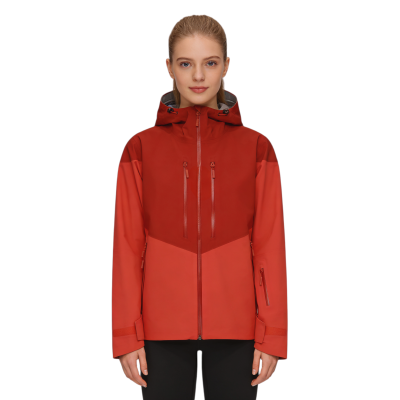
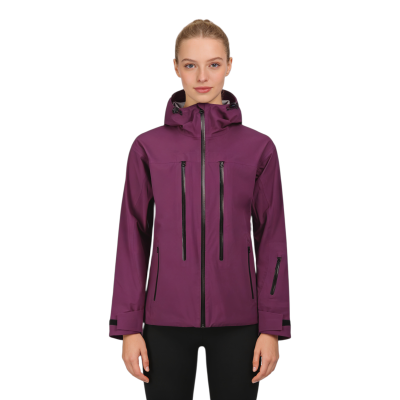
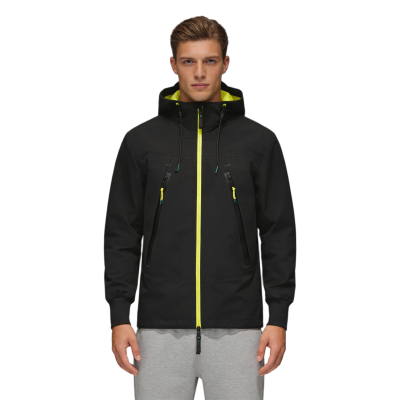
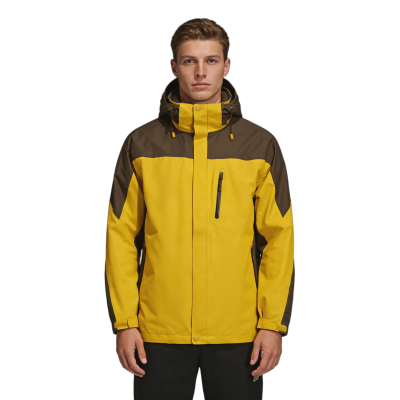
Shop Outdoor Hiking Jackets
Frequently Asked Questions
For a first collection with 3-4 styles at 300-500 pcs each, expect to invest $8,000-$15,000 in product development and first production run (excluding branding, marketing, and website costs). This includes: tech pack development, sampling rounds, lab testing for waterproof/breathability ratings, and bulk production FOB costs.
Work with NDA-protected relationships from the first inquiry. Reputable manufacturers will sign mutual NDAs as standard practice. Additionally, use watermarked tech packs during initial factory introductions and only share complete specifications after vetting credentials and client references.
Many successful brands launch with a single hero product — often a 3-in-1 jacket or a versatile softshell — and expand season by season. Starting focused lets you perfect one product, build customer feedback loops, and establish supply chain reliability before scaling. Most OEM partners with flexible MOQs (300-500 pcs) are happy to support single-style launches.
For selling into EU and North American markets in 2026, prioritize factories with: BSCI (social compliance audit), GRS (if using recycled materials), OEKO-TEX Standard 100 (chemical safety), and ISO 9001 (quality management). If your products make performance claims, ensure the factory has access to accredited lab testing for ISO 811 and ASTM E96 standards.