No PFAS, No Panic: How Outdoor Jacket Manufacturers Are Preparing for the 2026 EU Ban
The EU PFAS restriction is no longer a future headline. With the October 2026 enforcement window now visible on every procurement calendar, outdoor jacket manufacturers and the brands that rely on them are moving from awareness to action. If you are sourcing waterproof outerwear for the EU market, the question is no longer "What is PFAS?" but "Is my supply chain actually ready?"
At UniOuter, we have spent the past 18 months retooling our material library, auditing coatings and membranes, and validating PFAS-free alternatives that maintain the performance buyers expect. This article explains how responsible outdoor clothing manufacturers are preparing for the 2026 EU ban — and what importers should verify before placing their next order. For a deeper dive into the chemistry, read our companion guide: PFAS-Free Outdoor Gear Explained.
Why the October 2026 EU PFAS Deadline Is Non-Negotiable
The EU restriction targets per- and polyfluoroalkyl substances in consumer products entering the European market. For outdoor apparel, the highest-risk applications are durable water repellent (DWR) finishes and certain waterproof membranes. Once the restriction takes effect, any jacket, shell, or coat that exceeds the regulatory threshold cannot legally be sold in the EU.
The timeline matters because material transitions in outdoor apparel are slow. A brand that waits until September 2026 to act will likely miss the 2026–2027 selling season. Fabric mills need lead time. Coating lines must be flushed and requalified. Garment factories must update bills of materials and re-train QC teams. The manufacturers who are calm in October 2026 are the ones who started preparing now.
From a business standpoint, compliance is also a commercial signal. Retailers and distributors in Germany, France, the Netherlands, and the Nordics are already asking suppliers for PFAS-free declarations. Brands that can provide documented compliance will keep shelf space; those that cannot risk order cancellations, customs delays, and damage to brand reputation.

What the EU Restriction Actually Covers
Many buyers use "PFAS ban" as shorthand, but the regulation is more specific. It focuses on the use of PFAS in textile finishes and related components where measurable fluorine content can migrate or remain in the final product. For practical sourcing purposes, this means three layers of a typical waterproof jacket are under scrutiny.
- Outer fabric DWR: The surface treatment that makes water bead and roll off is historically the most common PFAS application in outdoor apparel.
- Waterproof membrane: Some legacy membranes and seam-sealing tapes rely on fluorinated chemistry for durable waterproof-breathable performance.
- Auxiliary components: Zipper coatings, thread finishes, and seam tape adhesives can also contribute to total fluorine load if not specified carefully.
It is important to distinguish between "PFAS-free" chemistry and a fully compliant garment. A membrane may be fluorine-free while the DWR on the face fabric still contains restricted compounds. Conversely, a jacket may pass a broad screening test but fail a component-level audit. The manufacturers best positioned for 2026 are those testing at the material level, not just the finished-garment level.
How Manufacturers Are Switching Chemistry
The transition away from PFAS is technically challenging because fluorinated chemistry delivered two things at once: water repellency and oil/dirt resistance. PFAS-free alternatives can match or exceed water repellency, but they often require more precise application and tighter quality control.
Most leading manufacturers are moving to one of three PFAS-free DWR approaches:
- Paraffin-based formulations — cost-effective and widely available, with acceptable water repellency for general outdoor use.
- Silicone-based finishes — offer a soft hand feel and good durability, though oil repellency is lower than legacy fluorocarbons.
- Bio-based or hybrid polymers — increasingly used for premium lines where brands want both performance and sustainability storytelling.
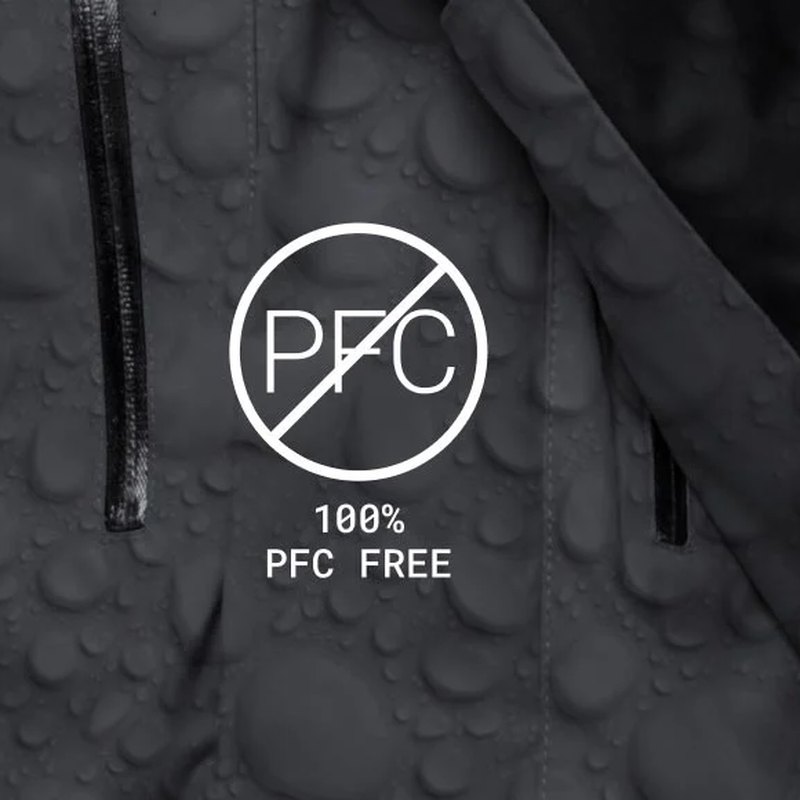
Beyond DWR, manufacturers are validating fluorine-free membranes such as expanded polyethylene (ePE) and advanced polyurethane laminates. These alternatives no longer carry the regulatory risk of ePTFE chemistry tied to fluorinated processing aids. At the same time, seam-sealing tapes and adhesives are being reformulated to avoid fluorinated primers that can trigger testing failures.
This transition is not a simple material swap. It requires requalification of coating recipes, wash-durability testing, and sometimes retooling of lamination lines. That is why the factories that will thrive post-ban are the ones treating this as a multi-quarter engineering project rather than a last-minute chemical substitution.
The Supplier Checklist Every Importer Needs
Whether you are working with an established brand or launching your first custom outdoor jacket, the following checkpoints should be part of every supplier conversation before October 2026.
- Request a PFAS declaration for every material lot. Do not accept a single generic certificate. DWR chemistry can change between fabric batches, and your compliance documentation must match the specific production run.
- Ask for third-party test reports aligned with EU methodology. Look for laboratories using recognized extraction and detection protocols for total organic fluorine and targeted PFAS analysis.
- Map every component, not just the shell fabric. Membranes, seam tapes, zippers, threads, and prints can all introduce fluorinated content. A complete bill of materials is essential.
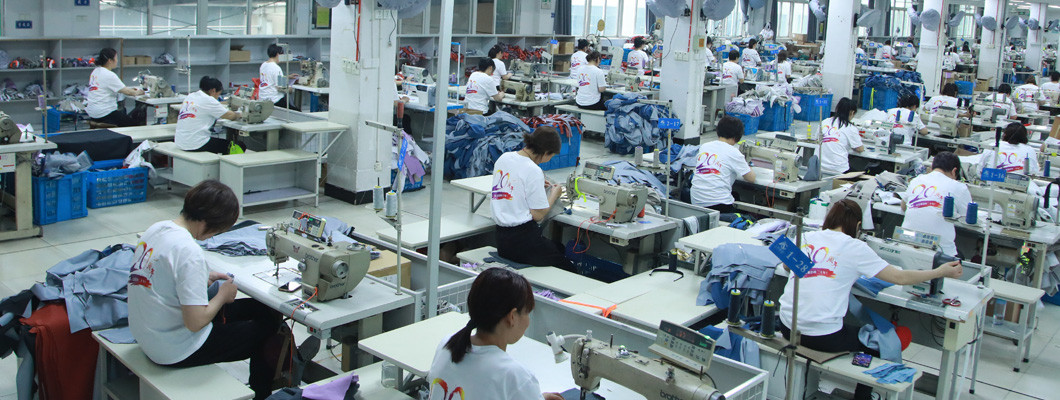
- Confirm traceability from mill to garment factory. The weakest link in PFAS compliance is usually a subcontracted coating line or undetected material substitution. Visit or audit the supply chain if possible.
- Lock alternative materials into your tech pack. Do not let the factory choose the DWR at the last minute. Specify the approved PFAS-free finish and designate an alternative if the primary option becomes unavailable.
If your current supplier cannot answer these questions clearly, that is a signal to evaluate additional partners. Our outdoor clothing purchasing guide walks through the full factory audit process, including how to assess chemical management systems.
What This Means for Your 2026–2027 Production Calendar
The PFAS countdown is not just a compliance issue; it is a scheduling issue. If you are planning a 2027 spring or autumn outdoor line, the decisions you make in the next 60 to 90 days will determine whether your products can enter the EU market.
Material lead times for PFAS-free fabrics are currently 30–60 days longer than conventional options because mills are running qualification batches and reallocating coating capacity. Brands that finalize fabric selections early will secure allocation. Those that delay may find preferred materials allocated to larger customers or priced at a premium.
Quality control also takes longer during a chemistry transition. First-production lots should include PFAS screening as a standard checkpoint, not an afterthought. Build an extra two to three weeks into your development calendar for re-testing if a component fails.
Finally, update your product claims. Terms like "PFAS-free" and "fluorine-free" have specific legal meanings in the EU and in individual member states. Work with your supplier to ensure labels, hangtags, and online copy are accurate and defensible. If you need help aligning your product catalog with the new requirements, our team can review specifications before production begins.
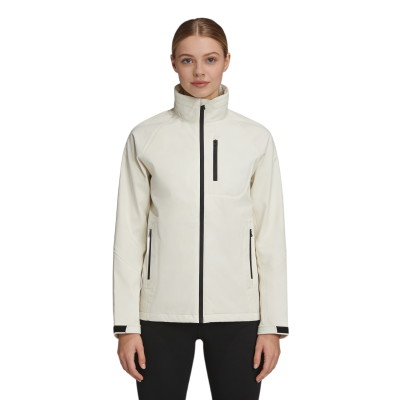
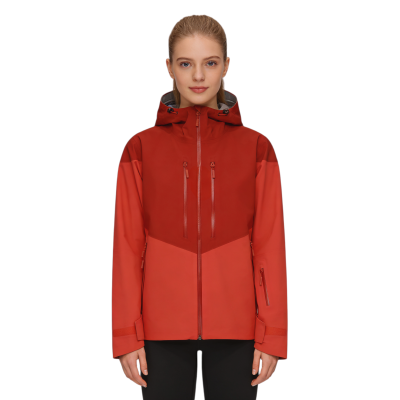
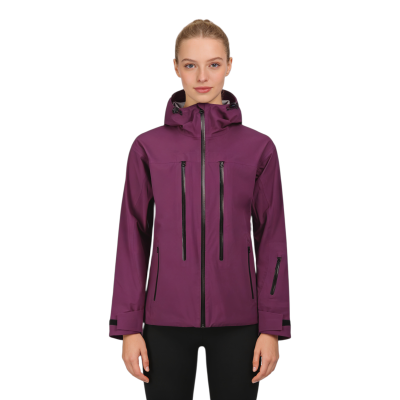
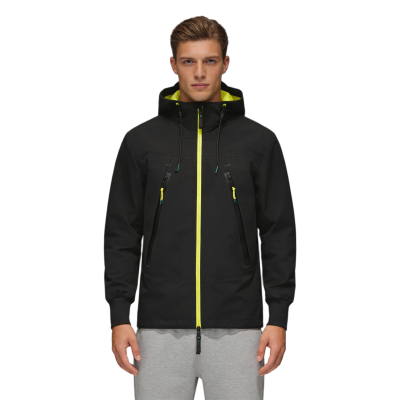
Shop PFAS-Ready Outdoor Jackets
Frequently Asked Questions
No. PFAS-free DWR and membrane technologies can deliver excellent waterproof-breathable performance. The main difference is that they do not rely on fluorinated chemistry for oil repellency and extreme stain resistance. For most hiking, skiing, and everyday outdoor use, performance remains fully adequate when the materials are properly engineered.
Immediately for any production shipping to the EU in late 2026 or beyond. The supply chain needs time to source compliant materials, run validation tests, and update documentation. Starting the conversation now protects your 2027 selling season.
Yes. We maintain an audited material library with PFAS-free DWR, fluorine-free membranes, and compliant seam tapes. We can support custom development, small-batch trials, and full production for brands targeting the EU market. Send us an inquiry or visit our contact page to discuss your specifications and timeline.