How to Choose Fabrics for Outdoor Clothing: A Brand's Technical Guide
Fabric is roughly 70% of an outdoor garment's performance, comfort, and cost. Choose it well and everything downstream - design, manufacturing, pricing, reviews - gets easier. Choose it poorly and no amount of construction quality will save the product. This guide gives brand buyers a working framework for matching fabric to product, price point, and customer expectation.
For the numeric side of fabric choice, our GSM weight guide and waterproof rating comparison are essential companions.
Core Fiber Families and What They Do Best
Almost every outdoor fabric starts from four fiber families, and each has a clear role.
- Nylon (polyamide). The performance leader: high strength-to-weight, good abrasion resistance, and a soft hand feel. Standard for premium shells and hiking apparel. Slightly more expensive and absorbs some water (weakened when saturated), which coatings mitigate.
- Polyester. The value workhorse: quick-drying, UV-resistant, colorfast, and cheaper than nylon. Dominates fleece, midlayers, and budget shells. Slightly less abrasion-resistant and stiffer at equal weight.
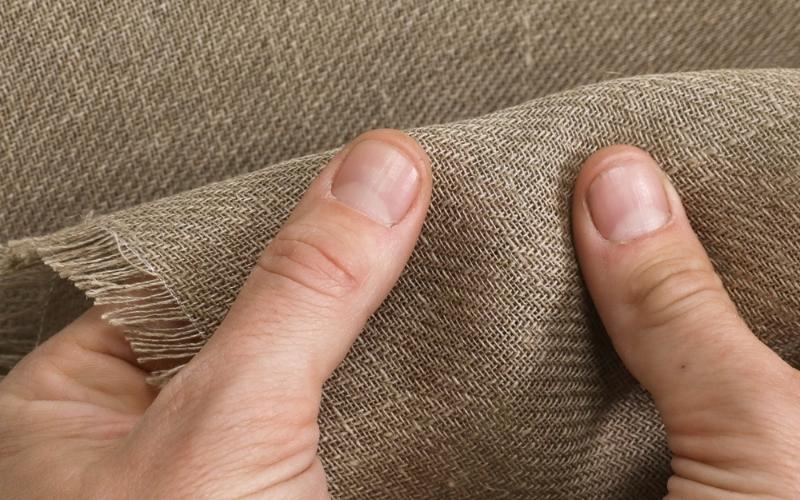
- Polycotton blends. Cotton comfort with synthetic durability; popular in bushcraft and workwear crossover garments where breathability and quietness matter more than waterproofing.
- Stretch blends (elastane/spandex). Usually 2-20% elastane added to nylon or polyester. Enables 2-way and 4-way stretch for climbing, skiing, and ergonomic workwear. Note: elastane complicates recycling and reduces heat tolerance in laminating.
Add photo here: close-up comparison of different outdoor fabric swatches - nylon shell, fleece, softshell and Cordura reinforcement fabric
Waterproof-Breathable Systems and Reinforcement
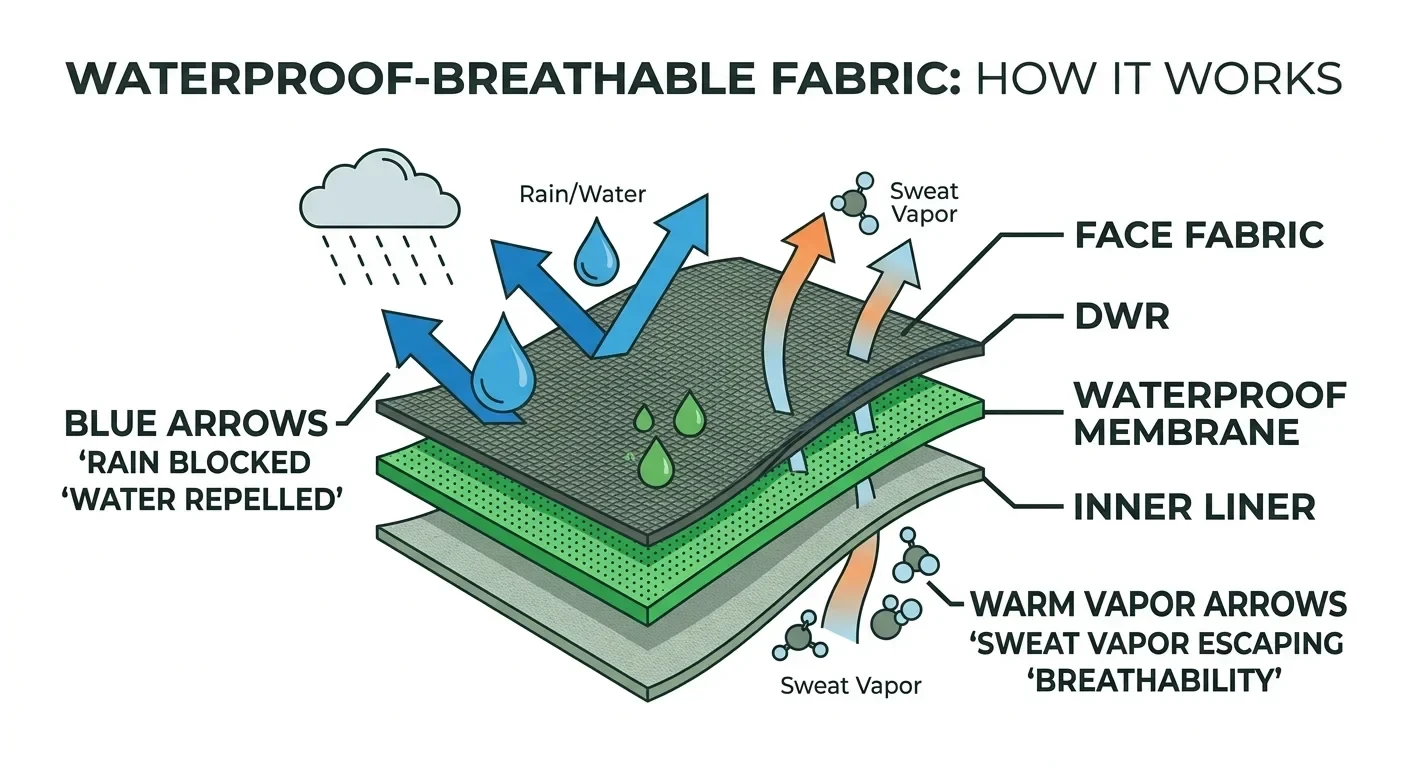
Waterproofing is a system, not a fabric: a membrane (or coating) blocks liquid water while passing vapor, a DWR finish keeps the face fabric from wetting out, and taped seams seal the stitch holes. Membrane options span licensed Gore-Tex ePTFE, direct-venting eVent, and proprietary PU membranes that deliver 80% of the performance at a fraction of the cost. Our membrane comparison guide and waterproofing technology guide cover the trade-offs in depth.
For abrasion, Cordura nylon (typically 500D-1000D) is the standard for high-wear zones - shoulders, elbows, cuffs, pack panels - and full garments for hunting and workwear. Denier (D) measures fiber thickness: higher denier means heavier, more abrasion-resistant fabric. A 70D shell fabric balances weight and durability for hiking; 500D+ belongs on reinforcement panels.
Insulation pairs with shells: down delivers the best warmth-to-weight but collapses when wet, while synthetics like 3M Thinsulate and PrimaLoft insulate when damp and dry fast - the reason they dominate wet-climate and workwear applications.
Eco-Friendly and Specialty Options
Sustainability has moved from marketing language to procurement requirement. Recycled polyester (rPET) now matches virgin polyester performance for most applications, and recycled nylon from fishing nets (Econyl-type) serves premium sustainability lines. Fluorine-free DWR treatments avoid long-chain PFC chemistry - our PFAS-free explainer and GRS certification guide cover what to demand and how claims get verified. EU PFAS restrictions make this planning, not preference.
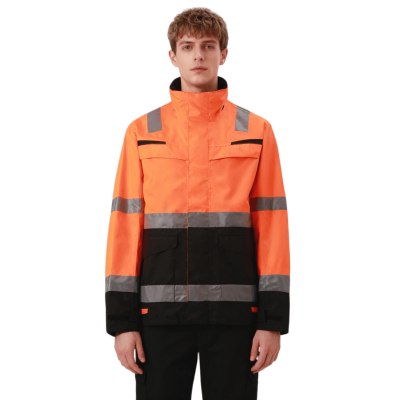
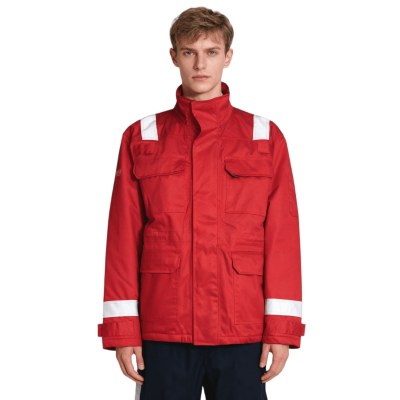
Specialty needs have standard answers: inherent flame-retardant fabrics (aramids like Nomex, Kevlar blends) for welding and electrical work; FR-treated cotton for comfort-oriented industrial wear; high-visibility fluorescent fabrics with retroreflective tape for roadside and rail work; and antibacterial finishes for medical and food-sector garments. Each specialty carries certification requirements - explained in our certifications guide.
Weight, Hand Feel, Color, and Cost Balance
Fabric weight (GSM) sets the product's character: sub-100 GSM ultralight wind shells, 130-200 GSM versatile midweight shells, 300+ GSM heavy-duty workwear. The GSM guide maps weights to product types. Hand feel - the tactile impression - drives perceived quality, so always request physical swatches before committing; photos cannot communicate drape and texture.
On color: solution-dyed fabrics (pigment added before extrusion) offer superior colorfastness and lower water use; piece-dyed fabrics offer wider color ranges. Camouflage and technical prints require factories with in-house printing and color-matching capability - relevant if you serve hunting or tactical markets, where our 2026 color trend report provides seasonal direction.
Add photo here: fabric engineer performing hydrostatic head waterproofness test on shell fabric in a laboratory
Testing: What to Request and How to Read Results
Never accept "waterproof" on faith. Specify and verify: hydrostatic head (ISO 811 / AATCC 127) for waterproofness, RET (ISO 11092) or MVTR for breathability, Martindale abrasion cycles for durability, colorfastness to washing and light (ISO 105 series), and seam strength on finished garments. Ask for third-party test reports - SGS, Intertek, BV - issued against your fabric batch, not generic data sheets.
Manufacturers with in-house fabric mills, like UniOuter (20+ years of OEM/ODM, in-house dyeing and printing, camouflage supply to 120+ countries), can develop custom fabrics to your specification and provide mill-level test data at sourcing time - a structural advantage over factories that buy fabric from traders. Explore capabilities on our fabric and design page or browse finished examples in the product catalog.
To discuss a specific fabric requirement for your line, send an inquiry - or first read the purchasing guide for context on how we quote fabric options. More about our factory is on the about page.
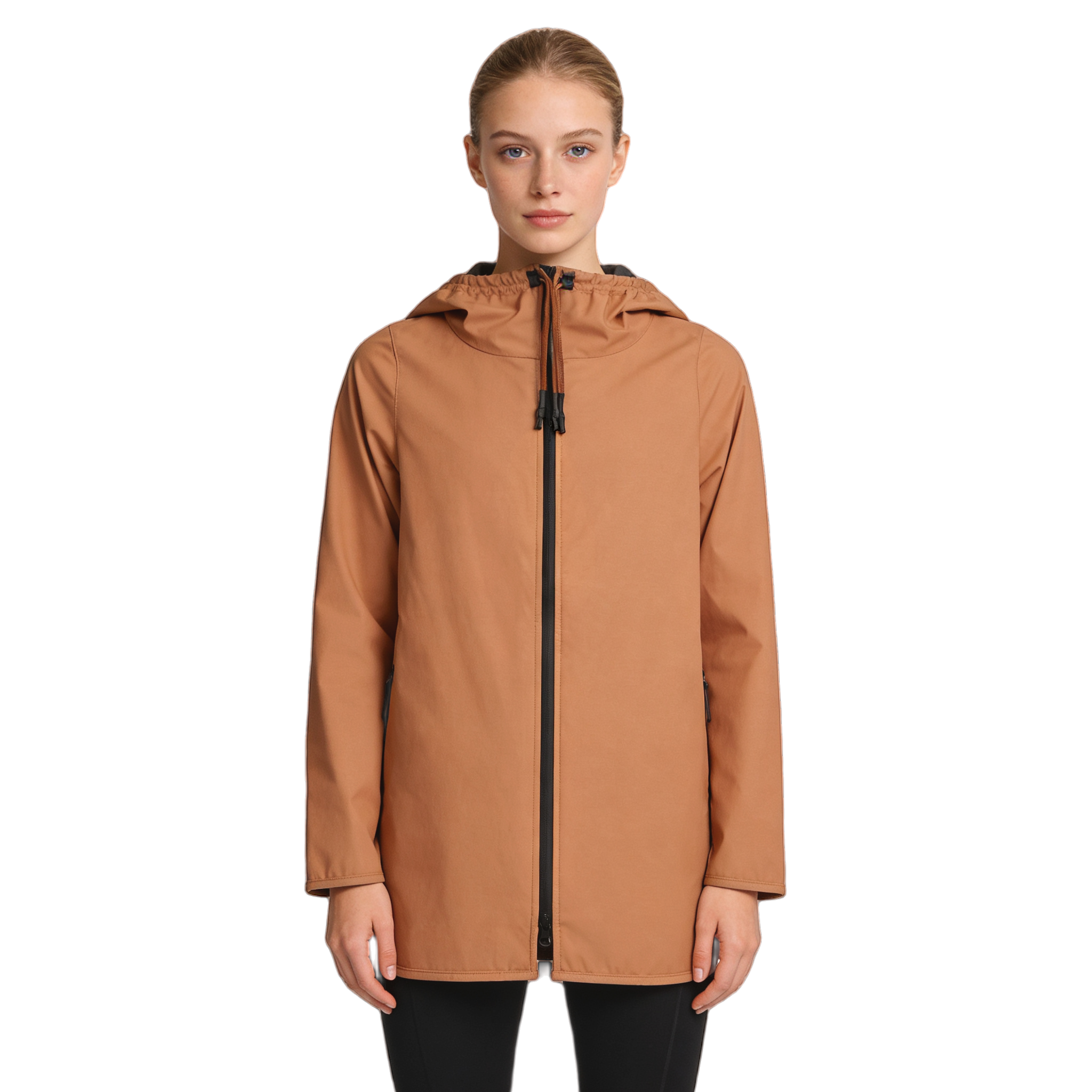
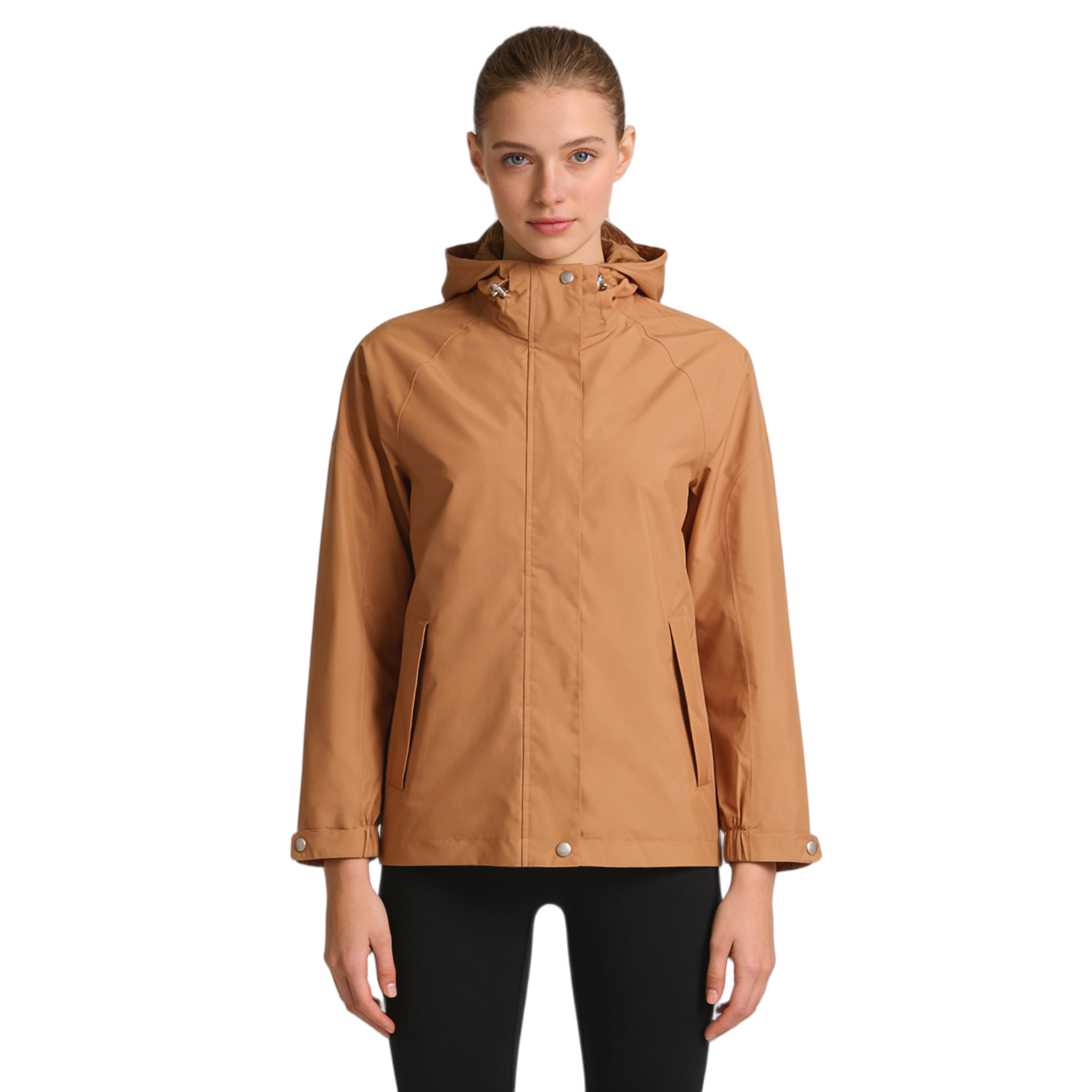
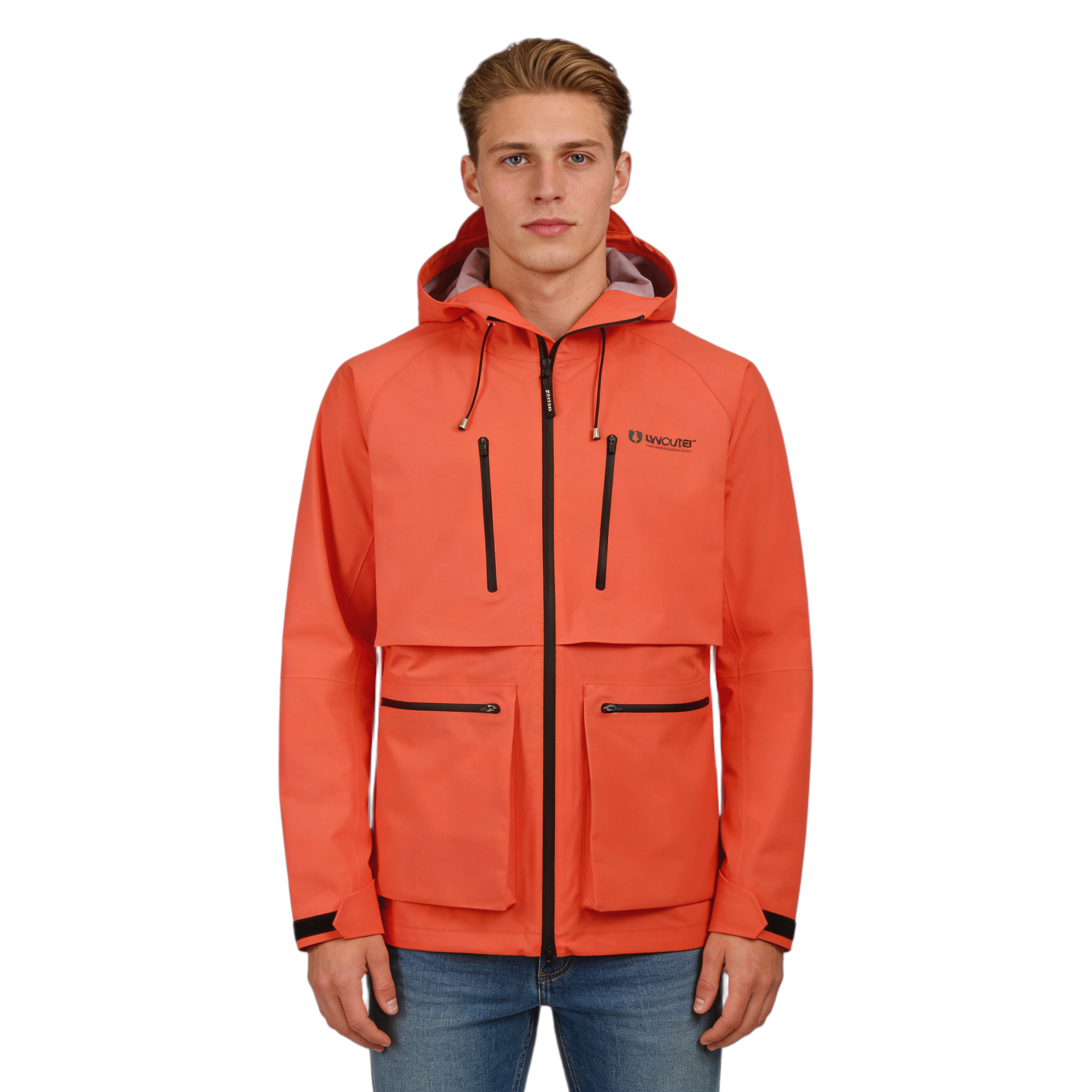
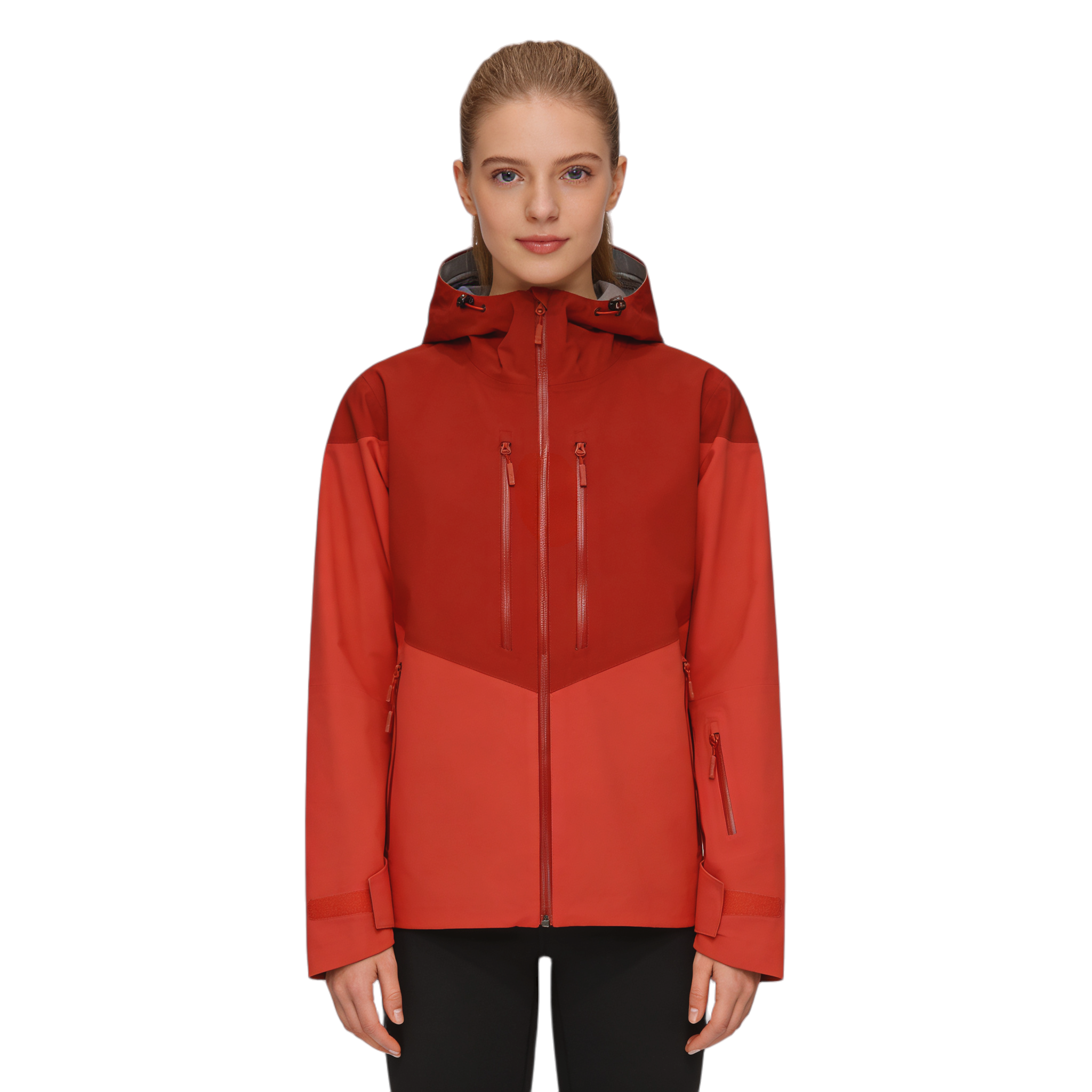
Shop Outdoor Jackets by Fabric
Frequently Asked Questions
A 70D-150D nylon face fabric laminated with a waterproof-breathable membrane (10,000 mm minimum hydrostatic head for hiking use), finished with DWR and fully taped seams. Nylon over polyester for durability; proprietary membranes over licensed brands if price matters more than the hangtag logo.
GSM (grams per square meter) measures fabric weight. Under 100 GSM gives ultralight packable shells; 130-200 GSM suits most hiking and midweight applications; 300+ GSM is workwear and extreme durability territory. Higher GSM generally means more durable but heavier and less packable - details in our GSM guide.
For most outdoor applications, yes - mechanical recycling now produces rPET with strength and colorfastness close to virgin fiber. Expect a small price premium and verify recycled content with GRS certification. Performance-critical applications like ultralight ripstop may still favor virgin nylon.
At minimum: hydrostatic head (waterproofness), RET or MVTR (breathability) for membrane fabrics, Martindale abrasion, colorfastness to wash and light, and seam strength on a sample garment. Use third-party labs (SGS, Intertek, BV) and require reports tied to your production batch.
Whenever the garment sees abrasion beyond the shell fabric's tolerance: shoulder areas under pack straps, forearms in brush, knees and seat in work pants, and full panels on hunting or tactical garments. 500D Cordura on high-wear zones extends garment life significantly at modest cost.