2027 Outdoor Apparel Procurement Calendar: When to Sample, Bulk, and Ship
Building an outdoor apparel line for 2027 means thinking in seasons, not months. The best-planned brands place their first 2027 orders while competitors are still reviewing 2026 sales reports. A clear procurement calendar protects you from Chinese New Year downtime, fabric allocation crunches, and last-minute freight premiums.
At UniOuter, we help outdoor brands move from sketch to shipment on predictable timelines. This 2027 procurement calendar shows exactly when to sample, order bulk, and ship so your spring, autumn, and winter collections arrive on time. If you are new to sourcing from China, start with our outdoor clothing purchasing guide before building your own schedule.
Why Your 2027 Sourcing Plan Needs a Calendar Now
Outdoor apparel supply chains are long. A single waterproof jacket can involve 30 to 50 distinct components, each with its own lead time. Fabric mills need notice. Membrane laminators book capacity months ahead. Sample rooms fill up in peak season. If you wait until Q4 2026 to plan a 2027 line, you are already competing for the same factory slots as every other brand.
The biggest single disruption in the 2027 calendar is the Chinese New Year shutdown, which falls around early February 2027. Factories typically slow production one to two weeks before the holiday and take another one to two weeks to return to full speed. Any Q1 2027 production that is not locked by December 2026 risks slipping into March or April.
There is also a growing compliance dimension. The EU PFAS restriction countdown covered in our companion article No PFAS, No Panic means that 2027 lines shipping to Europe need material selections locked even earlier than usual. Learn more about UniOuter and how we manage these seasonal transitions for global brands.
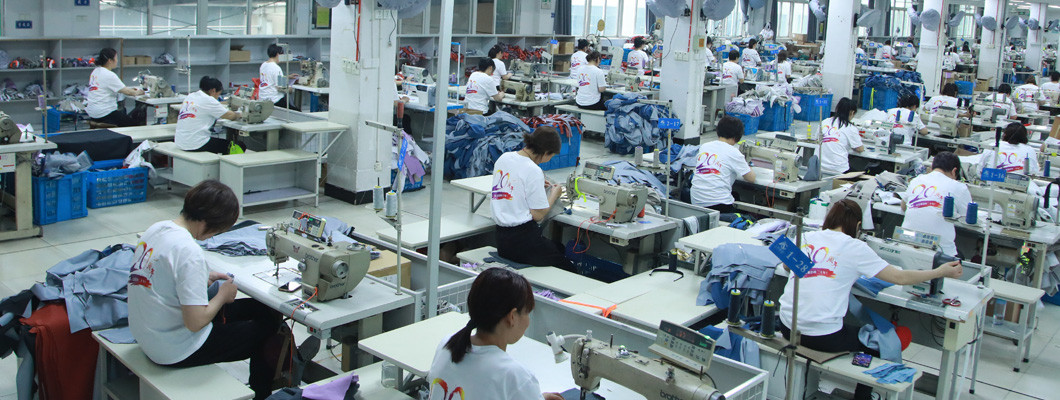
The 2027 Procurement Timeline at a Glance
The timeline below assumes a typical autumn/winter 2027 jacket or outerwear program. If your target season is spring/summer 2027, move every milestone roughly four to five months earlier.
- Aug–Sep 2026Range planning & tech packs. Finalize silhouettes, fabric specs, and target costs. Lock the BOM before requesting samples. This is also the best time to visit custom outdoor jacket suppliers and review capabilities.
- Oct–Nov 2026Sampling kick-off. Submit tech packs, receive first protos, and run fit reviews. ISPO Munich and Outdoor Retailer Winter Market usually happen in this window, making it ideal for supplier meetings.
- Dec 2026Sample approval & bulk order placement. Approve pre-production samples and place fabric orders. Anything not confirmed by year-end faces CNY risk.
- Jan–Feb 2027Chinese New Year pause. Use this window for final testing, QC checklists, and logistics planning rather than chasing urgent production.
- Mar–Apr 2027Fabric arrival & production start. Mills deliver greige and finished fabric. Cutting begins once all trims and components are in-house.
- May–Jul 2027Bulk production & inline QC. Plan 45 to 75 days of production depending on complexity and order volume. Build buffer for waterproof testing and reworks.
- Aug–Sep 2027Shipping & warehouse delivery. Sea freight to Europe or the US East Coast needs 25 to 40 days. Air freight is an option for late reorders but costs significantly more.
For help estimating realistic lead times for your specific product, use our hiking jacket cost calculator to compare transparent OEM pricing and hidden-fee traps before you commit.
When to Sample: From Tech Pack to Fit Approval
Sampling is where most 2027 schedules slip. The process looks simple on paper, but each round depends on how complete your tech pack is and how quickly your factory can source the right materials.
- Weeks 1–3: Proto sample from the initial tech pack. Validates silhouette, basic construction, and pattern accuracy.
- Weeks 4–6: Fit sample revisions. Adjusts measurements, ease, and grading based on your feedback.
- Weeks 7–10: Pre-production (PP) sample. Uses bulk-intended fabric and trims. This is the sample to approve before cutting.
A strong tech pack shortens this cycle. Include graded specs, seam diagrams, Pantone references, hardware details, and a clear bill of materials. If you are building a new brand, our guide on how to start your own outdoor clothing brand explains what to prepare before approaching a factory.
When to Order Bulk: Fabric, Trims & Production Windows
Bulk ordering is not just about hitting a button on the purchase order. It is about sequencing so that fabric, trims, and production capacity arrive at the same time.
- Fabric: 30 to 60 days for standard nylon or polyester, and 60 to 90 days for specialized materials such as laminated membranes, recycled yarns, or stretch woven shells.
- Trims: 15 to 30 days for zippers, pulls, tapes, and labels. Waterproof zippers and custom cord locks often sit on the longer end.
- Production: 45 to 75 days once materials are in-house. Complex 3-in-1 jackets, taped seams, and down filling extend this range.
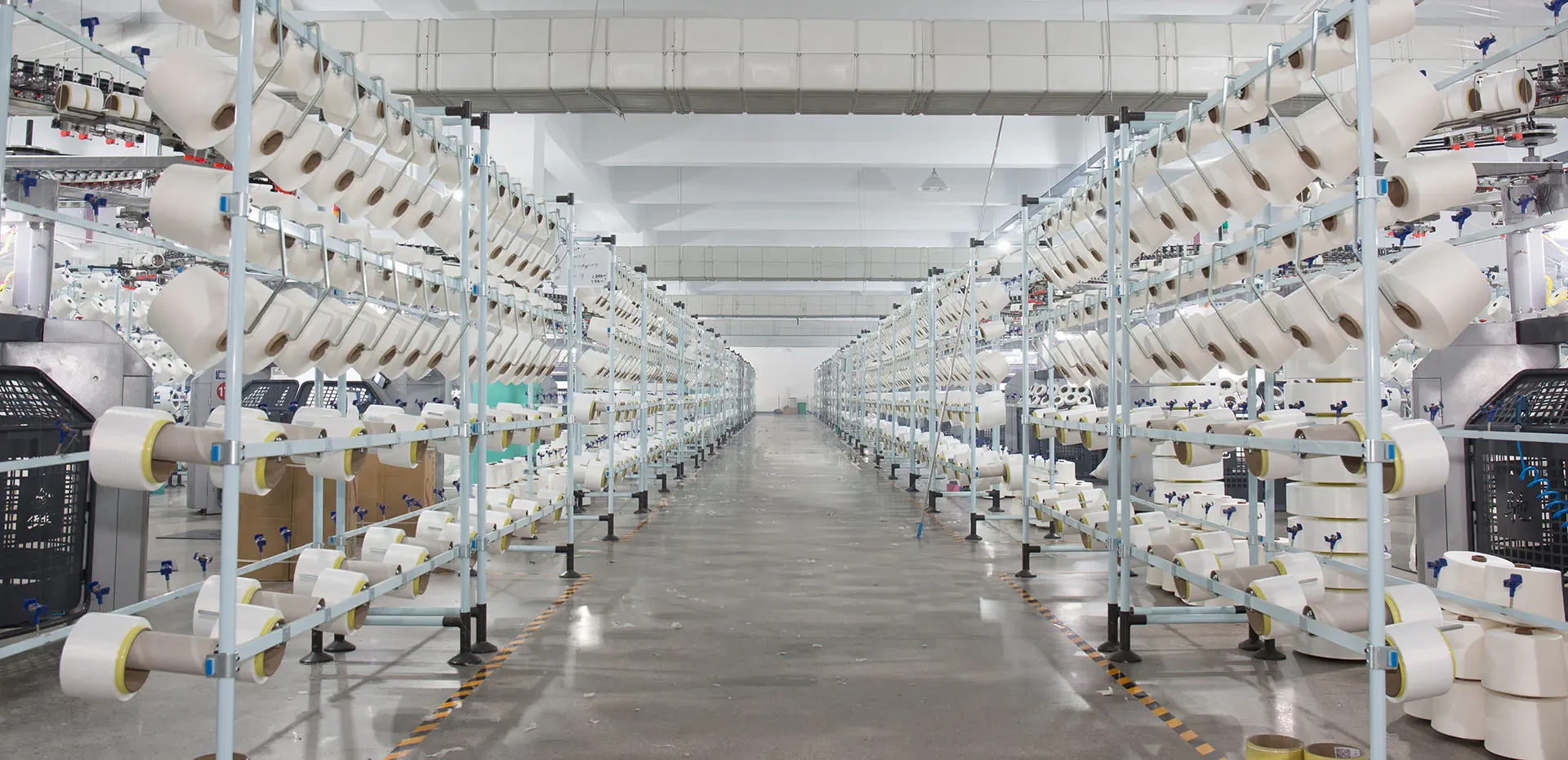
Ordering too late means paying rush fees or accepting substitutions. Ordering too early ties up cash before you need it. The sweet spot is to confirm bulk fabric by December 2026 for autumn/winter 2027 delivery, leaving a small buffer after the CNY shutdown. If you are still comparing suppliers, our China outdoor apparel sourcing guide covers factory audits and reliability checks.
When to Ship: Sea vs Air Freight Deadlines
Freight timing is the final mile of the procurement calendar, and it is easy to underestimate. Sea freight is cost-effective but rigid; air freight is fast but expensive and carbon-intensive.
- China to US West Coast: 14 to 21 days
- China to US East Coast: 28 to 40 days
- China to North Europe: 25 to 35 days
- China to Mediterranean: 30 to 40 days
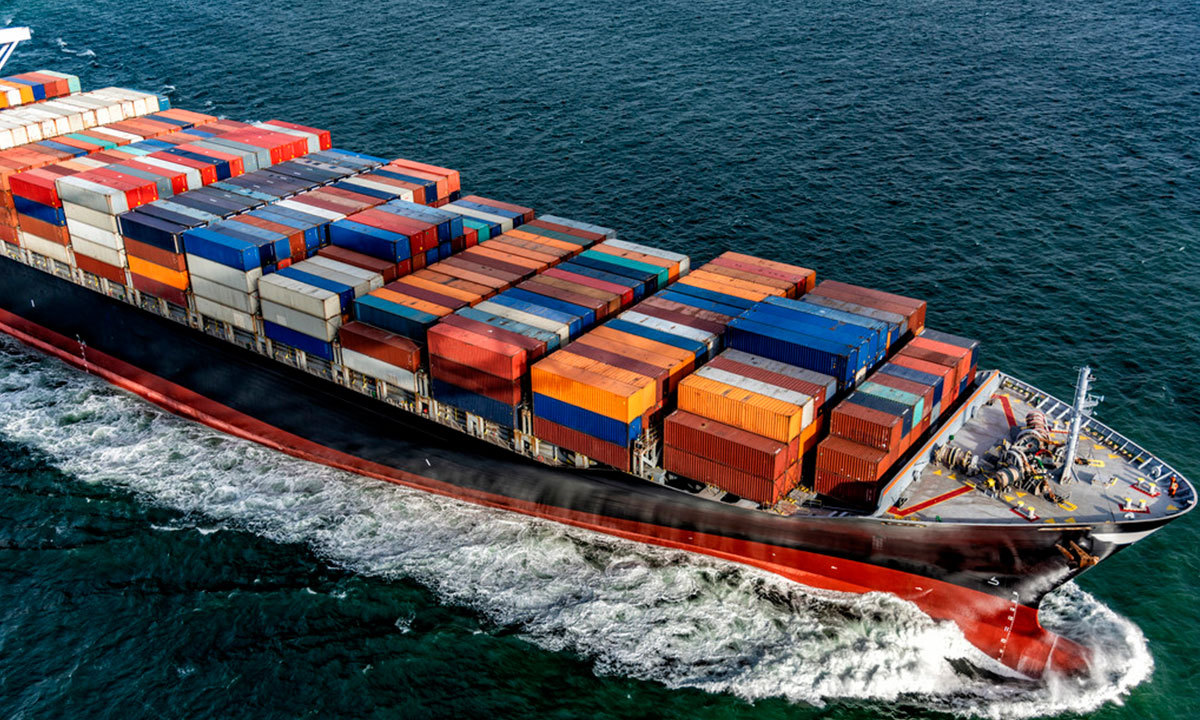
Add 5 to 10 days on each end for export customs, port handling, and inland trucking. During peak shipping seasons in late summer, container space tightens and rates rise. Book space as soon as your production schedule is firm. If a deadline is at risk, partial air shipments can cover launch quantities while the rest travels by sea.
What to Lock In Before Year-End
The most important window for 2027 is the fourth quarter of 2026. Brands that use this period well start the new year with confidence. Brands that do not spend January and February firefighting.
- Confirm final styles and colorways. Indecision after November costs you fabric allocation and sampling slots.
- Approve PP samples and issue bulk POs. Do not let CNY become the reason your order misses its window.
- Lock fabric and trim commitments. Written commitments, not verbal promises, protect capacity during the holiday slowdown.
- Agree on QC checkpoints. Define AQL levels, testing standards, and who pays for reworks before production starts.
- Book freight space for late-summer shipments. Carriers reward early bookings with better rates and more reliable schedules.
If you are ready to put this calendar into action, send us an inquiry or visit our contact page to review your 2027 timeline with our sourcing team. You can also browse our outdoor jacket product catalog to see styles that can accelerate your development.
Frequently Asked Questions
For an autumn/winter 2027 launch, start range planning and supplier conversations by August 2026. Sampling should begin no later than October 2026 to leave time for revisions and CNY-safe bulk ordering.
Yes. With Chinese New Year falling around early February 2027, factories typically stop or slow production from late January through mid-February. Orders not placed by December 2026 often slip into March or April.
Yes. We support full development from tech pack and prototyping through fabric sourcing, bulk manufacturing, and outbound logistics. Our team can also align your calendar with EU PFAS compliance requirements for 2027.
PFAS compliance is a material-selection decision that happens during range planning and sampling. If you are shipping to the EU, lock PFAS-free fabric and trim choices by late 2026 to avoid requalification delays. Read our guide on PFAS preparation for the 2026 EU ban for details.
Share your target quantity, size range, fabric specifications, required waterproof or breathability ratings, trim preferences, and intended delivery window. The more complete the tech pack, the faster and more accurate the quote. For MOQ guidance, see our article on how to negotiate MOQ with outdoor clothing manufacturers.