The European Outdoor Market, Read From the Factory Floor: What Brands Order and Why
Europe is not one outdoor market. It is five or six buying cultures that happen to share a customs union, and the fastest way to misread it is to answer a Nordic brand's brief with the deck that won a US account. This piece is written from the factory side: what brands in each region actually order, what they assume without saying, and why the 2027-2028 regulation wave is already visible in the sampling rooms of 2026.
The patterns below come from manufacturing outdoor apparel — hiking shells, mountaineering layers and commuter outerwear — for brands across Northern and Western Europe. They are observations about buying behaviour, not statistics, and they are the reason our European market manufacturing programme is specified differently from any other region we serve.
Five Markets, Five Different Briefs
Ask five European buyers from five countries to review the same jacket and you will get five different first sentences. The Nordics will ask how it performs at freezing rain; a German buyer will ask for the test report; a French buyer will ask whether the chemistry is compliant with the new national law; a Dutch or Belgian buyer will ask about the sustainability file; a British buyer will ask what it costs at their price point. None of these questions is superficial — each one predicts how the whole programme will run.
| Market | What They Weight First | Typical First-Order Shape |
|---|---|---|
| Nordics | All-weather performance, muted design language, sustainability as a given | Tight capsule, few colourways, high spec per style |
| DACH | Documentation, test reports, longevity and repairability | Methodical development cycle, larger core programme |
| France | Regulatory compliance, domestic market law, design flair | Seasonal drops with a strong fashion-adjacent read |
| Benelux | Sustainability file, recycled content, transparency | Small-to-mid volumes, early adoption of new materials |
| UK and Ireland | Price-to-spec ratio, delivery reliability, commercial range | Broader range, replenishment-driven, sharp landed cost targets |
The Nordic Benchmark
The Nordic market sets the tone for European outdoor apparel the way a reference product sets the tone for a category. Brands there treat weather as the design brief: a shell is judged on how it behaves through a full day of horizontal sleet, not on a laboratory number quoted in isolation. Seam construction, hood articulation and storm flap design get discussed before price does, and the discussions happen in a design language that is deliberately quiet — tonal colours, matte finishes, branding kept to a whisper.
Sustainability in the Nordics functions less as a marketing layer than as a hygiene factor: recycled content and certified chemistry are assumed to be in the quote, and their absence ends the conversation before performance is even discussed. Brands that serve this market well tend to brief their factory on the weather narrative of the collection first and the commercial details second. The fabric decisions behind that narrative — weight, membrane, finish — are explained in our guides to how waterproof-breathable fabrics work and choosing fabric weight in GSM.

DACH: The Documentation Culture
German, Austrian and Swiss buyers run the most methodical development cycles we see. The sample arrives with a question list; the question list returns with a test matrix; the test matrix returns with a correction. Nothing about this is adversarial — it is a documentation culture in which the product file is expected to outlive the season. Longevity, repairability and wash durability carry real commercial weight, because the DACH consumer reads a two-season garment as a defect rather than a business model.
For a manufacturer, the practical consequence is that DACH programmes are won in the file room. Construction details such as seam architecture matter enough to have their own conversation — our breakdown of seam sealing, bonding and welding was written largely out of those exchanges. Brands entering this market should expect the factory to be asked for batch-level test evidence, and should choose a supplier for whom that evidence is routine paperwork rather than a project.
France and Benelux: Regulation First, Design Close Behind
French buyers currently lead Europe on regulatory urgency, and it is not hard to see why: France's 2026 law restricting PFAS in clothing and textiles took effect on 1 January, with Denmark following in July — national rules that arrived ahead of the EU-level phase-down. A French brand brief now opens with chemistry: which finish, which membrane, which declaration. Design expectations remain strong and fashion-literate, but they are sequenced after the compliance question rather than before it.
The Benelux buyers sit closest to the sustainability file. Dutch and Belgian programmes ask for recycled content with chain-of-custody evidence, and they read a supplier's material library the way an investor reads a balance sheet. Our guides to recycled fabrics, certification and brand value and to sustainable outdoor manufacturing in 2026 cover the certification layer in depth. The PFAS-free transition these buyers ask about most is covered in our buyer's checklist on the PFHxA restriction now in force.
The UK and Ireland: A Separate Calibration
The UK and Ireland sit outside the EU regulatory perimeter but inside the European consumer conversation. Buyers there weigh price-to-spec with more candour than anywhere else on the continent, run broader commercial ranges, and lean heavily on replenishment inside a season. Delivery reliability is discussed with unusual seriousness, because a missed window in a replenishment-driven market cannot be rescued by a good story. Brands shipping into the UK also manage a separate compliance track — UKCA-era labelling and their own chemical rules — so the specification files diverge from the EU set even when the product is identical.
The 2027-2028 Regulation Wave Is Already Shaping 2026 Development
The most common mistake we see among brands entering Europe is treating the EU sustainability framework as a future problem. From the factory floor the timeline looks different: the data European brands will need in 2027 and 2028 is generated by decisions their suppliers make now, and the buyers who will demand it are already changing their sampling questions.
The framework sits in Regulation (EU) 2024/1781, and the policy direction is set out in the EU Strategy for Sustainable and Circular Textiles. Brands that want a deeper view of the passport mechanics can read our earlier guide to the EU chemical restrictions and the supply chain response alongside the buyer expectations tracked in the sustainable outdoor clothing market shift.
What This Means for a Specification
Translated into a garment spec, the European market of 2026 asks for four things that are still optional elsewhere: chemistry documentation per fabric and per finish, recycled content backed by chain-of-custody certificates rather than supplier statements, durability evidence that survives a wash-durability protocol, and a design language quiet enough to sit next to the Nordic benchmark on a rail. None of these is a technical moonshot. What they require is a factory that treats the documentation as part of the garment, produced in the same flow rather than assembled after delivery.
The Order Shapes We Actually See
European programmes rarely look like a single large order. The healthy pattern we see is a tight capsule placed against a season, followed by one or two replenishment runs sized by early sell-through, with styles that earn a second season renewed rather than redesigned. The capsule is deliberately narrow — three to six styles — because European buyers would rather deepen a proven style than widen a speculative range.
| Programme Stage | What It Looks Like | What Decides Success |
|---|---|---|
| Season capsule | 3–6 styles, 2–4 colourways, spec locked early | Fit and finish matching the market's design language |
| Replenishment | One or two runs inside the season, sized by sell-through | Factory lead time short enough to matter |
| Season two | Proven styles renewed, one or two new entries | Continuity of fabric article and colour matching |
| Line extension | Adjacent categories added from the same supplier | Consistency of documentation and fit blocks |

Where UniOuter Fits
We manufacture hiking shells, mountaineering layers and commuter outerwear for European brands, and our programme is built around the reading above: Nordic-grade design discipline with tonal, matte finishes; DACH-grade documentation with batch-referenced test reports; French- and Benelux-grade chemistry files with PFAS-free options and recycled content carried by chain-of-custody certificates; and replenishment lead times structured for the European season calendar. The full capability set is on our Europe outdoor clothing manufacturing page.
If you are building a European range for 2027, send your styles through our inquiry page and we will return fabric options, certification status and a sampling window matched to your season — with the documentation file included rather than promised.
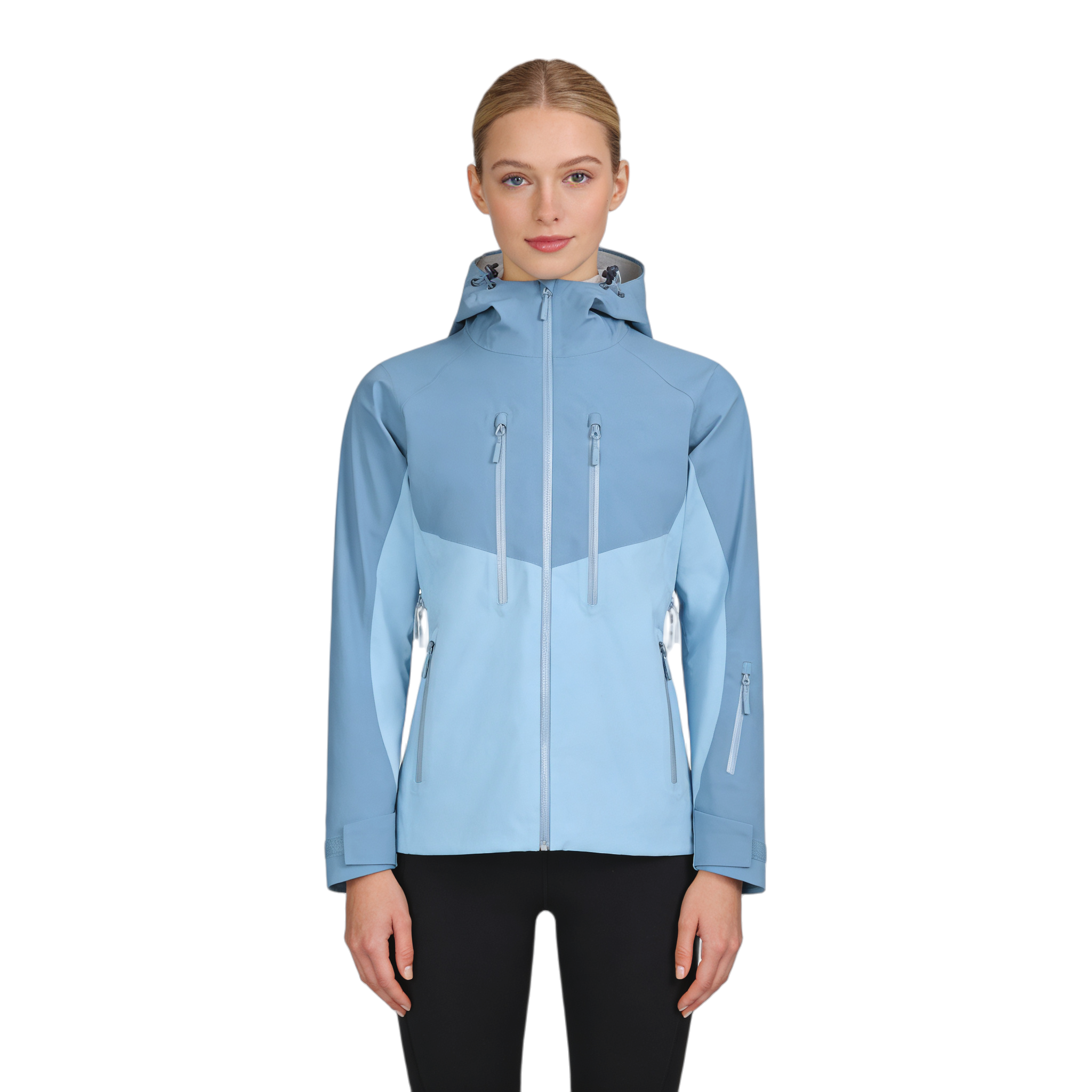
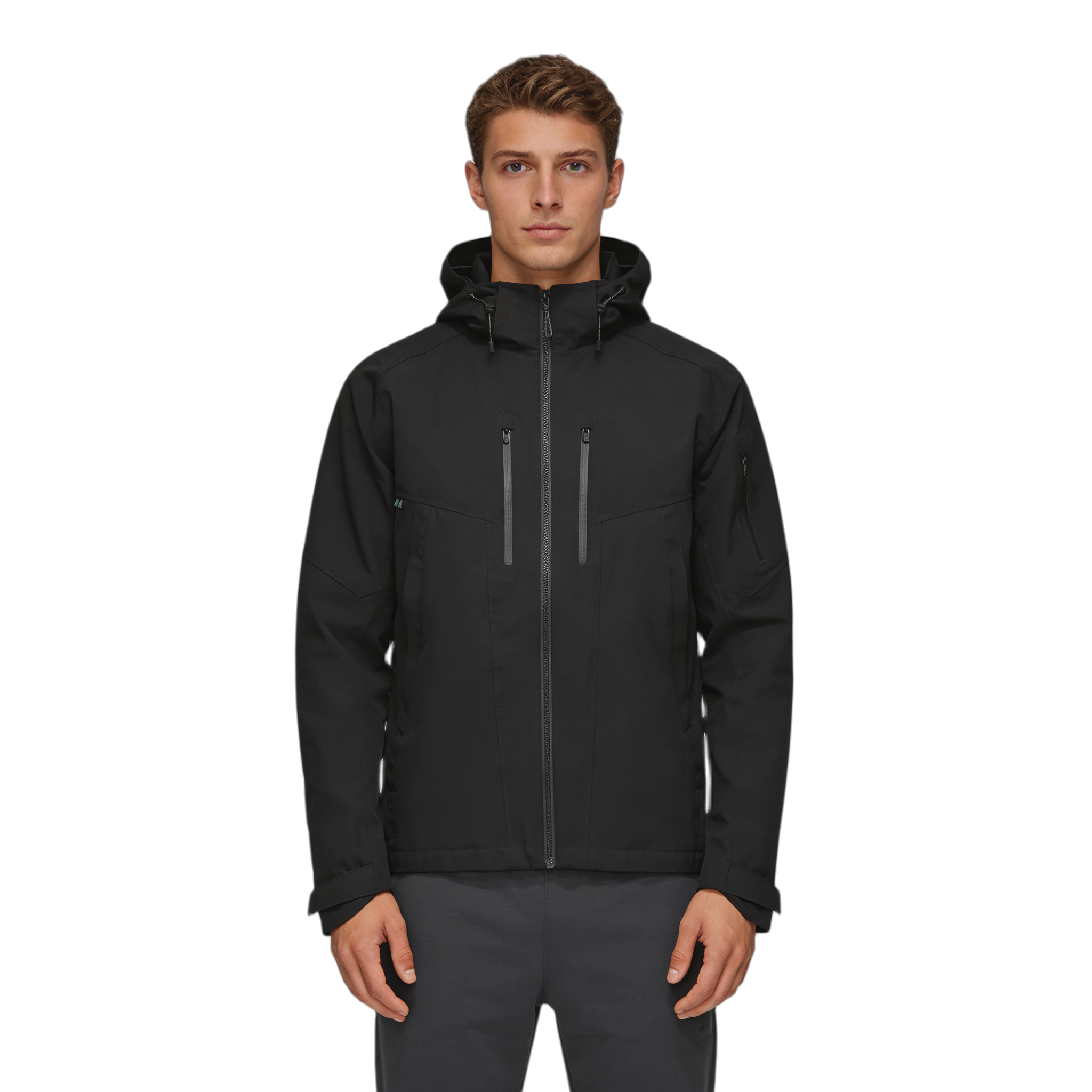
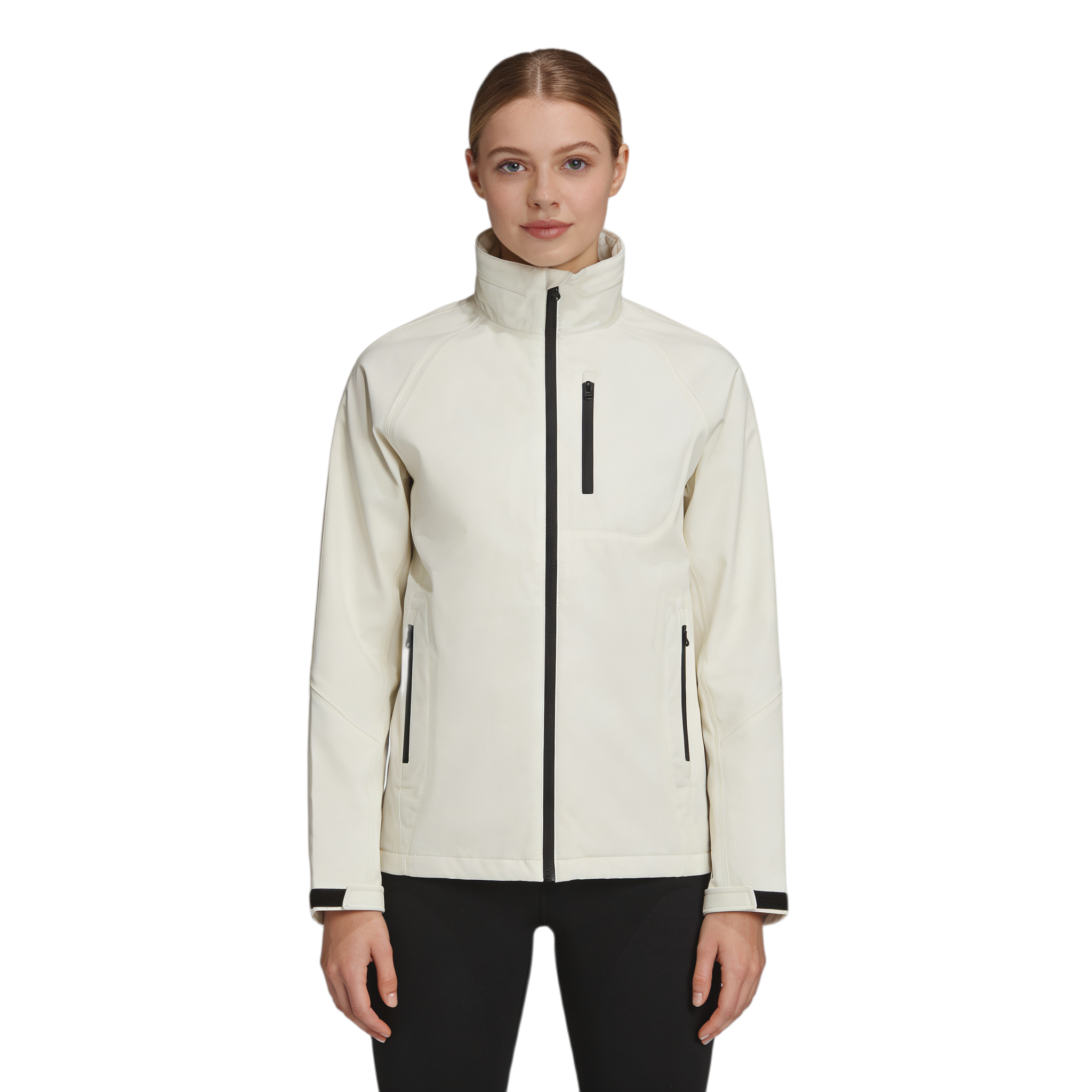
Shop Technical Outdoor Apparel for the European Market
Frequently Asked Questions
It depends on the brand's centre of gravity. Brands with a strong technical story tend to start in the Nordics or DACH, where performance and documentation are rewarded; brands with a design-led, fashion-adjacent range often start in France or Benelux; brands with a sharp commercial price point usually find the UK the most forgiving first market. The specification differences between these markets are real, so choose the one your product already fits rather than adapting a range to all of them at once.
The recurring set is third-party chemistry certification for fabrics and finishes, chain-of-custody certification for any recycled content claim, and batch-referenced performance test reports for waterproofing, breathability and wash durability. The exact scheme names vary by buyer, but the pattern is constant: European buyers want evidence attached to production lots, not statements attached to marketing pages.
The UK sits outside the EU regulatory framework, so labelling and chemical compliance follow their own track even when the product is identical, and enforcement of market rules is separate. Commercially, UK buyers tend to run broader ranges with heavier in-season replenishment and sharper price-to-spec targets, which makes delivery reliability a bigger part of the supplier conversation than in most EU markets.
The passport obligations for apparel arrive with the textile delegated act and the registry build-out expected around 2027-2028, but the underlying data is generated now: fibre origin, recycled percentages with certificates, chemical compliance per finish, and durability information. Brands that ask their factory for these records during 2026 development will be able to compile passport data as a formality rather than a retrofit.
The direction is set and the first binding step has landed: the EU PFHxA restriction has applied to waterproof clothing placed on the market since October 2026, France's national PFAS law took effect on 1 January 2026 and Denmark followed in July, with the broader class-wide restriction still under EU assessment. For practical purposes, a PFAS-free specification with documentation is now the entry ticket for European programmes rather than a differentiator.
Smaller and tighter than most new brands expect: commonly three to six styles in two to four colourways, placed against a specific season, followed by one or two replenishment runs sized by sell-through. European buyers generally prefer to deepen a proven style in season two rather than widen the range, so continuity of fabric article, colour matching and documentation matters as much as the initial price.