The End of China+1: What Fragmented Sourcing Does to Outdoor Apparel Development
The China+1 playbook assumed there was a China, and then a plus one. Six years of tariff shocks later, buyers are spread across five or six countries, no successor has emerged, and the bill for that spread is being paid in product development rather than in freight.
For most of the last decade the plan was tidy: keep China for volume and technical capability, qualify one alternative country for tariff cover, and treat the second source as an insurance policy that would probably never be claimed. In 2026 that model no longer describes how programmes are actually placed. The plus-one became a plus-five, and none of the five is a drop-in replacement for what it was supposed to replace.
The trade data shows a market that is diversifying and de-concentrating at the same time. In man-made-fibre apparel, China's share of US imports fell from a 29.4% average across 2020 to 2024, to 18.2% in 2025 and 13.3% in the first half of 2026, while Vietnam moved from 22.2% to 28.5% (ICAC brief on 2025-26 US apparel imports). But the combined share of the top three origins also declined. Volume did not pass from one leader to another. It scattered. And as the year's sourcing reviews keep pointing out, 40 to 50% of the world's textile inputs still originate in China even after a decade of diversification (analysis of the 2026 sourcing reset).
Scattered cut-and-sew on top of concentrated inputs is the environment your 2027 programme is being built in. It changes what a factory brief has to contain, what a second source is actually worth, and which decisions belong to product development rather than to procurement.
01 · The Plus-One Was Never a Second Supply Chain
A second country is not a second supply chain. When a programme moves, what moves is the cut-and-sew line: the order, the assembly, the packing, the sailing date. What usually stays behind is the fabric, the laminate, the zips and hardware, the dyeing recipe, the seam tape specification and, very often, the technical team that solved the fit two seasons ago.
So the diversification wave produced more paperwork rather than more resilience. Each additional country adds a sample set, a fabric qualification, a compliance file and a shipping calendar that no longer lines up with the others. A brand with three sourcing countries does not have three times the capacity. It has three times the coordination, and roughly one times the supply base.
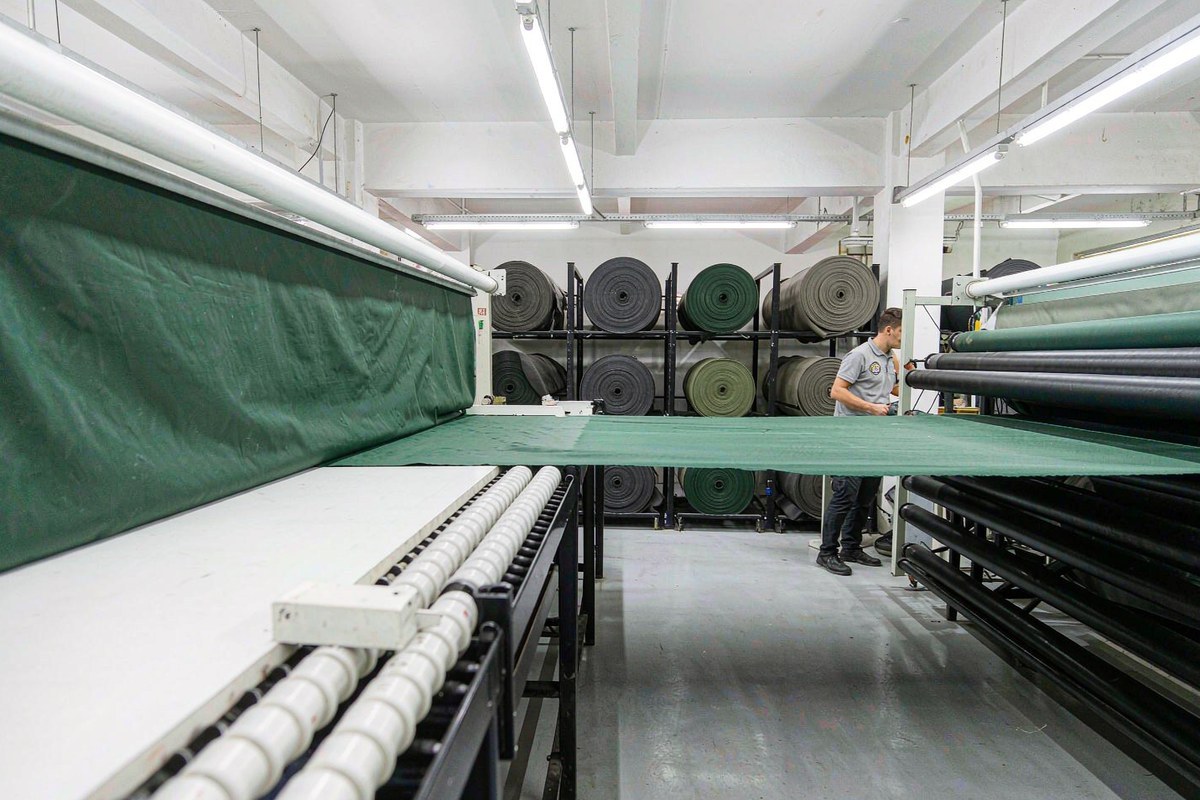 The cutting room: the last stage of a chain that starts with fibre, not with fabric
This matters most in technical outerwear, where the garment is an assembly of components that must work together under load. A shell is only as good as the laminate-to-face bond and the taped seam that holds its waterproof rating. Move the sewing without moving the material qualification and you have not relocated a product. You have launched a variant of it.
02 · What Fragmentation Costs, Line by Line
None of these costs appear in a landed-cost model, which is exactly why programmes underestimate them. They appear later, as margin, as delay, or as a colour that does not match the rest of the range.

Two swatch books, same article number, two origins. The colour is close enough to pass in a meeting and far enough apart to fail a range review. This is the failure mode fragmentation produces: not a bad garment, but a programme that no longer looks like one collection.
03 · Which Programmes Should Actually Move
The useful question is not whether to diversify. It is which categories tolerate it. In our own programme reviews the split is fairly consistent, and it follows the density of the component supply rather than the labour rate.
| Category | Move first | Keep in China | The real constraint |
|---|---|---|---|
| Basic fleece, jersey, simple wovens | Yes | — | Unit cost; the fabric is a commodity |
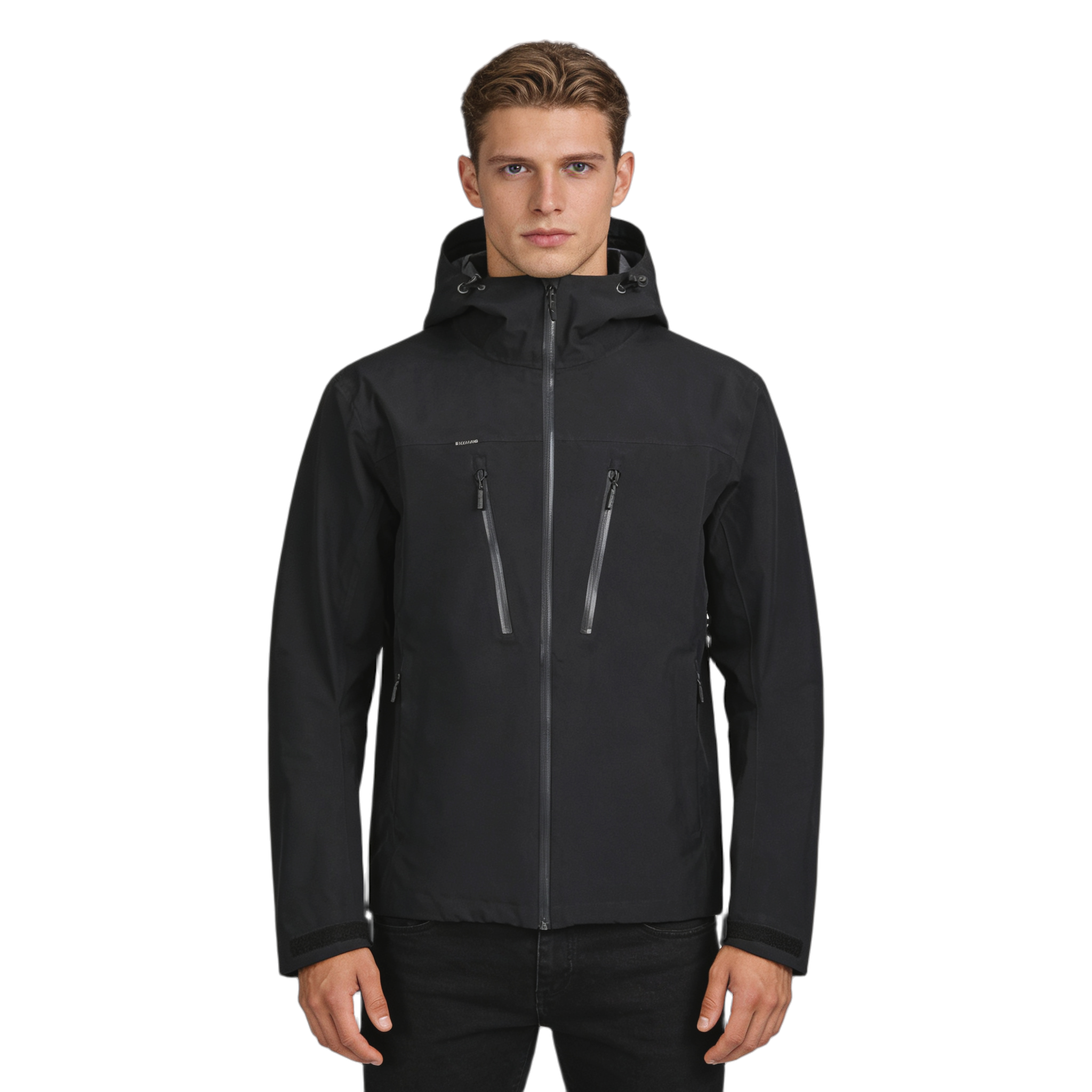
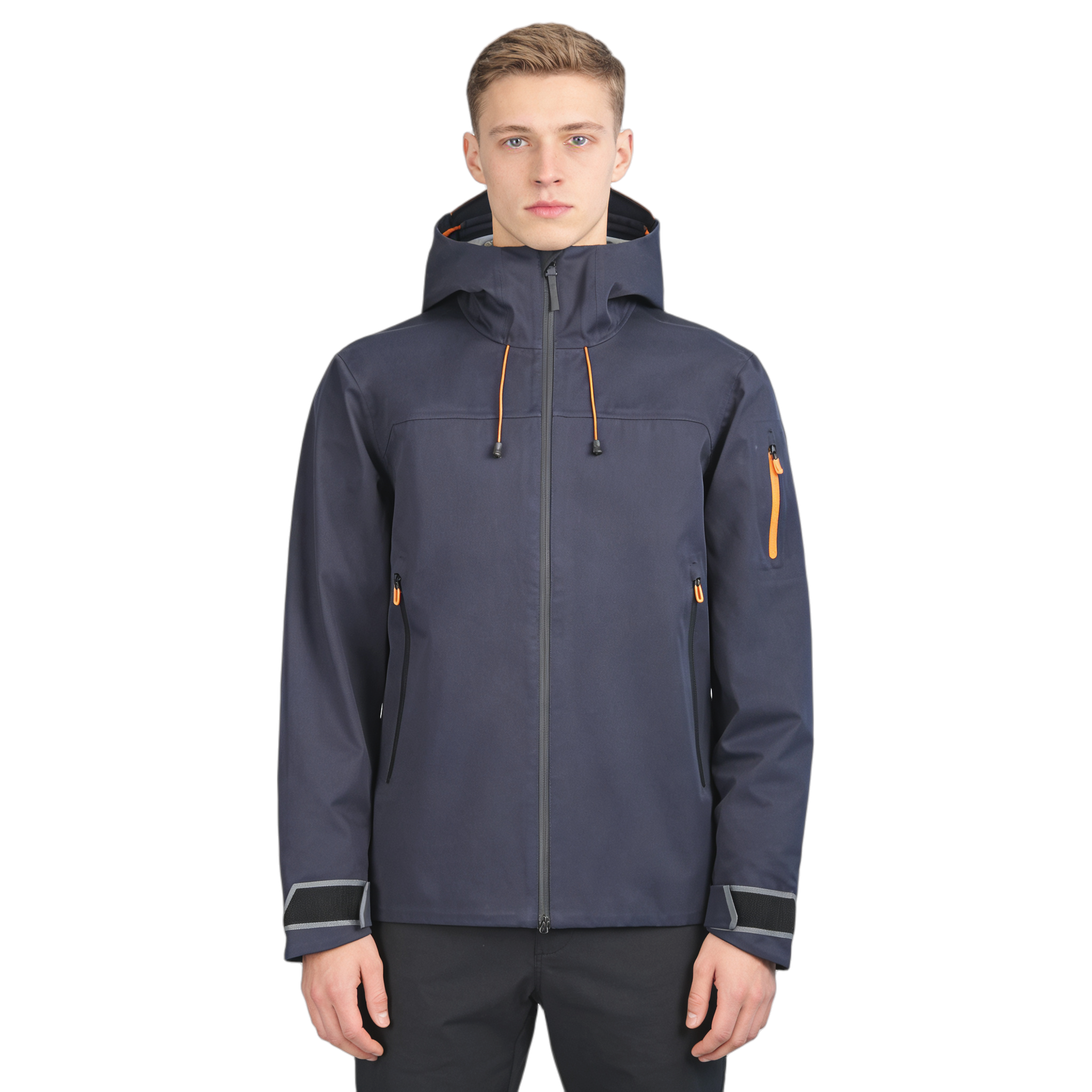
| Three-layer technical shells | — | Yes | Membrane, laminate and seam-tape supply is concentrated |
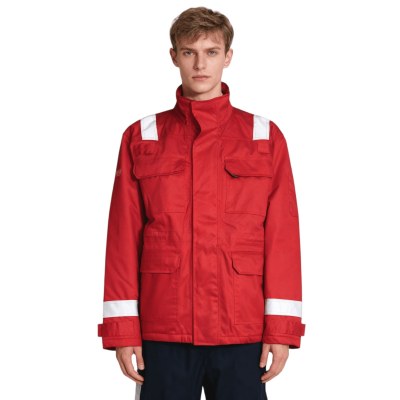
| Insulated and down styles | Partly | Partly | Fill and baffle construction travel badly |
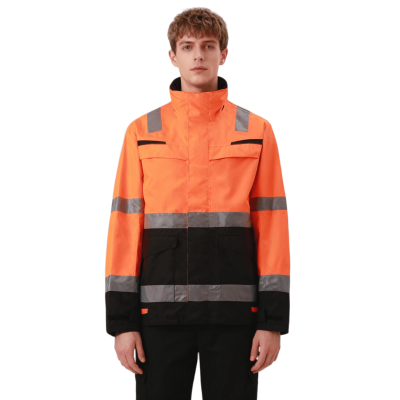
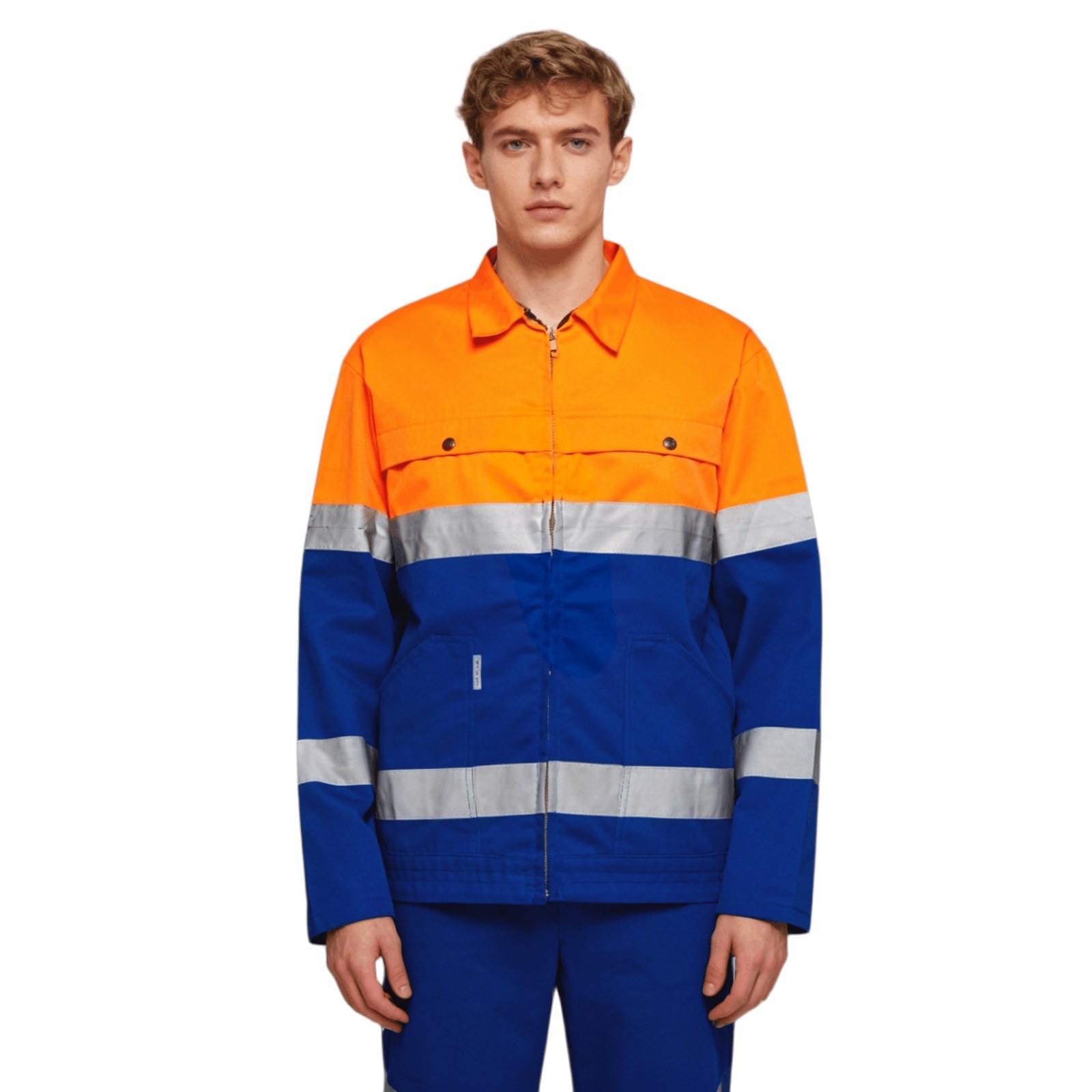
| Certified hi-vis workwear | Maybe | Maybe | Certification follows the factory, not the pattern |
| Programmes under 500 pieces | — | Yes | Small runs get priced out of existence elsewhere |
| Trims, zips and hardware | No | Mostly | Still the least diversified link in the chain |
Read the table as a risk map rather than a cost map. The categories that move cleanly are the ones where the component base is already global and the construction is well understood. The categories that resist are the ones where a single upstream supplier effectively controls the outcome, whatever country the sewing sits in.
04 · The Architecture That Replaces the Map
If you cannot buy a second China, you can still buy optionality. What changes is where you put it. In practice, brands that are handling fragmentation well are doing five things differently from those that are not.
- Keep development in one place even when production is not. One pattern owner beats three local interpretations of the same tech pack.
- Bank fabric, not countries. A committed fabric position protects a season far more reliably than a second sewing line does.
- Split by category, not by percentage. A 60/40 country split that ignores construction differences is arithmetic wearing a strategy costume.
- Write the handoff into the tech pack: tolerance ranges, mill references, approved-substitution rules, and the components that may not change without re-testing.
- Book capacity before you negotiate price. In a scattered market, the scarce input is a slot on a line, not a cent on a seam.
The question is no longer which country. It is which part of the chain you are willing to lose control of.
UniOuter development team, 2027 programme reviews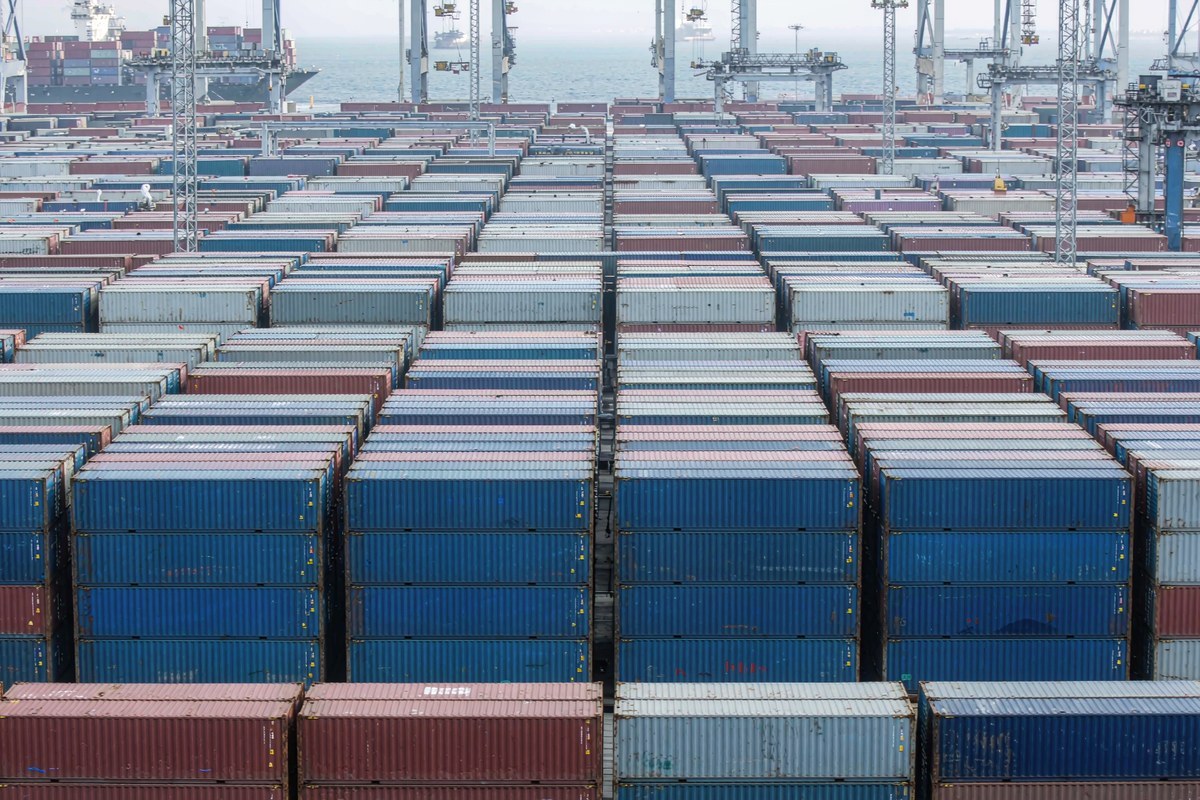 Origin is decided at the port, but it is earned in the fabric mill
05 · What This Means for a Factory in China
An honest answer: fragmentation is not good news for a Chinese cut-and-sew operation, and pretending otherwise would waste your time. No factory wins a procurement meeting by arguing that the map should not have changed.
But the effect is uneven, and it lands hardest on the simplest work. Programmes built on plain fabric, standard construction and unskilled assembly were always going to follow the lowest labour cost. Programmes built on a laminate specification, a taped-seam discipline, a pattern library, a small first order that still has to ship on time — those are harder to relocate, because what the buyer is really sourcing is a component base and a set of solved problems rather than sewing minutes.
That is where our own business has moved, and it is why we write about landed cost, compliance and capacity rather than about labour rates. If you are planning a US programme, our US market sourcing playbook covers the documentation stack; for Europe, the factory-floor reading of the European market explains why order shapes differ by country. And if your first order is deliberately small, the mechanics of that are in why first buys keep getting smaller, with the cost structure behind it in our manufacturing cost breakdown.
The practical takeaway for a 2027 brief is unglamorous. Decide which components must not change, write that into the tech pack, and let the geography follow. Buyers who do this end up with two suppliers that make the same product. Buyers who do not end up with three suppliers making three similar products and a range review that never quite closes.
- Fragmentation is a development problem before it is a cost problem — the invoice arrives months later.
- A second country is a tariff route, not a second supply chain. The inputs usually did not move.
- Move categories, not percentages: component density decides what relocates cleanly.
- Booked capacity is the scarce input of 2027; price negotiation comes after the slot is held.
Shop the Programmes That Stay

Frequently Asked Questions
Not dead — absorbed. The two-country model has been replaced by five or six markets held at once, and no single country has taken China's place. China's share of US man-made-fibre apparel imports fell to 13.3% in the first half of 2026, but the combined share of the top three origins also declined, so what happened is dispersion rather than substitution.
Often it still is. Cut-and-sew relocates faster than fibre, fabric, laminate, trims and hardware, and a large share of global textile inputs still originates in China. A moved order frequently ships with Chinese fabric and Chinese components, assembled elsewhere. That is worth knowing before you describe a programme as de-risked.
Three-layer technical shells and anything where a laminate, membrane or seam-tape supplier effectively controls the outcome. Insulated and down styles are also difficult because baffle construction and fill sourcing travel badly. Programmes under about 500 pieces are hard to place outside China at all, because alternative hubs are not structured for small runs.
Most mid-size brands are better served by two or three well-qualified countries than by five partially qualified ones. Every additional country adds a sample set, a fabric qualification, a compliance file and a separate shipping calendar. Beyond three, most teams are paying coordination cost without gaining real redundancy.
It costs weeks per style, not days. A new country restarts measurement charts, construction notes, colour approval and fit approval, and those cycles run in sequence rather than in parallel. The cost rarely shows up in a quotation; it shows up as a season that ships in two waves instead of one.
Yes, when the product depends on components and solved problems rather than on labour minutes. If your programme is a technical shell with a specified laminate and taped seams, a factory that owns that component base is often a better bet than a cheaper one that has to rebuild it. The trade-off is concentration risk, which is better managed with a committed fabric position than with a second sewing line.