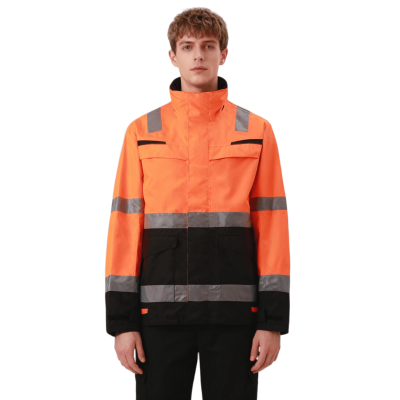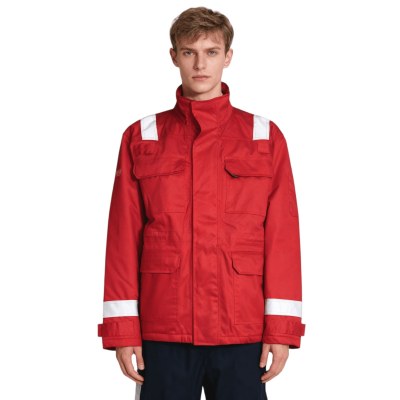
Sourcing US-Market Outdoor Apparel: A Playbook for New Brands, Wholesalers and Trading Companies
The US outdoor market rewards a very specific kind of supplier: one that can move from 50 units of a test style to a full wholesale programme without changing the factory, the paperwork or the specification. For startup brands, wholesalers and trading companies, the constraint is rarely the product idea — it is the sequence of decisions between idea and a landed, compliant, retail-ready carton.
This playbook sets out that sequence for three product families that behave very differently on the US market: hiking apparel, hunting apparel and commuter outerwear. It covers what US buyers expect that European buyers do not, the compliance documents an importer of record actually signs up for, how to model landed cost before the design is locked, and a 90-day launch timeline that a small team can execute. UniOuter manufactures all three families for US brands and wholesalers — the dedicated programme is described on our US-market outdoor clothing manufacturing page.
What US Buyers Expect That European Buyers Do Not
The specification gap between a European and a US range is wider than a size chart. It shows up in fit blocks, colour stories, care instructions and the paperwork that travels with the carton. Buyers who source a European range straight into the US usually discover these differences in the first sample round, which is the most expensive place to find them.
| Dimension | Typical EU Expectation | Typical US Expectation |
|---|---|---|
| Size range | S–XXL, slim through regular | XS–3XL plus tall and plus-size blocks as standard, not as exceptions |
| Fit block | Trim, closer to body | Roomier through chest and sleeve, longer body length |
| Colour story | Muted, tonal, Nordic-influenced | Higher-contrast solids, black and earth tones, camo for hunting lines |
| Care and labeling | EU care symbols, fibre content | FTC-format fibre content, country of origin and care instructions printed in English |
| Compliance focus | REACH, PFAS, ESPR traceability | UFLPA forced-labour documentation, state chemical laws, HTS classification and duty |
| Order rhythm | Two main seasons | Four to six drops a year for DTC brands, with replenishment inside the season |
The cheapest correction. Build the US size block and the English-language care label into the first sample, not the second. Changing a grading table after fit approval costs a full sample round; changing it before costs a spreadsheet.
Three Product Lines, Three Different Specifications
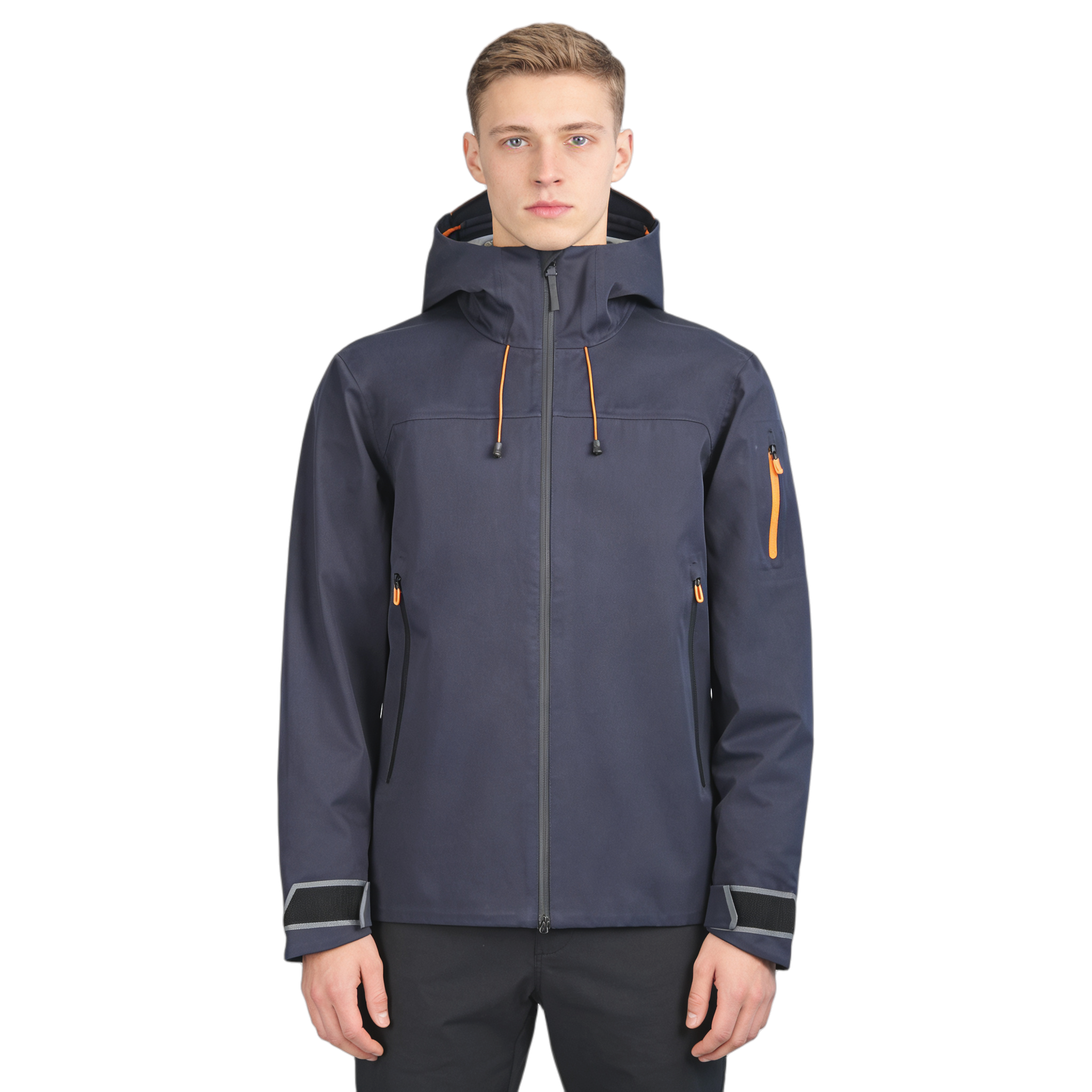
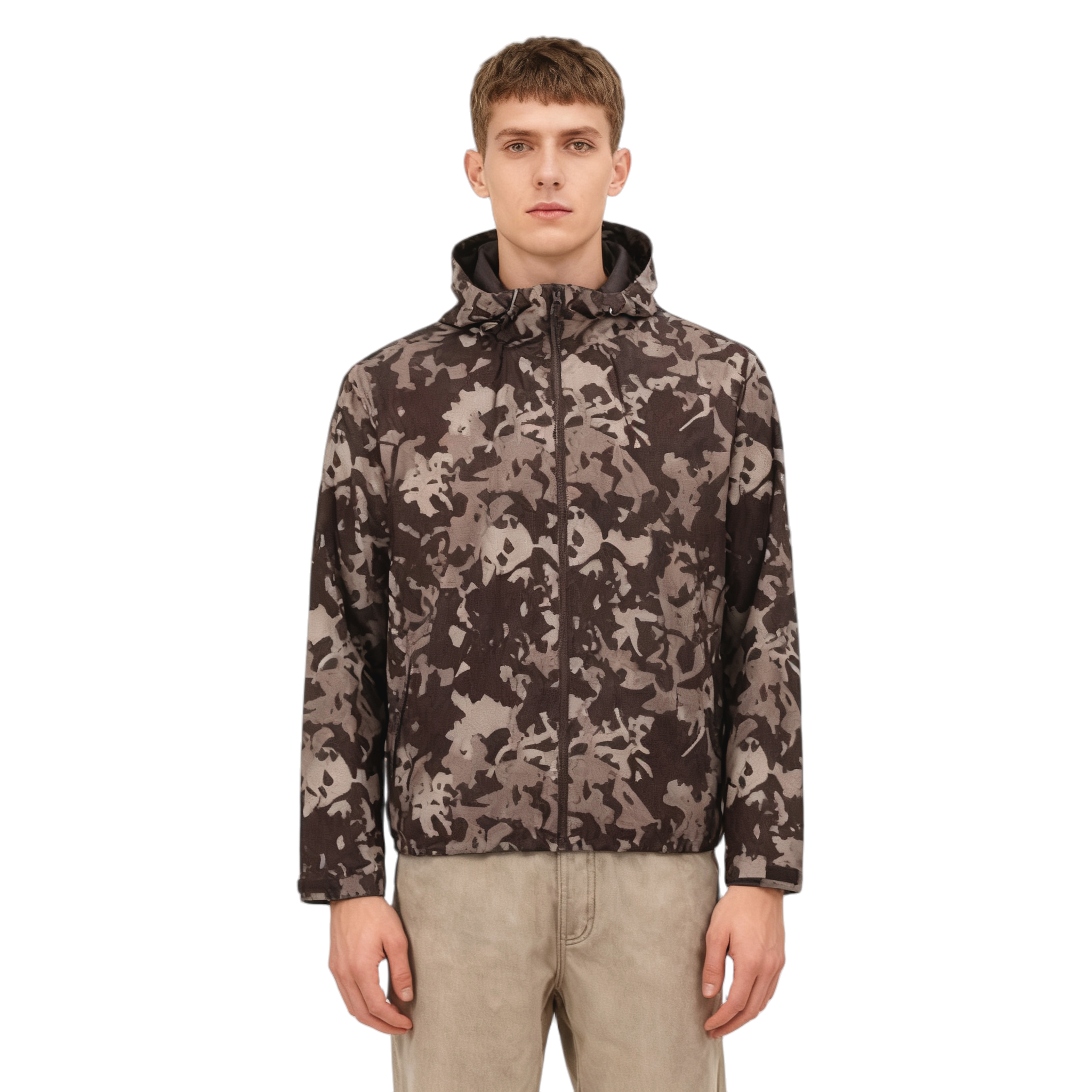
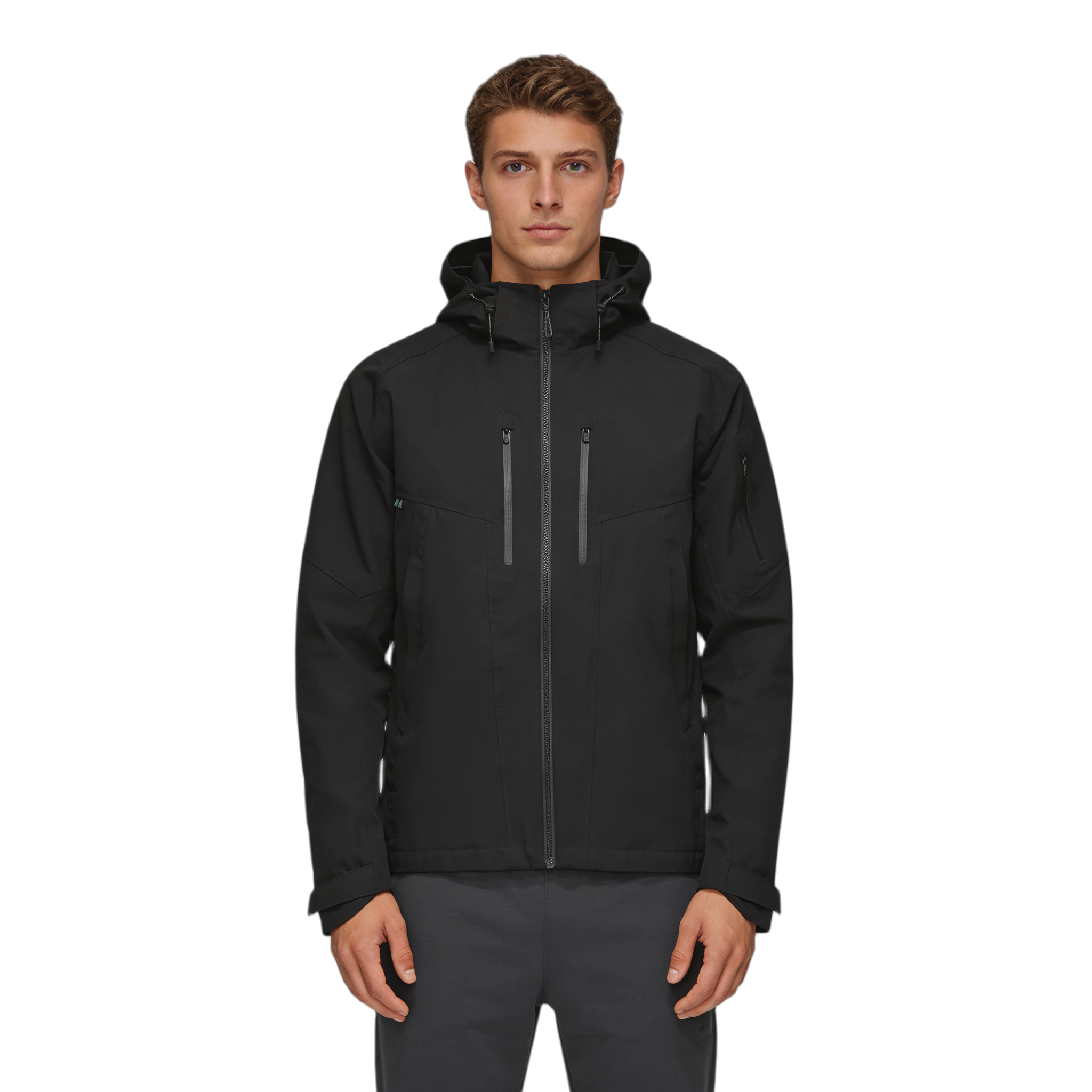
Hiking, hunting and commuter outerwear share a supply base but not a design brief. A factory that builds all three well will still quote them differently, because the failure modes are different: a hiking shell fails on breathability, a hunting jacket fails on noise and visibility compliance, a commuter jacket fails on the hand feel and silhouette that decide whether it sells at full price.
If you are deciding how wide the range should be in year one, the trade-offs between shells, softshells and insulated 3-in-1 styles are covered in our guide to building a complete outdoor jacket product line. For the numbers behind category claims, see the waterproof rating comparison.
The Compliance Stack a US Importer Actually Signs Up For
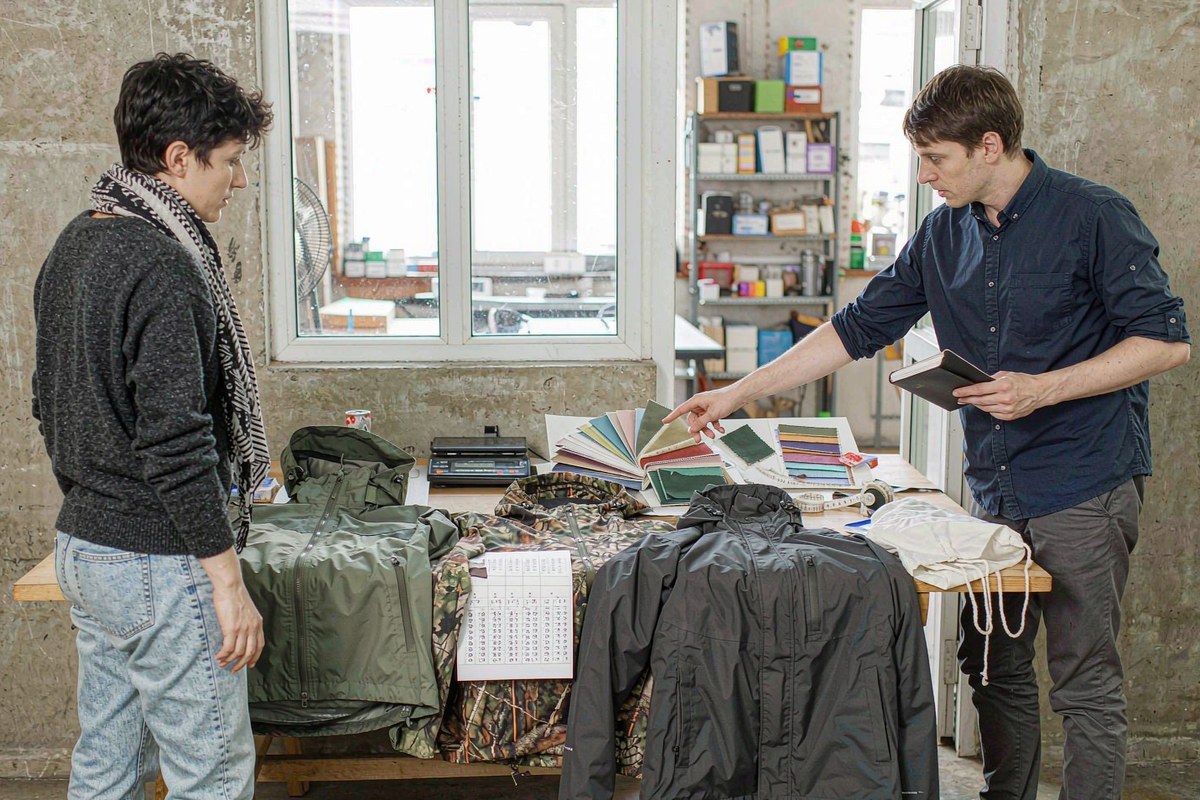
When a US company acts as importer of record, four obligations land on it at once, and three of them are documentation obligations that the factory has to feed. This is the part of sourcing where new brands most often under-budget, because the cost is not a line item — it is time and traceability.
Trade policy through 2025 and 2026 has moved repeatedly, including the closure of the low-value parcel route that many direct-to-consumer launches were built on. Treat any duty table — including the one in this article — as a starting assumption and confirm the current rate stack with a licensed customs broker before you price a season.
Model Landed Cost Before You Lock the Design
Most new brands price a jacket at FOB, add freight, and discover the rest later. The four variables below move the retail price more than a fabric upgrade does, and all four are decided early — by the fibre content, the construction and the shipping method, not by negotiation.
| Cost Driver | What Moves It | When It Gets Locked |
|---|---|---|
| Duty rate | Fibre content and construction decide the HTS chapter; synthetic woven shells carry higher base rates than cotton or blends | At design, when the fabric is chosen |
| Freight mode | Ocean consolidation for planned seasons, air only for test drops and replenishment | At PO placement, driven by the delivery window |
| Entry and broker fees | Formal entry, merchandise processing fee and broker charges apply per shipment, so consolidation changes the unit maths | At shipment plan |
| Working capital | Deposit percentage, payment terms and production lead time decide how much cash sits in inventory | At contract, before the first PO |
A useful discipline for a startup is to build a landed-cost model per style before sampling, then refuse design changes that move the HTS classification without re-pricing. Our hiking jacket cost breakdown shows how the components of a factory quote are usually structured.
MOQ, Lead Time and the Cash Cycle
The single most common mismatch between a new US brand and an overseas factory is not price — it is the assumption that a small first order and a scalable second order can come from the same source on the same terms. They can, but only if the factory is set up for staged volume, and only if the buyer plans the two orders together.
- 1. Test with a small run, but specify it as production. A 50–150 unit first order should use the same fabrics, trims and construction as the volume order, or the test tells you nothing about the scale-up.
- 2. Confirm the quantity break before you design. Fabric minimums, not sewing capacity, usually set the floor. Ask for the fabric MOQ per colour and the price break at each tier.
- 3. Plan sampling and production as one calendar. Sampling, fit approval, bulk fabric and production typically occupy 10–14 weeks. A launch dated to a retail season has to start a full quarter earlier.
- 4. Match payment terms to sell-through. Deposit on order and balance on shipment is standard; if your retail terms are net 60, the gap has to be funded, not discovered.
Brands launching with limited capital should read the low-MOQ waterproof jacket sourcing guide alongside the broader 2026 hiking jacket sourcing guide; between them they cover the quantity thresholds and lead-time structures most new US brands meet in their first year.
What Wholesalers and Trading Companies Should Demand
Wholesalers and trading companies buy differently from brands: they resell to retailers who will ask them the same questions a brand gets asked. The document pack below is what makes a wholesale lot resellable rather than just deliverable.
- A spec sheet per style with fabric weight, composition, finish and membrane, in numbers rather than adjectives
- Test reports per fabric lot: hydrostatic head, breathability, colour fastness and wash durability
- A graded size chart covering XS–3XL plus tall, with tolerance ranges stated
- HTS classification per style and the fibre composition that supports it
- Label and hangtag artwork files, with country of origin and care content in FTC format
- Packing lists by size ratio, carton dimensions and carton weight per style
- A written statement covering forced-labour due diligence and material traceability
- Reproofing and care guidance you can pass to the end consumer
A Realistic 90-Day Launch Timeline
Ninety days is enough for a first production run if the design is decided before day one and the factory already holds the fabric. It is not enough to develop a fabric, so choose styles from a mill's existing article library for the first season.
| Phase | Window | Deliverable |
|---|---|---|
| Brief and line plan | Week 1 | Three to six styles, target FOB, US size block, colour story |
| Sampling and fit | Weeks 2–5 | Two sample rounds, fit approved against the US block |
| Compliance and labels | Weeks 4–6 | HTS codes, label artwork, due-diligence pack |
| Fabric and bulk | Weeks 6–9 | Fabric booked, bulk cut and sewn |
| QC and packing | Weeks 9–11 | AQL inspection, carton packing by size ratio |
| Freight and entry | Weeks 11–14 | Ocean consolidation, formal entry, warehouse receipt |
Where UniOuter Fits
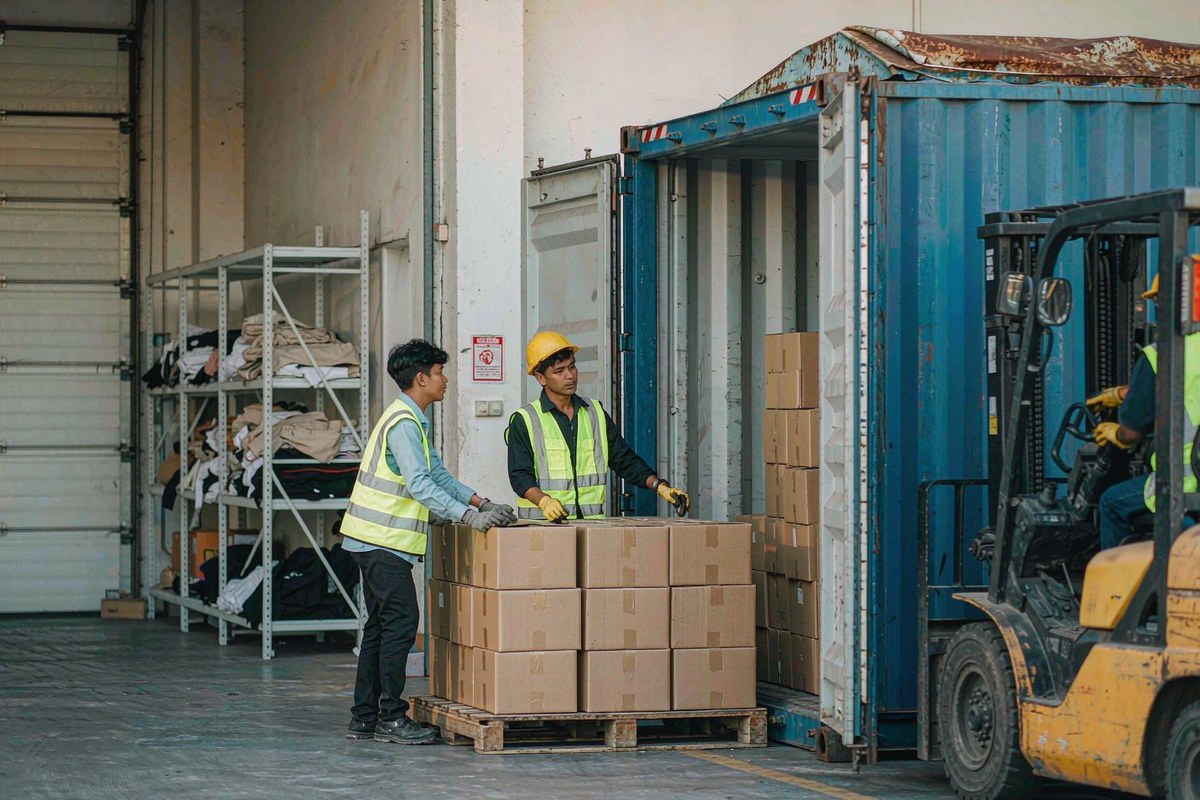
UniOuter manufactures hiking shells, hunting apparel and commuter outerwear for brands, wholesalers and trading companies selling into the US. The programme is built around what this playbook describes: US size blocks graded from XS to 3XL with tall options, staged volume from a small test run to a full wholesale programme, English-language FTC-format labelling, HTS classification per style, PFAS-free chemistry options, and the traceability documentation that UFLPA questions require. The full capability set is set out on our US market outdoor clothing manufacturing page.
If you are launching a US range this season, send the styles you have in mind through our inquiry page and we will come back with fabric options, quantity breaks, a sampling window and the landed-cost variables for each style.
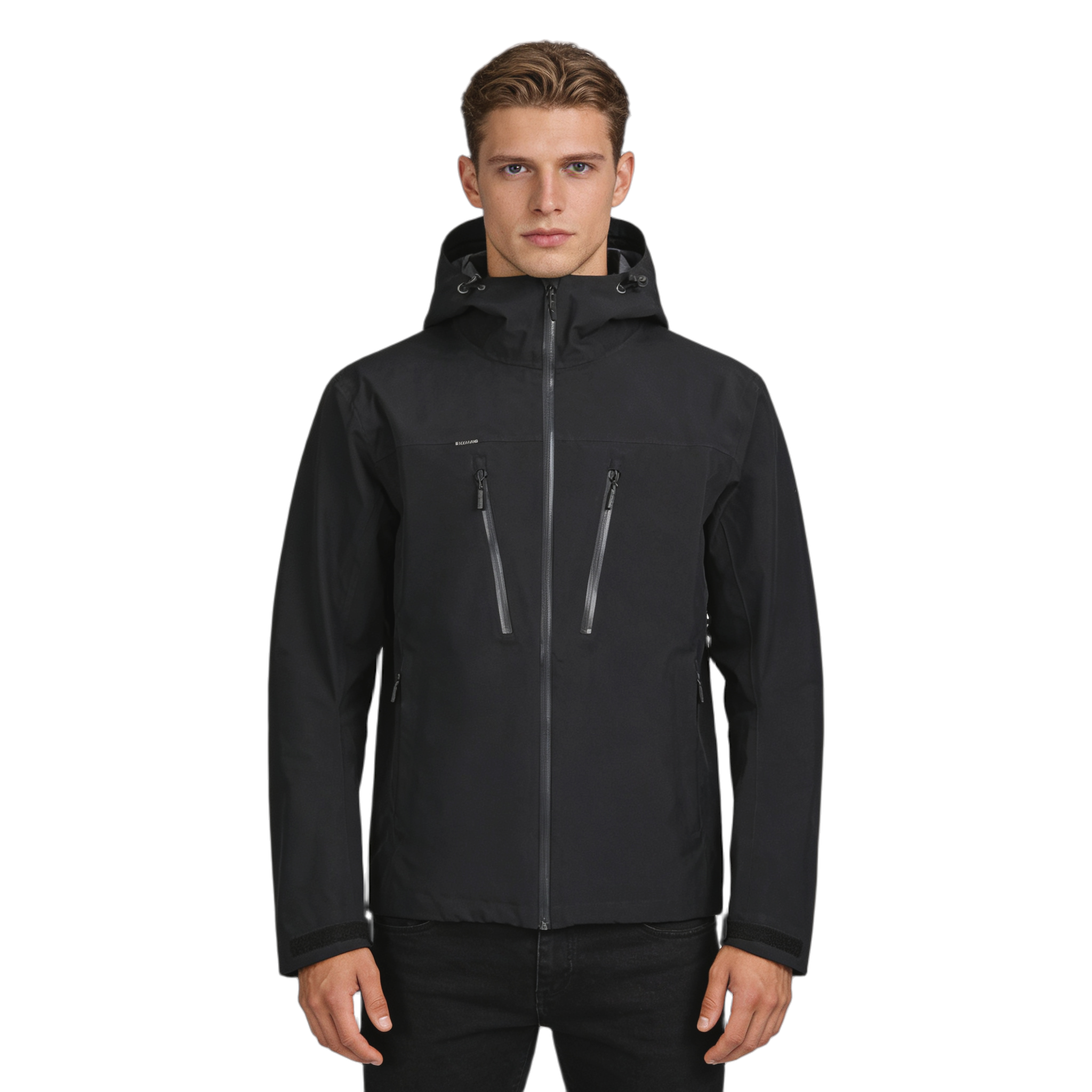
Shop Hiking, Hunting and Commuter Outerwear
Frequently Asked Questions
Most factories set the floor by fabric minimum rather than sewing capacity, so a first run commonly lands between 50 and 150 units per colourway for a style built from a stock fabric, and higher for custom-developed fabrics. Ask for the fabric minimum per colour and the price break at each tier before you finalise the design, because that threshold decides whether your first order is viable.
About 90 days is realistic when the fabric already exists and the design is locked at the brief: roughly four weeks of sampling and fit, three weeks of bulk production, two weeks of inspection and packing, and three to four weeks of ocean freight plus entry. Developing a new fabric or a new print adds four to eight weeks and should be planned as a separate season.
Yes. The obligation attaches to the importer of record regardless of company size, and CBP can request supply-chain documentation at entry. In practice this means knowing which mill made the fabric, which facility cut and sewed the garment, and being able to produce material traceability records. A manufacturer that files this documentation per style and per order makes the process routine rather than reactive.
Most waterproof outerwear falls in HTS Chapter 62, typically under headings for men's or women's anoraks, windcheaters and similar articles, with the specific subheading determined by fibre content and construction. The 10-digit code drives the duty rate, so each style needs its own classification confirmed against the USITC HTS database with a licensed customs broker before you price the season.
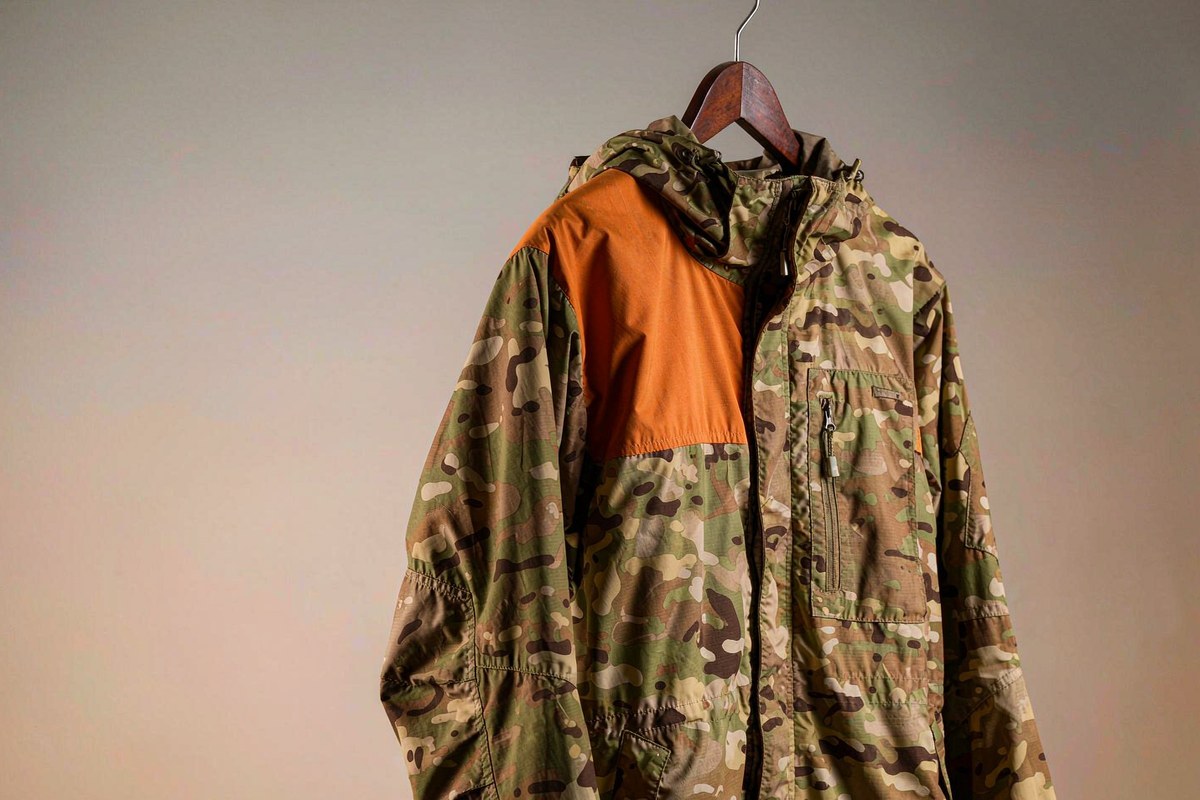
Yes, and doing so usually shortens development because the fabrics and trims overlap. The three lines still need separate specifications: hiking shells are judged on breathability and hydrostatic head, hunting jackets on fabric noise, visibility panels and reinforcement, commuter jackets on hand feel, silhouette and seam placement. Ask to see production samples of all three before committing a range.
US buyers generally expect a fuller fit block through the chest and sleeve, a longer body length, and a graded range that covers XS to 3XL with tall sizes available as standard rather than as a special order. Sending European grades straight to a US retailer is one of the most common reasons a first range is rejected at review.