Smaller First Buys: How AI Demand Planning Is Rewriting the Outdoor Apparel Order Book
The single biggest change moving through outdoor apparel in late 2026 is not a fabric or a silhouette. It is the shape of the order book itself: smaller first buys, more frequent refills, and factories judged on how fast they can repeat, not how big they can start.
Talk to any factory running technical outdoor programs this season and you hear versions of the same sentence: the first order is smaller, and the question that follows it is no longer whether there will be a repeat, but how quickly. This briefing maps why the order book is changing, what it demands from manufacturers, and how brand buyers should structure programs around it. For the wider market frame, our 2026 industry trends report and our reading of the European market from the factory floor cover the demand side; this piece stays on the supply side.
Why the Order Book Is Changing Shape
Three pressures are converging on the first buy. The first is analytical: brands are applying machine-learning demand forecasting at SKU and region level, which reduces the guesswork that used to justify large opening buys. When a planning system can predict sell-through by style and size, buying six months of stock up front stops looking prudent and starts looking expensive.
The second is regulatory. The EU's Ecodesign for Sustainable Products Regulation bans the destruction of unsold consumer textiles, and digital product passports are phasing in behind it. Unsold stock that once could be quietly liquidated now has to be resold, recycled or paid for, which moves the risk of overproduction directly onto the brand's balance sheet. The third is climatic: warm, late winters have repeatedly stranded insulated inventory, and the World Meteorological Organization record of consecutive record-warm years makes that risk structural rather than exceptional.
| Order book element | Old model | New model |
|---|---|---|
| First buy | One large seasonal commitment | Capsule opening buy, sized to validate demand |
| Replenishment | Exception, negotiated ad hoc | Planned from day one, weekly or monthly cadence |
| Fabric strategy | Booked once, in bulk, per season | Base fabric booked with refill options held |
| Factory KPI | Capacity and price | Repeat speed, small-batch consistency, fabric availability |
| Risk location | Factory holds WIP, brand holds stock | Both share it through staged commitments |
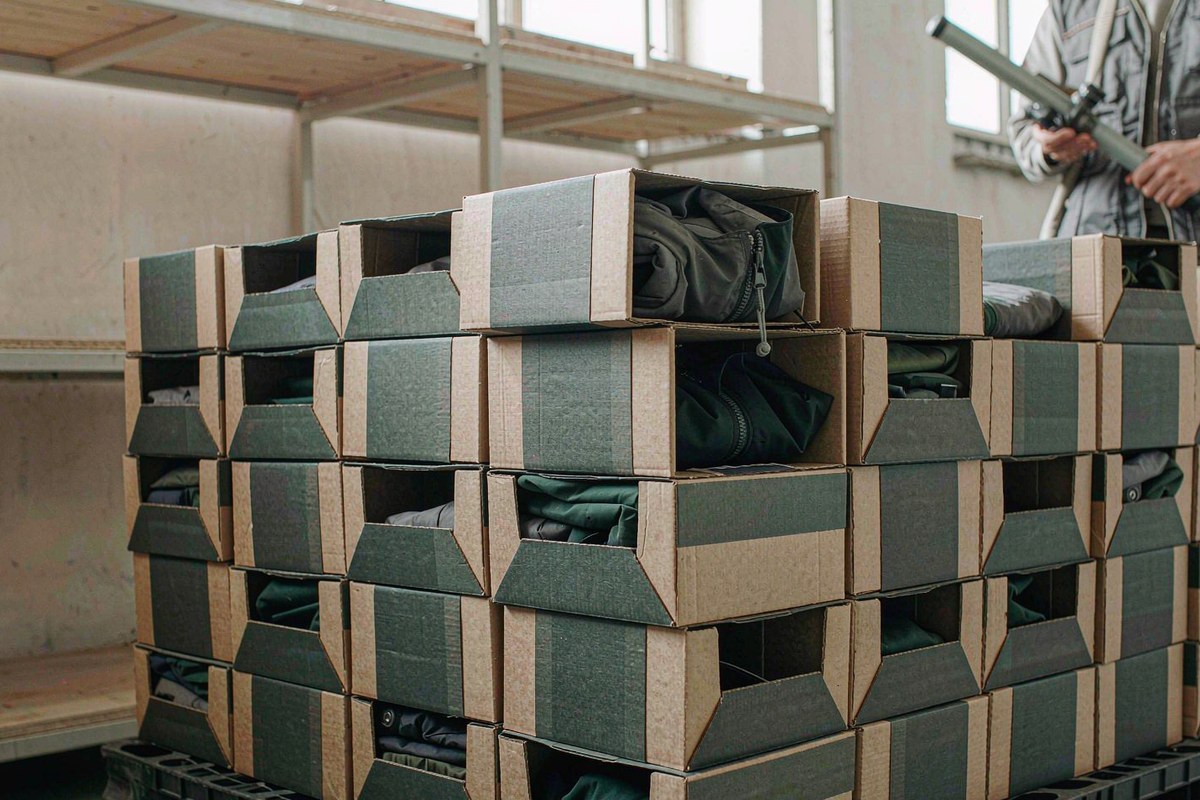 Replenishment staging: compact cartons of repeated styles, not one bulk seasonal shipment
What This Demands From Factories
A factory built for one large seasonal run and a factory built for capsule-plus-replenishment are different machines. The second needs the discipline to cut 300 units with the same seam quality as 30,000, the fabric relationships to hold base cloth open across a season, and the planning transparency to tell a brand when a refill can realistically land. It also needs to price honestly: small runs carry a real handling cost, and pretending otherwise is how low-MOQ programs quietly fail in month three.
- Line changeover discipline - documented, timed changeovers so a 300-piece refill does not disrupt the main program
- Base fabric booking - mainland mill relationships that let a brand reserve greige or finished rolls against planned refills
- Small-batch QC parity - the same inspection protocol at 300 units as at 30,000, with records a brand can audit
- Honest lead-time windows - quoted refill dates that account for fabric, trims and customs rather than optimistic best cases
- Data handshake - willingness to work from the brand's sell-through data, not just its purchase orders
The question buyers ask has changed. It used to be what is your best price at fifty thousand pieces. Now it is: show me your last three refills and tell me why each one slipped or held.
Program planning observation, export factory floor, autumn 2026How Brand Buyers Should Structure Programs
For a brand buyer, the practical shift is to stop treating the first buy as the decision and start treating it as the first data point. The programs working best right now run on a simple rhythm: a small validated capsule, a read of real sell-through, then staged refills against pre-booked fabric. Our guide to negotiating MOQ with outdoor clothing manufacturers and our small-batch vs mass-production playbook cover the negotiation side; the timeline below covers the sequencing side.

In a replenishment model, fabric is the long pole. A factory that can hold your base shell fabric open, match dyelots across refills and substitute cleanly when a mill slips is worth more than a two-percent price advantage. Bring your fabric decisions to the first conversation, not after the first buy.
Where UniOuter Fits In
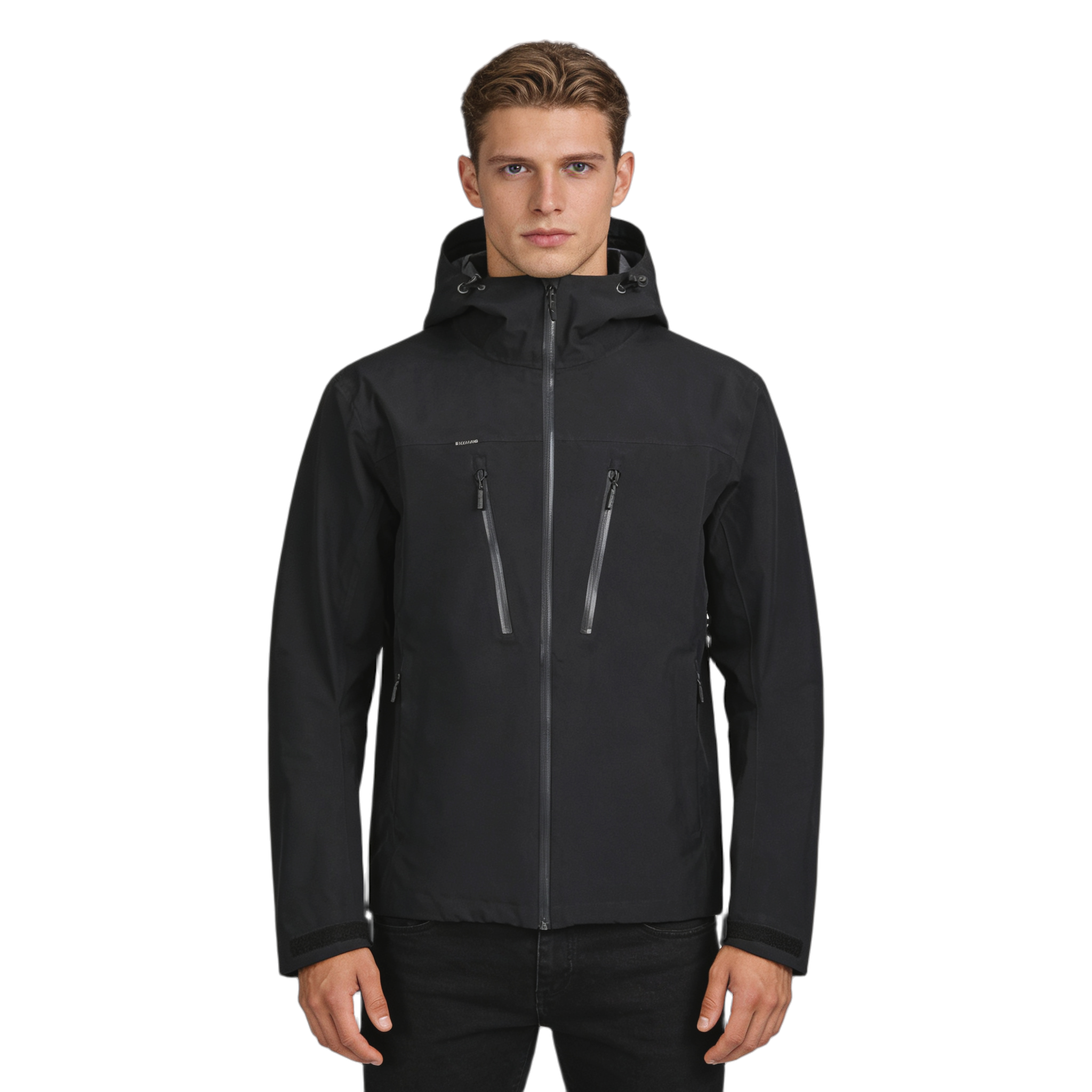
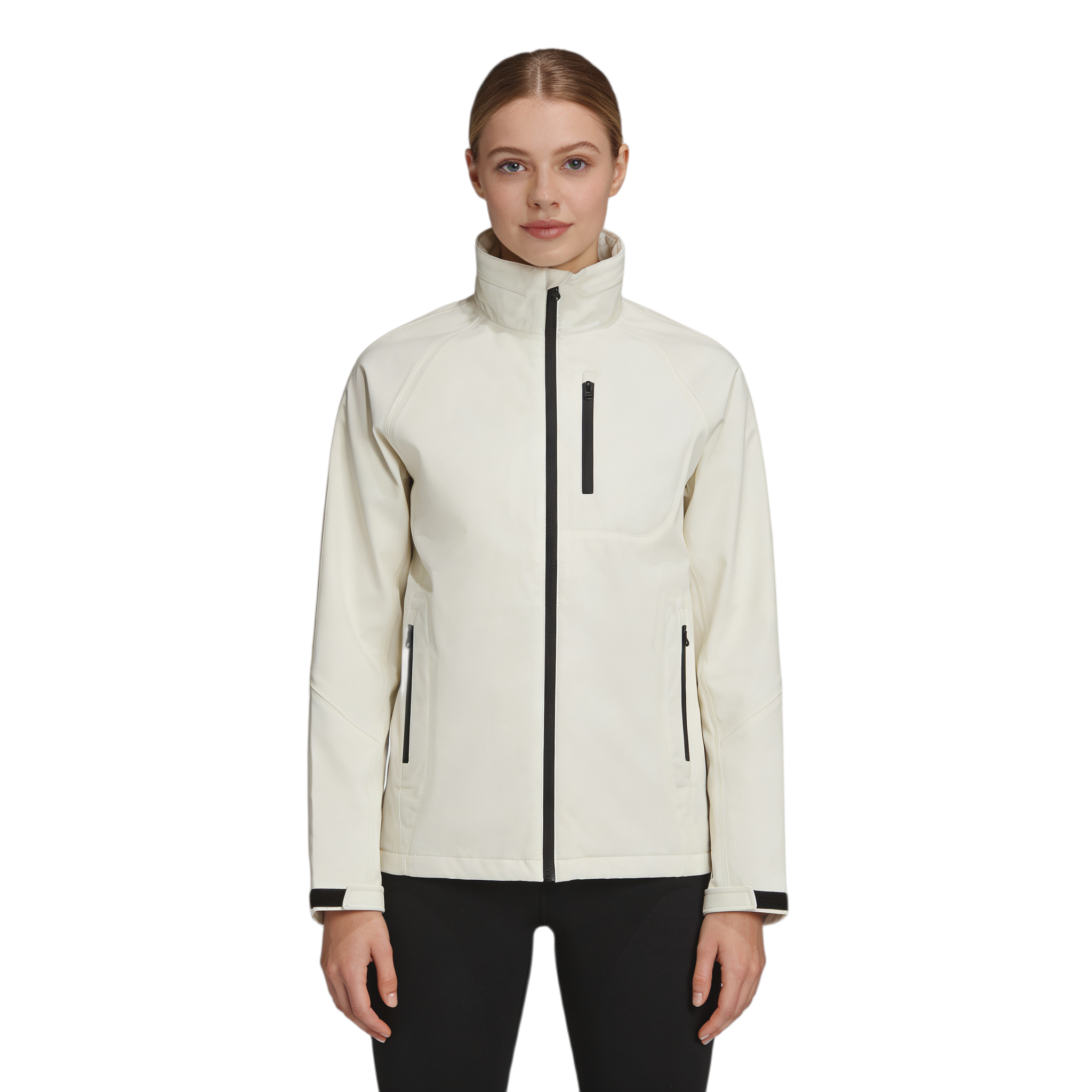
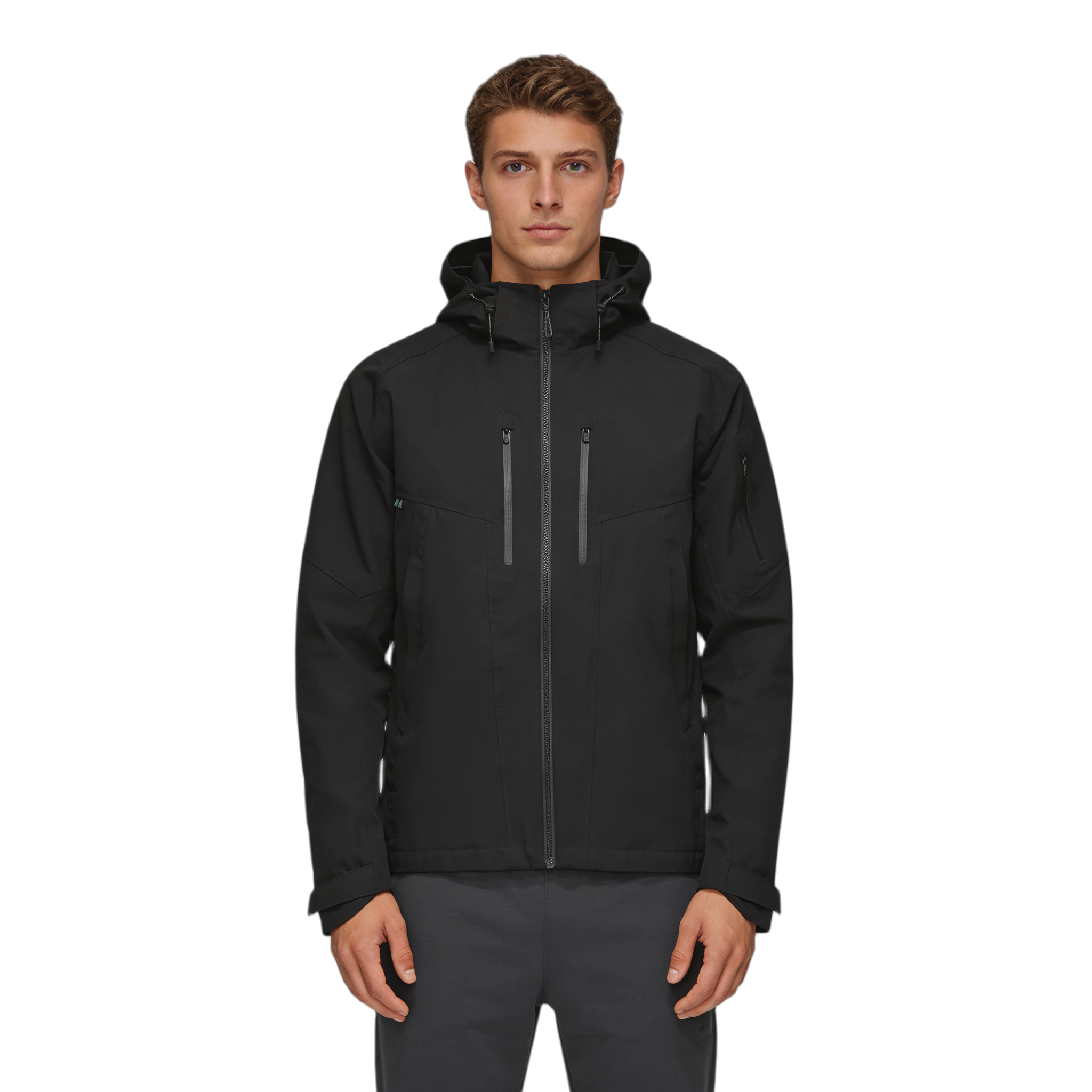
UniOuter's program was built for this order shape: 300 to 500 piece starting runs on technical shells, in-house fabric development with a 2,000-plus style library, and repeat production on the same lines with the same QC protocol as the opening order. The low-MOQ hiking jacket sourcing guide and the startup OEM comparison break down how that compares with traditional factories. The durable, repairable design logic from our Quiet Technical analysis also compounds here: garments built to last are the ones worth replenishing rather than replacing.
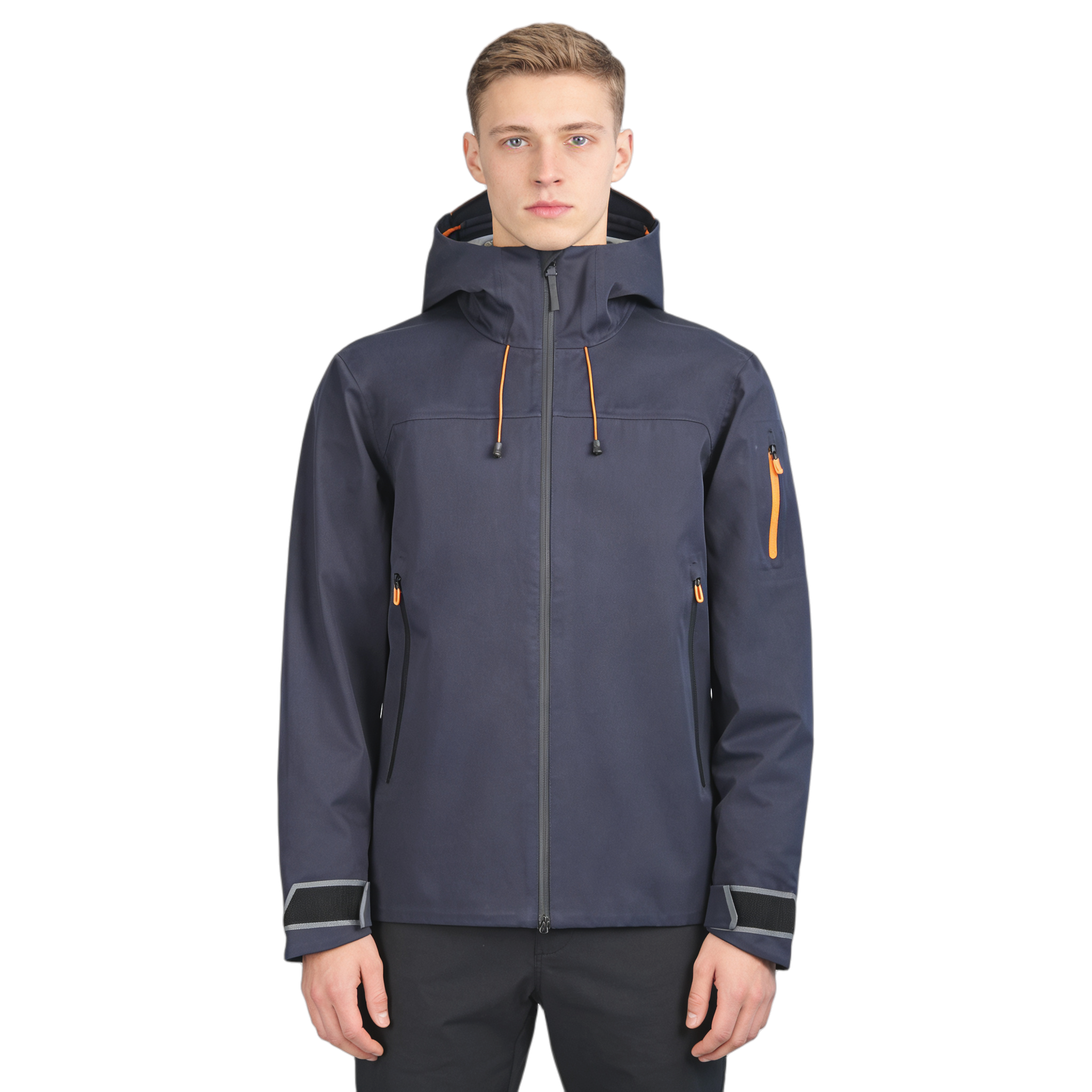
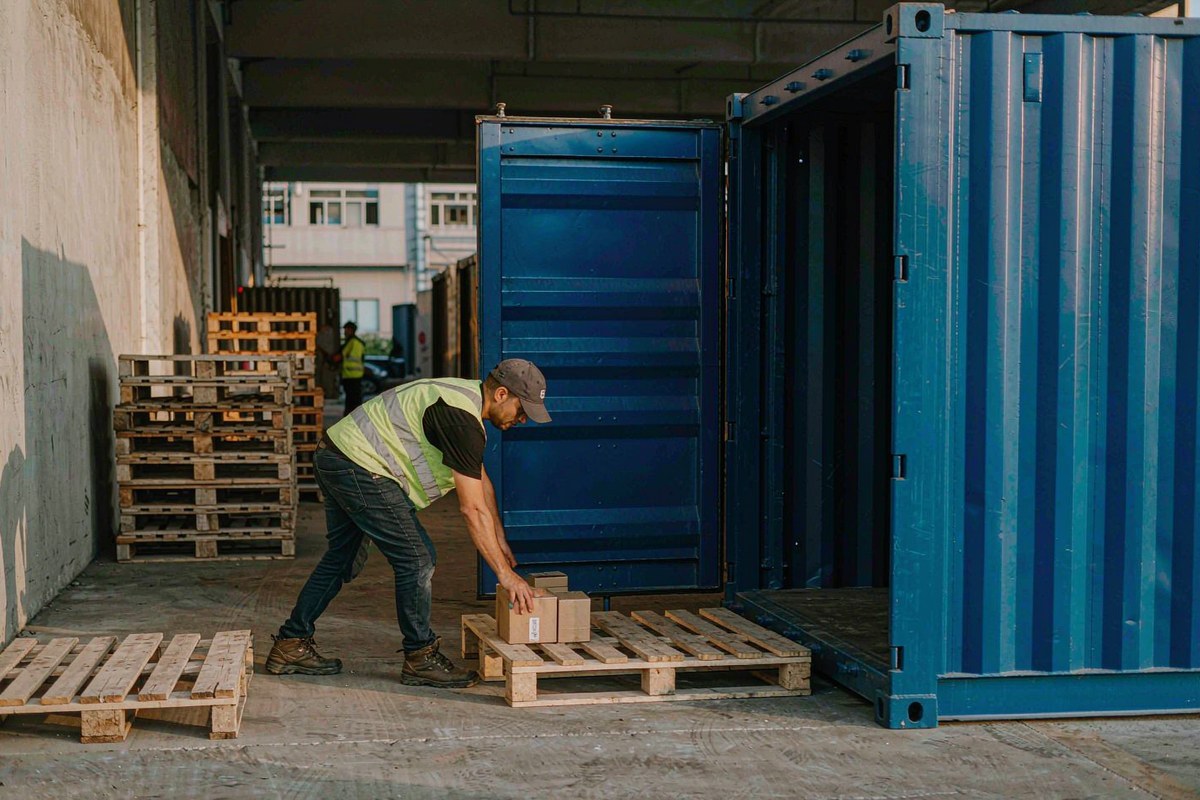 Staged export: more shipments, smaller each, planned against live sell-through
AI-assisted demand forecasting reduces the need to hedge demand with large opening buys, while EU rules against destroying unsold textiles and a run of warm, unpredictable winters make leftover inventory expensive. Smaller capsules with planned refills shift the model from forecasting to responding.
Under Regulation (EU) 2024/1781 on ecodesign requirements for sustainable products, the destruction of unsold consumer textiles is banned for large companies, with phased application and exemptions for small and micro enterprises. Digital product passports phased in under the same regulation will make garment-level traceability standard.
A capable low-MOQ factory runs the same patterns, seam specifications and inspection protocol at 300 units as at 30,000, with timed line changeovers protecting consistency. The differentiator is discipline, not size, which is why buyers should audit small-batch QC records specifically.
With base fabric pre-booked and trims in stock, a repeat shell run typically ships in a fraction of the original development lead time, because sampling and fabric cycles are already done. Without pre-booked fabric, the refill waits on the mill, which is usually the true constraint.
Consecutive record-warm years make heavy single-purpose insulation inventory risky and favor modular layering systems - lightweight shells plus active insulation - that sell across more weeks of the year and replenish against observed weather rather than calendar assumptions.
At minimum: SKU-level sell-through, return reasons and the refill calendar. Factories that can see demand shape can plan line time and fabric options, which shortens the brand's own replenishment cycle more than any negotiation tactic.
Planning a capsule-plus-replenishment program for spring 2027? Send us your style brief and target first-buy size.
Start a conversation