The EU PFHxA Restriction Is Now in Force: A Buyer's Checklist for PFAS-Free Waterproof Jackets
The EU PFHxA restriction stopped being a future deadline on 10 October 2026. Waterproof clothing with fluorine levels above the new thresholds can no longer legally be placed on the EU market, and the duty falls on the importer or brand that places the goods there — which means it lands on your sourcing files, not your factory's.
This checklist is written for brand buyers, product managers and private-label retailers who source waterproof outerwear. It explains what the regulation actually restricts, what the ppm-level limits mean in practice, where fluorine risk hides inside an ordinary rain jacket, and the eight questions worth asking any manufacturer before you commit a season to PFAS-free production. For background on the wider ban, read our earlier guide on how outdoor jacket manufacturers prepared for the 2026 EU restriction.
What Actually Became Law on 10 October 2026
The restriction now in force is Regulation (EU) 2024/2462, adopted in September 2024, which added an entry to Annex XVII of REACH restricting perfluorohexanoic acid (PFHxA), its salts and PFHxA-related substances. It is not the full-class PFAS ban that is still under assessment at ECHA — it targets one subgroup whose main commercial use happens to sit exactly where outdoor apparel sits: durable water-repellent finishes on textiles.
| Item | Detail | What It Means for a Jacket Programme |
|---|---|---|
| Application date (apparel) | 10 October 2026 | Waterproof and water-repellent clothing placed on the EU market from this date must comply |
| Other consumer textiles | 10 October 2027 | Non-clothing textiles such as carpets follow one year later |
| Limit: PFHxA and its salts | 25 ppb per homogeneous material | Effectively bans intentional fluorochemical DWR |
| Limit: PFHxA-related substances | 1,000 ppb per homogeneous material | Catches residues, cross-contamination and legacy auxiliaries |
| Grandfathering | Goods placed on the market before 10 Oct 2026 may continue | In-transit and warehouse stock built to old specs is a timing risk, not an exemption |
The detail that matters most. The limits are written per homogeneous material at parts-per-billion level. Compliance is not only about whether anyone intentionally applied a fluorochemical finish — residues carried over on shared coating lines, in recycled fibre or in seam-tape adhesives can push one component over the threshold even when the shell fabric passes.
Where Fluorine Risk Hides Inside an Ordinary Jacket
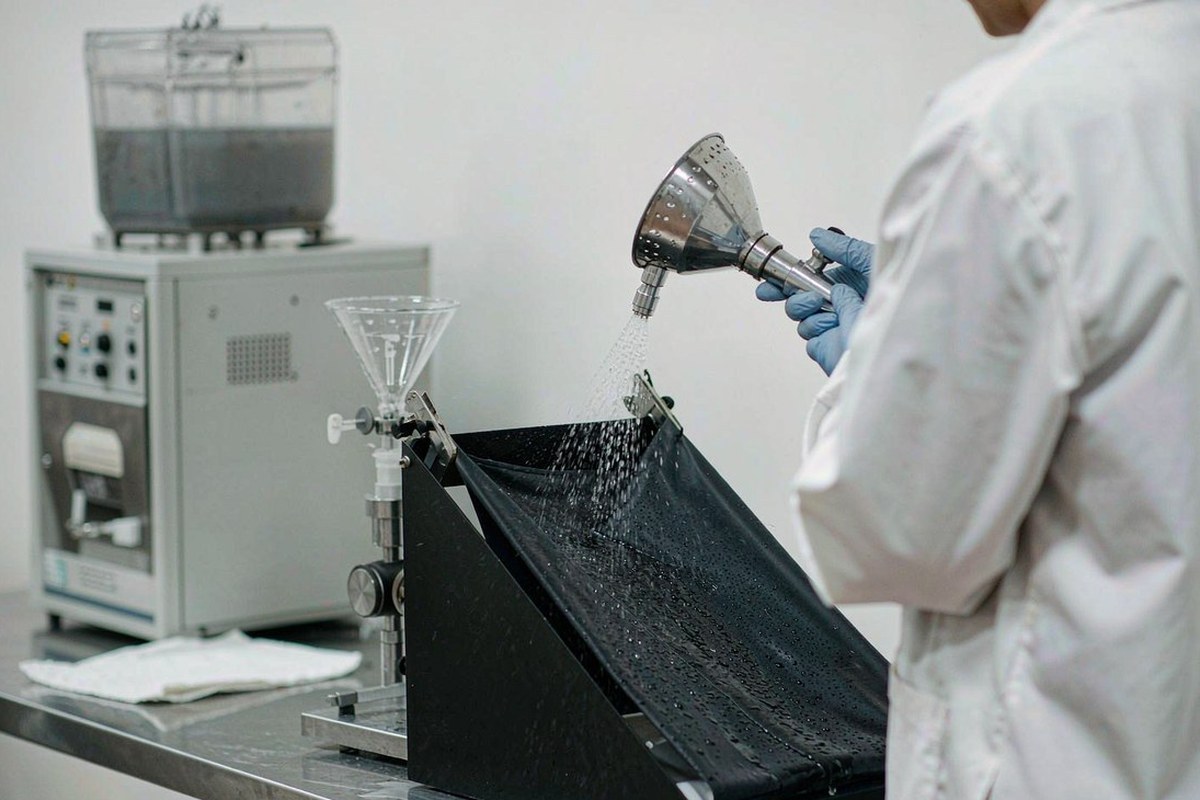
Buyers often test the face fabric and stop there. A waterproof jacket has at least three fluorine-relevant layers, and a finished-garment pass with a component-level fail is one of the most common outcomes in the transition period.
This is why material-level declarations matter more than a single finished-garment test. Our guides to how waterproof-breathable fabrics work and to seam sealing technology break down each layer in detail.
The Buyer's Checklist: Eight Questions Before You Place a PFAS-Free Order
PFAS-Free Chemistry Options, Compared
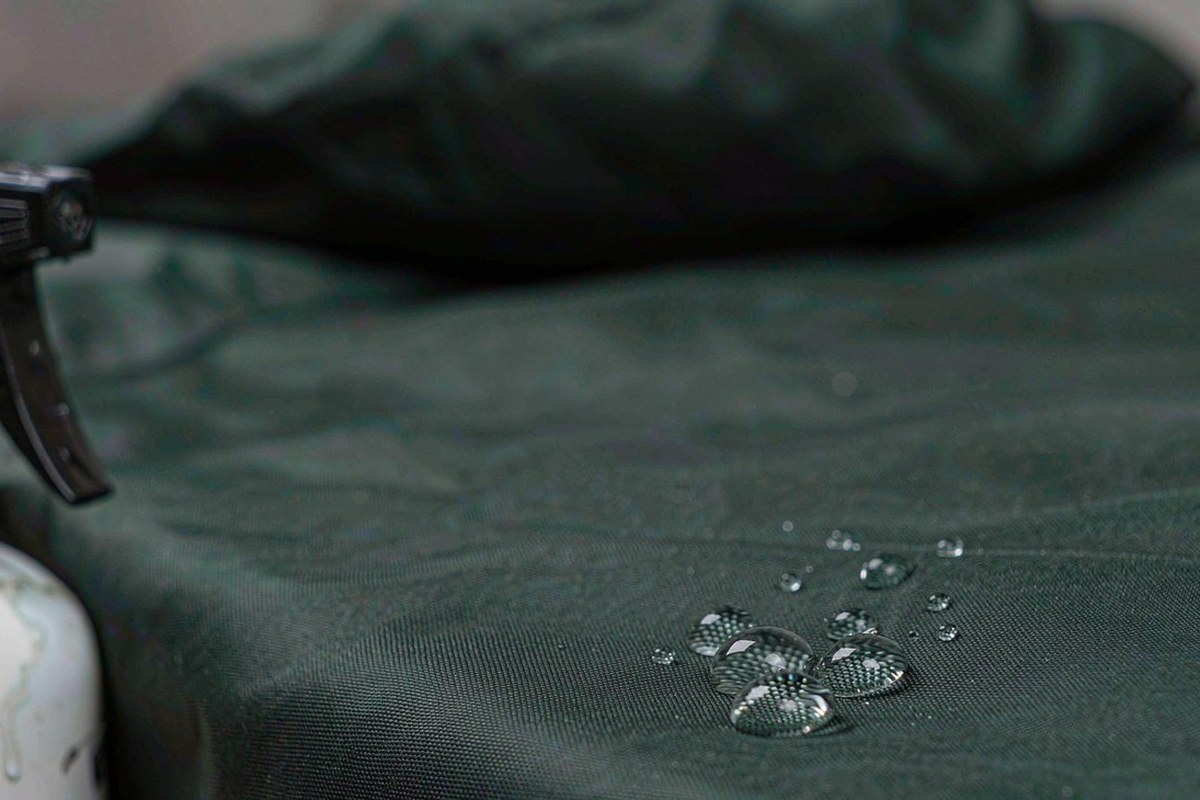
Fluorinated chemistry delivered two things at once: water repellency and oil-and-dirt resistance. The compliant alternatives match water repellency well, give up some oil repellency, and differ mainly in cost, hand feel and wash durability.
| PFAS-Free Option | Water Repellency | Wash Durability | Typical Use |
|---|---|---|---|
| Paraffin-based DWR | Good initial beading | Moderate; needs earlier reproofing | Volume lines, general outdoor and rainwear |
| Silicone-based DWR | Good beading, soft hand feel | Good | Mid-range shells and commuter outerwear |
| Bio-based / hybrid polymer DWR | Very good | Good to very good | Premium lines with sustainability positioning |
| ePE membrane | Full waterproof protection | Excellent (structural, not a coating) | Technical hiking, mountaineering and ski shells |
How these options compare against named membrane platforms is covered separately in our waterproof fabric comparison for brands, and the rating numbers behind 'waterproof' claims are explained in the waterproof rating guide.
What Waiting or Guessing Costs You
There is no pre-market approval; national market surveillance tests goods already on shelves, and a failed lot is a recall, not a fine letter.
Major EU and US retailers began requiring PFAS-free declarations from suppliers years before the legal deadline; brands without files lose shelf space first.
If a stock fabric fails at component level, the fix is a fabric change, a requalification and new wash testing — one full development cycle.
The full-class PFAS restriction remains under ECHA assessment; suppliers who document chemistry per material now will not repeat this project later.
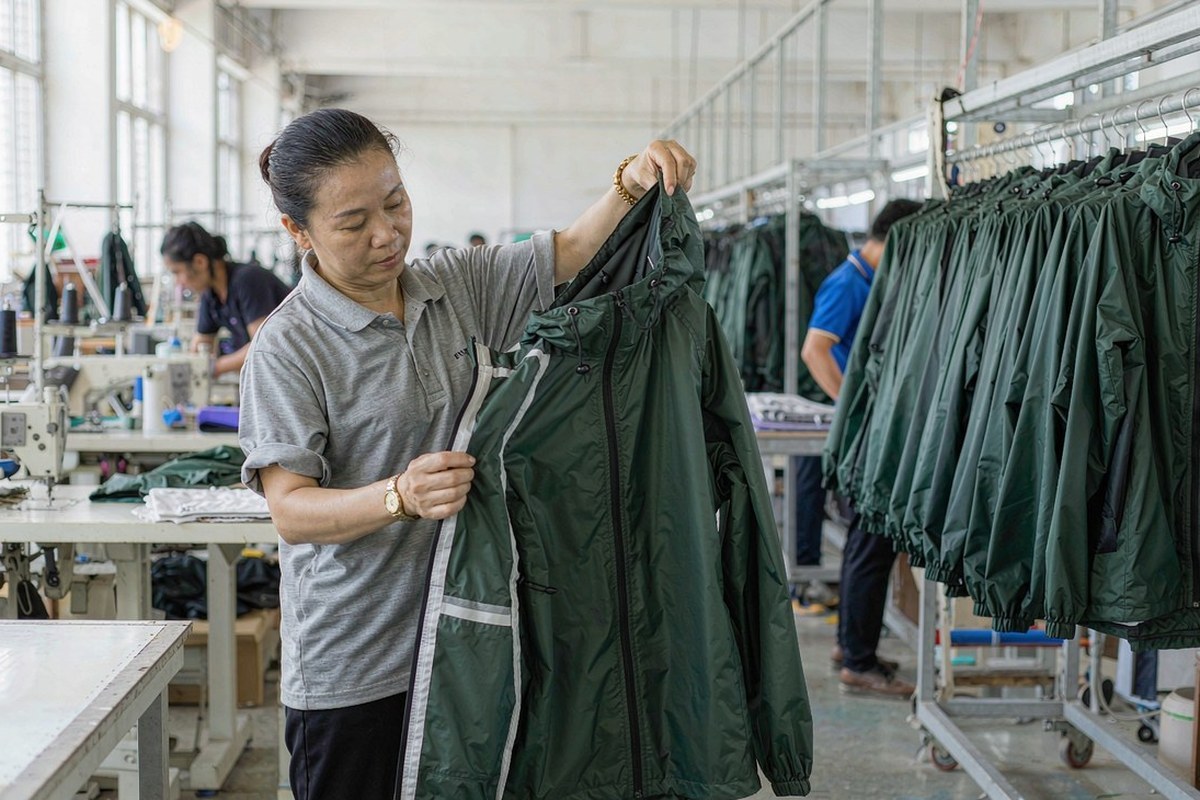
Where UniOuter Fits
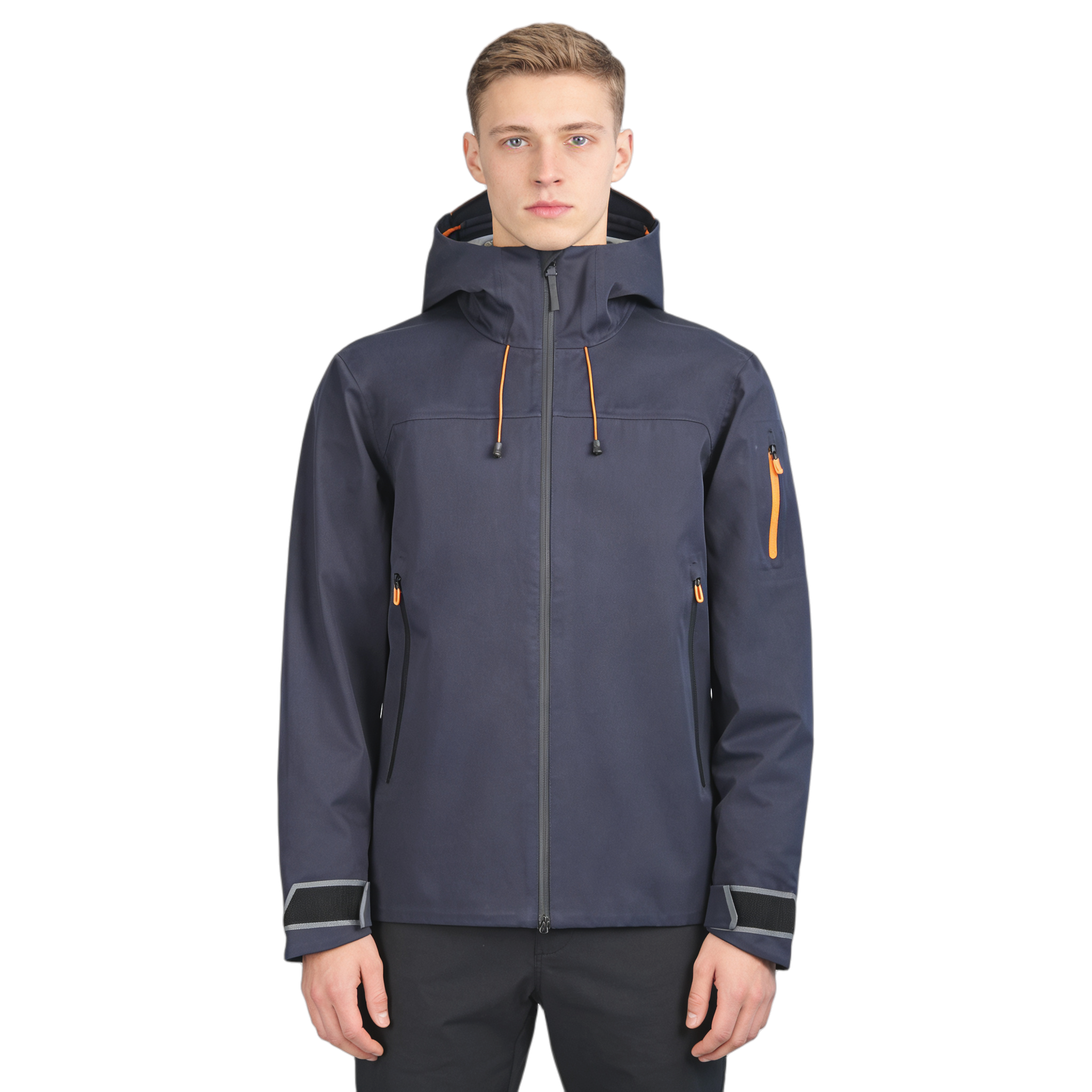
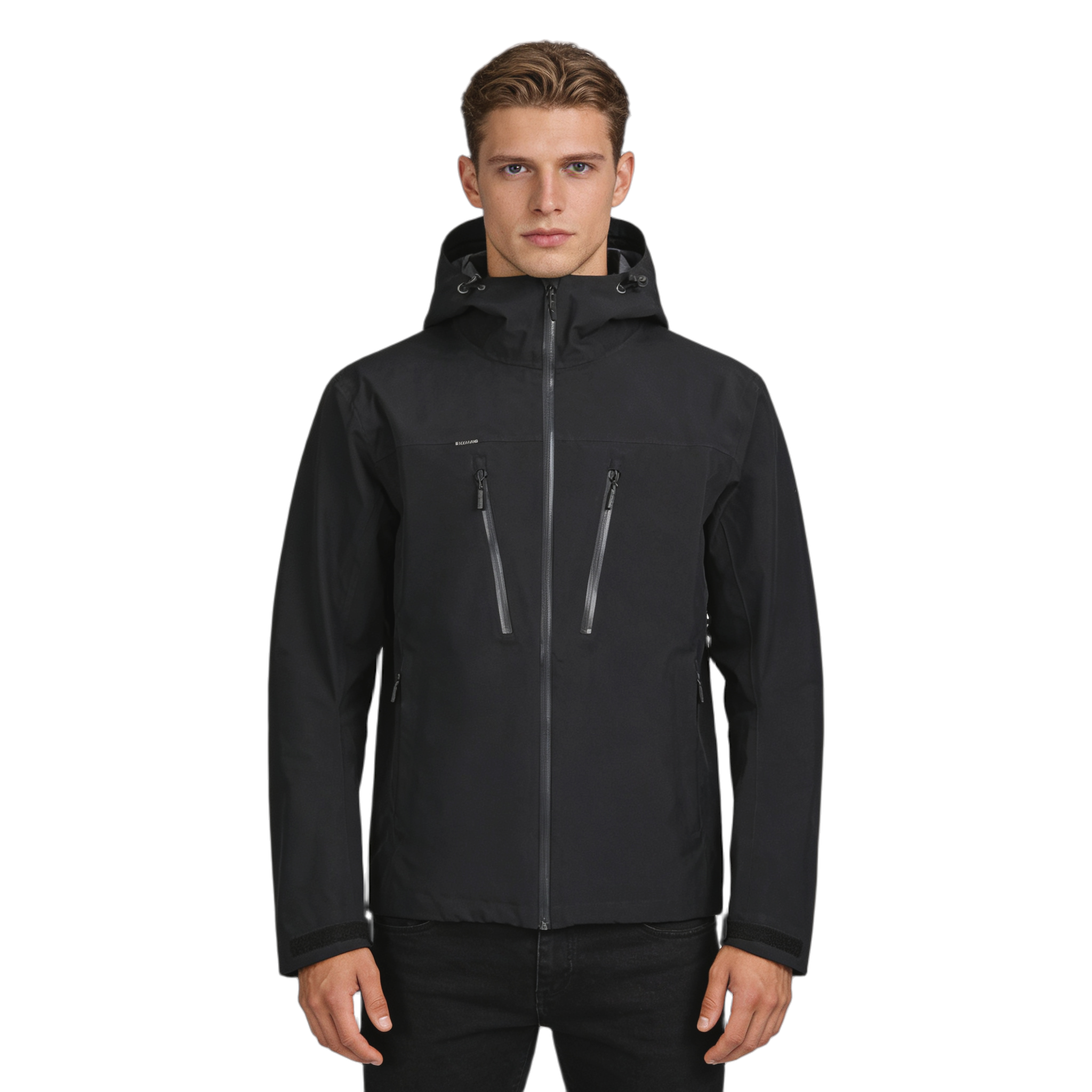
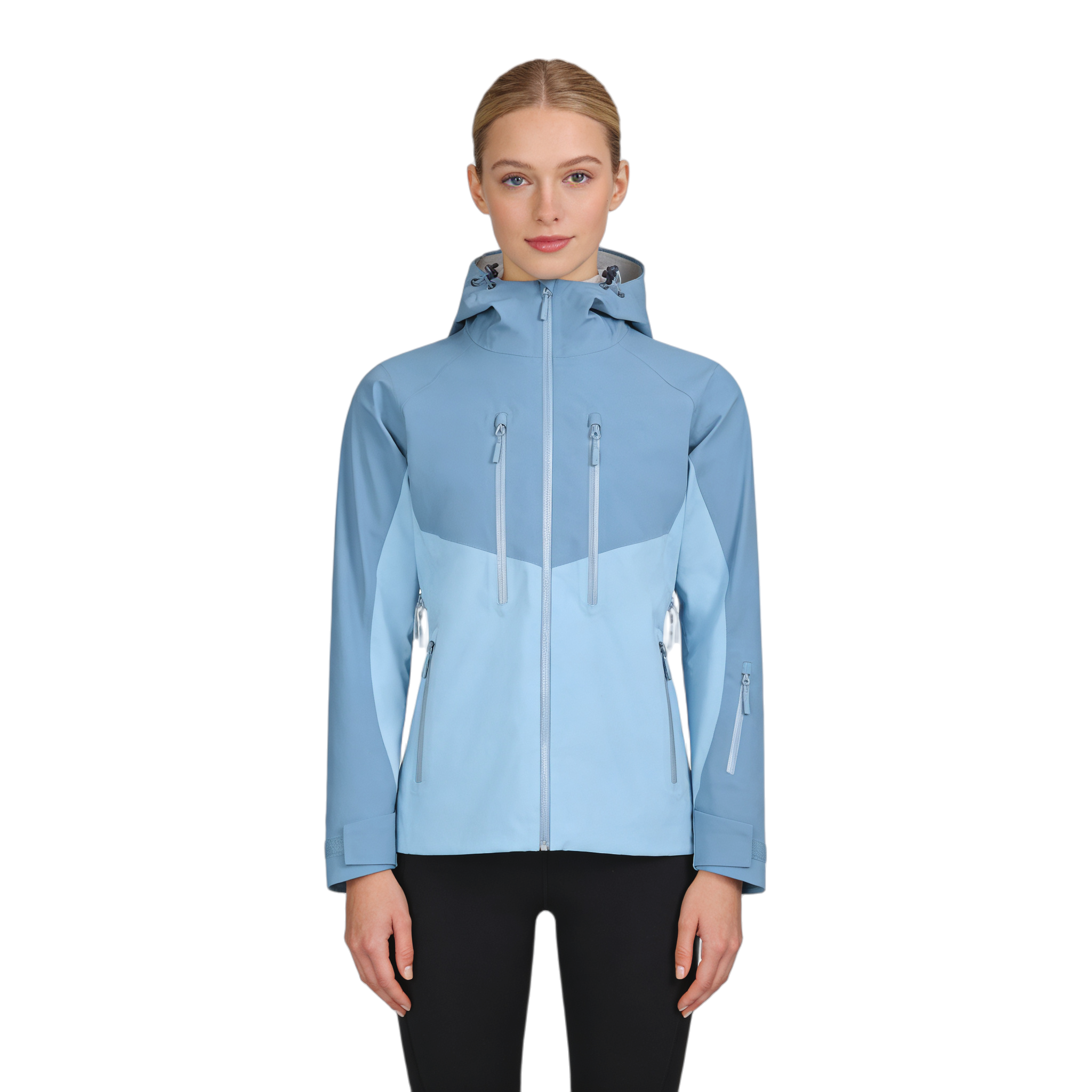
We manufacture waterproof hiking shells, mountaineering jackets and commuter outdoor wear for brands in Europe and North America, and our PFAS-free programme is built the way this checklist describes: fluorine-free DWR and membrane options across the range, component-level fluorine declarations for shell, tape and trims, batch-referenced test reports, and wash-durability protocols written into the specification instead of discovered after delivery. The compliance documents are filed per style and per order, so your customs and retailer audit files build themselves as you buy.
If you are planning your first fully PFAS-free season, send your specification through our inquiry page and we will return the declaration set and test evidence we can already cover for each style.
Shop PFAS-Free-Ready Waterproof Outerwear
Frequently Asked Questions
The first binding part is. Regulation (EU) 2024/2462 restricting PFHxA, its salts and related substances has applied to clothing, footwear and other consumer textiles placed on the EU market since 10 October 2026, with concentration limits of 25 ppb for PFHxA and its salts and 1,000 ppb for PFHxA-related substances per homogeneous material. The broader full-class PFAS restriction is still under ECHA assessment.
Yes, if they were placed on the EU market before the application date — the restriction applies at the point of placing on the market, not manufacture. Goods still in production or in transit on the cut-over date are a genuine commercial risk, so warehouse timing and re-order cut-over dates should be managed explicitly.
Modern fluorine-free DWR systems based on silicone, polyurethane or bio-based hybrid chemistry provide good to very good initial water beading, and ePE or polyurethane membranes deliver full waterproof protection structurally. The practical differences are lower oil and stain resistance and faster beading loss after repeated washing, which is why a wash-durability protocol should be part of the specification.
Component-level fluorine declarations covering face fabric, membrane, seam tape, thread and trims; ppb-level test reports tied to batch numbers and the 25/1,000 ppb thresholds; and wash-durability test results against the agreed protocol. Generic mill statements without lot references do not survive a customs spot check or a retailer audit.
Yes. The obligation falls on whoever places the product on the EU market, regardless of where the brand is headquartered. Non-EU brands selling into Europe carry the same duty and pass the documentation requirement back to their manufacturer. In the United States, state-level bans in California, New York and Maine already restrict intentionally added PFAS in textiles, with California's organic fluorine threshold tightening further in 2027.