Waterproof Rating Comparison Guide: What 5K, 10K, and 20K mm Means for Your Product Line
Waterproof ratings are the most misunderstood specification in outdoor apparel. A "10,000mm waterproof" jacket sounds impressive — but what does that number actually mean for your customer standing in a rainstorm? This guide decodes hydrostatic head ratings, breathability metrics, and how to match the right specification to each product category in your line.
At UniOuter, we manufacture jackets across the full waterproof spectrum, from 5,000mm casual hiking shells to 20,000mm+ alpine mountaineering硬壳s. Our custom design team helps brands select the right fabric specification for each target market and price point. For a broader comparison, see our guide on waterproof vs water-resistant.
How Waterproof Ratings Work: The Hydrostatic Head Test
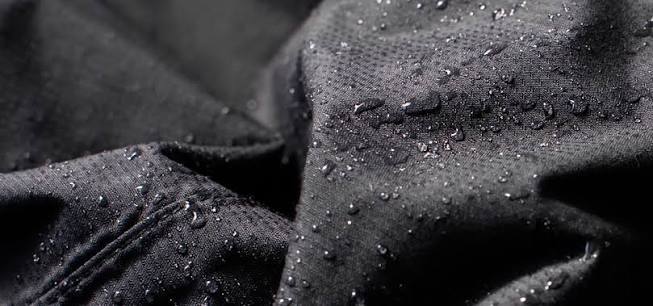
The waterproof rating you see on outdoor jackets is measured using a hydrostatic head (HH) test. A fabric sample is placed under a column of water, and the pressure is gradually increased until water penetrates through the fabric. The height of the water column in millimeters at the point of leakage is the rating. A 10,000mm rating means the fabric withstood a 10-meter column of water before leaking.
| Rating (mm) | Protection Level | Real-World Equivalent | Best Application |
|---|---|---|---|
| 5,000mm | Water-resistant | Light rain, 2–3 hours | Casual hiking, commuting |
| 10,000mm | Waterproof | Steady rain, 4–6 hours | Trail hiking, general outdoor |
| 15,000mm | Highly waterproof | Heavy rain, all day | Backpacking, trekking |
| 20,000mm+ | Extreme waterproof | Storm conditions, prolonged | Mountaineering, alpine |
Here's the trade-off that many brands miss: as waterproof ratings increase, breathability typically decreases. A 20,000mm fabric keeps water out brilliantly but can feel like wearing a plastic bag if the breathability rating doesn't match. The key is finding the right balance for your product's intended use.
Breathability Ratings: The Other Half of the Equation
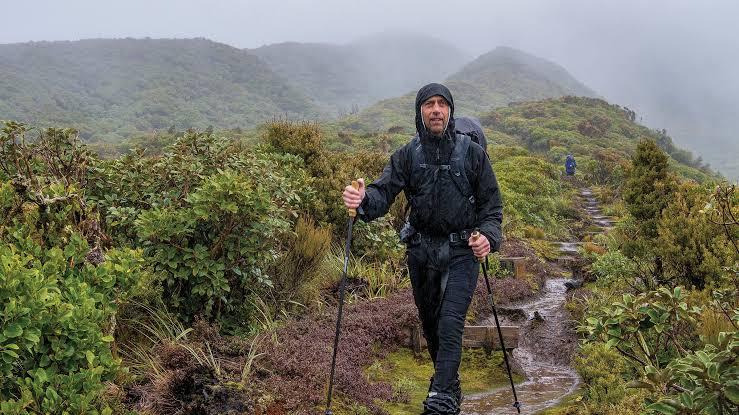
Breathability is measured as Moisture Vapor Transmission Rate (MVTR), expressed in grams per square meter per 24 hours (g/m²/24h). This number tells you how much sweat vapor can pass through the fabric. Without adequate breathability, moisture condenses inside the jacket, making the wearer feel wet even though no rain has penetrated.
- 5,000–8,000 g/m²/24h: Basic breathability. Suitable for low-intensity activities like walking or casual hiking. At this level, expect some interior condensation during vigorous exercise.
- 10,000–15,000 g/m²/24h: Good breathability. The sweet spot for most outdoor jackets. Handles hiking, light backpacking, and variable weather without excessive interior moisture.
- 15,000–20,000 g/m²/24h: Excellent breathability. Required for high-output activities like ski touring, fast hiking, or mountaineering where sweat management is critical.
- 20,000+ g/m²/24h: Elite breathability. Found in premium 3-layer laminates. The fabric manages moisture as effectively as it blocks rain.
Matching Ratings to Product Categories
Building a product line means offering the right specification at the right price point. Here's how to align waterproof/breathability ratings with product categories:
Target price: $40–80 wholesale. Fabric: 2-layer polyurethane coating or basic membrane. Best for day hikers and casual outdoor users who encounter occasional rain. This is your volume driver — the product that brings customers into the brand. Pair it with our GSM fabric weight guide to complete the spec sheet.
Target price: $80–150 wholesale. Fabric: 2.5-layer or 3-layer membrane with DWR treatment. The most versatile category — suitable for 80% of outdoor enthusiasts. This is where most brand revenue concentrates.
Target price: $150–300 wholesale. Fabric: 3-layer premium membrane (Gore-Tex equivalent or proprietary). For serious mountaineers and backcountry users. Lower volume but critical for brand credibility. Our technical manufacturing capability supports 3-layer lamination at production scale.
DWR Treatment: The First Line of Defense
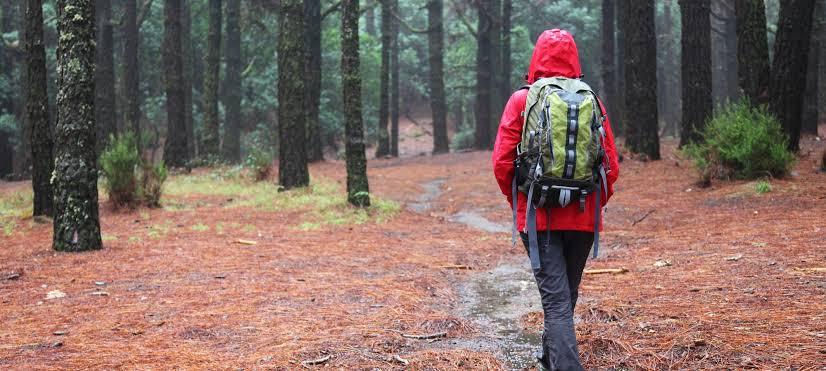
Durable Water Repellent (DWR) treatment is applied to the outer face fabric to cause water to bead and roll off. Without DWR, the face fabric "wets out" — it absorbs water, which blocks breathability and makes the jacket feel heavy and cold. DWR is not the same as the waterproof membrane; it's a surface treatment that needs periodic reapplication.
As of 2026, PFAS-based DWR treatments are being phased out globally. UniOuter has transitioned to PFAS-free DWR across all product lines. Learn more in our PFAS-free outdoor gear guide.
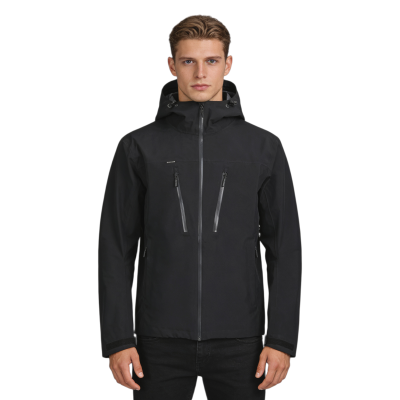
Shop Waterproof Outdoor Jackets
Frequently Asked Questions
Yes. 10,000mm is the industry standard for hiking jackets and provides reliable protection in steady rain for 4–6 hours. For day hiking in most climates, 10K/10K is the optimal balance of waterproofing, breathability, and cost.
2-layer fabric has a waterproof coating/membrane bonded to the face fabric with a separate hanging liner. 3-layer fabric bonds the membrane between the face fabric and a protective backer, making it more durable, lighter, and more breathable but more expensive.
DWR typically lasts 20–50 wash cycles depending on quality. Reapply every 6–12 months for regularly used jackets. PFAS-free DWR treatments may require more frequent reapplication than older formulations.
Yes. We manufacture across the full range from 5,000mm to 20,000mm+ with matching breathability ratings. Contact our technical team or send an inquiry with your specification requirements. Browse our waterproof jacket range for reference.