Quiet Technical: Why the Next Growth Segment in Outdoor Apparel Wears No Logo
Logo-led performance wear had a fifteen-year run. The segment now taking its place is quieter, repairable, and priced on how long it lasts — and it asks for a different kind of factory brief.
Every outdoor brand we work with is currently asking some version of the same question: if the technical jacket is no longer a status object, what is it? The answer forming on the other side of the sample table is less flattering to marketing departments and more interesting for product teams. The garment is becoming a tool again — bought for how it behaves in weather, kept because it can be repaired, and chosen because it does not announce itself.
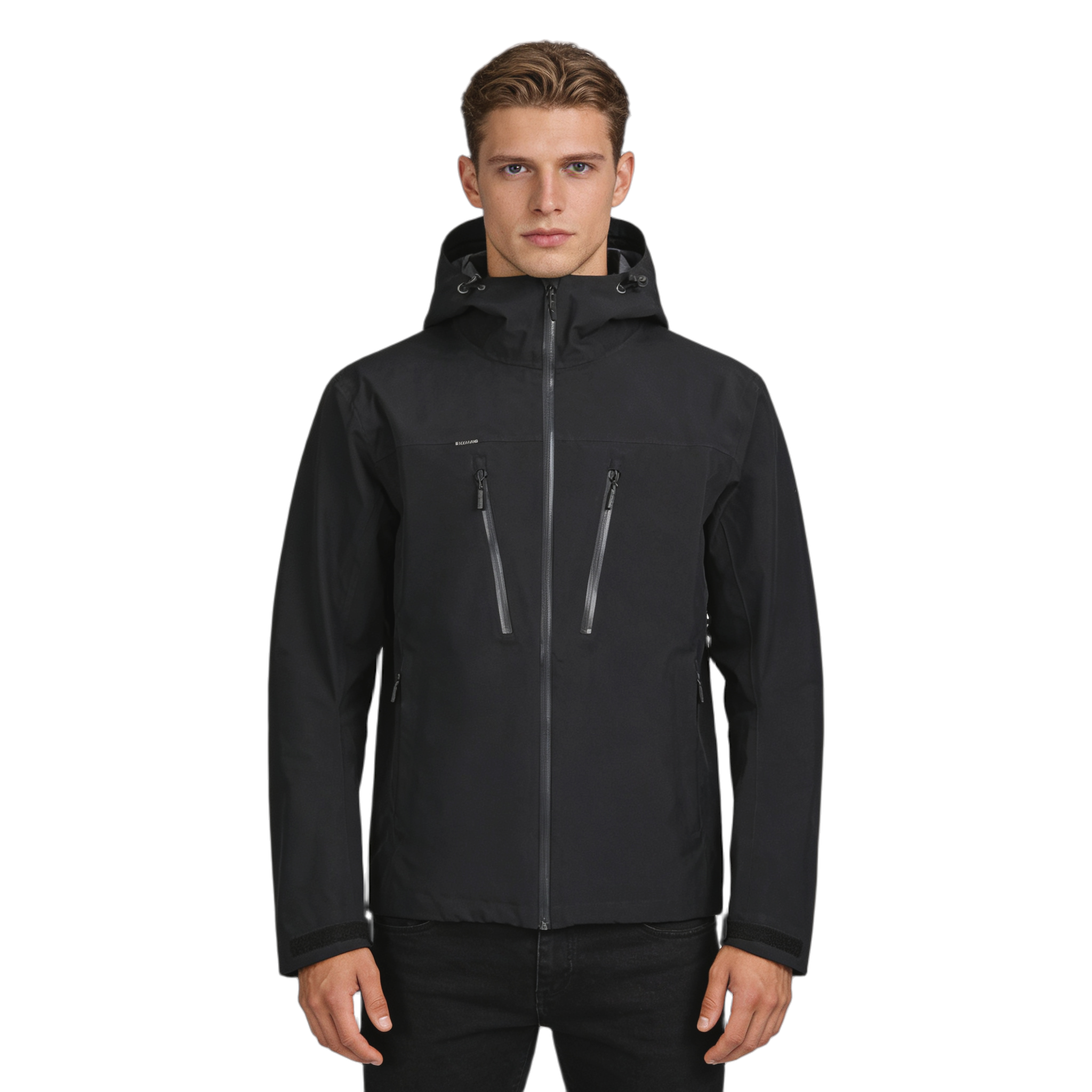
Call it quiet technical: unbranded or near-unbranded performance clothing with matte finishes, tonal palettes, visible construction quality and a repair path. It borrows the aesthetics of quiet luxury and the engineering of expedition gear, and it is quietly rewriting what a manufacturing brief looks like — from a spec that optimises for a photograph to one that optimises for year three of ownership.
01 · The Logo Cycle Has Peaked
The gorpcore wave did something useful and something corrosive to the category. Useful: it moved technical clothing from the trail into the city, expanded the addressable market and taught a generation of consumers what a membrane does. Corrosive: it made the visible logo the primary unit of value, which works beautifully until everyone owns the logo and nobody needs a second one.
What follows a status cycle is not a return to cheapness. It is a shift in what signals competence. When the mark on the chest stops meaning anything, the things that can still be read at a glance are the ones that require engineering: whether the shoulder seams are where they should be, whether the fabric hangs with weight, whether the zip runs cleanly at minus five, whether the colour still looks expensive after forty washes. This is a better basis for a product than a print, and it is far harder to fake.
The customer who pays full price for an unbranded shell is not paying less attention to quality. They are paying attention to nothing else.
Factory observation, 2026 sampling rounds02 · Durability Became Law While Nobody Was Looking
The quiet segment would be a design trend on its own. What makes it structural is that European law has started to price durability into the market. The clearest example is the right-to-repair directive, Directive (EU) 2024/1799, whose national transposition deadline passed on 31 July 2026. Among other things, it obliges manufacturers of covered goods to repair on request, bans contractual and technical obstacles to repair, and extends the seller's liability period by twelve months when a consumer chooses repair over replacement.
Read that last provision as a product manager rather than a lawyer and it becomes a design instruction. A garment that can be repaired keeps earning; a garment that cannot becomes a liability that arrives twelve months later. Layer on the Ecodesign framework's move toward digital product passports, the textile EPR schemes member states are building for 2028, and the chemical transition already underway with the PFHxA restriction, and a consistent picture appears: the regulatory cost of a short-lived garment is rising every year, while the regulatory cost of a documented, repairable one is falling.
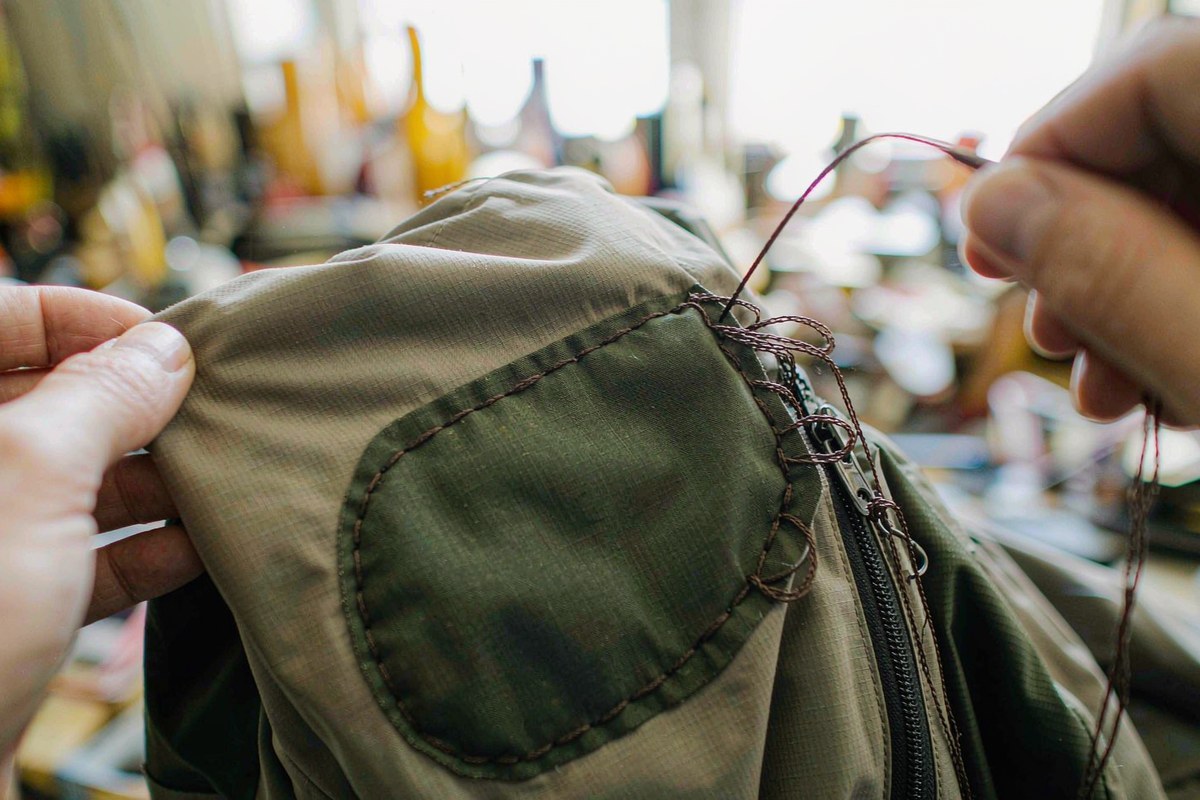 Repair as specification: a tonal patch matched to the original face fabric, stitched rather than glued, so the repair survives the next wash cycle.
03 · What Quiet Technical Actually Asks of a Factory
The interesting part of this shift is that it is not a materials revolution. The membranes, linings and finishes already exist. What changes is the tolerance for the things that only show up after purchase: colour retention, seam integrity, repairability of the construction, and the availability of spare parts two seasons later. Those are process decisions, and they are made in the factory rather than in the design studio.
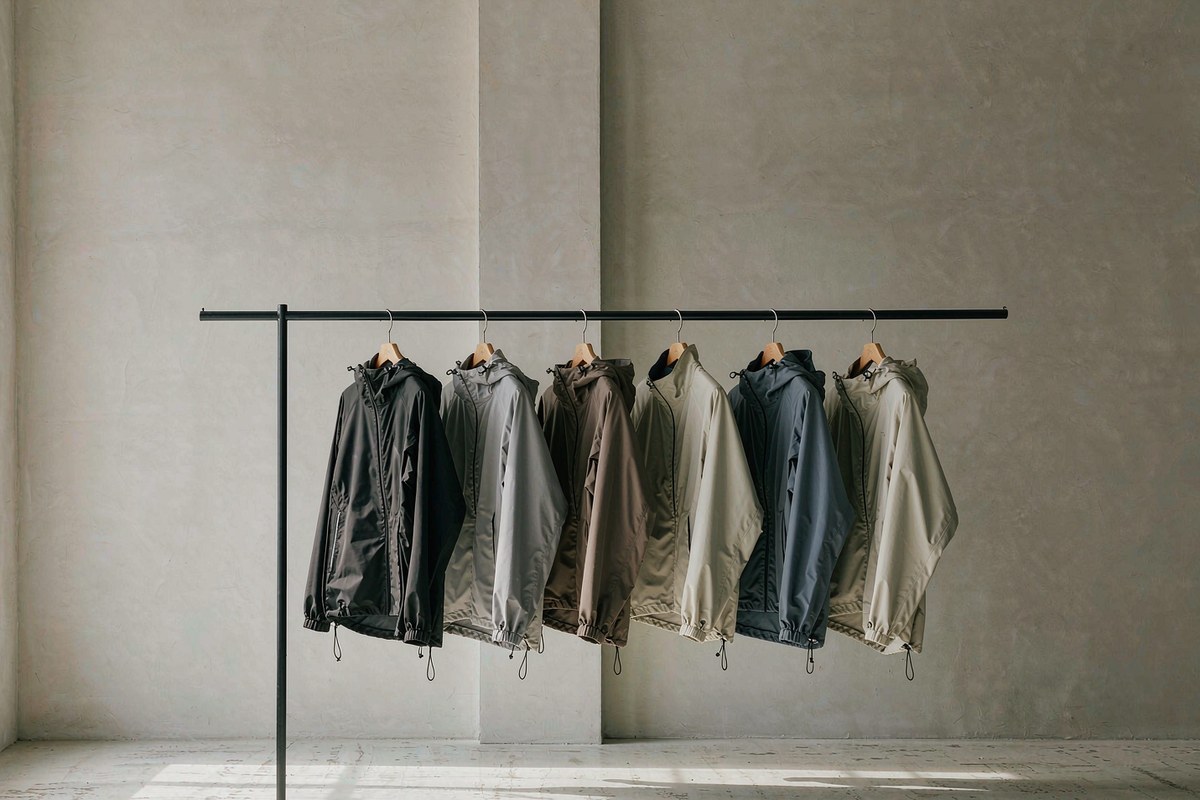
A quiet range is harder to produce than a loud one, because there is nothing to hide behind. When six shells differ only by tonal shade and silhouette, every millimetre of seam placement and every degree of fabric sheen becomes visible on the rail. This is why the segment rewards factories with tight colour-matching control and a stable fabric article across seasons, and why it punishes suppliers who re-source fabric between runs without telling anyone.
04 · The Segment Map
Quiet technical is not the whole market, and brands that treat it as a replacement for expedition product misread it. The three segments below now behave differently enough that they need separate briefs, separate margin logic and separate QC priorities.
| Segment | What It Optimises | Price Logic | Where It Fails |
|---|---|---|---|
| Expedition / technical | Peak performance in extreme conditions | Performance premium, few units, high spec | Overbuilt for daily use; heavy, loud, visually technical |
| Quiet technical | Durability, repairability, tonal design | Full price on longevity, low discount dependence | Thin fabric margin for error; colour and seam flaws are exposed |
| Urban performance | Silhouette, comfort, weather resistance for commuting | Volume and speed to trend | Fails on durability testing; loses value at first markdown |
The commercial attraction of the middle row is that it discounts less. A garment bought for a logo is replaced when the logo dates; a garment bought for construction is replaced when it wears out, which is a much longer cycle and a much better margin structure. The cost is that the product has to survive close inspection from a customer who is looking for reasons to keep it — and who will notice a wandering seam.
05 · What to Do With the 2027 Line
- Pick two or three core styles and engineer them for a five-year life: heavier face fabric, stitched-and-taped seams, replaceable hardware.
- Cut the logo to a tonal embroidery or remove it entirely on core styles, and put the visual interest into construction detail instead.
- Add a repair kit to the order — patch fabric, spare zip slider, thread — and cost it into the style rather than treating it as customer service.
- Start the documentation file with the first sample: fabric lot, chemistry declaration, wash-durability data. It becomes the passport data later.
06 · Where UniOuter Fits
We manufacture the kind of garment the quiet segment needs: 3-layer and 2.5-layer shells with stitched-and-taped seams, tonal colour programmes with lab-dip approval per batch, PFAS-free DWR options with wash-durability protocols, and spare hardware and patch fabric packed with the order. Recycled content, where a brand wants it, is carried through chain-of-custody certification in the systems run by Textile Exchange. The supporting detail is spread across our guides to durability in seam taping and coating, fabric selection for waterproof and durable outerwear, and recycled fabrics with certification. Brands building for Europe should also read our reading of the European market from the factory floor.
If you are reshaping a 2027 range around longevity, send the styles through our inquiry page and we will come back with the construction options, the fabric articles that hold colour across seasons, and the repair-kit structure that fits your order size.
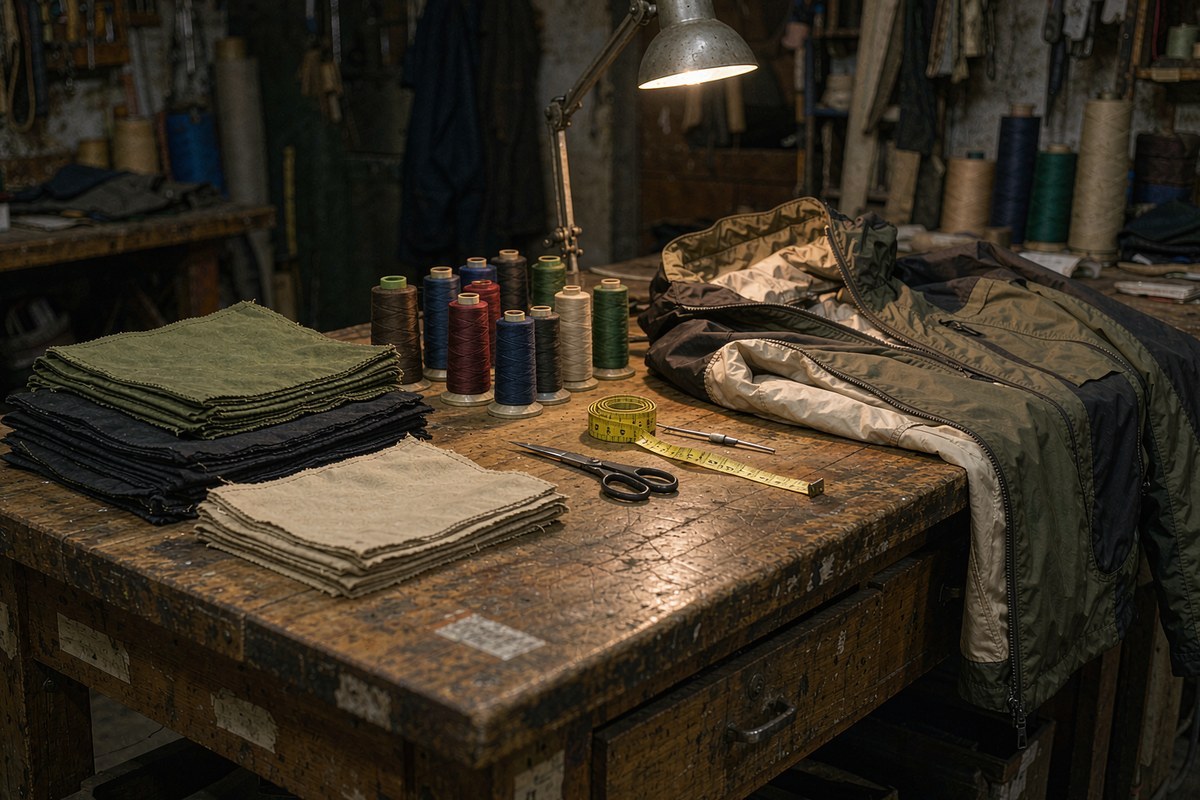 The spare-parts logic: patches, sliders and thread cost very little per unit at bulk and change the economics of a five-year garment.
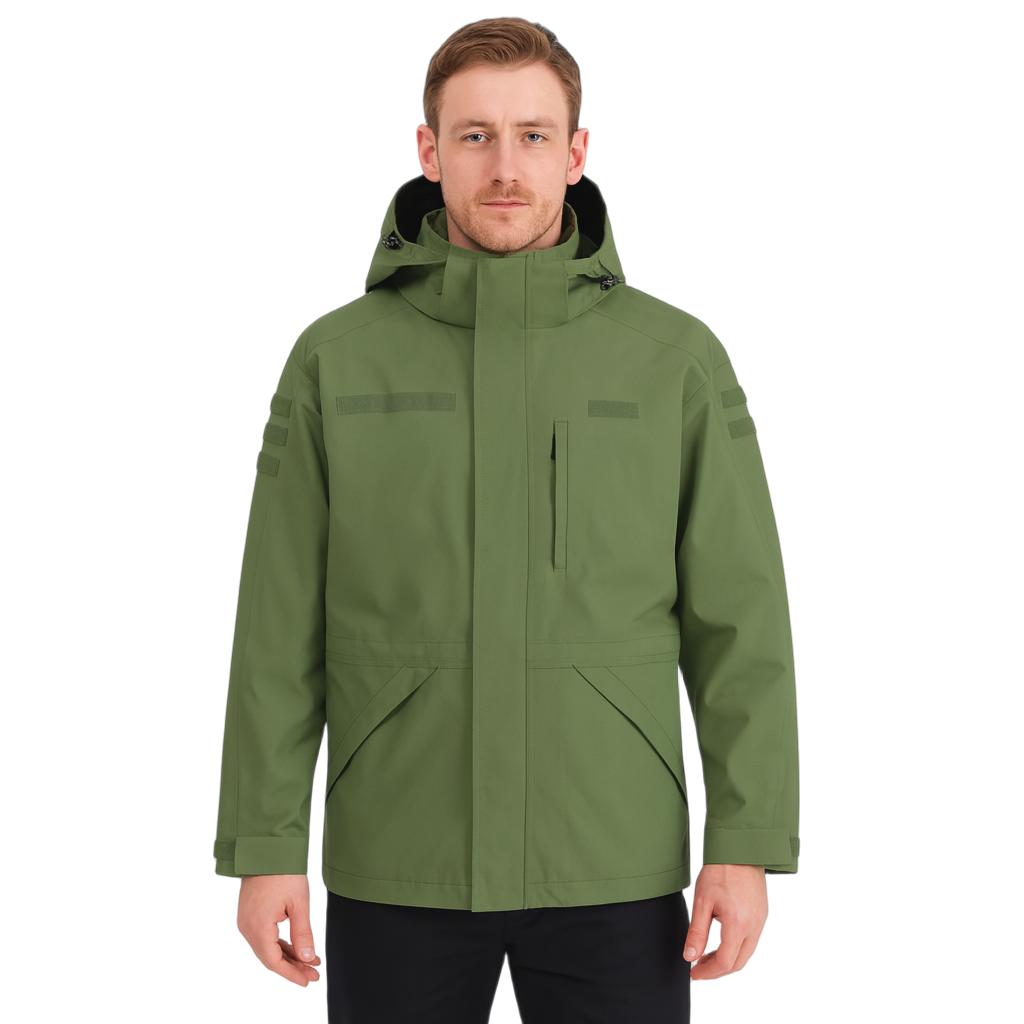
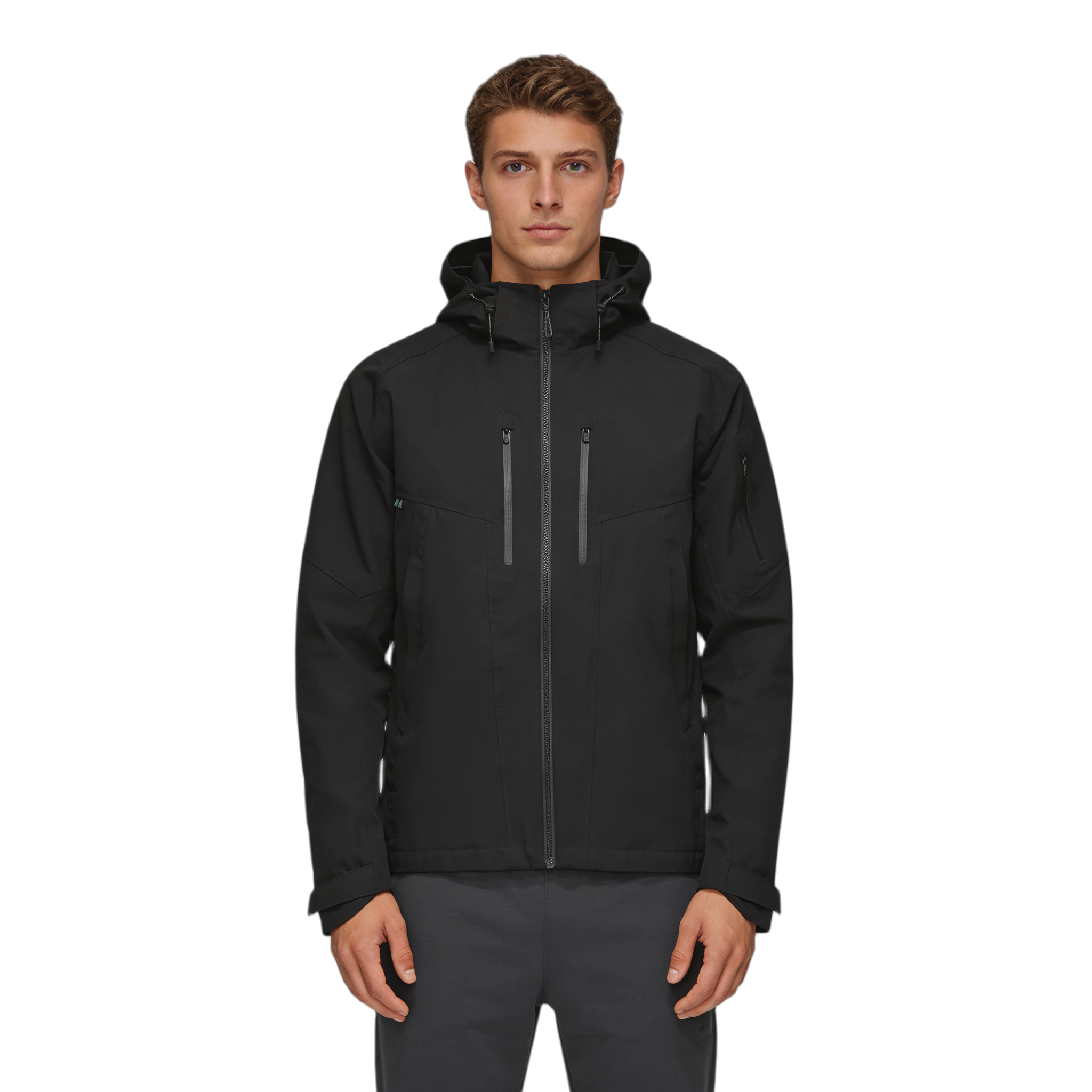
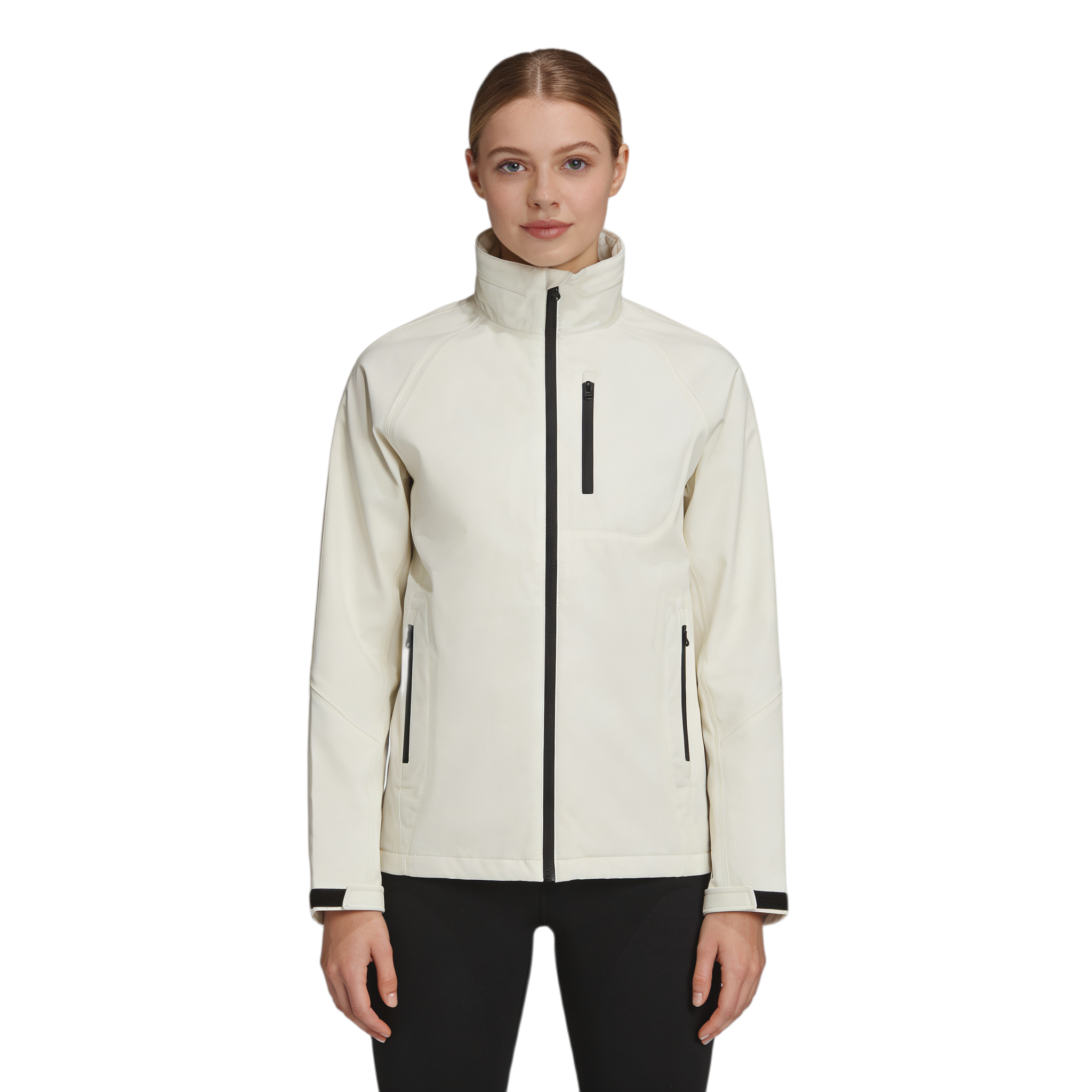
07 · Quiet Technical Styles
Frequently Asked Questions
Quiet technical describes performance clothing designed around durability, repairability and understated design rather than visible branding: matte finishes, tonal colourways, hidden or removable logos, and construction details chosen so the garment can be repaired instead of replaced. It sits between expedition-grade technical gear and urban performance wear, and it is typically sold on longevity rather than on a logo.
The directive sets common rules for repairing goods and applies repair obligations to product groups that already carry repairability requirements under EU law, with textiles expected to enter that scope through the Ecodesign framework rather than immediately. The commercially relevant provisions for apparel brands are the prohibition on repair obstacles and the twelve-month extension of the seller's liability period when a consumer chooses repair, which together make repairable construction a financial question rather than an ethical one.
It usually does not cost more in materials, but it is less forgiving. Without a logo to anchor the visual story, shade variation between fabric lots, seam wander and hardware mismatch become the visible product. That pushes cost into colour-matching control, tighter QC tolerances and stable fabric sourcing across seasons rather than into printing and trim.
Use construction that can be opened and closed again, such as stitched-and-taped seams that can be unpicked and re-taped rather than fully bonded panels; specify standard rather than proprietary zips and sliders; supply patch fabric from the same dye lot; and document the repair procedure so a third-party repairer can follow it. These are specification choices, not material breakthroughs.
The design side is cyclical and could fade. The structural part is the cost of short-lived garments, which is rising through repairability obligations, planned textile EPR fees and digital product passport requirements that reward documented durability. Even if the aesthetic moves on, the economics of building garments to last five years rather than two will remain.