Fluorine-Free Water Repellent (DWR) for Outdoor Clothing: The Complete Guide
Durable Water Repellent (DWR) treatment is what makes water bead and roll off your outdoor jacket. For decades, the most effective DWR formulations relied on PFCs - per- and polyfluorinated chemicals that are environmentally persistent and potentially harmful. This guide explains the transition to fluorine-free DWR: the science, the alternatives, the performance trade-offs, and what brands need to do.
For related context, see our PFAS-free gear guide, PFAS ban preparation, and sustainable manufacturing guide.
What is DWR and Why the Shift Away from PFCs?
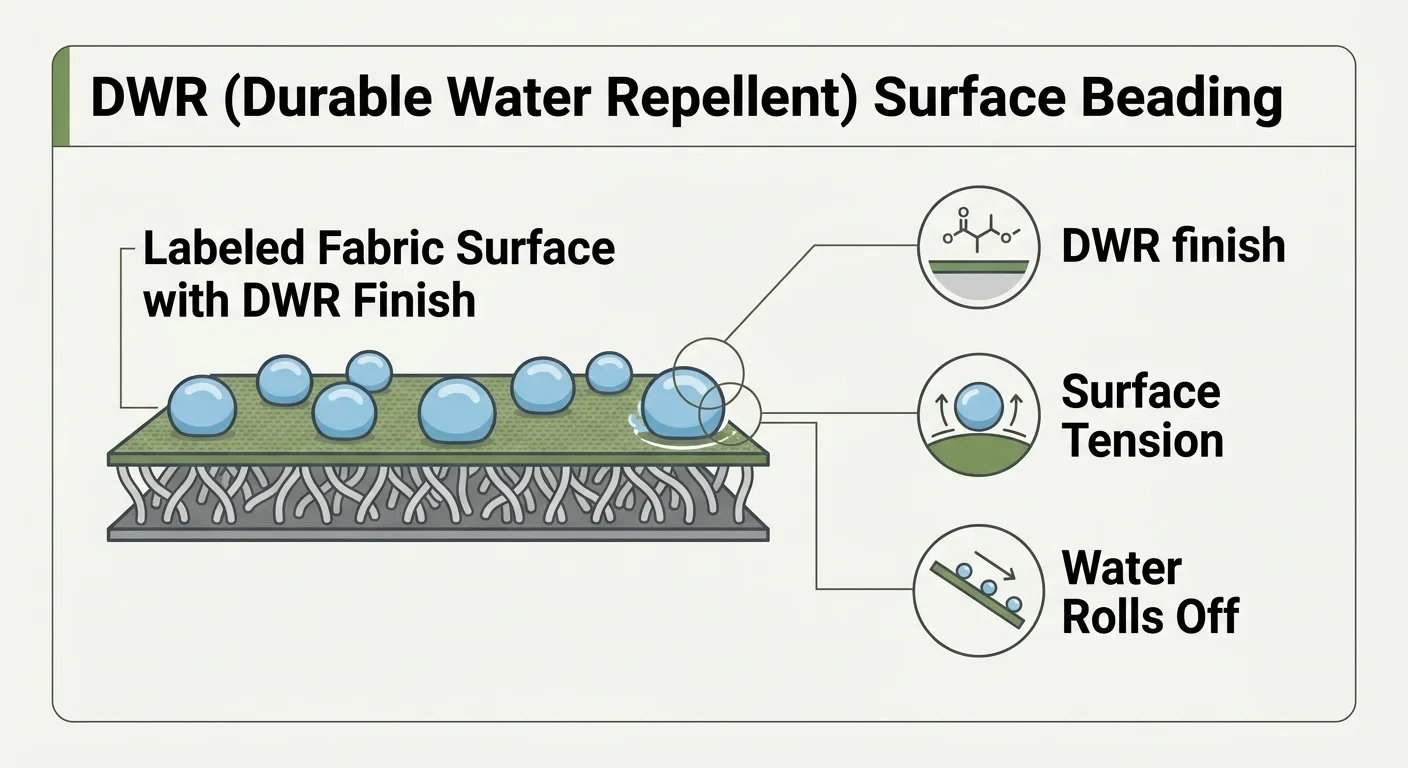
DWR works by modifying surface tension. A DWR-treated fabric surface has lower surface energy than water, causing water droplets to bead up and roll off rather than spreading and soaking in. This is distinct from waterproofing (which uses membranes to block water penetration) - DWR is a surface treatment that prevents the outer fabric from wetting out, which maintains breathability and comfort.
PFC-based DWR (specifically long-chain C8 fluorocarbons) has been the gold standard because fluorine chemistry creates extremely low surface energy - repelling both water and oil effectively. However, PFCs are "forever chemicals": they don't break down in the environment, they bioaccumulate in organisms, and they're linked to health concerns including cancer, immune system effects, and developmental issues. The US EPA and EU environmental agencies have identified PFAS as a priority regulatory target.
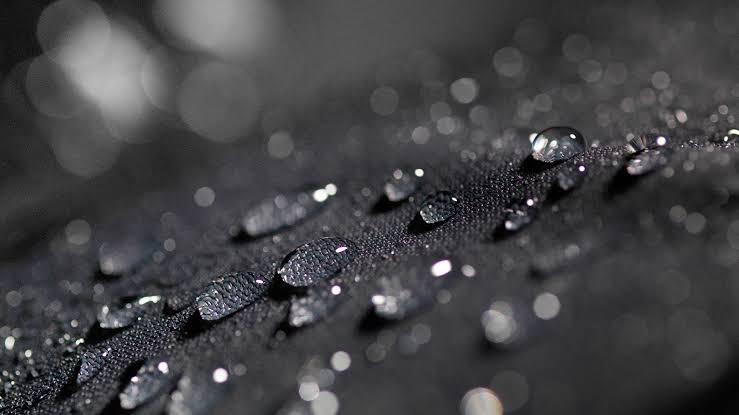
Add photo here: close-up of water beading on a DWR-treated outdoor fabric surface
Fluorine-Free DWR Alternatives and Performance
Three main categories of fluorine-free DWR are commercially available:
- Silicone-based DWR: Good water repellency, moderate durability. Silicone chemistry creates low surface energy for water beading but lacks oil repellency. Cost-effective and widely available.
- Wax-based DWR: Natural chemistry, good for marketing positioning. Lower durability and performance than silicone. Requires more frequent reapplication. Appeals to consumers seeking "natural" solutions.
- Bio-based DWR: Emerging category using plant-derived chemistry. Performance approaching C6 fluorocarbons for water repellency. Active R&D area with rapid improvement. Higher cost but premium positioning.
The performance gap: fluorine-free DWR achieves excellent water repellency but typically inferior oil repellency and shorter durability compared to PFC-based treatments. After 10-20 wash cycles, most fluorine-free DWR requires reactivation (heat treatment) or reapplication. R&D is closing this gap rapidly - the latest generation of fluorine-free DWR approaches C6 performance in standardized testing.
Regulatory Landscape and Brand Commitments
The regulatory landscape is driving the transition faster than voluntary adoption:
Major outdoor brands have made public PFC-free commitments: Patagonia targeted PFC-free DWR across product lines; The North Face and Columbia have similar roadmaps. Brand-level commitments create supply chain momentum - chemical companies invest in fluorine-free R&D when major brands commit to purchasing. For brand buyers, the question is not whether to transition but how quickly to execute.
UniOuter's PFAS ban preparation details our timeline and technical readiness for the EU 2026 deadline.
Application, Care, and Testing of Fluorine-Free DWR
Fluorine-free DWR application methods mirror conventional DWR: spray application (for garments), dip-and-pad (for fabric), and exhaust (in dyeing baths). The manufacturing process change is primarily chemical substitution, not equipment change - meaning existing DWR application lines can process fluorine-free formulations. UniOuter's fabric treatment capability includes fluorine-free DWR application.
Care and reactivation are more important for fluorine-free DWR than for PFC-based treatments. After washing, heat reactivation (tumble dry on low heat or iron with a cloth between iron and garment) restores water beading. When reactivation no longer works, reapplication via spray-on DWR product extends garment life. Consumer education on care extends product satisfaction and reduces premature replacement.
Testing standards for DWR performance: AATCC 22 (water repellency spray test), AATCC 42 (water resistance impact penetration), and rain tests per ISO standards. Durability testing measures performance after multiple wash cycles. Brands should specify both initial performance and wash-durability requirements in their tech packs.
Add photo here: laboratory DWR spray test showing water repellency rating on fabric samples
Cost Implications and Consumer Communication
Fluorine-free DWR typically costs 15-30% more than conventional PFC-based DWR per garment, primarily due to higher chemical costs and lower production scale (which is improving as adoption increases). For most outdoor garments, DWR is a small percentage of total cost, so the per-garment impact is modest - typically $0.50-$2.00 per unit depending on garment size and treatment complexity.
Consumer communication is critical because fluorine-free DWR behaves differently from what consumers may expect. Water beading may be less dramatic than with PFC-based DWR, and reactivation frequency is higher. Brands should:
- Explain the "why." Frame fluorine-free as a health and environmental improvement, not a performance downgrade.
- Set care expectations. Include care instructions that explain heat reactivation and when to reapply.
- Be honest about trade-offs. Oil repellency is reduced; reapplication frequency is higher. Honesty builds trust.
Future Innovation and UniOuter's Fluorine-Free Option
DWR innovation is accelerating: bio-inspired surfaces mimicking lotus leaf micro-structures, nanotechnology coatings that combine water and oil repellency, and permanent bonding technologies that don't require reapplication. While these are not yet commercial for mainstream apparel, they represent the direction of travel - within 3-5 years, the performance gap between fluorine-free and PFC-based DWR is expected to close substantially.
UniOuter offers fluorine-free DWR as a standard option across our product range. Our treatment has been performance-tested to ensure water repellency meets brand specifications. We provide documentation for certification compliance and can advise on the performance trade-offs specific to your product category. For brands developing new programs, we recommend specifying fluorine-free DWR from the start rather than retrofitting later. Send an inquiry with your product requirements, or learn more about UniOuter. The purchasing guide covers commercial terms, and our contact page connects you with our technical team.
Shop Outdoor Apparel
Frequently Asked Questions
PFC-based DWR uses fluorocarbon chemistry (C8 or C6) to create extremely low surface energy, repelling both water and oil with high durability. Fluorine-free DWR uses silicone, wax, or bio-based chemistry to repel water. The main differences: fluorine-free DWR has reduced oil repellency, may require more frequent reactivation (heat treatment after washing), and typically has shorter overall durability. However, it eliminates the environmental persistence and health concerns of PFCs.
EU PFAS restrictions in textiles are active and tightening through 2026-2027. California's AB 1817 bans PFAS in apparel from 2025. New York, Maine, Washington, and other US states have enacted similar bans with staggered effective dates. The practical implication: specify fluorine-free DWR in all new product development now. Existing PFC-treated inventory may become non-compliant in some markets.
After washing, reactivate DWR with heat: tumble dry on low heat or iron with a cloth between iron and garment. Heat reactivation restores water beading. When reactivation no longer works, reapply DWR using a spray-on product designed for outdoor apparel. Wash less frequently than everyday clothing, use technical garment wash, and avoid fabric softeners which can coat and reduce DWR effectiveness.
Yes, fluorine-free DWR typically costs 15-30% more per garment than PFC-based DWR, primarily due to higher chemical costs and lower production scale. However, DWR is a small percentage of total garment cost, so the per-unit impact is typically $0.50-$2.00. As adoption increases and production scales, this premium is expected to decrease. Most brands absorb the cost rather than passing it to consumers.
For water repellency, the latest fluorine-free DWR formulations approach PFC-based performance in standardized testing. The remaining gaps are in oil repellency (where fluorine-free is clearly inferior) and wash durability (where fluorine-free requires more frequent reactivation). Active R&D in bio-inspired surfaces and nanotechnology is closing these gaps. For most outdoor apparel applications, current fluorine-free DWR is adequate for brand specifications.