What Is GRS Certification? A Complete Guide for Outdoor Clothing Brands
What Is GRS Certification and Why It Matters for Outdoor Brands
The Global Recycled Standard (GRS) has become one of the most recognized sustainability certifications in the outdoor apparel industry. For brands sourcing from manufacturers like UniOuter, understanding GRS is no longer optional — it is a competitive necessity. This guide explains what GRS certification covers, how it compares to other standards, and why it matters for your outdoor clothing line.
Whether you are launching a new collection or expanding into European and North American markets, GRS certification signals to retailers and consumers that your products meet verified recycled content and responsible production criteria. Contact our team to learn how UniOuter supports GRS-compliant manufacturing.
The Four Pillars of GRS Certification
The Global Recycled Standard, developed by Textile Exchange, rests on four foundational pillars that every certified product must satisfy. Unlike labels that focus on a single dimension of sustainability, GRS takes a holistic approach that covers the entire supply chain.
GRS vs. Other Sustainability Certifications
Outdoor brands often encounter multiple sustainability labels. Understanding how GRS compares to other certifications helps you communicate value to buyers and choose the right standard for your product line.
| Feature | GRS | OEKO-TEX Standard 100 | Bluesign | GOTS |
|---|---|---|---|---|
| Primary Focus | Recycled content verification | Chemical safety of finished product | Input stream management | Organic fiber certification |
| Minimum Recycled Content | 20% (with tiered labeling) | Not required | Not required | Not required (focuses on organic) |
| Supply Chain Traceability | Full chain of custody required | Product-level certification | Input-level management | Full chain of custody |
| Environmental Criteria | Wastewater, chemicals, energy | Limited to chemical safety | Comprehensive input controls | Comprehensive environmental |
| Social Criteria | ILO standards required | Not included | Workplace conditions | ILO standards required |
| Best For | Brands prioritizing recycled materials | Consumer-facing safety assurance | Clean manufacturing process | Organic natural fiber products |
For outdoor clothing brands using recycled polyester or recycled nylon — which represent the majority of the technical outerwear market — GRS is the most directly applicable certification. Browse our blog for more industry certification comparisons.
Why GRS Matters for Outdoor Clothing Brands
Adopting GRS certification is not just about environmental responsibility — it delivers measurable business advantages for outdoor apparel brands in today's competitive landscape.
Major European and North American retailers — including REI, Decathlon, and Zalando — now require sustainability certifications as part of their vendor onboarding. GRS certification opens doors that would otherwise remain closed to uncertified suppliers. Explore our GRS-ready product range.
Consumers are willing to pay 20–35% more for verified sustainable outdoor gear according to multiple market surveys. GRS certification provides the third-party credibility that justifies premium positioning without greenwashing accusations.
The EU Strategy for Sustainable and Circular Textiles mandates that by 2030, all textile products sold in the EU must be durable, repairable, and largely made of recycled fibers. GRS certification positions your brand ahead of mandatory compliance deadlines.
GRS certification gives your marketing team a verified, data-backed sustainability narrative. Unlike vague claims of being "eco-friendly," GRS provides specific recycled content percentages and supply chain documentation that resonates with informed consumers.

The GRS Supply Chain: From Waste to Wear
Understanding the GRS-certified supply chain helps brands appreciate the rigor behind every certified garment. Here is how post-consumer waste becomes a GRS-certified outdoor jacket.
Post-consumer PET bottles are collected through municipal recycling programs and sorted by color and quality at certified recycling centers. Clear and light-blue bottles are prioritized for textile-grade rPET production.
Sorted bottles are cleaned, labels and caps removed, then shredded into PET flakes. These flakes undergo hot washing at 85–95°C to remove contaminants and are then dried. Each batch receives a GRS transaction certificate documenting the recycled content.
rPET flakes are melted at 260–285°C and extruded through spinnerets to create continuous filaments. These filaments are drawn, textured, and spun into yarn. The yarn mill maintains its own GRS scope certificate as part of the chain of custody.
GRS-certified yarn is woven or knitted into technical fabrics. For outdoor apparel, this often includes adding a waterproof-breathable membrane — and manufacturers like UniOuter ensure the entire lamination process stays within GRS compliance. Our 3-layer technical mountaineering jackets demonstrate this process.
The GRS-certified fabric is cut, sewn, and finished into outdoor garments. A final transaction certificate is issued, and the product receives GRS labeling with the certified recycled content percentage and the certification body's logo.
GRS-Certified Materials in Outdoor Apparel
Several recycled materials commonly used in outdoor clothing can carry GRS certification. Understanding the material landscape helps brands make informed sourcing decisions.
The most widely used GRS-certified material in outdoor apparel. Made from post-consumer PET bottles, rPET offers identical performance to virgin polyester — durability, moisture-wicking, and quick-drying — with approximately 50% lower carbon emissions during production. Used extensively in hiking jackets and mid-layers.
- CO₂ reduction: ~50% vs. virgin polyester
- Energy savings: ~45% during fiber production
- Common applications: Shell fabrics, fleece, insulation, linings
Sourced from post-industrial waste, discarded fishing nets, and fabric scraps. Recycled nylon delivers the high abrasion resistance and tensile strength needed for technical outerwear while reducing dependence on petroleum-based virgin nylon. Featured in windproof mountain coats and high-wear zones.
- Feedstock: Fishing nets, fabric scraps, industrial waste
- Performance: High tenacity, excellent abrasion resistance
- Common applications: Outer shells, reinforced panels, pack fabrics
Advanced recycled membrane technology now enables waterproof-breathable barriers made partially or fully from recycled content. These membranes are certified under GRS when the input materials and manufacturing process meet the standard's requirements.
- Waterproof ratings: 10,000–20,000mm achievable
- Breathability: 8,000–12,000 g/m²/24h
- Common applications: Waterproof mountaineering jackets
GRS-certified recycled synthetic insulation — made from rPET — provides warmth without adding weight. Brands can achieve thermal performance comparable to virgin synthetic fills while meeting recycled content targets. Suitable for insulated mid-layers and parkas.
- Fill power equivalent: 550–650 FP (synthetic equivalent)
- Weight: Comparable to virgin synthetic insulation
- Common applications: Insulated jackets, vests, parka linings
Shop Sustainable Outdoor Clothing
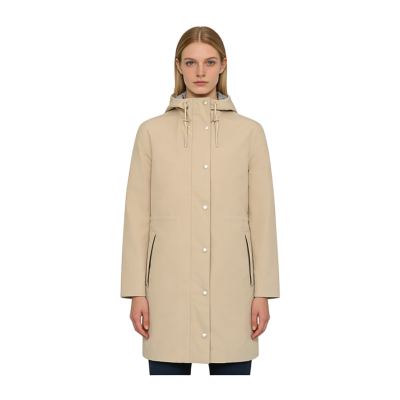
Custom Waterproof Hiking Parka with Hood – Made from Recycled Fabric
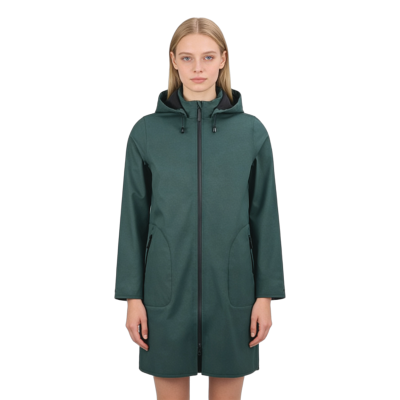
Custom Waterproof Parka, For Daily Commuting, Adjustable Hat
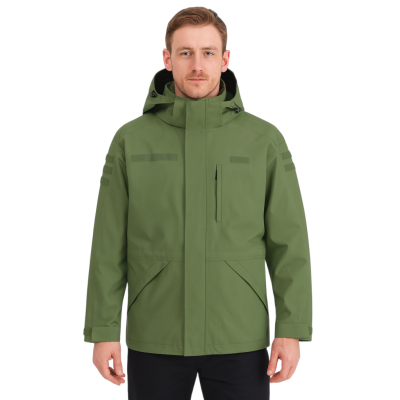
Custom Softshell Urban Outdoor Jacket – Windproof, Waterproof & Durable
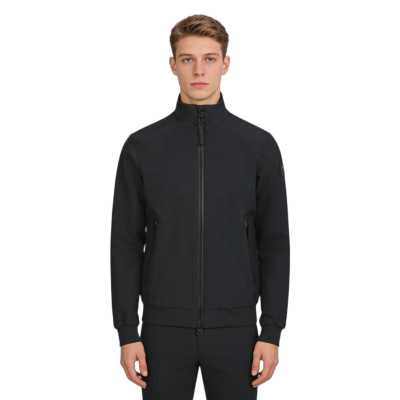
Custom Breathable Lightweight Urban Outdoor Jacket – Available for Bulk Orders
Frequently Asked Questions About GRS Certification
GRS requires a minimum of 20% recycled content for a product to be certified. However, the standard supports tiered labeling: products with 50–95% recycled content may be labeled "Made with 50% Recycled Materials," while products with 95–100% recycled content can carry the "GRS Certified" label. Inquire about GRS content options for your next collection.
The initial GRS certification process typically takes 3–6 months for a manufacturing facility. This includes a pre-audit gap analysis, implementation of required environmental and social management systems, a formal on-site audit by an accredited certification body (such as Control Union, SGS, or Intertek), and resolution of any non-conformities. Annual surveillance audits are required to maintain certification.
Yes, with an important distinction. A brand that does not own or operate manufacturing facilities can sell GRS-certified products as long as every entity in the supply chain — from the recycling facility to the final garment factory — holds a valid GRS scope certificate. The brand can then apply the GRS label to the finished product using the transaction certificates that flow through the supply chain.
The cost impact varies by product complexity and recycled content percentage. Generally, GRS-certified materials carry a 5–15% premium over conventional equivalents. Certification audit fees for factories typically range from $3,000–$8,000 annually. However, many brands find that the premium pricing power and market access benefits of GRS certification more than offset these costs. Learn about UniOuter's manufacturing capabilities.
Yes. GRS is a globally recognized standard managed by Textile Exchange, a non-profit organization with worldwide reach. It is accepted by major retailers and brands across Europe (where it is particularly strong), North America, and increasingly in Asia-Pacific markets. The standard is referenced in EU textile legislation and procurement guidelines, making it one of the most internationally portable sustainability certifications available.
Is GRS Right for Your Outdoor Brand?
GRS certification is not a one-size-fits-all solution, but for outdoor clothing brands that prioritize recycled materials and target environmentally conscious markets, it is the most relevant and widely accepted standard available. The certification validates your sustainability claims with third-party rigor, opens doors to major retail channels, and positions your brand for upcoming regulatory requirements.
At UniOuter, we support brands at every stage of the GRS journey — from selecting certified recycled fabrics for hiking jackets and mountaineering outerwear to managing transaction certificates and audit preparation. With over 20 years of outdoor apparel manufacturing experience, we help brands navigate certification requirements while delivering high-performance products.
Whether you are exploring GRS for the first time or ready to certify your next collection, contact our team to discuss your requirements. Alternatively, send an inquiry with your specifications and we will respond within 24 hours.