China Plus One in Outdoor Apparel: How B2B Buyers Are Restructuring Supply Chains for 2027
The headline says buyers are leaving China. The order books say something different: buyers are splitting their supply base and keeping the technical volume where the capability is.
Restructuring is not a philosophical position, it is a risk model. This analysis covers the three sourcing models now in play, the tariff-sensitivity maths that replaces single-rate budgeting, the real cost of qualifying a second source, and a twelve-month plan for moving from a single-origin base to a resilient one. It reflects how UniOuter sees orders being placed for 2027 outdoor programmes, and it pairs with our factory vetting guide for buyers who are still selecting partners.
Why Buyers Are Not Leaving China, They Are Splitting
The pattern emerging for 2027 is a deliberate split rather than an exit. Technical and certified garments stay where they are, because moving a three-layer waterproof or a flame retardant programme means re-qualifying fabric, re-testing performance and re-sampling every size. Commodity items such as basic fleeces and simple shell pants move to a second country where the tariff and freight maths work better. A local or regional stock position absorbs the fastest-moving sizes so replenishment does not wait six weeks for a vessel.
The reason is straightforward: capability is concentrated. Certified waterproof, breathable and flame retardant construction depends on fabric supply, seam-sealing equipment, testing access and accumulated pattern knowledge. Those are not relocated by a tariff change. What a tariff change does move is where the margin sits, and that is what makes a split base rational.
The Three Sourcing Models Compared
| Strategy | Drivers | Trade-offs |
|---|---|---|
| Single source in China | Best cost and the deepest technical capability for certified outdoor garments | Concentration risk from tariffs, freight disruption and single-point logistics |
| China plus one | Risk reduction while keeping the technical volume and quality base intact | Duplicated sampling, certification and quality management across two origins |
| Regional near-shoring | Shorter lead times, lower freight, faster replenishment of core sizes | Higher unit cost and a narrower technical capability, especially in membranes |
| Local stock plus imported core | Very fast delivery on the highest-turn items | Higher carrying cost for the locally held portion, and a second inventory system |
The rule that keeps this honest. Whatever the model, the technical specification should stay the same across origins. If a buyer accepts a lower-grade membrane in the second country to hit a target price, they have not duplicated the product, they have created two products with one style number and invited a returns problem.
Model Tariff Sensitivity Instead of Guessing
Buyers who budgeted a single duty rate in 2025 found their numbers wrong within months. The practical answer is not a better forecast, it is a sensitivity model. The World Customs Organization publishes the classification framework that duty rates are built on, and getting your HS classification right is the first step, because classification errors are a common source of unexpected duty. The EU Access2Markets portal then gives importers the applicable measures for a given code and origin.
- 1. Model at three rates. Run landed cost at 15, 25 and 40 percent effective duty. If the product still works at the top rate, the decision is about risk appetite rather than survival.
- 2. Confirm classification in writing. Keep the reasoning on file. A reclassification later is far easier to defend when the original logic is documented.
- 3. Ask for price validity windows. A quotation without a validity period is not a price, it is a starting point. Contracts should state how long the price holds and what triggers a review.
- 4. Qualify a second source before you need it. Qualification takes two to three quarters. Starting the process during a tariff shock means paying premium for speed and accepting whatever quality you get.
- 5. Keep the technical base intact. Move commodity volume, not certified volume, until the second source has passed its own testing regime on the exact same specification.

What a Second Source Really Costs
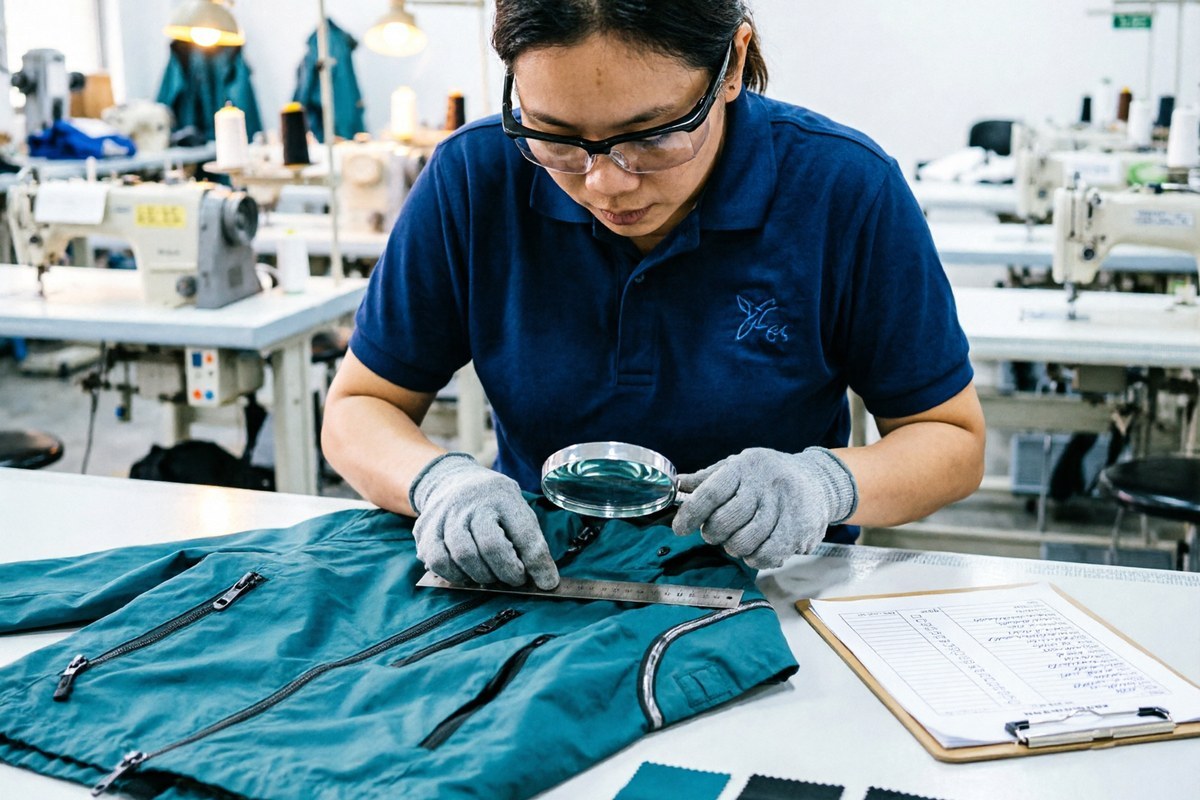
The purchase price of a second source is the visible line. The invisible lines are sampling, testing, compliance documentation and management time, and they are large enough to erase a seemingly attractive unit price.
That is why the split is usually surgical rather than wholesale. Buyers move the part of the range where the premium is smallest and the risk reduction is largest, and leave the technically demanding styles where the capability already exists.
Keeping Compliance Consistent Across Two Origins
A split supply base multiplies compliance work. Chemical compliance must be evidenced per production site, social audits must be valid for each facility, and recycled-content claims must trace to the correct mill. Frameworks such as the amfori BSCI system and third-party inspection from providers like SGS are portable across countries, which is exactly why buyers insist on them. The mistake is assuming a certificate issued for one site covers another.
There is a second compliance layer arriving at the same time. Mandatory textile extended producer responsibility pushes producers to fund collection and recycling according to product characteristics, and the rules deliberately reward durability and circularity. The revised Waste Framework Directive sets that mechanism out in Directive (EU) 2025/1892, and the wider programme sits under the EU circular economy agenda. Products that generate higher end-of-life costs will carry higher fees, in whichever country they were sewn.
A Twelve-Month Restructuring Plan
Where UniOuter Fits
We keep the technical base in one place and make it easy to rely on. Our manufacturing capacity covers waterproof shells, insulated jackets and certified workwear, and we hold the test documentation, mill declarations and batch records that a split supply base makes harder to manage. For brand owners planning a two-origin model, we can act as the technical origin and supply the documentation your second source will still need to match. See how that works for brand owners, or send your specification through our inquiry page.
Shop Waterproof & Technical Outerwear
Frequently Asked Questions
Mostly they are adding a second source rather than leaving. China remains the strongest option for certified technical outdoor garments because fabric supply, seam-sealing capability and testing access are concentrated there. Commodity items and fast replenishment increasingly come from a second country or a local stock position.
Sample against the identical specification, then test to the same standards, then audit the facility. Price negotiation comes last. Buyers who negotiate before testing usually discover the saving was paid for with a lower-grade membrane or a thinner seam tape.
They change the margin, not the capability. Model landed cost at several duty rates rather than one, confirm your HS classification, and ask suppliers for price validity windows. If the product still works at the highest modelled rate, the decision becomes about risk appetite rather than viability.
Effectively yes. Chemical compliance, social audits, recycled-content traceability and test reports all apply per production site. Portable frameworks such as amfori BSCI and third-party inspection reduce the overhead, but no certificate issued at one site covers another.