The EU Textile DPP Lands in 2029: What to Collect From Suppliers in 2027
Every EU-facing outdoor programme is now planning 2027 lines against a regulation that does not exist yet. That is not a reason to wait. The textile digital product passport has an indicative date, a proposed data set and a live registry behind it - and the data chain it depends on takes longer to build than the garment takes to sew. The chemical side of the same regulatory wave is already binding, as we set out in the EU PFHxA restriction briefing.
Quick Answer: Textile digital product passports are not mandatory yet - the textile delegated act is indicatively scheduled for Q4 2027, with mandatory application planned for 2029. What is already law is the EU ban on destroying unsold apparel, applying to large companies since 19 July 2026. Start collecting the nine data fields from your suppliers now, because a verifiable record chain takes two seasons to build and a QR label takes two weeks to print.
For programmes that need the garment side of this first, see UniOuter's custom hiking clothes and mountaineering apparel, the manufacturing capacity overview behind those lines, and the development notes on sustainable outdoor apparel manufacturing.
The legal architecture is the Ecodesign for Sustainable Products Regulation, Regulation (EU) 2024/1781, in force since July 2024. It is a framework: it creates the power to set product-specific rules through delegated acts, and it defines the digital product passport as the delivery mechanism. Textiles, apparel in particular, were named a priority group in the first working plan. Two separate processes then run in parallel, and conflating them is the most common planning error we see in buyer briefs: the unsold-goods destruction ban, which is adopted and applying, and the textile delegated act, which will set the actual passport data requirements and is still in preparation.
What Is Law, What Is Still a Draft
Buyers plan badly when they treat the whole framework as one date. It is five dates at different levels of certainty, and only one of them can be enforced against a supplier today.
| Instrument | Status | Date |
|---|---|---|
| ESPR (EU) 2024/1781 | In force - framework and definitions only | 18 Jul 2024 |
| ESPR working plan 2025-2030 | Adopted; textiles and apparel named a priority group | Apr 2025 |
| Unsold-destruction ban (apparel, accessories, footwear) | Adopted and applying to large companies | Adopted 9 Feb 2026, applying 19 Jul 2026 |
| Textile delegated act | In preparation - sets the DPP data set | Indicative Q4 2027 |
| Textile DPP application | Planned obligation | 2029 |
Two things follow. First, no buyer can demand a compliant textile DPP from a factory in 2026, and any supplier claiming otherwise is selling paperwork rather than compliance. Second, the destruction ban is live: if your brand destroys unsold apparel in the EU at scale, that is a separate legal exposure from the passport, and it is the one that can be enforced this season.
The Nine Fields to Start Collecting Now
The Joint Research Centre's 2026 study is not law, but it is the clearest published picture of what the delegated act will specify. Its structure - product identification, producer identification, product information, compliance documentation - translates into nine practical fields a factory should be able to produce per style, per colour, per batch. None of them should require new machinery; all of them require a filing habit.
- Unique product identifier - the GTIN or equivalent that the data carrier resolves to, fixed at style-colour-size level
- Producer identification - legal manufacturer, factory address, and the EU-established economic operator carrying responsibility
- Fibre composition - percentages per component, plus recycled content stated separately and traceable to a transaction certificate
- Fabric specification - weight in gsm, construction, finish type, membrane or coating chemistry where relevant
- Substances of concern - REACH SVHC screening, PFAS status and test reports tied to the article number, with OEKO-TEX STANDARD 100 certificates as the practical evidence base
- Country of origin per stage - fabric weaving, dyeing, finishing and assembly recorded separately, not just the final assembly country
- Durability and repairability evidence - wash-cycle and abrasion results, plus what is replaceable and how
- Care and end-of-life guidance - the instructions that will be rendered to the consumer, in the languages of the target markets
- Footprint indicators - energy and water per kilogram of finished garment, or the documented basis for a later calculation
The gap is rarely the absence of data - it is that the data sits in four places that do not talk to each other: the fabric mill's test report, the dyehouse lot record, the sewing line's bundle ticket and the brand's tech pack. A passport is essentially a requirement that these four become one queryable record.
Batch, Model or Item: Decide Granularity Early
Granularity is the decision that determines cost. The JRC study proposes batch identifiers as the minimum, with most data points held at model level and item-level identifiers voluntary. That is a sensible reading of the regulation's intent: a consumer scanning a jacket should reach a record that describes that model and that production batch, not a unique row for every unit sewn. Factories that already run lot-coded fabric and bundle-coded cutting are most of the way there; factories that treat traceability as an annual audit exercise are not.
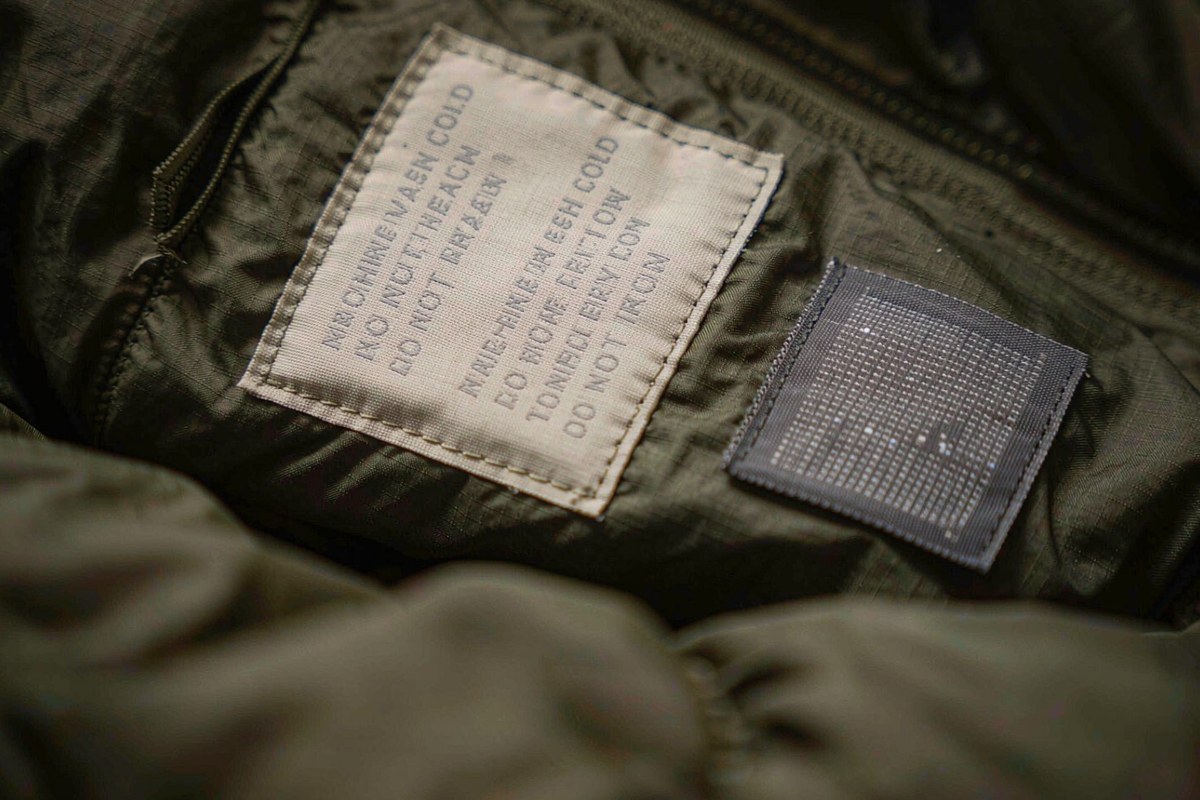
QR on a printed care label, a woven data-matrix tag or a detachable hangtag - each resolves to the same registry record but constrains label engineering, wash durability and re-issue cost differently. Decide the carrier at tech-pack stage, not after sampling, and align the identifier with the GS1 identification standards your retail customers already run.

Two practical consequences for a 2027 development calendar. Keep the colour-to-lot chain intact through the dyehouse, because colour consistency and traceability are the same data problem seen from two sides - the discipline described in our colour management briefing is the foundation of a defensible batch record. And decide now whether the identifier lives on a woven label, a printed care label or a detachable hangtag, because the data carrier choice constrains the label engineering in the tech pack.
A Three-Pass Build Through 2027
Where Factories Leak Data
Across the programmes we run, four leaks account for most of the loss. Fabric composition is copied from the mill's generic spec sheet rather than the actual lot, so recycled content cannot be evidenced. Country of origin stops at assembly, because nobody asks the fabric supplier for their weaving and dyeing locations. Substances-of-concern files are PDFs in a sales folder, not linked to an article number - the same fragmentation that makes chemical compliance slow under the PFHxA restriction. And care instructions are written by the brand's marketing team after the tech pack is signed, which means the factory never validated them against the actual construction.
A passport is not a document you write at the end of a season. It is the by-product of recording what you did while you made the goods.
UniOuter technical team, Hangzhou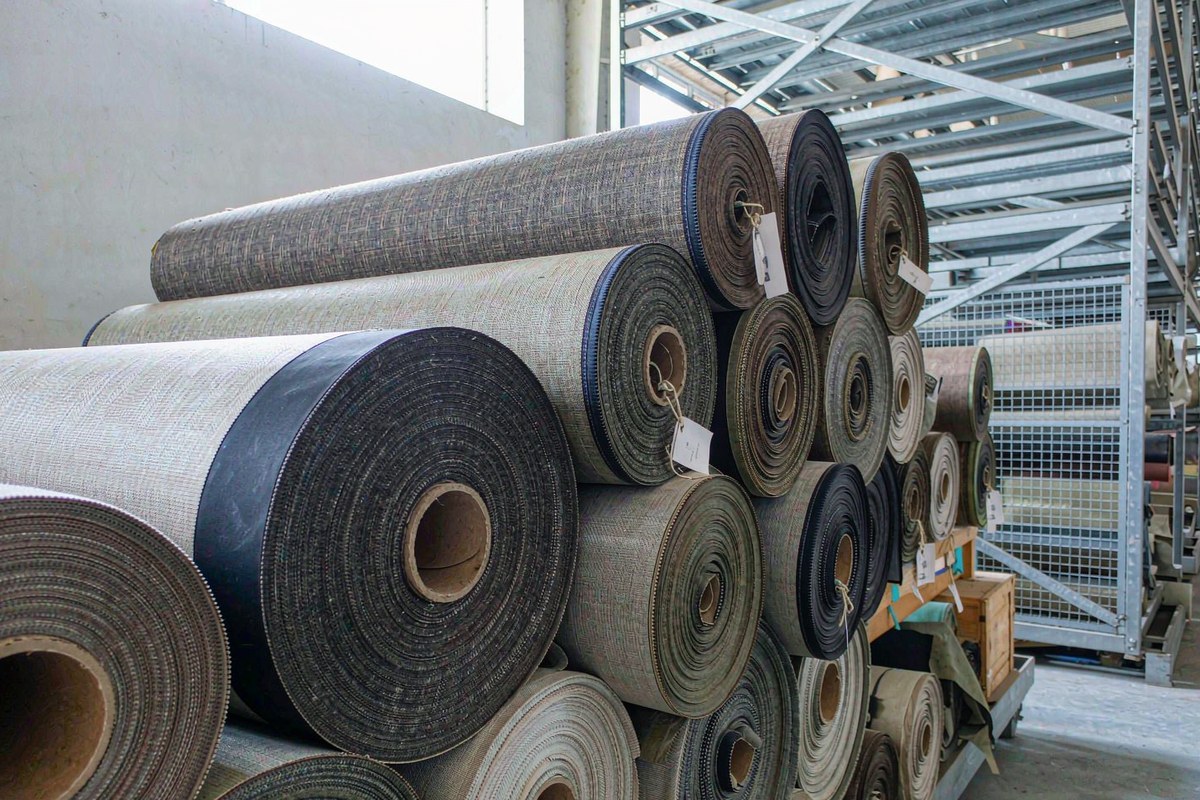
Write It Into the Purchase Order
The cheapest compliance lever is contractual, and it costs a paragraph. Any 2027 supply agreement should require the supplier to retain lot-level records for a defined period, to hand over the nine fields in a structured file rather than a PDF bundle, to notify changes in fabric source or finish before production, and to accept that a data carrier may be specified later without renegotiating price. That last clause matters: label engineering retrofitted after sampling is where budgets break.
Buyers who want the verification discipline behind these clauses can use our 12-point factory audit checklist, and buyers tracking the parallel fibre-shedding file should read the microplastics rules briefing. Both belong to the same procurement conversation: the EU is moving from asking brands what they claim to asking them what they can prove.
No. ESPR is in force as a framework, but the textile delegated act that will specify passport data requirements is still in preparation, with adoption indicatively scheduled for Q4 2027 and mandatory application planned for 2029. Any supplier offering a certified textile DPP today is ahead of the law, not compliant with it.
The ban on destroying unsold apparel, clothing accessories and footwear. The acts were adopted in February 2026 and apply to large companies from 19 July 2026, with medium-sized companies following in 2030 and micro and small companies exempt but subject to reporting.
The economic operator placing the product on the EU market. For a non-EU brand selling into the EU that is the brand itself, which in practice means appointing an EU-established responsible person. The factory's role is to supply verifiable data, not to hold the legal obligation.
The JRC's 2026 study proposes around 49 data points across product identification, producer identification, product information and compliance documentation. The delegated act will decide the final list, which is why the sensible move is to start with the identifiers, composition, origin, chemical and durability records that appear in every version of the draft.
Probably not. The JRC proposes batch-level identifiers as the minimum, with most data held at model level and item-level identifiers voluntary. A consumer scan should reach the model and batch record; a serial number per unit is not the expected baseline.