Fleece Under Fire: Microplastics Rules Are Reshaping Synthetic Outdoor Programs
Fleece is the garment the microplastics debate always reaches for, and regulation is closing in from three directions at once: a REACH restriction already in force, a disclosure regime already operating in France, and an ecodesign framework that will carry shedding data into the Digital Product Passport. None of this outlaws fleece. All of it changes what a synthetic program has to prove.
Every fleece buyer now fields the question from someone: does this jacket shed microplastics? The honest factory-side answer has two halves. What most people cite - the EU's microplastics restriction - does not actually cover washing-shed fibres at all, because it targets particles deliberately added to products. But the same regulatory machinery is now moving toward the shed-fibre question, and the preparation window for 2027-28 programs is open right now. This briefing separates what is law today from what is coming, and lays out the fabric-side work that makes the coming requirements survivable.
01 · What the Restriction Actually Covers
Regulation (EU) 2023/2055 amended REACH Annex XVII with a new entry restricting synthetic polymer micro-particles that are deliberately added to products to give them a property - abrasives in cosmetics, glitter, granules for sports surfaces, fragrance capsules in softeners (Regulation (EU) 2023/2055). It applies from 17 October 2023, uses a deliberately broad definition - organic, water-insoluble, resistant to degradation, under 5 mm - and phases in across up to 12 years depending on the product. For an apparel brand, the practical exposure is real but narrow: embellishments, glitter prints, and any polymer particles added to coatings or prints are the places to audit. What the restriction explicitly does not do is ban polyester or fleece, because fibre fragments released during washing are not intentionally added.
That exemption is where the confusion starts. The garment industry's shedding problem is the largest consumer-facing microplastics story in apparel, and it sits outside the restriction - for now. The Commission's own materials name synthetic textiles among the main unintentional sources it intends to address, and the vehicle it will use is not REACH but the Ecodesign for Sustainable Products Regulation: ecodesign requirements for textiles, with the delegated act expected in 2027 and the Digital Product Passport mandatory for textiles from mid-2028. The broader direction is set out in the EU Strategy for Sustainable Textiles.
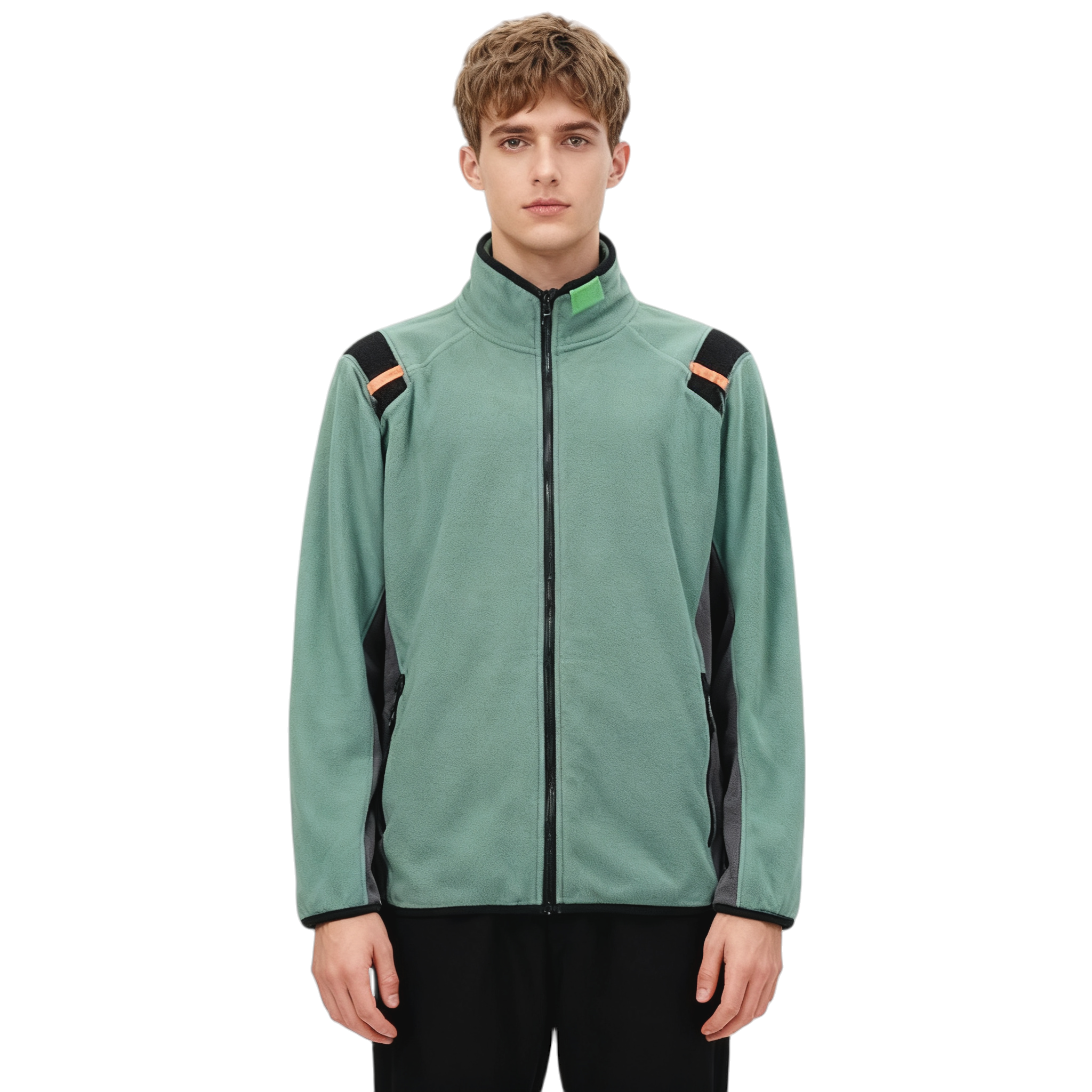
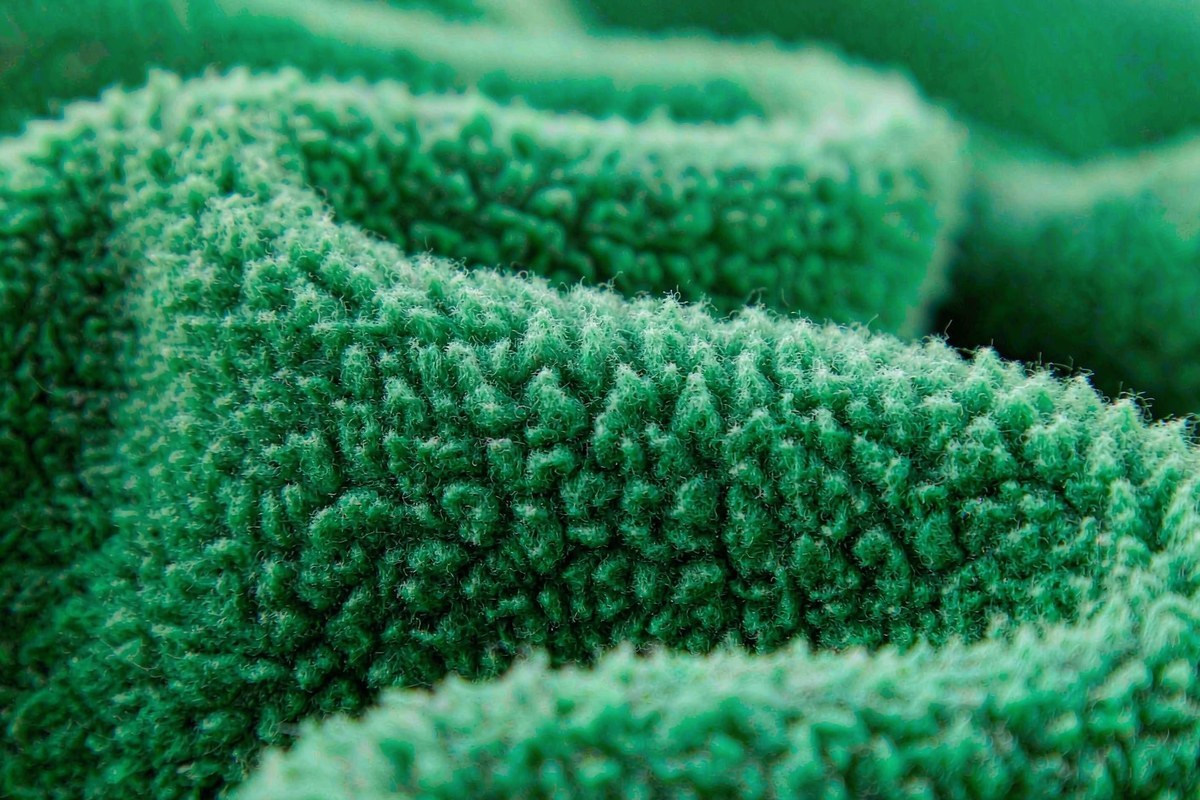 The garment in the crosshairs of every headline - though the law has not reached it yet
02 · The Shedding Clock Is Running Anyway
Waiting for the EU to act before doing anything is the wrong read of the timeline, because France is already operating the instruments the EU will standardise later, and France has a habit of previewing European rules by three to five years.
Read together, the sequence is not a wall - it is a ratchet. Nothing bans fleece in 2028. But a brand that cannot show structured shedding data by the time the delegated act lands will be measured by whatever default assumptions regulators write instead, in EPR fees, in eco-scores and in the passport. France's eco-score system already illustrates the dynamic: brands that submitted measured data keep control of their scores, and brands that did not are being scored on worst-case assumptions.
03 · The Fabric-Side Work That Survives the Ratchet
Shedding is a fabric-engineering variable before it is a compliance variable. The work that moves the number is unglamorous and mostly happens before dyeing.

Fibre release is measured in the laundry, not on the shelf. That is why the emerging protocols specify machine, detergent, load and cycle - and why fabric mills are now running laundering-shedding tests alongside pilling and shrinkage. A program that knows its fabric's shedding number, and the wash conditions it was measured under, can answer the buyer's question with evidence instead of adjectives.
04 · What This Means for a 2027 Fleece Program
None of this makes fleece a liability category - it makes it a specification category. The brands that will do well under the ratchet are already doing three things: choosing constructions that shed less and pill less, building a data file per fabric rather than per season, and keeping marketing language inside the evidence. The sustainable manufacturing briefing covers how this slots into a wider program, and the European market briefing shows how differently member states weight the same rules.
For the chemical side of the same program - DWR chemistry, PFHxA limits, wash-durability verification - our PFAS-free verification guide is the companion piece, and the fabric selection guide frames how base cloth choice drives every downstream spec.
The restriction did not touch fleece. The passport will - and by then the question will not be whether the fabric sheds, but whether you can prove how much.
UniOuter compliance notes, autumn 2026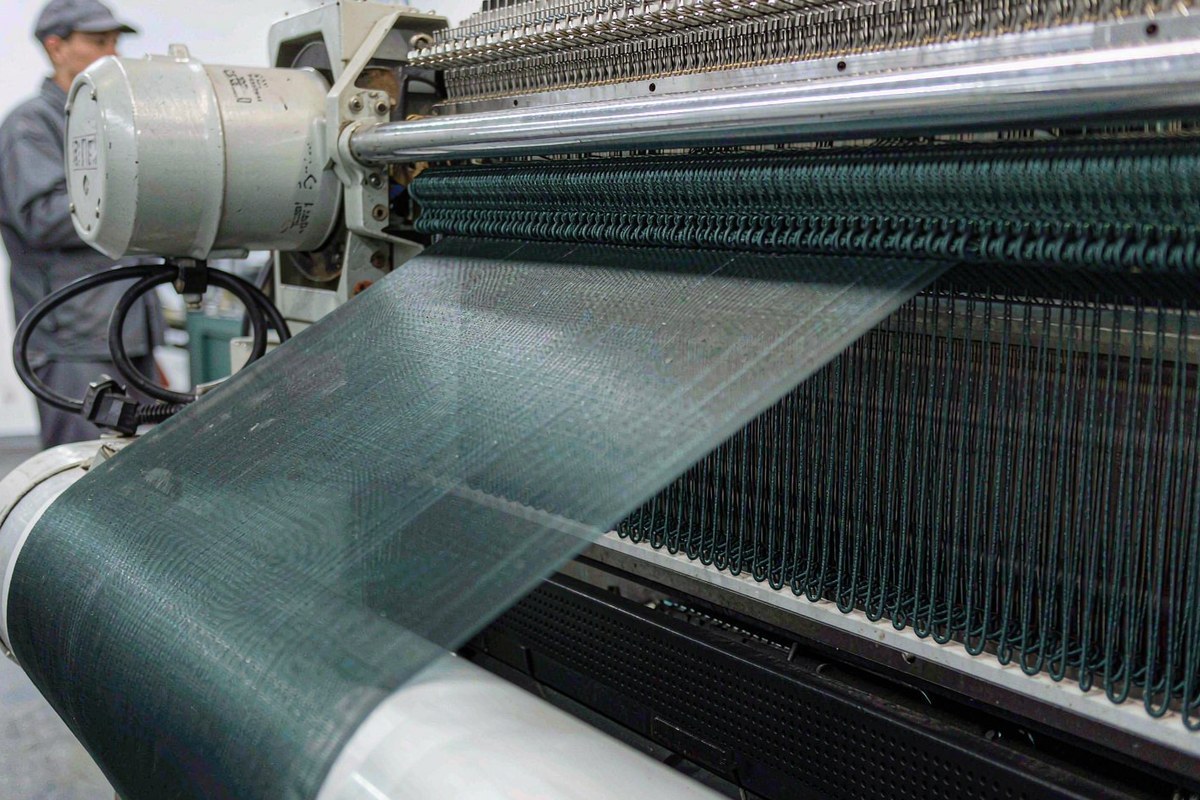 Where the answer is engineered: knit density and yarn twist, decided before dyeing
Shop the Fleece and Shell Lines
- Regulation (EU) 2023/2055 restricts added microplastics, not washing-shed fibres - audit glitter prints and polymer-particle coatings now.
- Shedding arrives through ESPR, EPR eco-modulation and the Digital Product Passport; the textile delegated act expected in 2027 is the milestone to watch.
- France is the preview: filter rules legislated but unenforced pending decree, disclosure live for large brands, eco-scores already punishing missing data.
- The real work is fabric-side: tighter knits, controlled brushing, traceable recycled feedstock, and baseline shedding data per fabric.
Frequently Asked Questions
No. Regulation (EU) 2023/2055 restricts synthetic polymer micro-particles that are intentionally added to products - microbeads, glitter, granules - and does not cover fibres released when garments are washed. Fleece remains legal to sell; what is changing is the documentation and data expected around it.
Not under the 2023 REACH restriction, because shed fibres are not intentionally added. Fibre shedding is being addressed through separate instruments: ecodesign requirements under ESPR with a textile delegated act expected in 2027, Digital Product Passport fields from mid-2028, EPR fee eco-modulation from 2027, and national measures such as France's disclosure regime.
A 2023 amendment to REACH Annex XVII that restricts placing synthetic polymer micro-particles on the EU market as substances on their own or intentionally added to mixtures at 0.01% by weight or more, where the particles release them under use. It applied from 17 October 2023 with transition periods of up to 12 years for some product types.
Not inherently - shedding is driven mainly by knit structure, yarn twist and finishing rather than by feedstock. Recycled certification matters for traceability and process control, and well-engineered recycled fleece can shed less, but 'recycled' alone is not a shedding claim and should not be marketed as one.
France's AGEC law requires microfibre filters on new washing machines sold from 1 January 2025, but the implementing decree that defines technical thresholds and enforcement has still not been published, so the obligation is not yet enforceable. It signals direction rather than current law.
Three things: audit embellishments and prints for intentionally added micro-particles against Regulation 2023/2055; build per-fabric shedding and pilling baselines under standardised wash protocols; and keep environmental claims inside the evidence, since the Empowering Consumers Directive makes unsubstantiated claims actionable across the EU from September 2026.