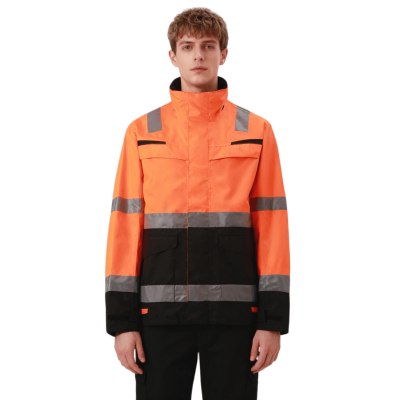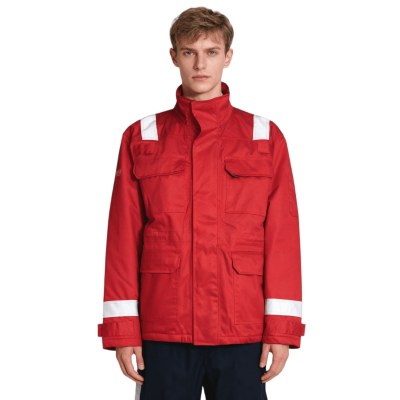
Softshell vs Hardshell vs 3-in-1 vs Insulated: How to Build a Complete Outdoor Jacket Product Line
A well-planned outdoor jacket product line needs more than one type. Softshell, hardshell, 3-in-1, and insulated jackets each serve distinct customer needs, weather conditions, and price points. Offering the right mix maximizes market coverage and average order value. This guide breaks down each category and shows you how to build a balanced lineup.
At UniOuter, we manufacture all four jacket types for brands worldwide. Our custom OEM capabilities cover everything from lightweight softshells to 3-layer alpine hardshells. For brands planning their first collection, our brand startup guide provides the full roadmap.
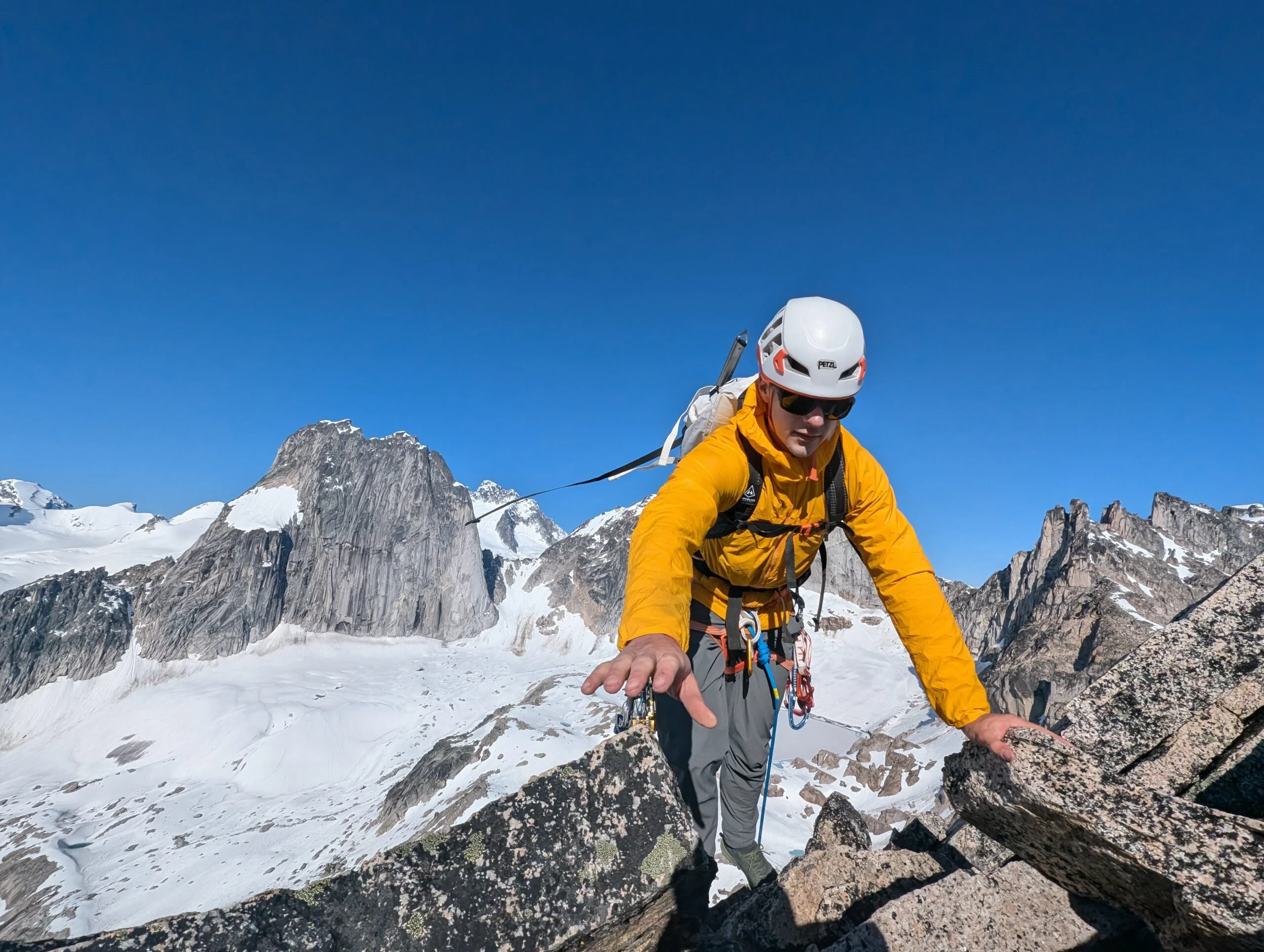
The Four Jacket Types Compared
Each jacket type solves a different problem. Understanding the core function of each helps you decide which ones belong in your product line.
| Type | Primary Function | Weather Range | Price Range (Wholesale) | Best Seller Profile |
|---|---|---|---|---|
| Softshell | Wind resistance, light rain, breathability, stretch | 5°C to 20°C, light precipitation | $25–60 | Active hikers, commuters |
| Hardshell | Full waterproof protection, storm defense | −10°C to 25°C, heavy rain/snow | $50–200 | Serious hikers, mountaineers |
| 3-in-1 | Versatility: shell + insulation, worn together or separately | −15°C to 20°C, all conditions | $60–150 | Value-conscious buyers, travelers |
| Insulated | Cold weather warmth, static insulation | −30°C to 5°C, dry cold | $40–180 | Winter sports, cold climate |
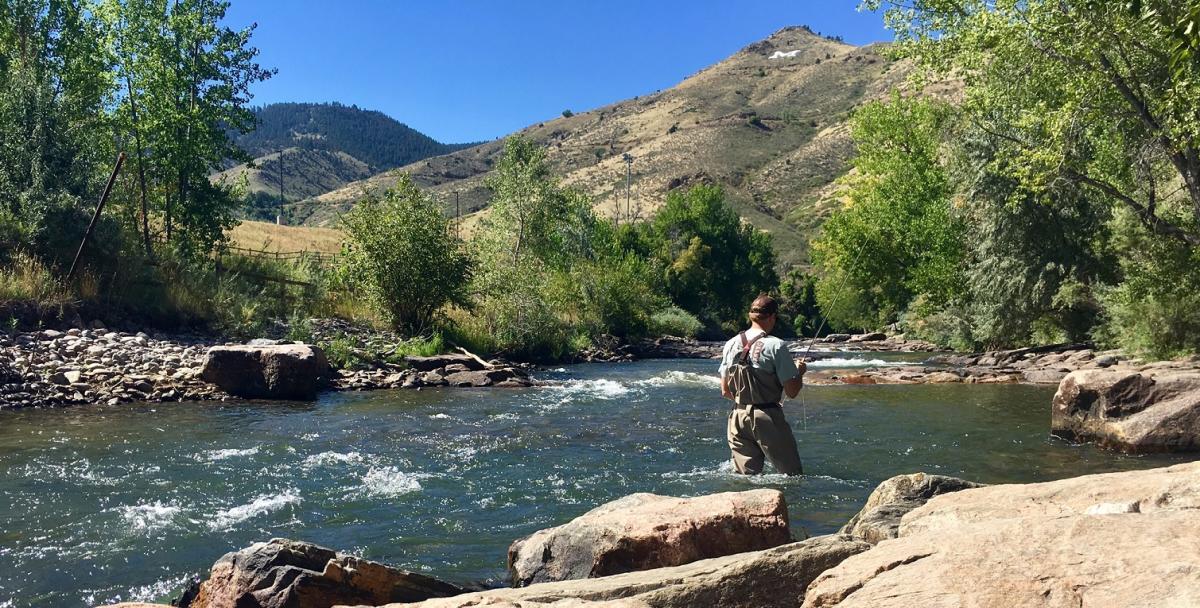
Deep Dive: Strengths and Trade-offs
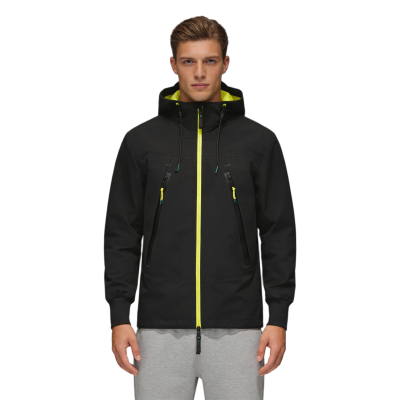
Softshell jackets prioritize breathability and mobility over absolute waterproofing. They use tightly woven fabrics with DWR treatment and often include a thin fleece backing for warmth. The stretch fabric allows unrestricted movement, making them ideal for high-output activities. Trade-off: they won't handle sustained heavy rain. Best positioned as your spring/fall staple at an accessible price point. Consider pairing with our GSM guide for fabric specification.
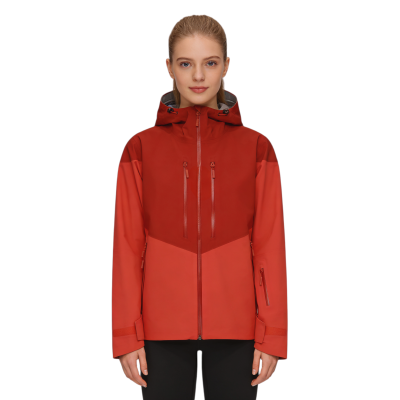
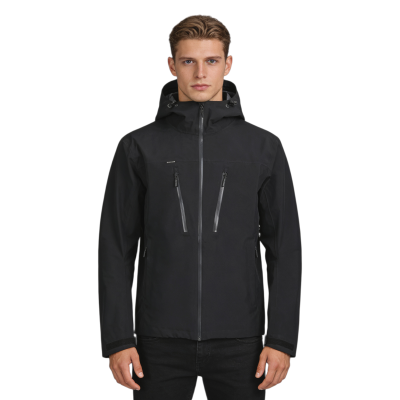
Hardshells are your premium waterproof offering. Using 2.5-layer or 3-layer laminated membranes, they provide the highest level of weather protection. Modern hardshells are lighter and more packable than ever, but they still command a premium price. Trade-off: less breathable than softshells and more expensive to produce. Position as your technical flagship. Check our product catalog for hardshell examples.
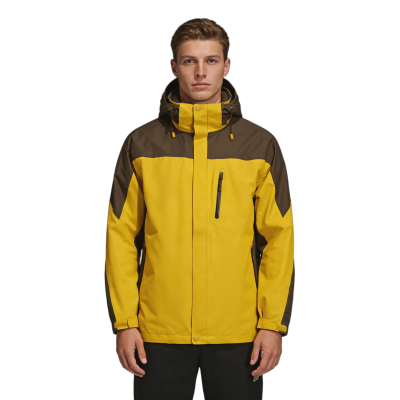
The 3-in-1 jacket combines a waterproof outer shell with a removable insulated inner jacket. Customers love the versatility — it's three jackets in one (shell alone, liner alone, or both together). Trade-off: slightly heavier and bulkier than dedicated jackets, and the compromise design means neither component is optimized to its fullest. This is your highest-margin product because the perceived value is enormous. Our manufacturing expertise includes zip-in compatibility systems.
Insulated jackets use either down fill or synthetic insulation to trap body heat. Down offers the best warmth-to-weight ratio but loses insulating power when wet. Synthetic insulation (like PrimaLoft) performs in damp conditions and dries faster. Trade-off: not waterproof on its own — needs a shell for rain protection. Position as your winter staple. For more on waterproof ratings, see our waterproof rating guide.

Building Your Product Line Matrix
A balanced outdoor jacket line should include at least 3 of the 4 types. Here's a recommended matrix for a brand launching with 6–8 styles:
- 2 softshell styles (men's + women's) — Entry price point, volume driver
- 2 hardshell styles (men's + women's) — Mid-to-premium price, technical credibility
- 1 3-in-1 style — Highest margin, versatility story for marketing
- 1–2 insulated styles — Seasonal extension, winter market coverage
We produce all four jacket types under one roof, ensuring consistent quality and shared fabric sourcing across your line. This reduces MOQ pressure and simplifies QC. Contact our product development team or send an inquiry to start building your line. Our purchasing guide has full details.
Shop All Types of Outdoor Jackets
Frequently Asked Questions
Softshell and mid-range hardshells are the volume leaders. 3-in-1 jackets generate the highest margin per unit due to perceived value. Insulated jackets are seasonal but essential for cold-climate markets.
Yes, if the factory has the right equipment. UniOuter produces all four types with shared fabric sourcing, which reduces costs and MOQ pressure. This is more efficient than using separate factories for each type.
A minimum viable line has 4 styles: 1 softshell, 1 hardshell, 1 3-in-1, and 1 insulated. This covers all seasons and weather conditions. Expand to 6–8 styles with gender-specific fits as the brand grows.
Yes. We manufacture softshell, hardshell, 3-in-1, and insulated jackets. Browse our product catalog for examples of each type, or send an inquiry to discuss your product line.