How to Design High-Performance Outdoor Jackets: A Complete Guide for Brands
Why High-Performance Outdoor Jacket Design Matters in 2026
Let’s start with a simple truth:
In today’s outdoor apparel market, a jacket is no longer just clothing—it’s a performance product.
And the stakes are high.
Industry data shows that over 65% of outdoor apparel purchasing decisions are based on functionality rather than aesthetics. That means design is not just about looks anymore—it’s about survival in a highly competitive market.
So here’s the real question:
Are you designing jackets people admire… or jackets people actually trust?
The Market Is Growing—But So Are Expectations
The global outdoor apparel market is expected to surpass $45 billion by 2026, driven by:
Urban outdoor lifestyle growth、Rising demand for multi-functional clothing、Increasing focus on performance fabrics
But here’s the catch:
More demand = more competition = higher expectations.
Consumers now expect jackets that are:
Waterproof in heavy rain、Breathable during activity、Lightweight yet durable、Stylish enough for city wear
Sounds simple? Not even close.
Common Design Failures Brands Face
Many brands fail not because of bad ideas—but bad execution.
Typical mistakes include:
Over-prioritizing style over function、Using wrong fabric combinations、Ignoring real user environments
Result?
High return rates (industry average: 20–30% in underperforming outdoor lines)、Negative reviews、Inventory stagnation
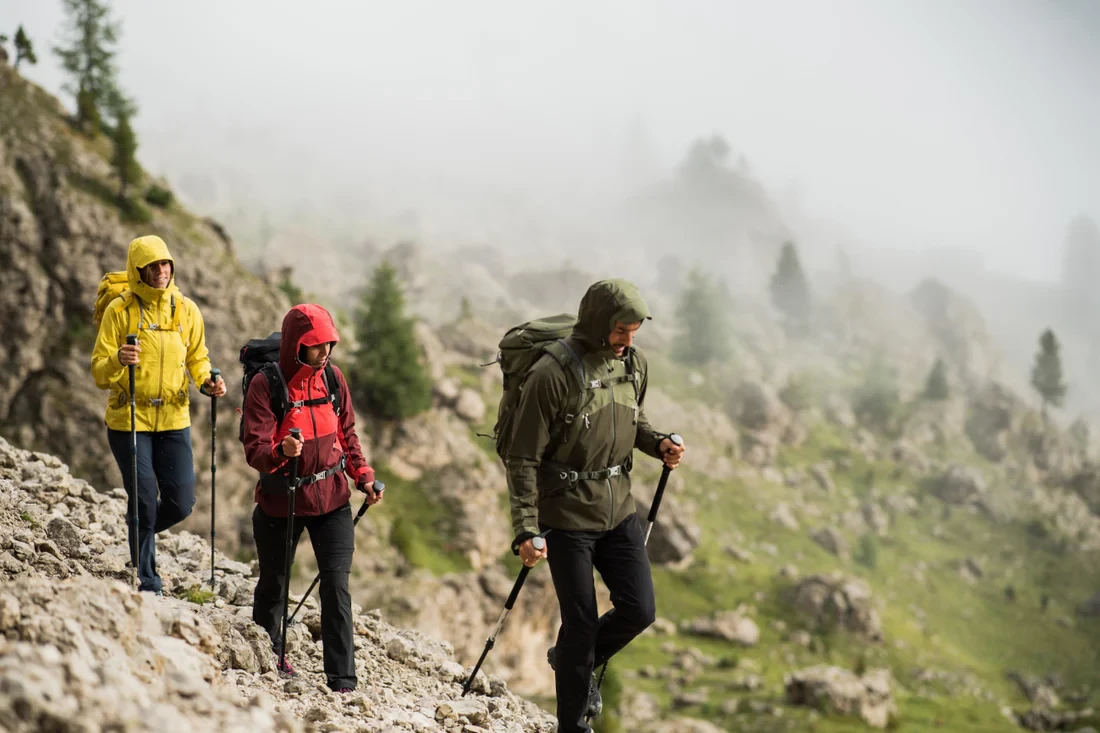
The Core Building Blocks of a High-Performance Outdoor Jacket
If you strip everything down, a high-performance jacket is built on two pillars:
Fabric system + Functional design
Fabric Systems: The Engine of Performance
Fabric choice determines everything.
Let’s break it down:
Waterproof Fabrics
5,000mm → light rain protection
10,000mm → moderate outdoor use
20,000mm+ → extreme weather conditions
Most premium jackets fall between 10,000–20,000mm waterproof rating.
Breathable Fabrics
Measured in g/m²/24h:
5,000 → basic ventilation
10,000 → active outdoor use
20,000+ → high-performance sportswear
Breathability is critical—because sweat trapped inside is just as bad as rain outside.
Durable Fabrics
Key materials:
Nylon Ripstop (tear-resistant)、Polyester blends (lightweight durability)、Softshell systems (flexible performance)
Functional Features That Actually Matter
Let’s be real—more features doesn’t mean better design.
Users actually care about:
Adjustable hoods (wind + rain protection)
Ventilation zippers (temperature control)
Waterproof zippers
Ergonomic cutting for movement
Good design is invisible—but effective.
Step-by-Step Outdoor Jacket Design Process for Brands
Now let’s move from theory to execution.
Step 1: Define Your Target User
This is where most brands go wrong.
Ask yourself:
Are you designing for hikers?、Urban commuters?、Extreme mountaineers?
Because each group requires completely different design logic.
Example:
Urban jackets → lightweight, stylish, breathable
Mountaineering jackets → high waterproof + durability focus
Step 2: Concept Development
At this stage, you define:
Fabric combination、Feature set、Price positioning
Data insight:
Brands that clearly define product positioning early reduce development waste by up to 40%.
Step 3: Sampling and Testing
This is where real performance is validated.
Typical process:
Sample creation: 7–14 days (industry average)、Field testing: real outdoor conditions、Iteration: 1–3 revision cycles
Poor testing = product failure in the market.
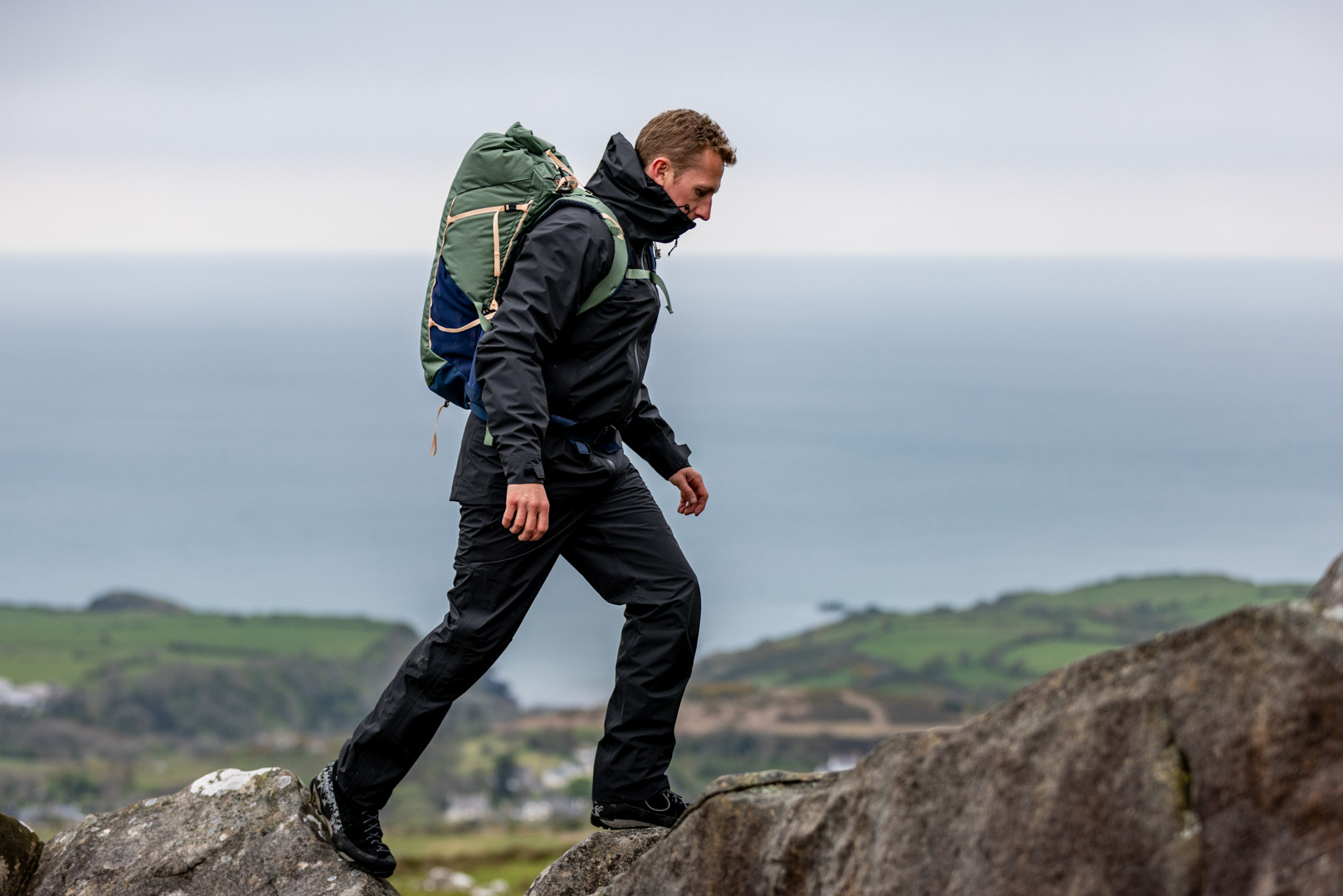
Manufacturing Strategy: How Brands Reduce Risk and Scale Faster
Even the best design fails without the right manufacturing partner.
The Real Challenge: Speed vs Quality vs Cost
Most brands struggle with this triangle:
Fast production → risk of quality issues、High quality → higher cost、Low cost → slow development
So how do you balance it?
UniOuter Cooperation Model
At UniOuter, we help brands solve this exact problem.
With over 20 years of outdoor apparel manufacturing experience, we support global brands in:
Functional jacket development、Urban outdoor apparel、Hunting & fishing gear
Practical Production System
Here’s what we offer:
MOQ: 300–500 pieces、Sample Development: 7–14 days、Bulk Production: 30–50 days
For qualified clients:
Sample fee reduction or waiver、Design assistance、Support for tender and bidding projects
Full Customization Support
We don’t just manufacture—we co-create.
We help brands:
Select optimal fabrics、Improve product structure、Build competitive outdoor jacket lines
Product examples:
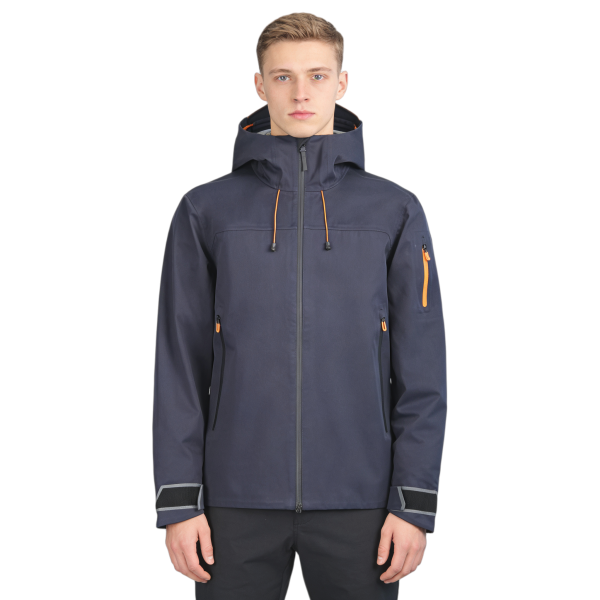
Breathable Waterproof Hiking Jacket – Hooded Design for Extended Outdoor Adventures, Available for Wholesale.
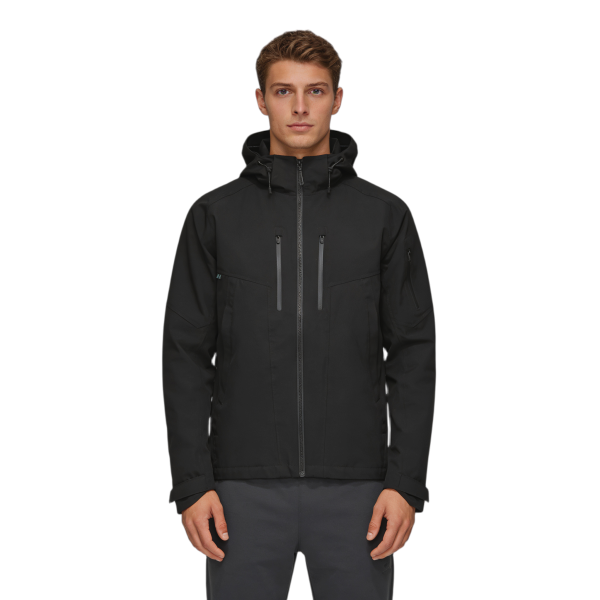
Breathable, Durable Commuter Jacket – All-Day Comfort and Customization for Bulk Orders.
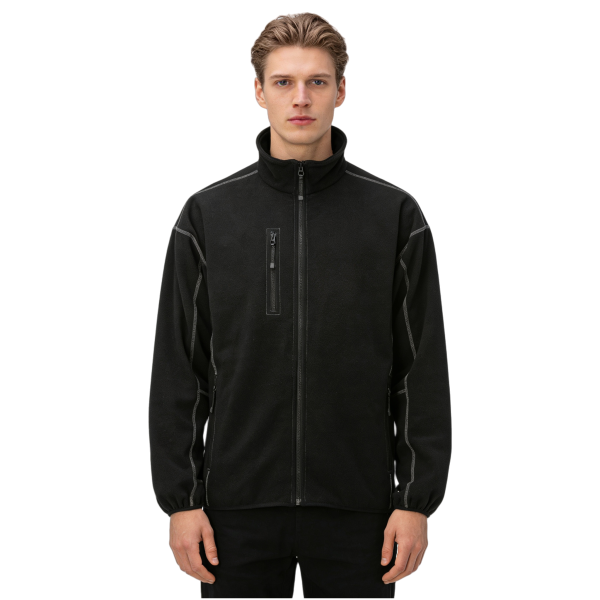
Lightweight Windbreaker Hiking Jacket – Easy to Pack and Carry, Perfect for Outdoor Treks.
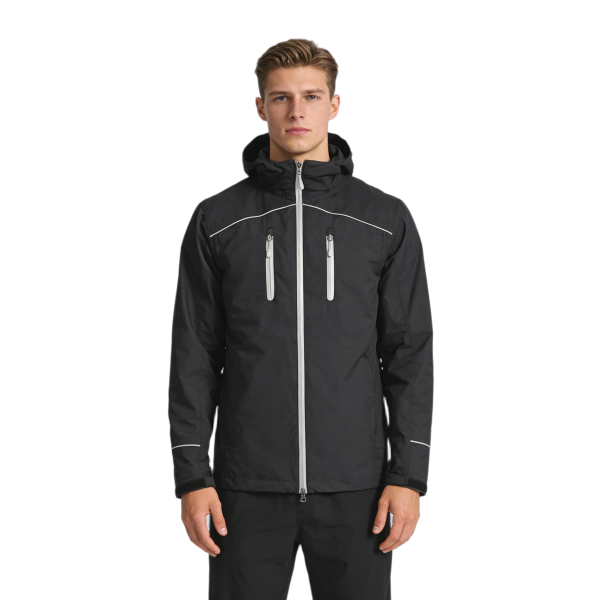
Abrasion-Resistant Windproof Mountaineering Jacket – Excellent Waterproof Protection, OEM Supported.
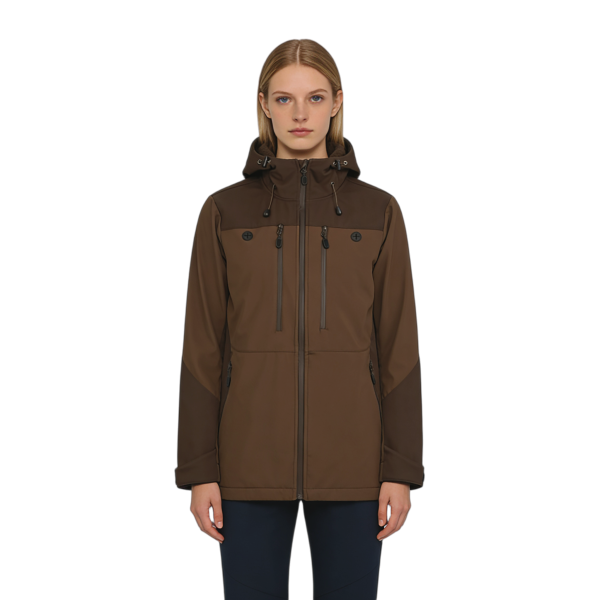
Windproof mountain coat with high-performance fabric, hooded design, Velcro closure, ideal for high-altitude adventures.
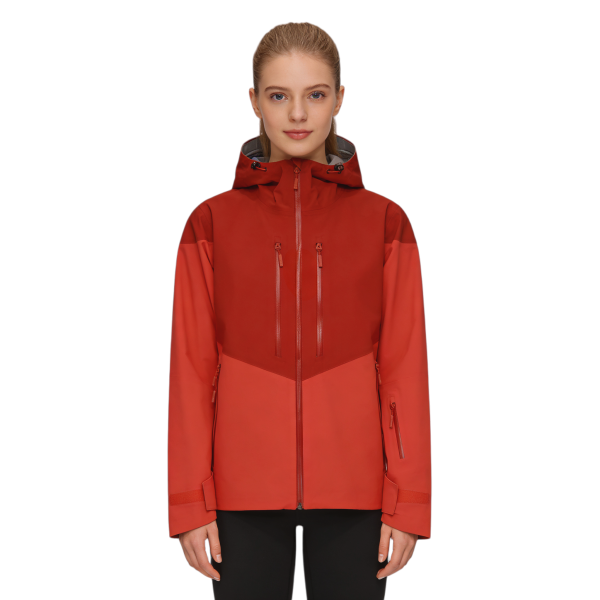
Women's waterproof jacket, combines fashion and function, tailored fit, ideal for adventures and daily wear.
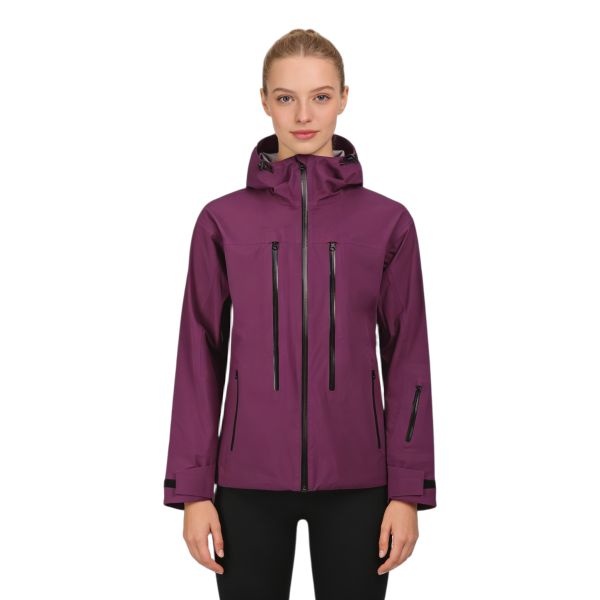
Women's waterproof hiking jacket, blends function and fashion , supports OEM customization, ideal for outdoor enthusiasts.
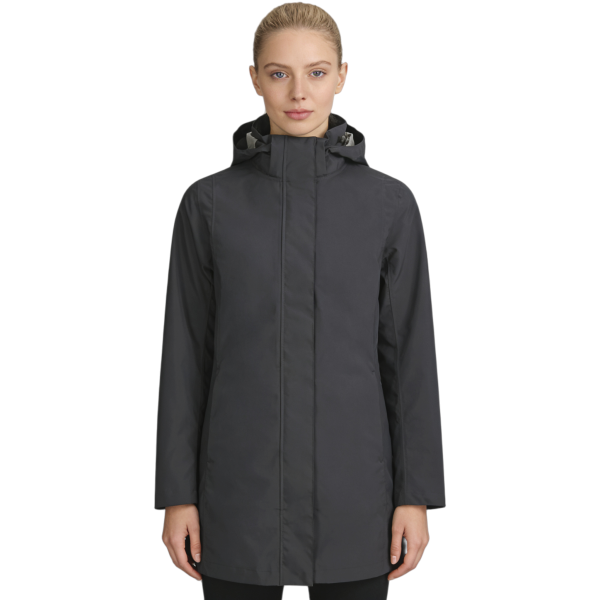
Windproof Waterproof Hiking Coat with Hood – Designed for Cold and Damp Forest Environments.
Key Takeaways: What Makes a Jacket Truly High-Performance
Let’s simplify everything.
A high-performance outdoor jacket is not defined by:
Price、Brand name、Number of features
It is defined by:
Correct fabric system、Purpose-driven design、Real-world testing、Reliable manufacturing
Final Insight
The best jackets are not the most complex—they are the most intentional.
In a market growing beyond $45 billion, brands that win are those that:
Design with purpose、Build with precision、Manufacture with the right partner
Because at the end of the day:
Performance is not claimed—it is engineered.
FAQs
1. What is the most important factor in outdoor jacket design?
Fabric system selection is the foundation, followed closely by functional design features.
2. How long does it take to develop a custom outdoor jacket?
Typically 7–14 days for samples and 30–50 days for bulk production.
3. How can small brands compete in outdoor apparel?
By focusing on niche positioning, smart fabric choices, and flexible manufacturing partners.