How Softshell and Hardshell Fabrics Compare in Outdoor Apparel Design
Why Choosing Between Softshell and Hardshell Matters for Your Product Line
Let’s start with a simple but critical question:
Are you building a product that looks good on paper… or one that actually sells?
Because when it comes to outdoor apparel, the choice between softshell and hardshell fabrics can make or break your product.
According to industry insights, over 60% of outdoor apparel returns are linked to performance mismatch—not design, not branding, but functionality.
That means one thing:
If you choose the wrong fabric, your product fails before it even gets a chance.
The Real Role of Fabric in Outdoor Apparel
Fabric is not just a material—it’s the core of performance.
It determines:
How waterproof your jacket is、How breathable it feels、How comfortable users stay during activity
Think of it like this:
Softshell is like a flexible sports car—comfortable, adaptable, fast.
Hardshell is like a tank—strong, protective, built for extreme conditions.
Both are great—but only if used correctly.
Common Mistakes Buyers Make
Many B2B buyers fall into these traps:
Using hardshell fabrics for casual urban wear (too stiff, uncomfortable)
Using softshell fabrics in heavy rain conditions (insufficient protection)
Ignoring the target user scenario
The result?
High return rates、Poor reviews、Unsold inventory

What Is Softshell Fabric? Features, Benefits, and Limitations
Let’s break softshell down in a practical way.
What Makes Softshell… Soft?
Softshell fabrics are typically made from:
Polyester or nylon blends、Stretch materials (like spandex)、Water-resistant coatings
They are designed for:
flexibility, breathability, and comfort
Key Benefits of Softshell
Excellent Breathability
Softshell fabrics allow moisture to escape easily, making them ideal for active use.
High Flexibility and Comfort
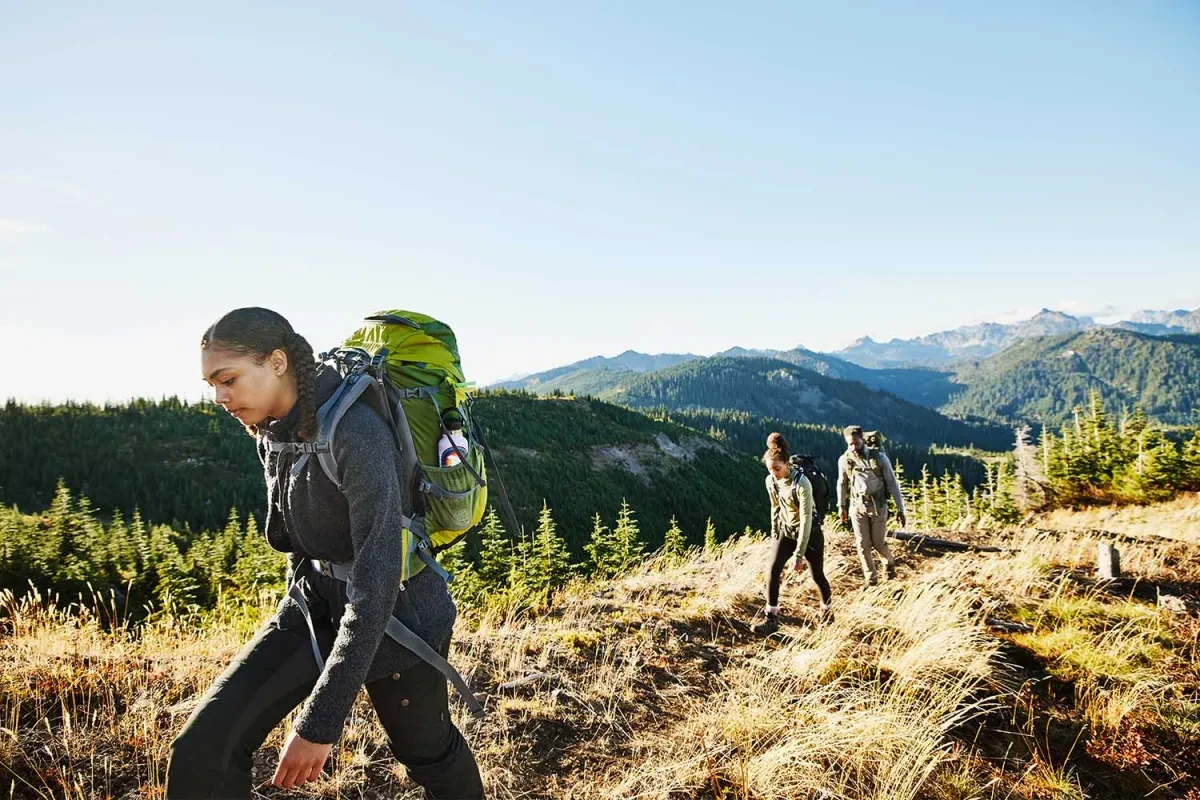
They stretch with movement—perfect for hiking, climbing, and commuting.
Lightweight and Versatile
Softshell jackets are often used as all-day wear.
Limitations You Need to Know
Not fully waterproof、Less protection in extreme weather、Limited insulation in cold environments
Best Use Cases
Softshell fabrics are ideal for:
Urban outdoor wear、Hiking in mild conditions、Daily commuting
What Is Hardshell Fabric? Protection, Technology, and Trade-Offs
Now let’s talk about the heavy-duty option.
What Defines Hardshell Fabric?
Hardshell fabrics are built with:
Waterproof membranes、Multi-layer construction (2-layer, 3-layer systems)、Durable outer shells
Their mission is simple:
Maximum protection against rain, wind, and harsh environments
Key Benefits of Hardshell
High Waterproof Performance
Typical ratings range from 10,000mm to 20,000mm+
Windproof Protection
Blocks cold air effectively
Durability in Extreme Conditions
Suitable for mountaineering and harsh environments
The Trade-Offs
Lower breathability compared to softshell、Stiffer and less comfortable、Higher cost
Best Use Cases
Hardshell fabrics are ideal for:
Heavy rain environments、Mountaineering、Professional outdoor gear
Softshell vs Hardshell: Key Differences That Impact Buying Decisions
Now let’s put them head-to-head.
Performance Comparison
| Feature | Softshell | Hardshell |
| Waterproof | Water-resistant | Fully waterproof |
Breathability | High | Moderate |
Comfort | Excellent | Moderate |
| Durability | Medium | High |
| Weight | Lightweight | Heavier |
Cost vs Market Positioning
Softshell:
Lower cost、Higher versatility、Mass-market appeal
Hardshell:
Higher cost、Premium positioning、Niche outdoor users
What Buyers Often Get Wrong
They treat softshell and hardshell as competitors.
But in reality:
They are complementary.
Smart brands use both:
Softshell for daily wear
Hardshell for extreme protection
Market Insight (Important Data)
Softshell products account for over 55% of urban outdoor apparel sales
Hardshell dominates technical outdoor segments
This means your product strategy should include both categories.
How UniOuter Helps You Choose the Right Fabric for Your Market
Now let’s move from theory to execution.
Because knowing the difference is one thing—
Building the right product is another.
From Confusion to Clarity
At UniOuter, we help brands answer key questions:
Which fabric suits your target market?
How to balance cost vs performance?
How to reduce product risk?
With over 20 years of manufacturing experience, we specialize in:
Functional outdoor apparel
Urban commuter clothing
Technical gear development
Practical Cooperation Policy (Built for Real Buyers)
MOQ: 300–500 pieces、Sample Time: 7–14 days、Bulk Production: 30–50 days
For qualified clients:
Sample fee reduction or waiver、Design and development support、Assistance with tender projects
Full Customization Capabilities
Need help developing your product?
We support:
Fabric selection strategy、Functional design optimization、Product line development
Product categories:
Custom Waterproof Fishing Jacket with Fully Sealed Seams. OEM & ODM services available for superior comfort and breathability.
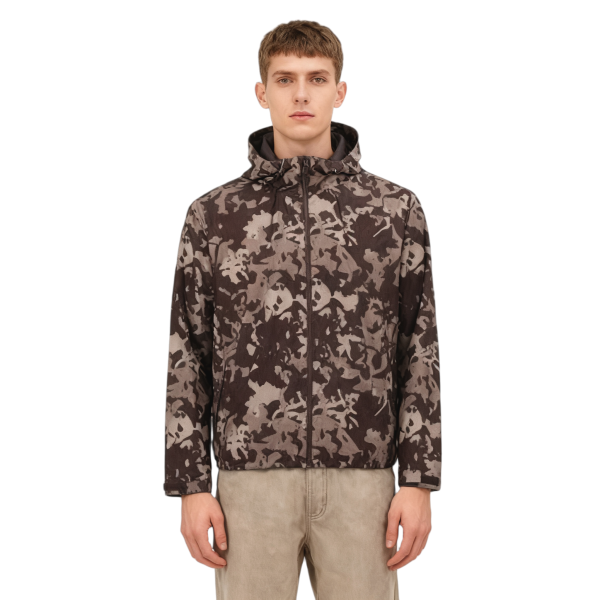
Custom Camo Hunting Jacket: Windproof, waterproof & perfect for outdoor adventures. OEM & wholesale available!
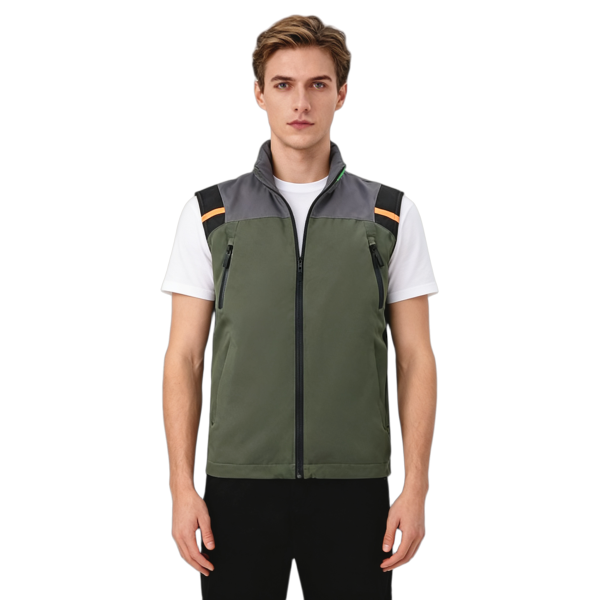
Custom fleece fishing vest, windproof, warm, and lightweight for comfort—ideal for unpredictable weather.
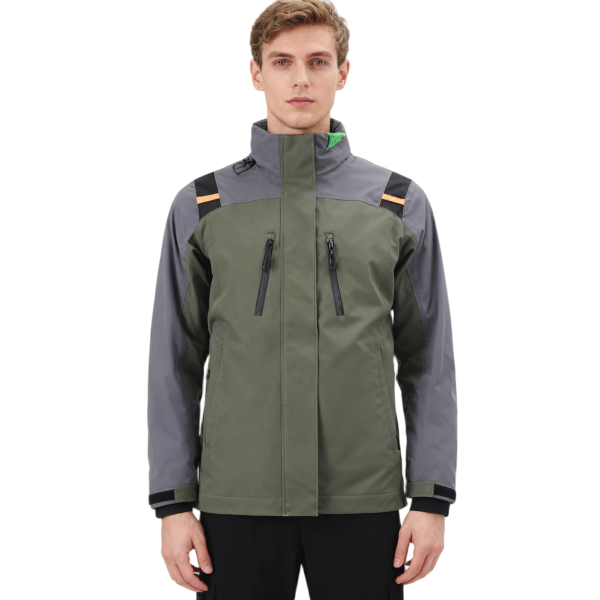
Custom OEM/ODM Windproof Fishing Jacket with Adjustable Cuffs & Velcro Closures, designed for ultimate comfort and protection.
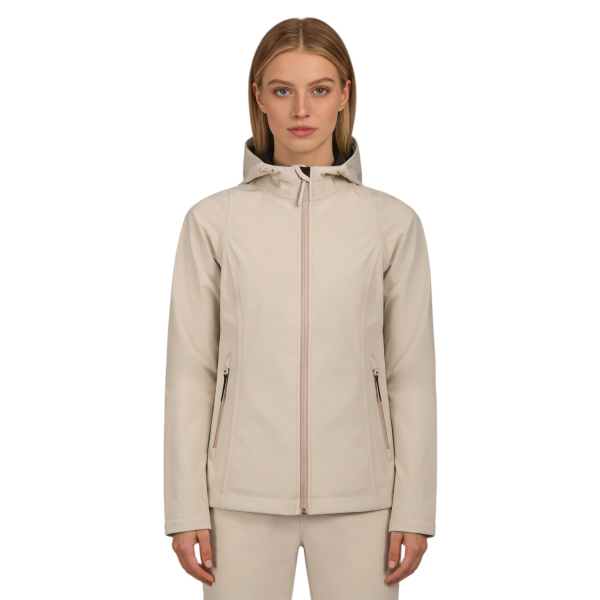
Women's slim-fit rainproof jacket, waterproof and lightweight, with an adjustable hat, suitable for various occasions.
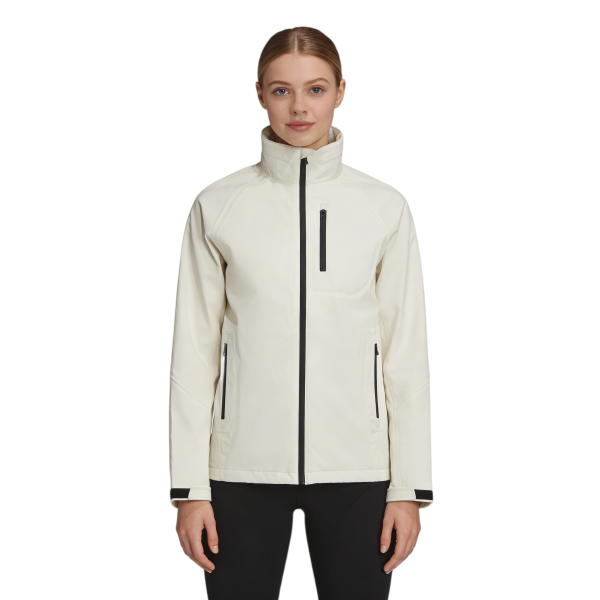
All-Purpose Outdoor Jacket – Combines Waterproof & Windproof Protection, Also Great for City Wear.
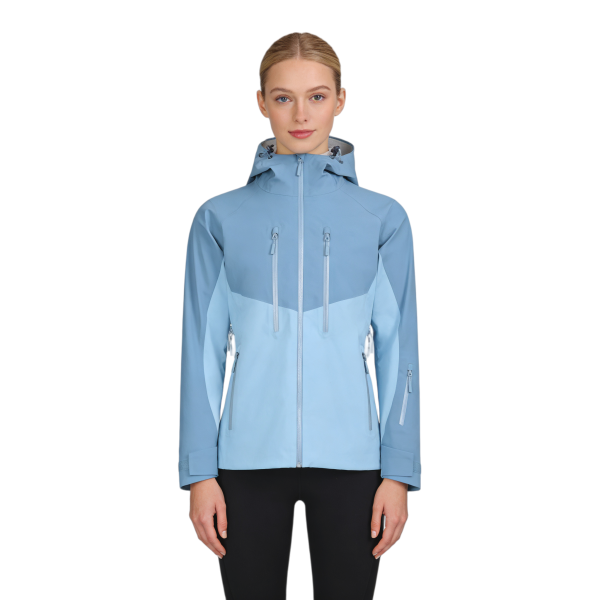
Women's Hiking Jacket – Windproof & Waterproof, Fitted with a Hood, Balancing Style and Functionality.
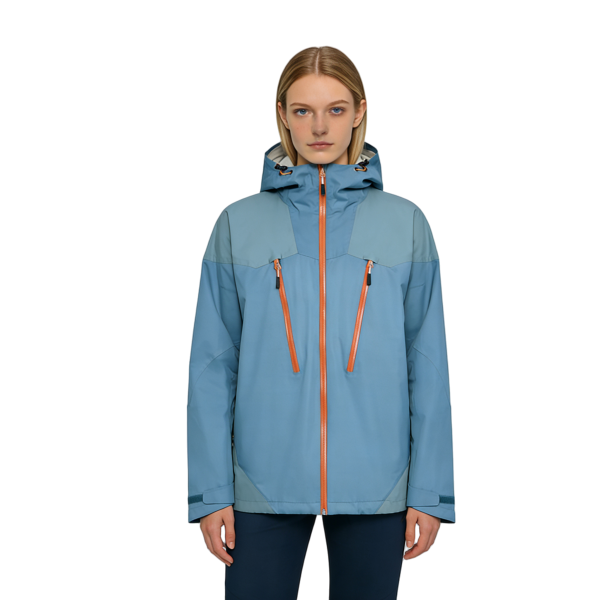
Women's rainproof hiking jacket, waterproof fabric, adjustable design, tailored fit, perfect for hiking adventures.
Conclusion: It’s Not Softshell vs Hardshell—It’s Strategy
Here’s the truth:
There is no “better” fabric.
Only the right fabric for the right use case.
Softshell gives you:
Comfort、Flexibility、Everyday usability
Hardshell gives you:
Protection、Durability、Extreme performance
The brands that win in today’s market?
They don’t choose one.
They build smart product strategies around both.
FAQs
1. Is softshell waterproof enough for outdoor use?
Softshell is water-resistant, suitable for light rain but not heavy downpours.
2. Why is hardshell more expensive?
Because of advanced membrane technology and multi-layer construction.
3. Should I offer both softshell and hardshell products?
Yes, combining both helps cover wider market needs and increases product competitiveness.