Global Demand for Functional Outdoor Clothing: Key Insights for B2B Buyers
Global Market Overview: Why Functional Outdoor Clothing Is Booming
Let’s be honest—functional outdoor clothing is no longer just for hikers or climbers.
It’s everywhere.
From city streets to airport lounges, from daily commuting to weekend hiking trips—functional apparel has become part of modern life. And the data proves it.
The global outdoor apparel market is projected to exceed $45 billion by 2026, with functional clothing accounting for a growing share of that value. Even more interesting?
The urban outdoor segment is growing 20–30% faster than traditional categories.
So what’s driving this surge?
A Lifestyle Shift, Not Just a Trend
Consumers today don’t live in one scenario anymore. Their day might look like this:
Morning commute、Office work、Gym session、Evening outdoor activity
And they don’t want to change outfits four times.
They want one piece of clothing that adapts.
That’s why functional outdoor apparel—designed with versatility, durability, and comfort—is becoming the new standard.
Regional Demand Is Expanding Rapidly
North America & Europe: Mature markets focused on sustainability and premium performance
Asia-Pacific: Fastest-growing region, driven by urbanization and rising middle class
Emerging markets: Increasing demand for affordable functional gear
For B2B buyers, this means one thing:
Global demand is rising—but expectations are also getting higher.
B2B Buyers’ Biggest Pain Points in Sourcing Outdoor Apparel
Now let’s talk about the real struggle—because sourcing is where most problems begin.
Pain Point 1: Inconsistent Quality Across Suppliers
You find a supplier. The samples look great. You place an order.
Then reality hits:
Fabric feels different、Stitching quality drops、Sizing becomes inconsistent
Sound familiar?
According to industry insights, over 35% of B2B buyers experience quality inconsistency issues when scaling production.
One bad production run can destroy months of brand-building.
Pain Point 2: MOQ vs Flexibility
Minimum Order Quantity (MOQ) is a constant headache.
High MOQ → Lower cost per unit but higher risk
Low MOQ → Higher cost but better flexibility
For many brands, this creates a painful trade-off:
Do you protect your cash flow or your profit margin?
Pain Point 3: Slow Development Cycles
Speed matters more than ever.
But traditional supply chains are slow:
Sample development: 3–5 weeks、Production: 60–90 days
By the time your product launches, competitors may already dominate the market.
What Defines “Functional” in 2026: Fabrics, Features, and Performance
Let’s break this down—because “functional” is often misunderstood.
Fabric Technology: The Foundation of Performance
Choosing the right fabric is like choosing the engine of a car.
Here are the most in-demand materials:
Polyester blends: Durable, quick-drying, cost-effective
Nylon fabrics: Lightweight, abrasion-resistant (ideal for hiking gear)
Softshell fabrics: Breathable, flexible, perfect for urban outdoor wear
Waterproof membranes: Essential for rain protection
Sustainable materials are also booming:
Recycled polyester usage has increased by over 30% in recent years
Eco-conscious products can boost conversion rates by 20%+
Design Features That Actually Matter
Let’s get practical. Functional design isn’t about adding more—it’s about adding the right things:
Ventilation zippers for temperature control
Adjustable cuffs and hoods for adaptability
Multi-pocket systems for convenience
Stretch panels for mobility
Want real examples?
UniOuter’s Solution: Turning Buyer Challenges into Scalable Opportunities
So how do you actually solve all these problems?
You don’t just need a supplier. You need a partner.
Step 1: Flexible Manufacturing That Matches Your Growth
At UniOuter, the goal is simple:
Help B2B buyers scale without unnecessary risk.
With over 20 years of experience, UniOuter specializes in:
Outdoor functional apparel、Urban commuter clothing、Hunting & fishing gear
Step 2: Transparent Cooperation Policy
Let’s talk numbers—because that’s what buyers care about:
MOQ: 300–500 pieces、Sample Time: 7–14 days、Bulk Production: 30–50 days
For qualified clients:
Sample fees can be reduced or waived、Support for design development、Assistance with tender projects and bidding
This reduces both risk and time-to-market.
Step 3: Full Customization & Product Optimization
UniOuter goes beyond production.
It helps you build better products.
Customization services include:
Fabric selection guidance、Functional design optimization、Style development support
Product categories:
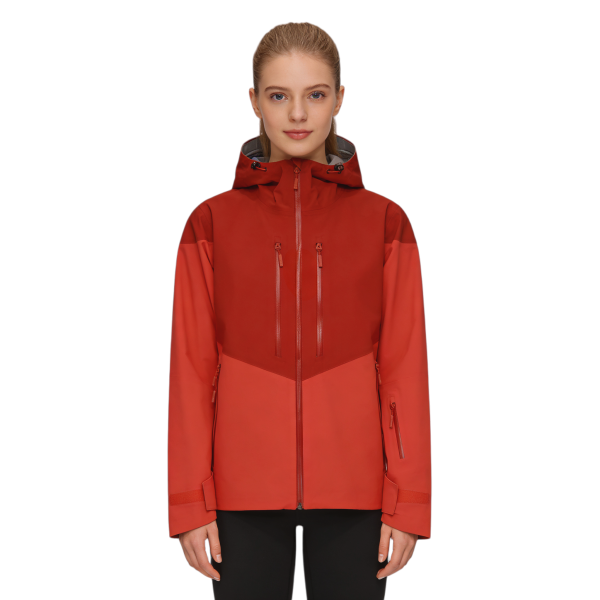
Women's waterproof jacket, combines fashion and function, tailored fit, ideal for adventures and daily wear.
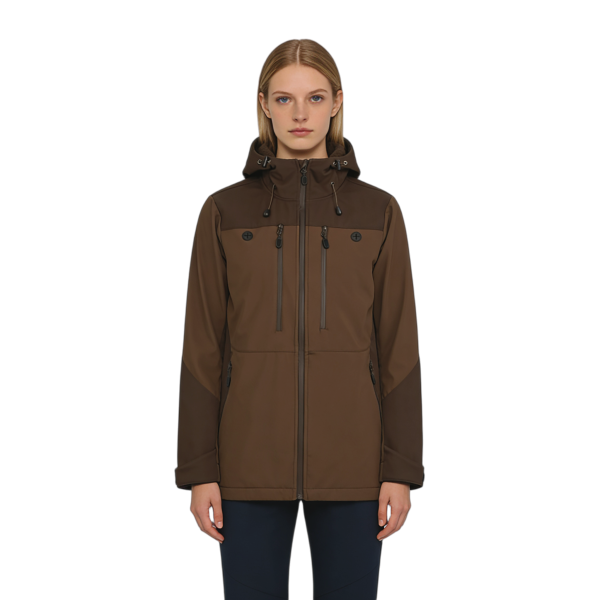
Windproof mountain coat with high-performance fabric, hooded design, Velcro closure, ideal for high-altitude adventures.
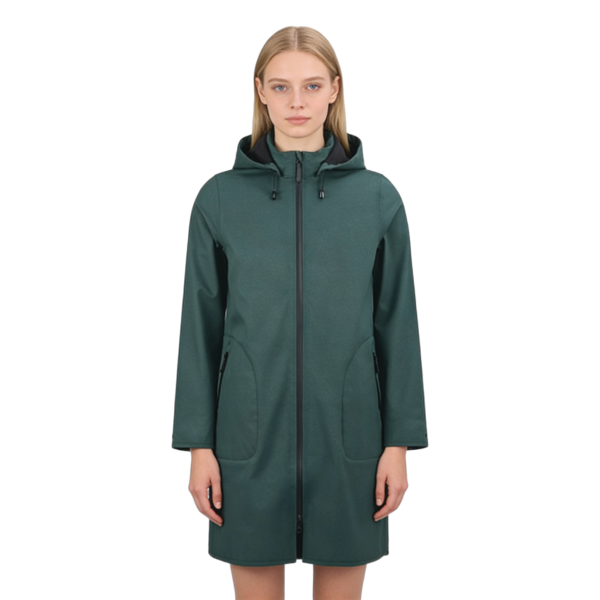
Waterproof parka, adjustable hat, simple and fashionable, suitable for commuting, leisure, and travel.
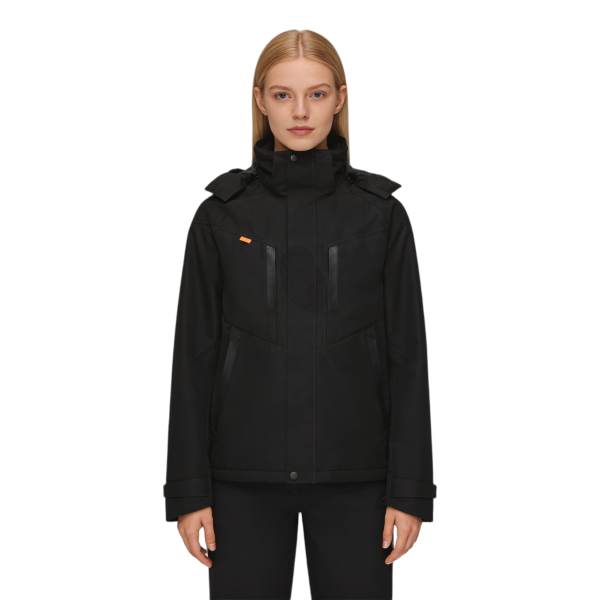
Custom Black Waterproof Jacket - Lightweight, breathable, and comfortable. Explore our OEM & ODM solutions for your brand.
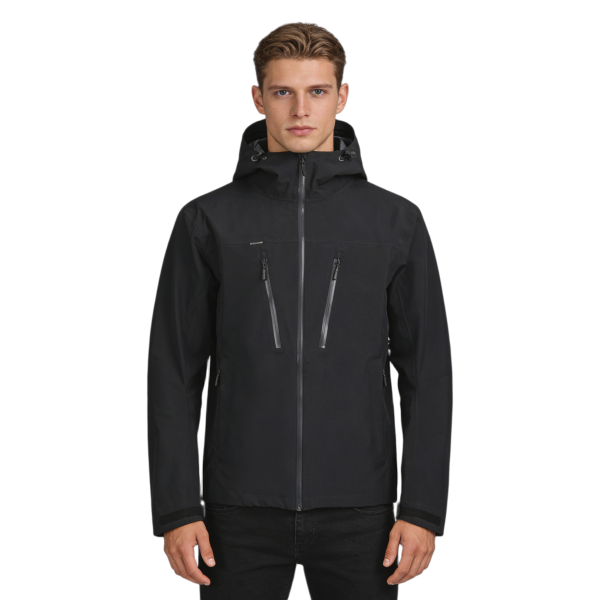
3-Layer Mountaineering Jacket – Enhanced Wind & Water Resistance, Ideal for Plateau and Mountain Wear.
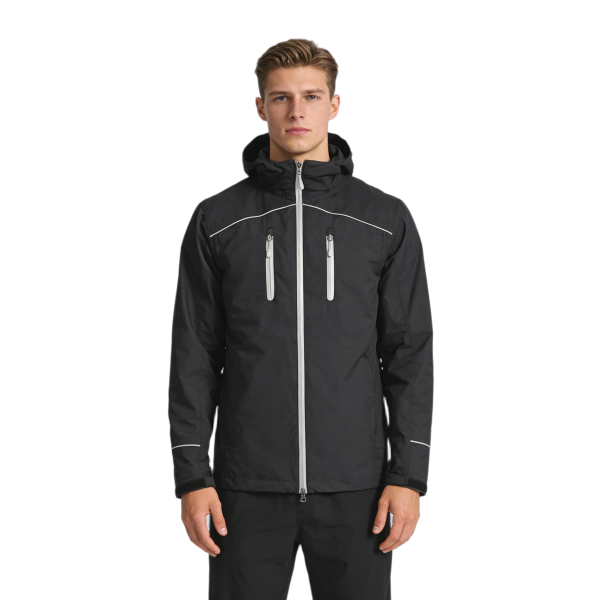
Abrasion-Resistant Windproof Mountaineering Jacket – Excellent Waterproof Protection, OEM Supported.
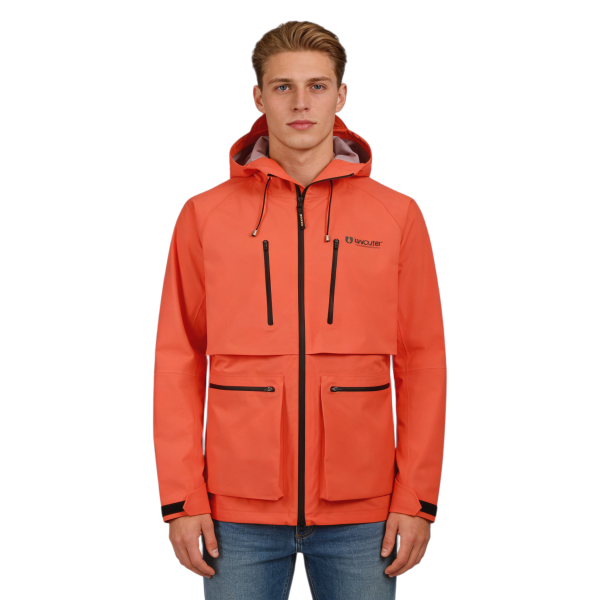
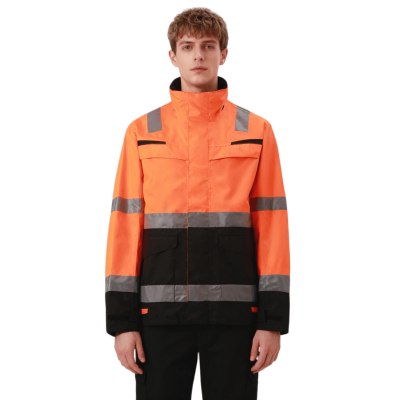
Orange waterproof parka with high-performance fabric, adjustable hat, and waterproof pockets for outdoor adventures.
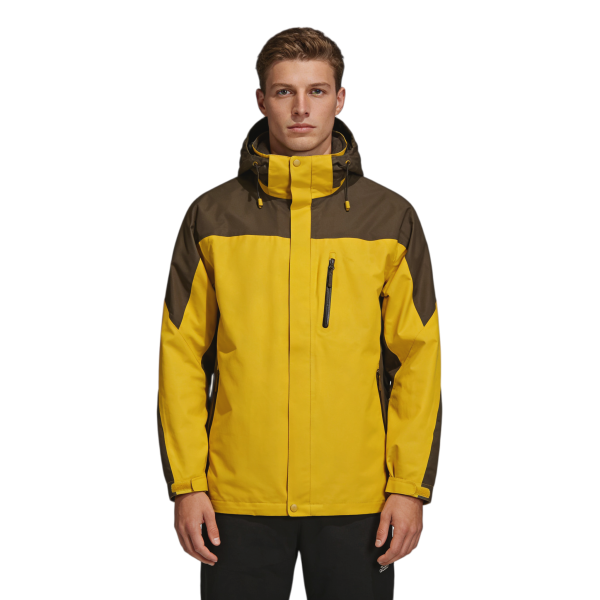
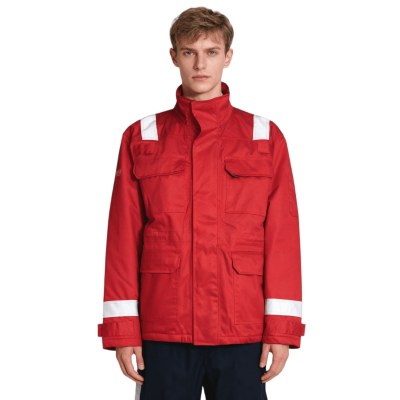
Windproof mountain coat, waterproof fabric, elastic cuffs, detachable hat, tailored fit, ideal for outdoor adventures.
How to Win in the Functional Outdoor Apparel Market as a B2B Buyer
Let’s bring it all together.
1. Focus on Real Consumer Needs
Don’t chase trends blindly.
Ask yourself:
Does this product solve a real problem?
Is it versatile enough for multiple scenarios?
2. Build a Flexible Supply Chain
Speed and adaptability are everything.
Work with manufacturers who:
Offer reasonable MOQs、Deliver fast samples、Support customization
3. Invest in Product Differentiation
In a crowded market, “good enough” isn’t enough.
You need:
Better fabrics、Smarter design、Stronger branding
Conclusion: The Future Belongs to Smart, Agile Buyers
Here’s the truth:
The demand for functional outdoor clothing will keep growing.
But growth doesn’t guarantee success.
The winners will be the buyers who:
Understand market trends、Solve real customer problems、Partner with the right manufacturers
Because in today’s market—
It’s not about who produces more.
It’s about who adapts faster.
FAQs
1. What is functional outdoor clothing?
It refers to apparel designed with performance features like waterproofing, breathability, and durability for multiple environments.
2. What MOQ is ideal for B2B buyers?
A flexible MOQ between 300–500 pieces is ideal for balancing cost and inventory risk.
3. How can I ensure product quality when sourcing?
Work with experienced manufacturers, request samples, and verify production capabilities before scaling.