Custom Outdoor Clothing: Design Tips and Trends
Why Custom Outdoor Clothing Matters Today
In 2026, the outdoor apparel market continues to grow strongly as consumers increasingly seek garments that combine usability, comfort, performance, and lifestyle expression. The global outdoor clothing market size is currently valued at over USD 39.4 billion in 2025 and is forecast to exceed USD 71.5 billion by 2034 at a CAGR of around 6.9%—driven by rising participation in outdoor activities and performance demands.
This trend confirms that outdoor consumers aren’t just buying clothes—they are investing in experiences and capability. Whether hiking remote trails in extreme weather or navigating bustling city streets, buyers demand gear that performs reliably. Generic mass-market apparel often fails to meet these standards, falling short in areas like breathability, durability, and multifunctionality.
Because of this, custom outdoor clothing is no longer a luxury—it’s a strategic necessity for brands that want differentiation, loyalty, and performance credibility in a competitive market.
Key Design Considerations for Outdoor Apparel
1. Fabric and Material Choices
Selecting the right materials is foundational to outdoor apparel design. In 2024, synthetic fabrics such as polyester, nylon, and spandex accounted for over 63% of material usage due to their superior dryness, durability, and lightweight performance.
Data-driven implications:
Waterproof membranes protect against rain but require careful ventilation design.
Synthetic insulation retains warmth even when wet.
Reinforced fibers significantly extend garment lifespan in rugged terrain.
These trends reinforce the importance of data-backed material selection strategies when creating truly functional custom outdoor garments.
UniOuter’s Custom Hiking Clothes and Mountaineering Apparel are engineered with such optimal fabric blends—tested for durability, water resistance, and comfort in real-world scenarios.
2. Functional Features
Outdoor garments are defined by how they interact with movement and environment. Data from industry reports indicates that approximately 57% of outdoor consumers prioritize breathable and moisture-wicking clothing, while 49% prefer layered systems for adapting to changing weather conditions.
Key design elements include:
Ergonomic pocket placement for easy access during activity
Ventilation zippers to regulate heat
Adjustable elements like cuffs and hems for layering
These features elevate performance while preserving the clean silhouettes modern consumers expect.
3. Fit, Ergonomics, and Layering
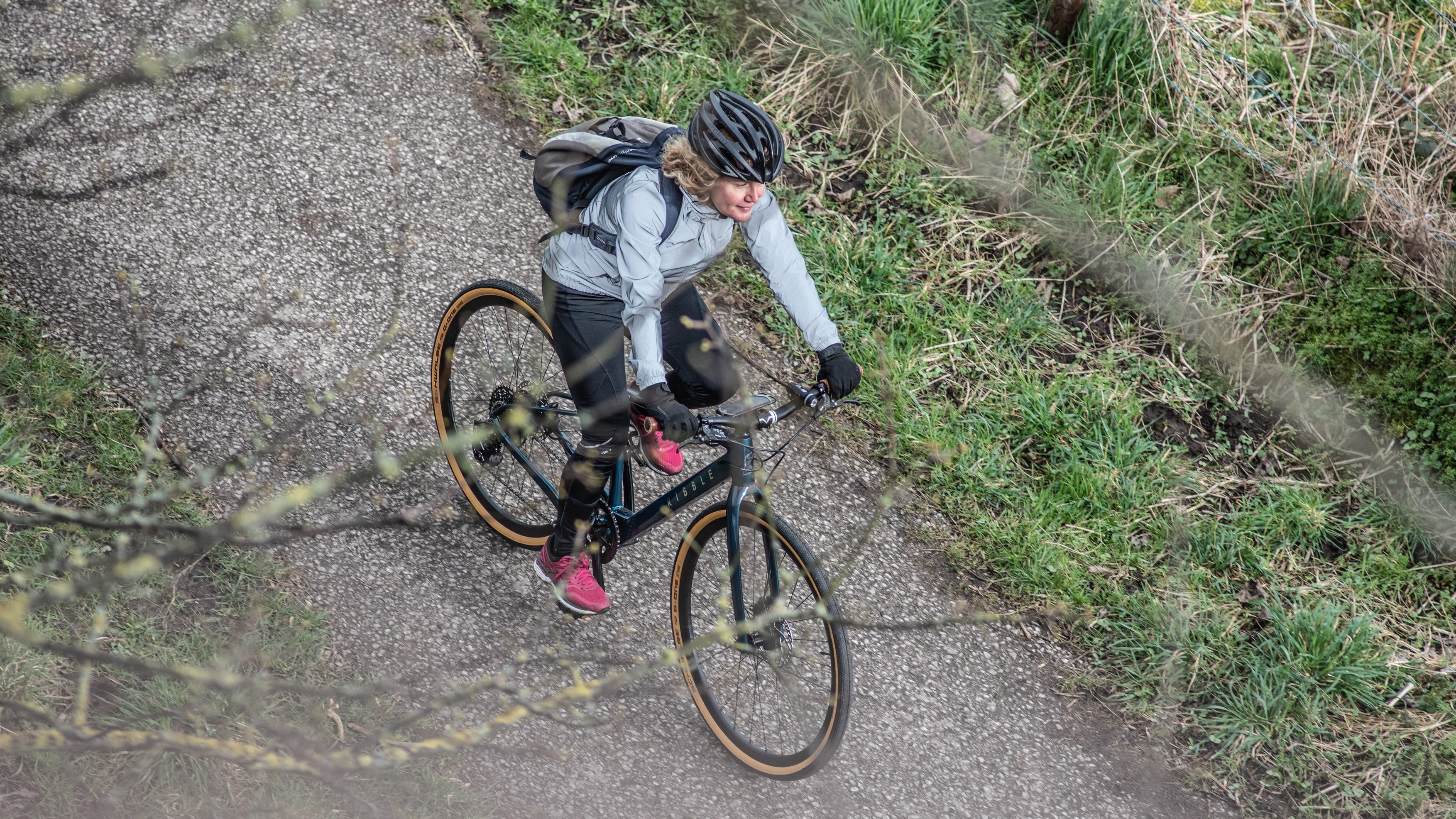
Outdoor clothing must accommodate dynamic body movements—whether climbing technical terrain or biking urban routes. Close to 49% of outdoor buyers prefer lightweight, breathable garments for longer wear and adaptability.
Fit and ergonomics are not optional—they are central to functionality. By integrating ergonomic cuts, stretch panels, and articulated sleeves, custom outdoor wear can support natural motion without restricting performance.
Current Trends in Outdoor Clothing Design
1. Sustainable and Eco-Friendly Materials
Consumer consciousness toward environmental impact continues to shape buying behavior. Sustainable materials such as recycled polyester, PFC-free waterproof coatings, and biodegradable insulations are increasingly preferred. According to market insights, 42–48% of outdoor products now incorporate sustainable innovations, driven by consumer preferences for ethical manufacturing and reduced ecological footprint.
This is especially relevant as brands seek to balance high performance with environmental integrity.
2. Minimalist, Urban-Ready Aesthetics
Outdoor gear is no longer confined to wilderness settings. City dwellers want technical garments that look equally good on the street. Modern outdoor design emphasizes clean lines, neutral palettes, and versatile silhouettes—bridging the gap between performance and lifestyle.
This shift echoes broader market behavior: nearly 58% of consumers prefer multi-purpose clothing adaptable to both outdoor and urban environments.
3. Versatility Across Settings
The rise of hybrid performance styles means garments now flex between environments—from work to weekend hikes. Features like detachable hoods, convertible pant systems, and hybrid insulation panels resonate with consumers who want fewer pieces that do more.
How UniOuter Supports Brands in Custom Outdoor Clothing
At UniOuter, we combine technical expertise, full-service customization, and market insight to help brands thrive.
Prototyping and Design Support: Turn ideas into physical samples quickly.
Material Consultation: Guidance on fabrics and insulation to match performance and aesthetics.
Full-Scale Production: Consistent quality across large or small batches.
Case Studies: Successful collaborations in hiking, urban commuting, and hunting apparel demonstrate our capability.
Whether your brand is launching its first collection or expanding into new markets, UniOuter ensures your garments perform as promised—and look great doing it.
Lightweight Windbreaker Hiking Jacket – Easy to Pack and Carry, Perfect for Outdoor Treks.
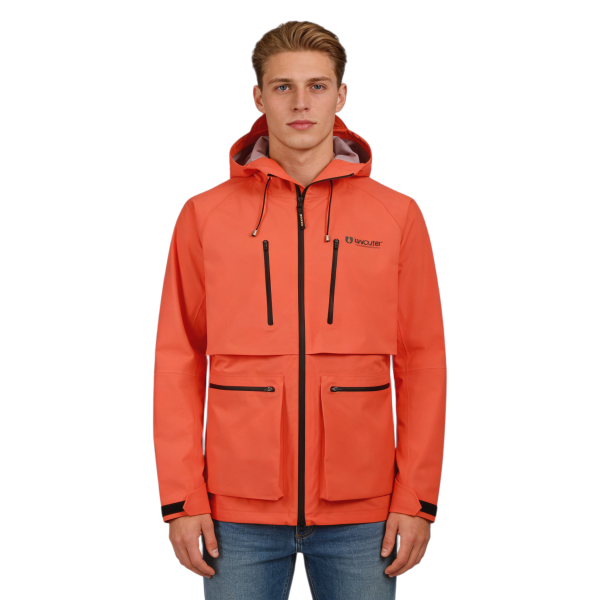
Orange waterproof parka with high-performance fabric, adjustable hat, and waterproof pockets for outdoor adventures.
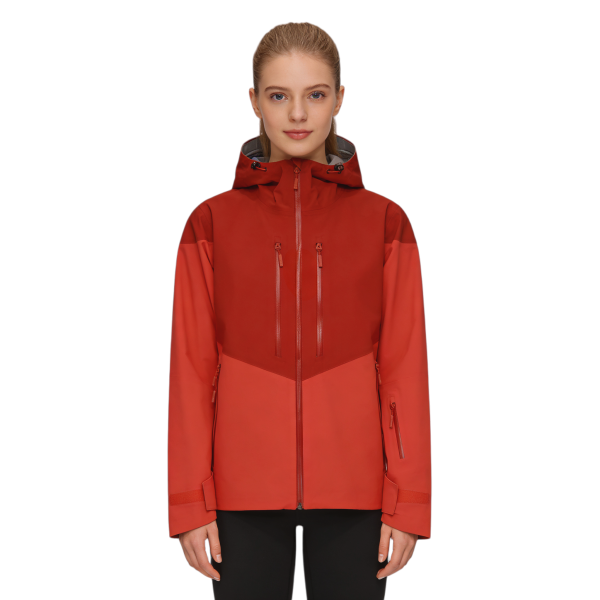
Women's waterproof jacket, combines fashion and function, tailored fit, ideal for adventures and daily wear.
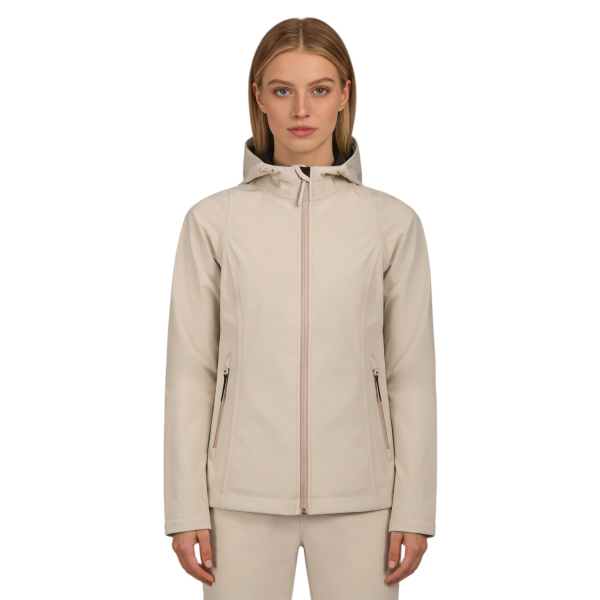
Women's slim-fit rainproof jacket, waterproof and lightweight, with an adjustable hat, suitable for various occasions.
Overcoming Common Challenges in Custom Outdoor Clothing
Custom production brings unique hurdles—each addressable with data-informed strategies:
Material Sourcing and Performance Testing
Choosing the right material blend demands technical expertise. UniOuter assists brands with rigorous testing on waterproofing, breathability, and abrasion resistance, helping match materials to performance needs.
Balancing Cost, Quality, and MOQ
High performance shouldn’t mean high barrier. Market research shows online channels and customization platforms significantly boost purchasing ease and consumer acceptance of premium outdoor apparel.
UniOuter provides scalable solutions, enabling brands to launch collections without excess inventory and maintain consistent quality across batch sizes.
Managing Design-to-Production Timelines
Efficient prototyping, sample approval, and iterative refinements are critical to launch success. UniOuter’s end-to-end services ensure quick iteration without sacrificing precision or durability.
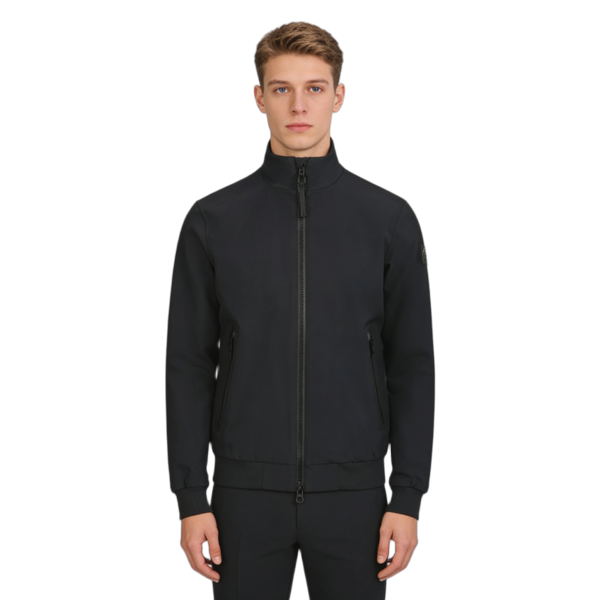
Breathable Lightweight Commuter Jacket – Practical for Daily Wear and Short Outdoor Trips, Available for Bulk Orders.
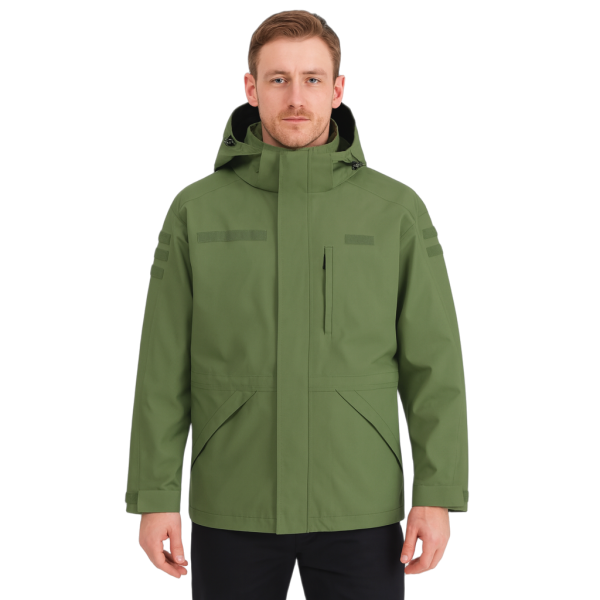
Versatile Softshell Commuter Jacket – Windproof, Waterproof & Abrasion-Resistant, Suitable for Both Urban and Outdoor Use.
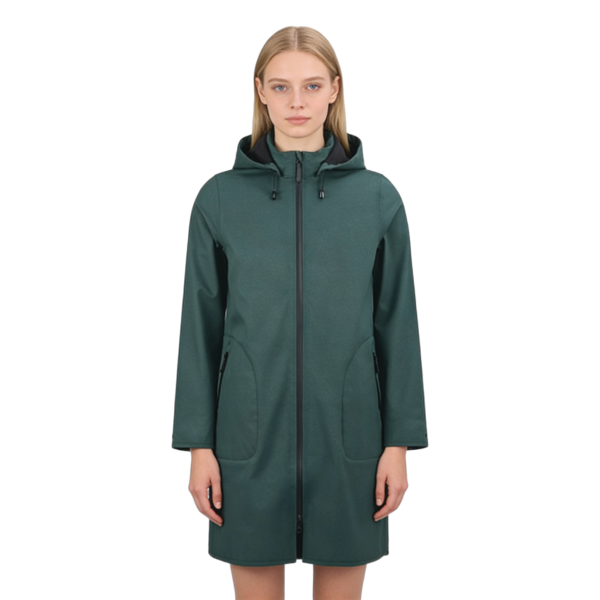
Waterproof parka, adjustable hat, simple and fashionable, suitable for commuting, leisure, and travel.
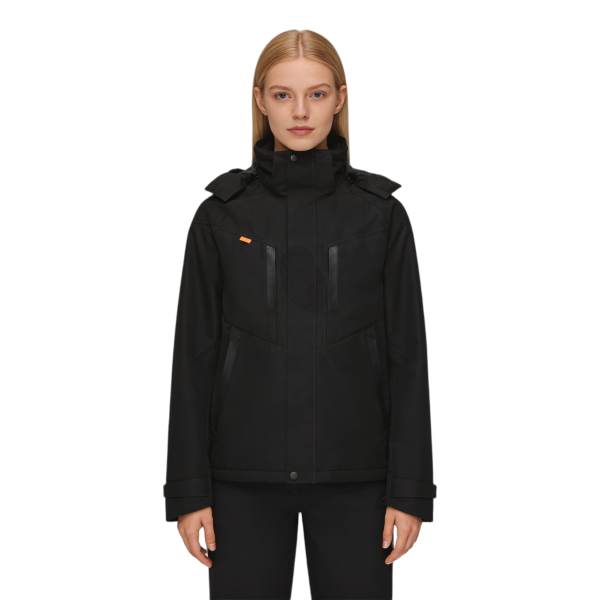
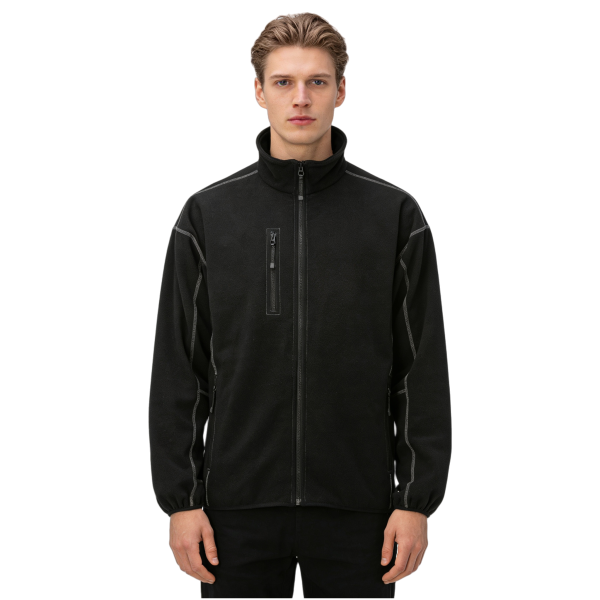
Custom Black Waterproof Jacket - Lightweight, breathable, and comfortable. Explore our OEM & ODM solutions for your brand.
Conclusion
Custom outdoor clothing is no longer just a trend—it’s a strategy. Brands that balance performance, comfort, and aesthetics will thrive in 2026 and beyond.
Choosing the right fabrics, incorporating functional details, and staying ahead of design trends are key to success. With partners like UniOuter, brands can navigate challenges in sourcing, production, and testing, delivering garments that meet real-world demands and captivate customers.
The future of outdoor apparel is custom, versatile, and performance-driven. Your brand’s success depends on how well you embrace it.
FAQs
1. What are the key fabrics for custom outdoor clothing?
Breathable waterproof membranes, synthetic insulation, and reinforced materials for durability are essential for versatile, all-season outdoor wear.
2. How can brands ensure functionality and style in outdoor apparel?
By combining ergonomic design, functional features like pockets and ventilation, and urban-ready aesthetics, brands create garments suitable for multiple settings.
3. Can UniOuter handle low MOQ custom orders?
Yes. UniOuter offers scalable production solutions, balancing cost, quality, and small-batch flexibility for startups and established brands alike.