Layering System Science: How to Help Your Customers Dress for Any Outdoor Condition
The layering system is the foundation of outdoor apparel design. It's not just about stacking clothes — it's a precisely engineered moisture management and thermal regulation system. When each layer performs its specific function, the result is comfort across a 40°C temperature range with minimal bulk. For brands, understanding layering science means designing products that work together, increasing cross-sell opportunities and customer satisfaction.
At UniOuter, we design and manufacture all three layer components with compatibility in mind. Our custom design process ensures that base layers, mid layers, and outer shells are engineered to work as a system. For brands planning their collection, our purchasing guide covers the full sourcing strategy.

The Three-Layer System Explained
Each layer in the system has a specific job. Skip a layer or use the wrong material, and the entire system breaks down.
| Layer | Primary Function | Key Material | Fabric Weight |
|---|---|---|---|
| Base Layer | Moisture wicking, next-to-skin comfort | Merino wool, polyester, polypropylene | 120–200 GSM |
| Mid Layer | Insulation, warmth retention | Fleece, down, synthetic fill | 200–400 GSM |
| Outer Shell | Weather protection, wind/rain barrier | Hardshell membrane, softshell | 40–150 GSM (face fabric) |
The base layer sits directly against the skin. Its primary job is to move sweat away from the body (wicking) and spread it across the fabric surface for evaporation. A wet base layer against the skin leads to rapid cooling — dangerous in cold conditions. The best base layers use either merino wool (naturally odor-resistant and warm when damp) or synthetic polyester (faster drying and more durable). Cotton is never acceptable as a base layer because it absorbs moisture and loses all insulating value when wet.
The mid layer traps warm air created by body heat. It must be breathable enough to allow moisture vapor from the base layer to pass through to the outer shell. Fleece is the most common mid layer material because it's lightweight, compressible, and retains warmth even when damp. Down offers superior warmth-to-weight but fails when wet. Synthetic insulation (PrimaLoft, Coreloft) mimics down's loft while maintaining warmth in damp conditions. The GSM fabric weight guide provides detailed specifications.
The outer shell blocks wind, rain, and snow while allowing moisture vapor to escape. This is where waterproof-breathable membranes earn their premium. A hardshell with 10,000mm/10,000g rating handles most conditions. For high-output activities in dry weather, a softshell provides better breathability and mobility. The shell is your most visible product — it carries the brand identity. Check our waterproof rating guide for detailed specifications.
Moisture Management: The Physics of Layering
The layering system works on a pressure differential principle. Body heat creates a high-pressure zone of warm, moist air inside the clothing system. This moisture naturally migrates outward toward the lower-pressure environment. Each layer must facilitate this migration:
- Skin to base layer: Capillary action in the fabric fibers pulls liquid sweat away from the skin.
- Base layer to mid layer: Moisture evaporates from the base layer surface and passes as vapor through the mid layer's open structure.
- Mid layer to outer shell: Vapor passes through the membrane's microscopic pores, which are large enough for water vapor molecules but too small for liquid water droplets.
- Shell to environment: Vapor escapes to the outside air, completing the moisture transport chain.
If any layer blocks this flow — a non-breathable shell, a cotton mid layer, a saturated base layer — moisture condenses inside the system, causing the wearer to feel wet and cold.
Seasonal Layering Combinations
Different conditions call for different combinations. Here's how to guide your customers:
- Summer hiking (15–25°C): Base layer only or base + ultralight softshell. Focus on sun protection and moisture wicking.
- Shoulder season (5–15°C): Base + fleece mid + lightweight shell. Add or remove the mid layer as temperature fluctuates.
- Winter hiking (−5 to 5°C): Base + insulated mid + hardshell. The shell may come off during strenuous climbs and go back on during rest stops.
- Alpine/mountaineering (−15°C and below): Heavy base + down/synthetic mid + 3-layer hardshell. Consider adding a second mid layer for static periods.
When UniOuter designs a layering system for a brand, we engineer fabric compatibility across all three layers. The base layer's outer surface is optimized to interface with the mid layer's inner surface, and the mid layer's outer surface pairs with the shell's lining. This systems approach maximizes moisture transfer efficiency. Contact our design team or send an inquiry to discuss your layering system. Learn more about our manufacturing capabilities.
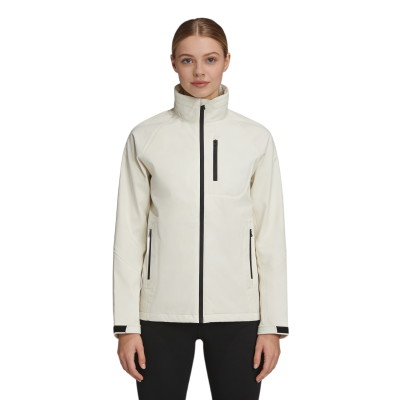
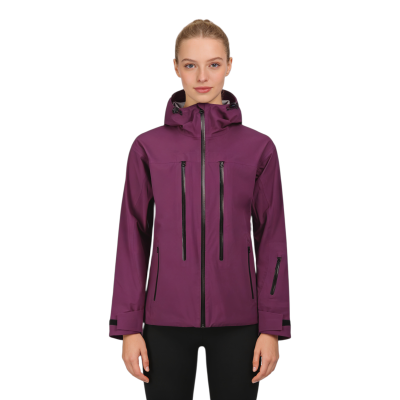
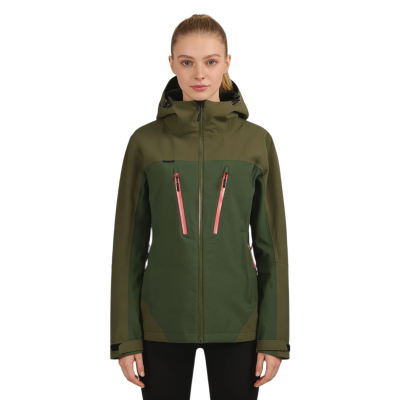
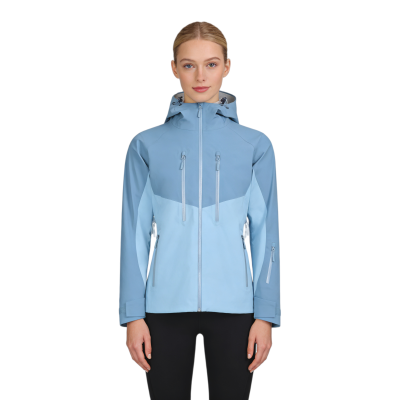
Shop Layering-Compatible Outdoor Jackets
Frequently Asked Questions
No. Cotton absorbs up to 27 times its weight in water, loses all insulating value when wet, and takes extremely long to dry. It should never be used in base layers or mid layers for outdoor activities. The only acceptable use is casual outerwear for dry, low-output activities.
Merino wool is superior for odor resistance, temperature regulation, and warmth when damp. Synthetic (polyester) is better for high-output activities where rapid drying matters. For multi-day trips, merino is preferred. For day hikes and gym-to-trail use, synthetic is more practical.
Yes, in light rain and moderate wind. Softshells excel in high-output activities where breathability matters more than absolute waterproofing. For sustained rain, switch to a hardshell. See our jacket types comparison for details.
Yes. We produce base layers, mid layers (fleece and insulated), and outer shells designed to work as an integrated system. Browse our product catalog or send an inquiry to discuss your layering system needs.