How to Import Outdoor Clothing from China: Customs, Duties, and Logistics Guide
Winning the order is half the job; getting it across the border efficiently is the other half. This guide covers the import mechanics for outdoor apparel from China: Incoterms, documentation, duties, freight choices, and the landed-cost math that tells you whether your unit economics actually work.
For the production side that precedes shipping, see our production timeline guide and the step-by-step sourcing guide.
Incoterms: Choosing the Right Shipping Terms
Incoterms define who pays for what and who bears risk at each stage. For apparel imports, three dominate:
- FOB (Free on Board). The seller delivers goods onto your booked vessel at the Chinese port and handles export clearance. You control ocean freight and insurance - the standard choice for most importers because it combines convenience with freight visibility.
- EXW (Ex Works). You collect goods at the factory and handle everything else, including Chinese export clearance. Cheapest on paper, but impractical without your own logistics presence in China.
- CIF (Cost, Insurance & Freight). The seller pays freight to your destination port; you handle import clearance and duties from arrival. Convenient for first shipments, but you pay a margin on freight and lose carrier choice.
Rule of thumb: FOB once you have a freight forwarder, CIF for first-time small shipments, and never EXW unless you have Chinese logistics support. DDP (seller handles everything to your door) sounds attractive but hides duty and brokerage costs - use only with trusted partners.
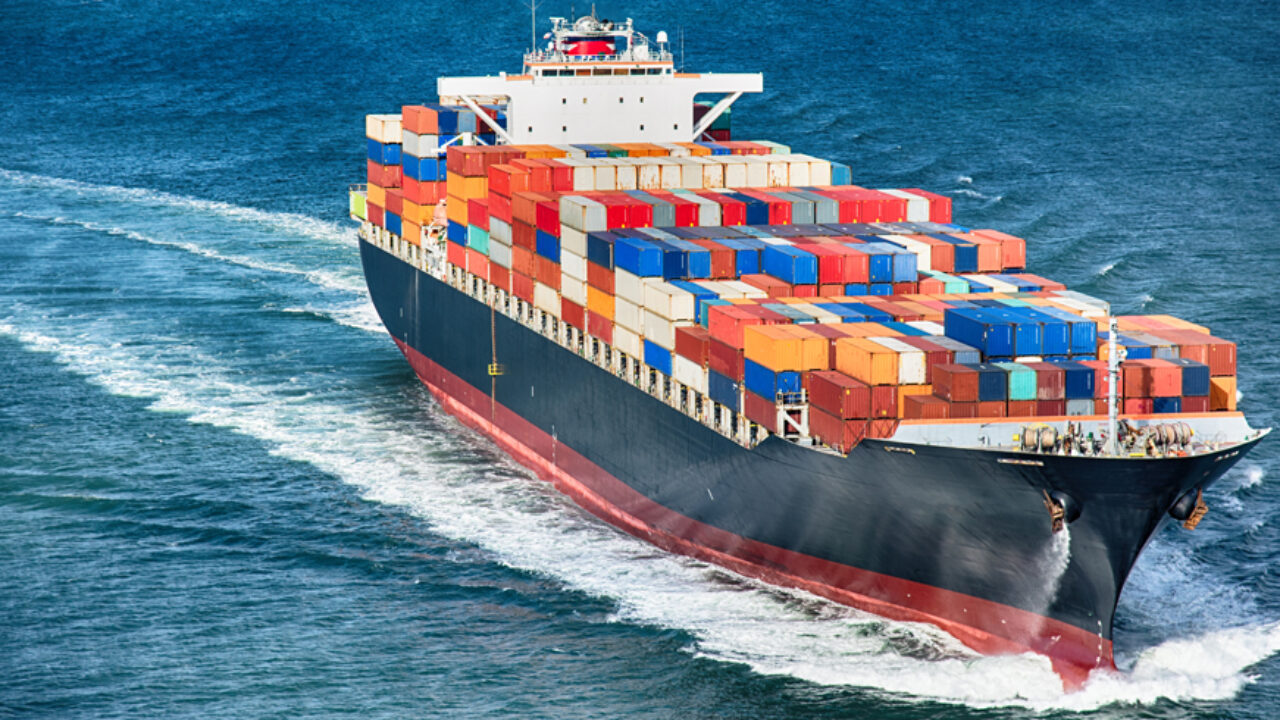
Add photo here: containers being loaded and shipped from a Chinese port, outdoor apparel cartons staged for export
Customs Documentation and Duty Rates
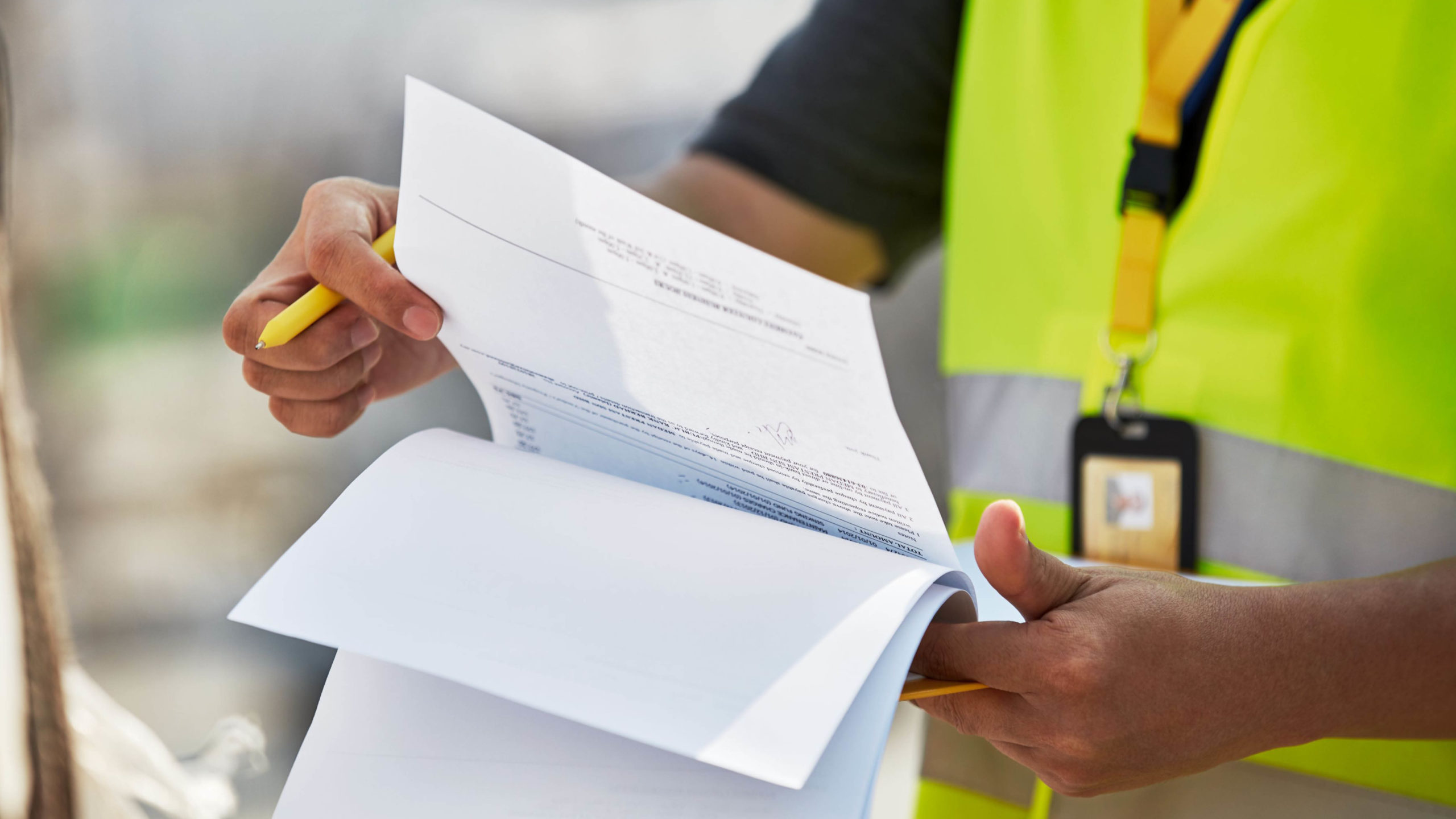
Five documents clear almost every apparel shipment: the commercial invoice (values, HS codes, Incoterm), the packing list (cartons, weights, measurements), the certificate of origin (for preferential duty treatment where agreements apply), fabric test reports, and certification documents (OEKO-TEX or equivalents) that some markets' customs may request. Errors in HS classification are the top cause of clearance delays and duty disputes - outdoor jackets generally classify around HS 6201/6202, but confirm with your broker because construction and gender designation shift the code.
Duty rates for apparel vary sharply by market: US tariffs on Chinese-made apparel include additional Section 301 duties beyond the base MFN rate; the EU applies standard apparel duties around 12% for many outerwear categories; Australia and New Zealand have zero or minimal apparel duties under trade agreements with China. The commercial decision is not whether to import but whether your price point absorbs the duty structure of each target market - calculate before you commit, not after.
Freight, Ports, and Container Loading
Sea freight moves almost all bulk apparel. A 40-foot high-cube container (about 68 CBM) holds roughly 15,000-25,000 packed jackets depending on packing method; LCL (less than container load) suits orders under ~15 CBM but adds consolidation time. Transit benchmarks: Ningbo or Shanghai to US West Coast roughly 15-25 days, to Europe 30-40 days, to Australia 15-20 days. Air freight (5-10 days door to door) costs 6-12x sea freight by weight - reserve it for samples, launches, and stock emergencies. Courier (DHL/FedEx/UPS) handles samples and small补 parcels under ~300 kg.
China's apparel export hubs cluster around Ningbo, Shanghai, Shenzhen, and Qingdao. UniOuter ships from the Ningbo/Shanghai corridor - the world's densest apparel export infrastructure - with export documentation handled in-house.
Packing efficiency is real money: polybag vs flat-fold vs carton configuration changes how many garments fit per container by 20%+. Specify export carton dimensions and packing method with your manufacturer; vacuum packing is generally avoided for technical apparel to protect membranes and loft. Wood packaging (if used for pallets or crates) must be ISPM 15 heat-treated - most apparel ships carton-only, avoiding the issue entirely.
Add photo here: customs broker reviewing import documentation for an apparel shipment at the destination port
Clearance Process and Cargo Insurance
Arrival to release follows a predictable sequence: manifest filing by the carrier, entry filing by your broker with classification and valuation, duty payment, examination (if selected - a small percentage of shipments), and release. Delays come from misclassification, valuation queries, missing certificates, and random exams. A good broker, clean documents, and an AEO-supplier on the export side minimize exam probability. Budget for customs brokerage (USD 100-300 per entry in most markets) plus port and handling fees.
Insure the cargo. Marine cargo insurance costs 0.3-0.5% of shipment value and covers the transit risks that Incoterms allocate to you. Photograph shipments at loading and unpacking; damage claims require documentation within tight deadlines.
Total Landed Cost: The Formula That Matters
Unit economics only work when you calculate total landed cost per garment:
Worked example: a jacket at USD 18.00 FOB, freight allocating USD 1.20 per unit, insurance USD 0.08, US duty at 27% combined rate on the customs value: roughly (18.00 + 1.20 + 0.08) x 1.27 = USD 24.46, plus brokerage allocation ~USD 0.10 = about USD 24.56 landed. If your retail model needs a 2.5x landed-to-wholesale multiple, this jacket wholesales around USD 61 - viable or not depending on your positioning. Run this math before you confirm the order; it is the difference between a business and an expensive hobby. Our pricing calculator article shows the FOB side in equal detail.
UniOuter supports importers through the whole chain: FOB, CIF, and EXW terms, complete export documentation, AEO-fast customs handling, and packing optimization to maximize container utilization. Start with the purchasing guide, browse the product catalog, and send an inquiry with your destination market for a duty-informed quotation. More about our export experience is on the about page.
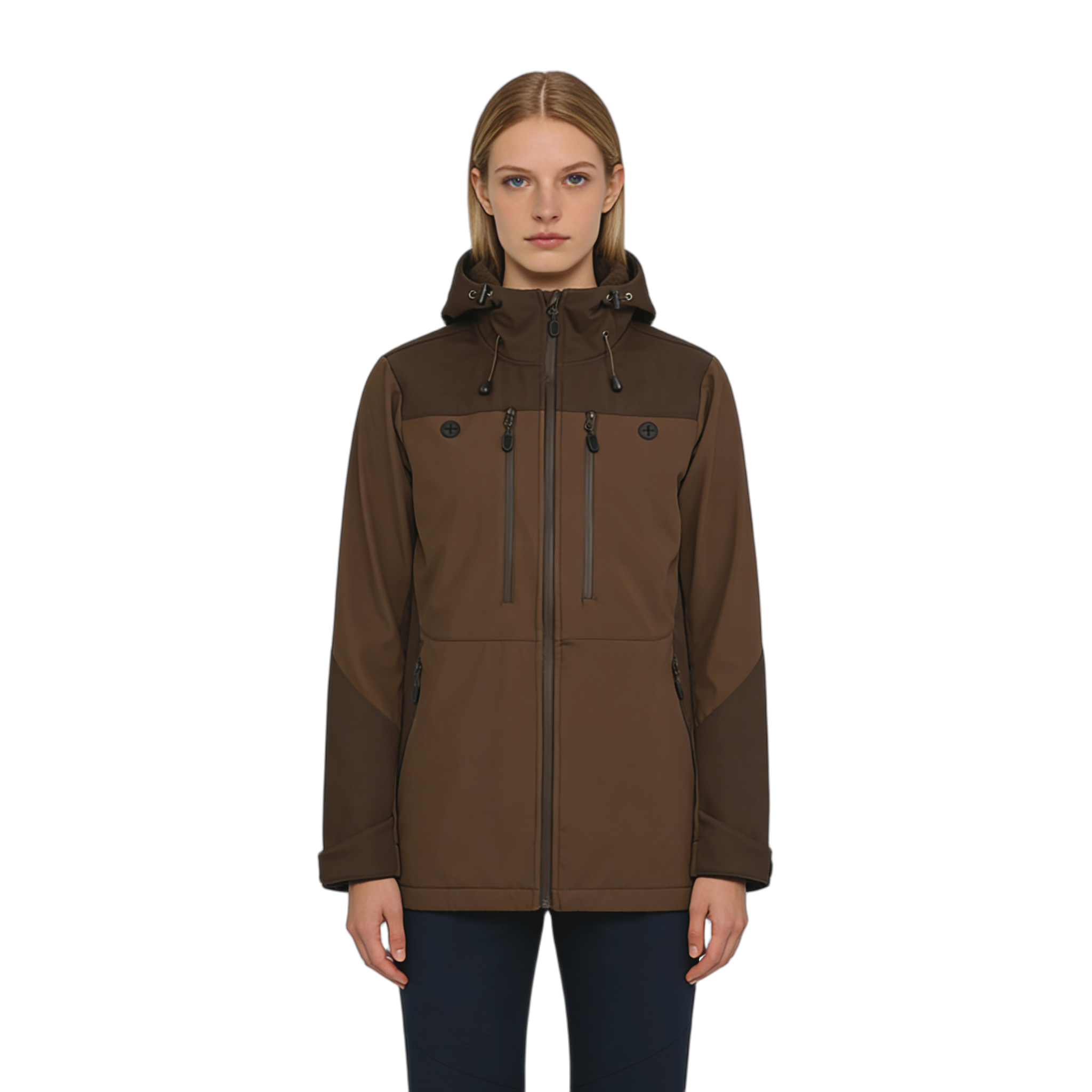
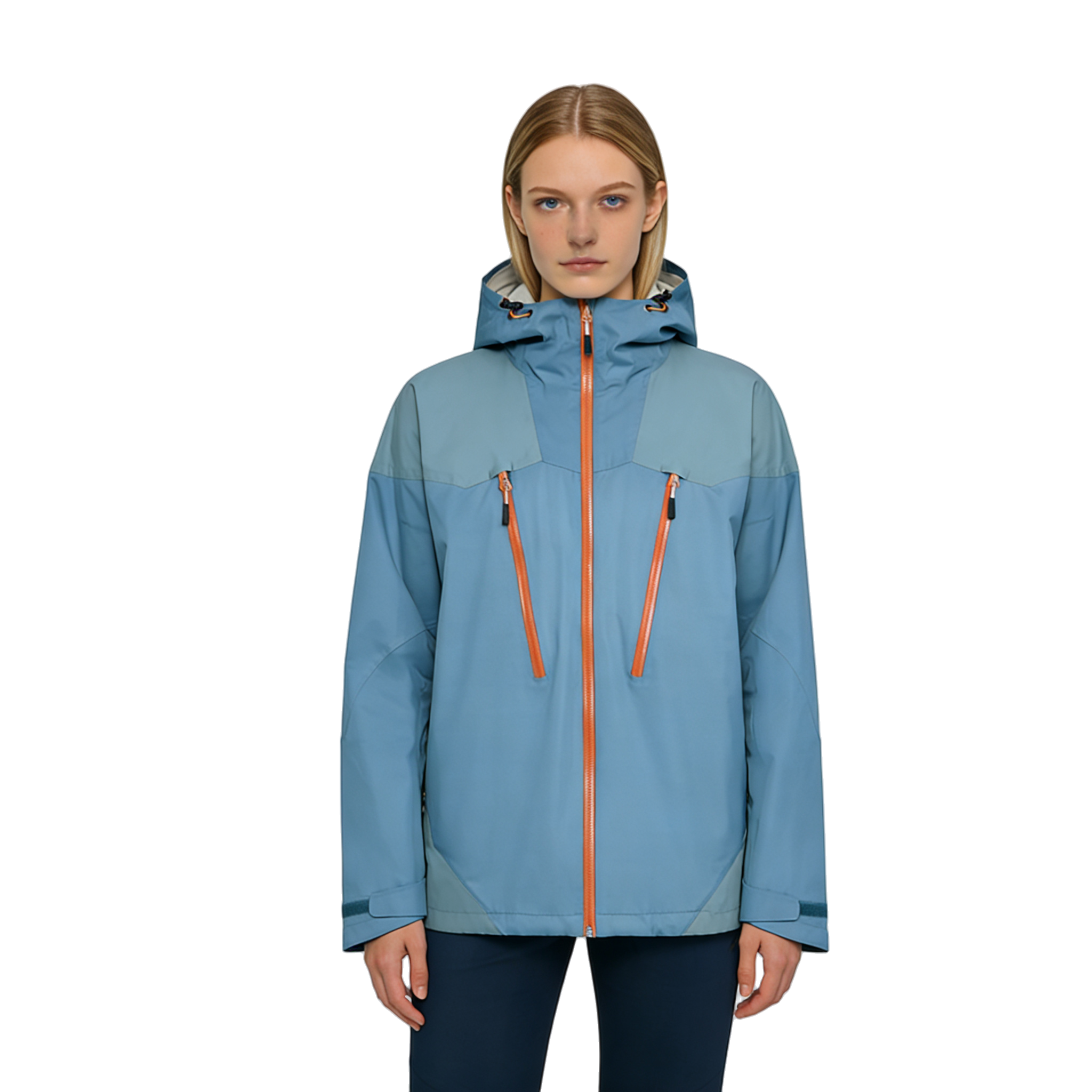
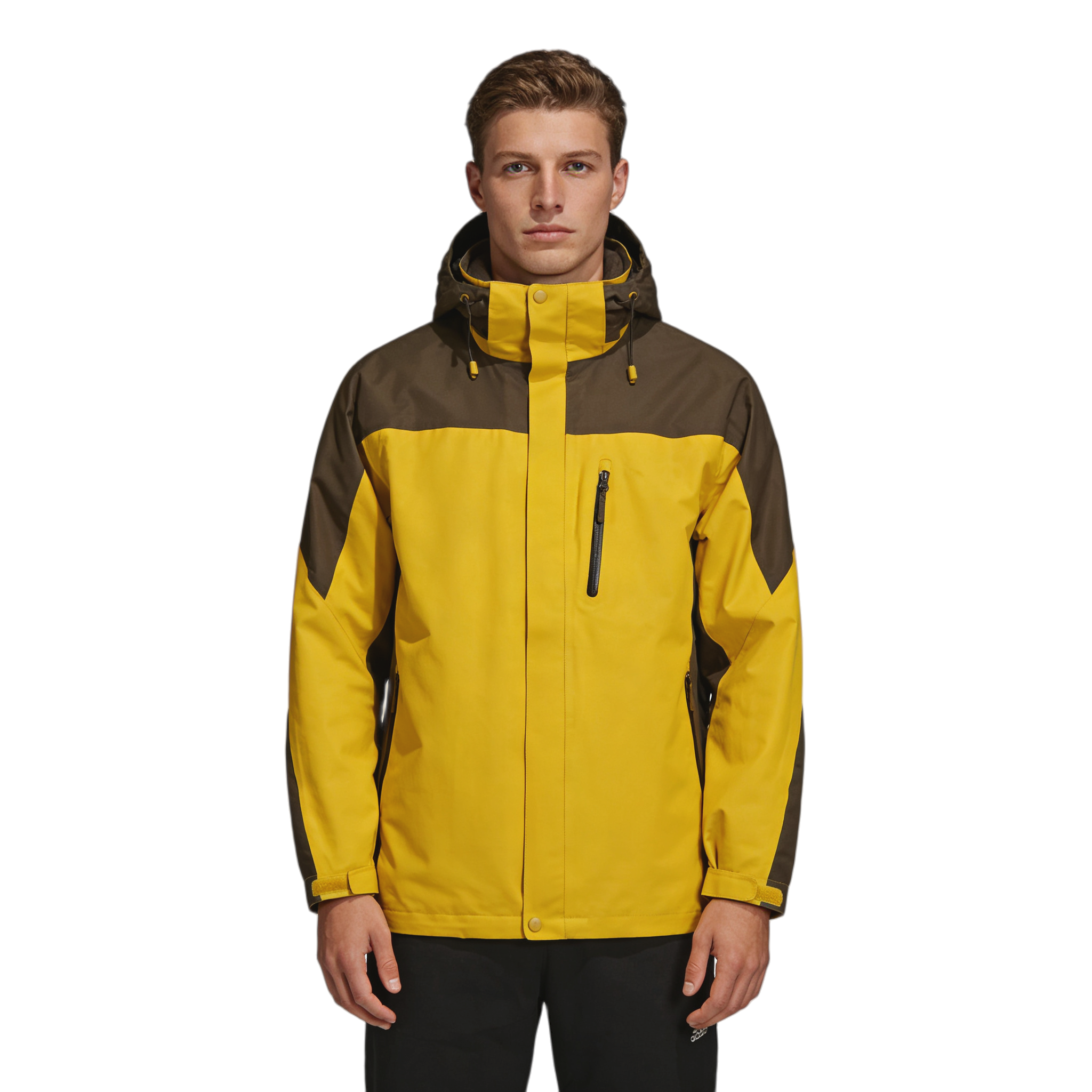
Shop Outdoor Jackets for Import

Frequently Asked Questions
For bulk orders, sea freight FOB with your own forwarder is almost always cheapest per unit - a 40ft high-cube container spreads freight cost across thousands of garments. For orders under ~15 CBM, compare LCL sea freight against air; for samples and launches under 300 kg, courier services win on speed and simplicity.
It depends entirely on destination. US apparel from China carries base MFN rates plus Section 301 tariffs - often 20-30% combined for outerwear. EU duties run around 12% for many jacket categories. Australia and New Zealand enjoy near-zero apparel duties under China trade agreements. Always confirm the HS code and current rates with your broker before ordering.
AEO (Authorized Economic Operator) certification means Chinese customs has verified the manufacturer's supply chain security and compliance. Shipments from AEO suppliers face fewer inspections and faster export clearance, and under mutual recognition arrangements, some destination customs authorities give similar priority. Practically: fewer delays and more predictable delivery. Read our AEO article for details.
The core set: commercial invoice with HS codes, packing list, bill of lading or airway bill, certificate of origin, and - often requested for apparel - fabric test reports and safety certifications like OEKO-TEX. Keep digital copies of everything; brokers can clear most shipments with documents emailed in advance of arrival.
A 40ft high-cube container (about 68 CBM) typically holds 15,000-25,000 packed jackets depending on packing method and style bulk. Insulated jackets take far more volume than shells. Ask your manufacturer for a packing simulation based on your specific carton dimensions before booking freight.