Agricultural Workwear Is Becoming Technical Gear: Heat, Chemistry and Machines Rewrite Farm Clothing
Farms used to buy clothing that could survive the season. Now they spec it the way outdoor brands do: breathable waterproofing, task-based chemical protection, Class 3 visibility and fabrics that keep the wearer cool through a longer, hotter field day.
Agricultural workwear sits at a strange crossroads: it is the oldest category of work clothing and one of the last to be re-engineered. That is changing quickly, pushed by three forces - hotter field conditions, stricter chemical-protection rules, and the mechanization of work that now runs before dawn and after dusk. This briefing maps what is actually changing in farm clothing, task by task, and what buyers and distributors should be specifying. For category context, our guide on outdoor clothing versus workwear explains why the two spec sheets are converging.
Three Forces Respecifying Farm Clothing
Heat. Fieldwork has always been hot; what changed is duration and intensity. Longer warm seasons and more extreme single days turn fabric choice into a productivity and safety issue, not a comfort preference. Breathable technical fabrics, ventilated back panels, moisture-wicking linings and lighter waterproof membranes are moving from hiking apparel into the farm wardrobe - because a worker in a saturated cotton canvas jacket slows down, and heat illness is now a documented occupational risk rather than a personal one.
Chemistry. Pesticide and plant-protection-product handling is governed in the EU by the Personal Protective Equipment Regulation (EU) 2016/425, which places chemical-protective garments into the highest risk category with mandatory certification, and by the Framework Directive 2009/128/EC on the sustainable use of pesticides, which pushes handling and application work toward trained operators with task-appropriate protection. In practice this means the garment follows the label: what a sprayer operator wears is dictated by the product's safety data sheet, and buyers increasingly need garment-level documentation, not just a catalogue description.
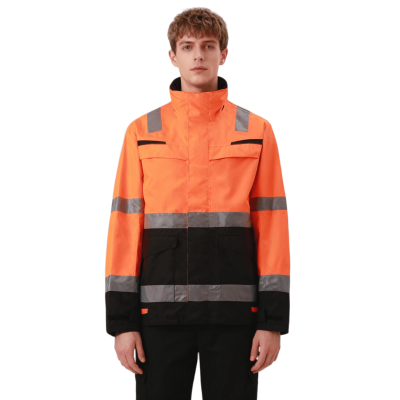
Machines and hours. Larger farms run machinery earlier, later and faster. Working near moving equipment in low light makes Class 3 hi-vis - full-body conspicuity with reflective bands - a practical requirement rather than a nice-to-have. Our guide to specifying hi-vis, FR and waterproof garments that pass inspection covers how those classes map to real working conditions.
| Farm task | Dominant hazard | What buyers now specify |
|---|---|---|
| Pesticide mixing and spraying | Chemical exposure | Certified chemical-protective layer under PPE 2016/425, worn over breathable base layers; disposable options for decanting |
| Night machinery operation | Low conspicuity | Class 3 hi-vis outer shell, waterproof with taped seams, reflective bands positioned for seated operators |
| Greenhouse and livestock work | Humidity, biological load | Washable, quick-drying shells with antimicrobial-friendly fabrics and easy-clean surfaces |
| Harvest and field maintenance | Heat, abrasion, UV | Lightweight long-sleeve shells with UV protection, articulated knees and elbows, multi-pocket utility overalls |
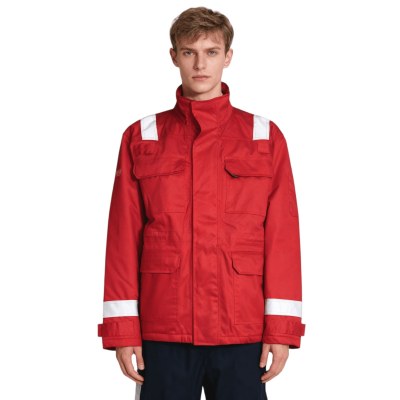
| Cold-chain and early-season work | Wind chill, damp | Windproof insulated work jackets and fleece mid-layers with adjustable cuffs |
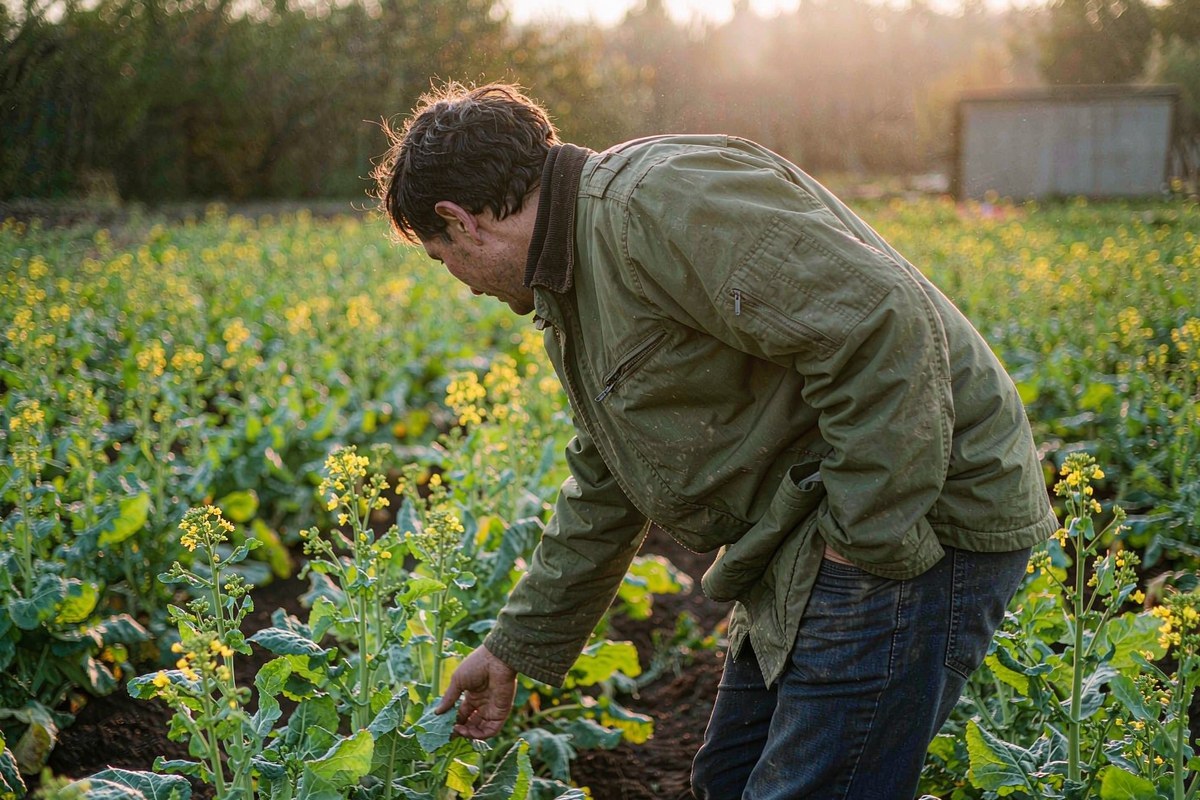 Field day, golden hour: the farm jacket is now a technical shell, not a canvas rag
What Buyers Are Actually Specifying
The procurement conversation has moved from price per unit to specification per task. Farm cooperatives and agribusinesses that once bought one generic overall now build small wardrobes around task groups, and they audit garments the way industrial buyers do. The items below come up in almost every serious farm-apparel brief we see.
- Class 3 hi-vis on every machine-adjacent shell - with reflective band placement tested in a seated, driving posture
- Breathable waterproofing over coated nylon - taped seams and a real moisture-vapor transmission rate, so shells stay wearable through a full day
- Articulated fit at knee, elbow and shoulder - bending, kneeling and overhead work demand pattern engineering, not just sizing up
- Multi-pocket utility layouts - tool, phone and glove storage that survives washing, on overalls and jackets alike
- Wash-durability documentation - colorfastness and coating survival after repeated industrial laundering
- PFAS-free options - fluorine-free DWR is entering farm procurement as it has in outdoor apparel, for the same regulatory reasons; see our PFAS-free buyer checklist
Ten years ago a farm buyer asked what the jacket cost. Today they ask what class the visibility is, whether it passes a chemical task, and how many washes the coating survives. That is outdoor-apparel language, and it arrived in agriculture almost unnoticed.
Procurement note, agricultural distributor, 2026The Garment Stack on a Modern Farm
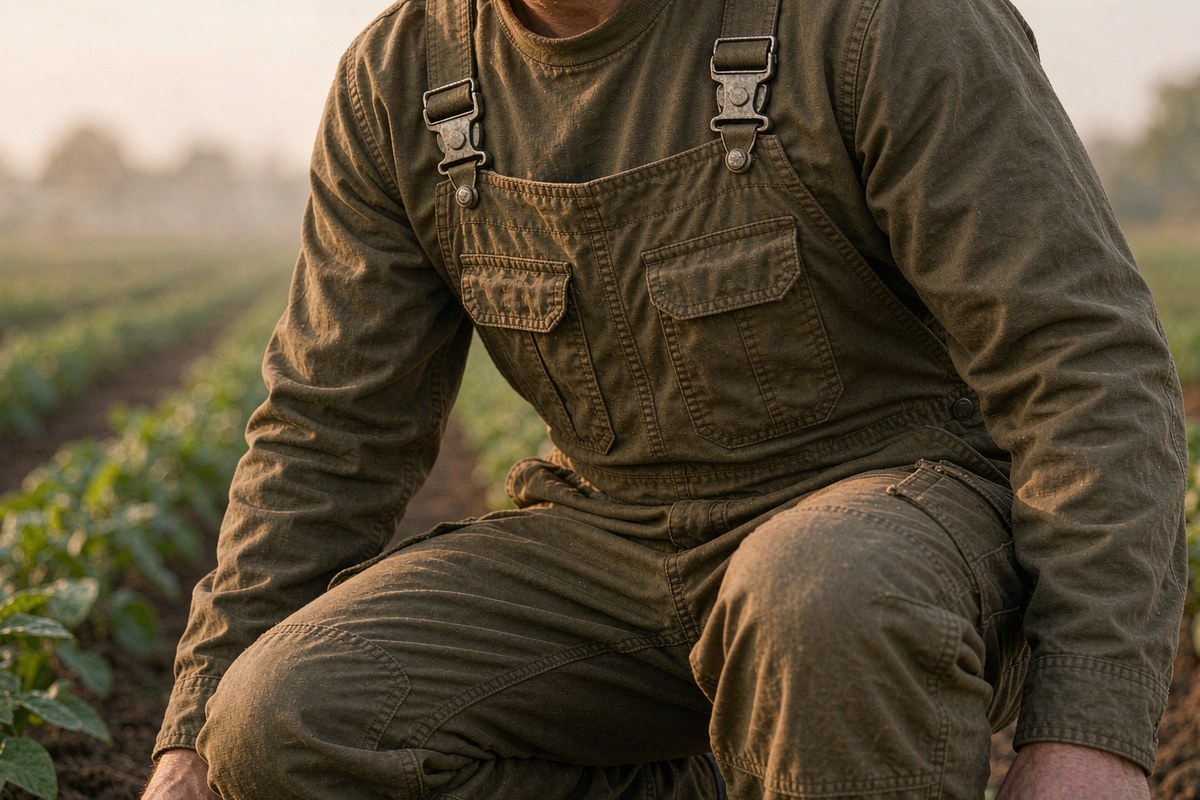
The overall remains the workhorse, but the brief has changed: reinforced stitching at wear points, multi-pocket layouts sized for phones and tools, adjustable straps that hold under load, and fabrics that survive industrial washing. A well-built pair of field overalls is now closer to technical apparel than to its 1990s ancestor.
Layering is the other quiet revolution. The modern farm wardrobe stacks a wicking base, a breathable mid-layer such as a windproof fleece, a task shell - hi-vis and waterproof for machine work, chemical-resistant for spraying - and an insulated windproof jacket for cold mornings. Because each layer is replaceable, the total cost of ownership drops even as the per-piece specification rises. Our guide to designing functional outdoor workwear from concept to production walks through how those layers are engineered and industrialized.
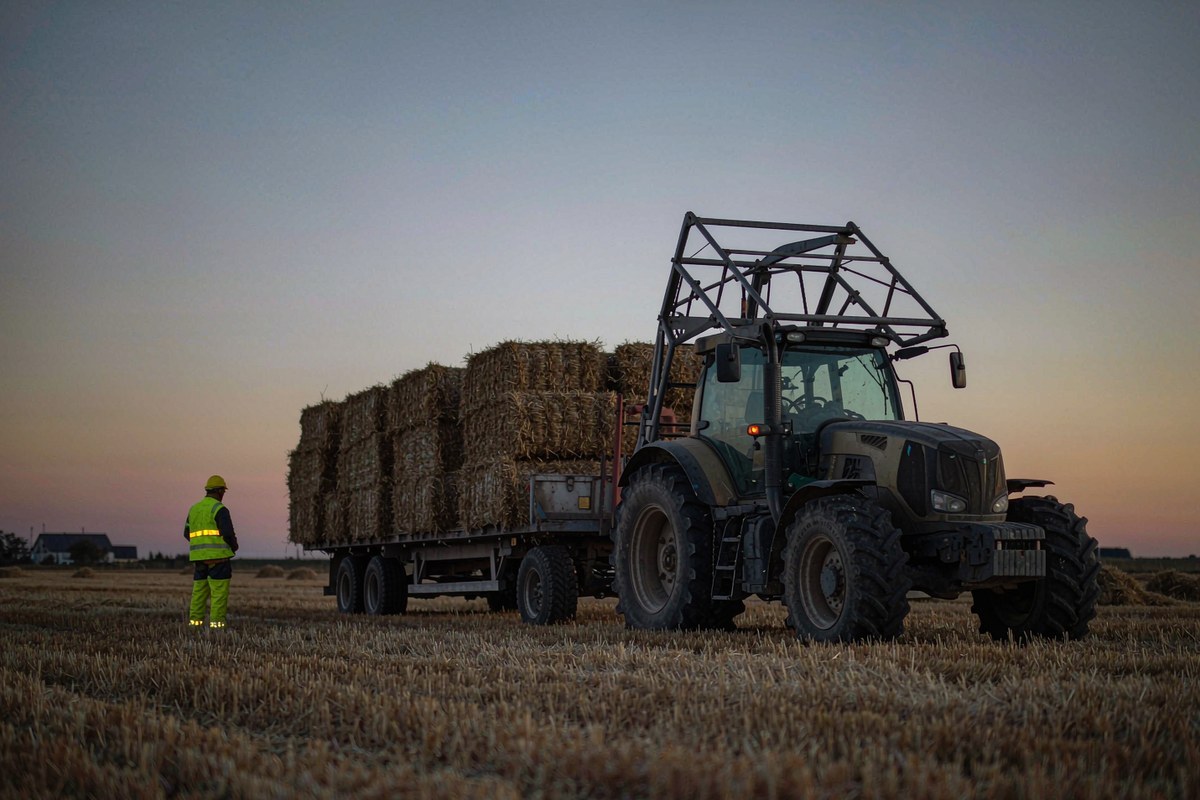 After-dark machine work: Class 3 reflectivity positioned for a seated operator
Where UniOuter Fits In
UniOuter manufactures at the intersection this briefing describes: an outdoor-apparel factory with a full workwear line, fluent in waterproof-breathable construction, taped seams, hi-vis certification and durable work garments. For farms, cooperatives and agribusiness distributors, that means agricultural clothing built to technical-outdoor standards, with custom development and wholesale supply documented in our custom workwear procurement guide. The products below are the core of our farm and field line.

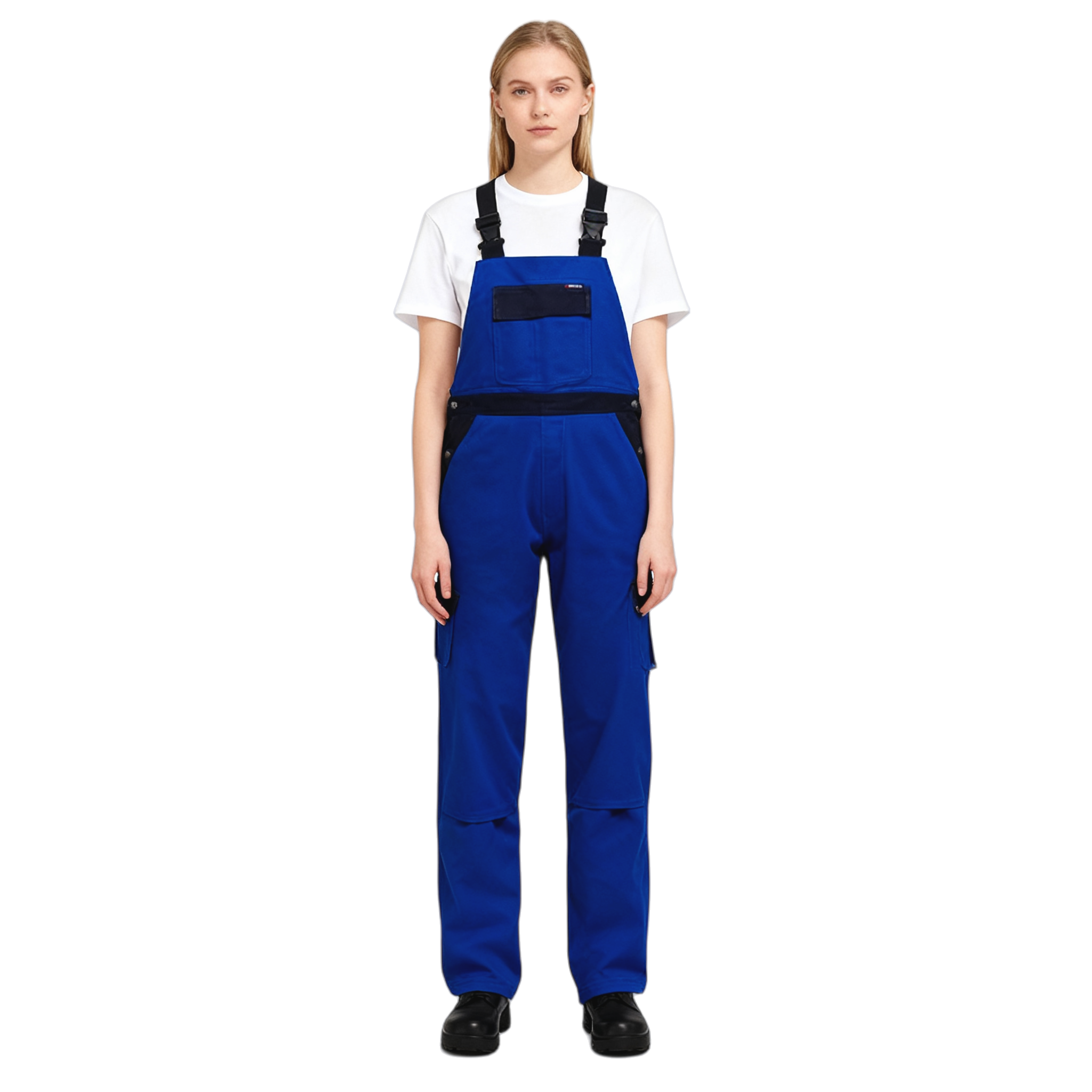

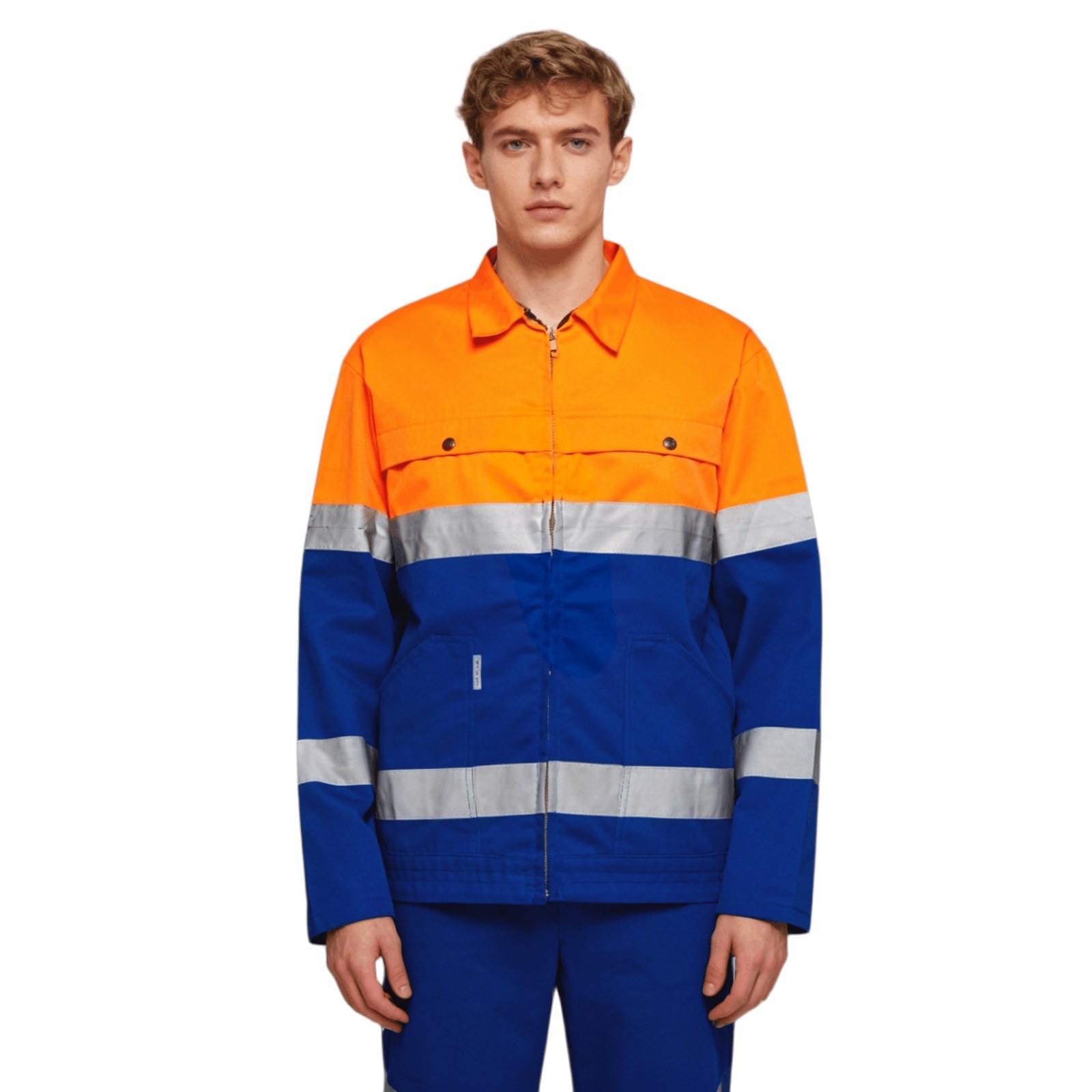
Clothing designed for farm and field tasks: overalls, work jackets, hi-vis shells and protective layers specified against hazards such as heat, abrasion, chemicals, low visibility and wet weather. Modern agricultural workwear increasingly borrows technical-outdoor construction - breathable waterproof membranes, articulated patterns and certified visibility.
Garments used for protection against chemical exposure fall under Regulation (EU) 2016/425, which classifies them as Category III (highest risk) PPE with mandatory certification and documentation. Directive 2009/128/EC on sustainable pesticide use requires trained operators and task-appropriate protection when handling plant protection products.
Lightweight, breathable technical blends that wick moisture and dry quickly, with UV protection for long sun exposure. Heavy cotton canvas remains durable but holds sweat; the current trend is ventilated long-sleeve shells that protect from sun and abrasion while moving moisture out.
Wherever workers operate or walk near moving machinery, especially at dawn, dusk or night, Class 3 full-conspicuity garments are the safe specification. Reflective band placement should account for a seated driving posture, not just standing visibility.
Yes, and it is increasingly the advantage. Outdoor factories are fluent in waterproof-breathable construction, taped seams, DWR finishing and durability testing - exactly the technical skills modern farm clothing needs. The reverse (a basic uniform factory adding waterproofing expertise) is much harder.
It depends on customization depth: standard styles with logo application start lower, while fully custom patterns and certified hi-vis or chemical-protective garments carry higher minimums because of fabric certification and set-up costs. A staged program - standard shells first, custom development as volume proves out - keeps the entry point practical.
Building a task-based farm clothing program for your cooperative or distribution catalog? Send us your task list and garment stack.
Request a quote