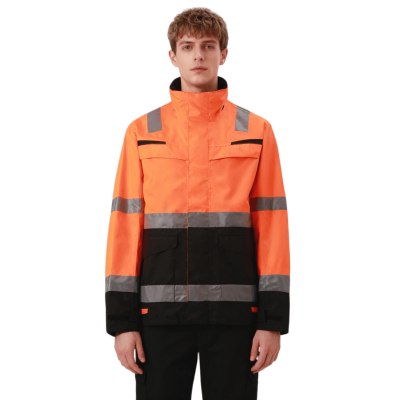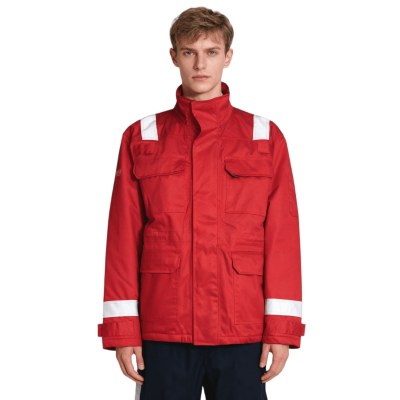
What Is the Difference Between T/C and CVC Fabrics in Outdoor Clothing?
Why Fabric Choice Matters in Outdoor Clothing
Outdoor clothing is no longer just about looking rugged or fashionable. Today’s consumers expect outdoor apparel to perform in real-world conditions—whether that means hiking through rain, working outdoors for 10 hours, or commuting through changing weather.
And here’s the truth many new brands overlook:
Fabric selection can make or break an outdoor garment.
You can have the perfect jacket design, premium branding, and great marketing. But if the fabric feels uncomfortable, traps sweat, wrinkles too easily, or wears out quickly, customers notice immediately.
That’s why blended fabrics like T/C and CVC have become widely used in outdoor clothing manufacturing.
These fabrics are like two different personalities:
One focuses more on durability and structure
The other leans toward comfort and softness
But which one is better for outdoor apparel?
The answer depends on how the clothing will actually be used.
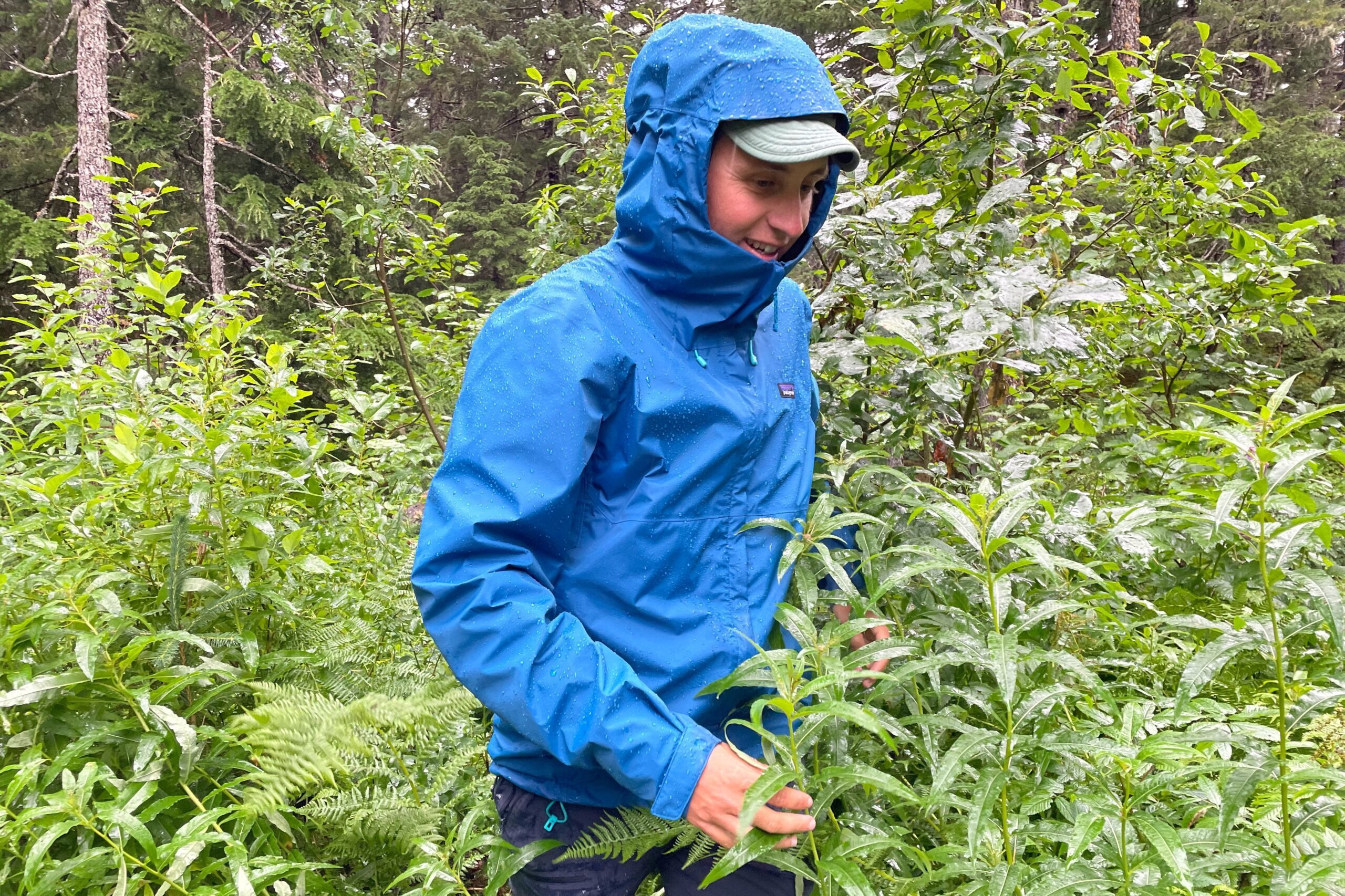
What Are T/C and CVC Fabrics?
At first glance, T/C and CVC fabrics may seem almost identical because both combine polyester and cotton.
But their ratio changes everything.
What Is T/C Fabric?
T/C stands for:
T = Polyester
C = Cotton
In T/C fabric, polyester content is higher than cotton.
Common ratios include:
65% polyester / 35% cotton
80% polyester / 20% cotton
This structure gives T/C fabrics several advantages:
Better wrinkle resistance
Higher durability
Faster drying speed
Lower production cost
Because polyester dominates the blend, the fabric behaves more like a performance synthetic material.
That’s why T/C fabrics are widely used in:
Outdoor workwear
Uniforms
Industrial jackets
Tactical clothing
According to textile industry data, polyester-blend fabrics account for over 60% of global workwear fabric usage because of their durability and low maintenance requirements.
What Is CVC Fabric?
CVC stands for:
Chief Value Cotton
This means cotton content is higher than polyester.
Typical ratios include:
60% cotton / 40% polyester
70% cotton / 30% polyester
Compared with T/C, CVC fabric feels:
Softer
More breathable
More skin-friendly
It combines natural cotton comfort with some of polyester’s durability benefits.
Think of CVC as a “comfort-performance hybrid.”
This makes it popular for:
Urban outdoor wear
Hiking apparel
Casual outdoor jackets
Premium commuter clothing
Key Differences Between T/C and CVC Fabrics
Now let’s compare them directly.
Because this is where many outdoor brands get confused.
1. Comfort & Breathability
If comfort is your top priority, CVC usually wins.
Why?
Cotton fibers absorb moisture better and feel softer against the skin.
This matters for:
Long hiking sessions
Daily commuter wear
Spring and autumn outdoor apparel
T/C fabrics, while durable, can sometimes feel less breathable because of higher polyester content.
In hot or active outdoor conditions, poor breathability can increase sweat retention and discomfort.
2. Durability & Wrinkle Resistance
This is where T/C shines.
Polyester improves:
Abrasion resistance
Shape retention
Tear strength
Wrinkle resistance
For heavy-duty environments like:
Construction workwear
Outdoor labor uniforms
Tactical gear
T/C fabrics often outperform CVC.
Industry testing shows polyester-rich blends can improve abrasion resistance by 30–50% compared to higher-cotton fabrics.
That’s a major advantage in demanding outdoor environments.
3. Moisture Management & Drying Speed
Outdoor clothing must manage moisture efficiently.
Wet clothing in cold weather can rapidly reduce body temperature.
T/C fabrics dry faster because polyester absorbs less water.
CVC fabrics absorb more moisture but may feel more comfortable during moderate activity.
So the choice depends on usage scenario:
Fast-drying workwear → T/C
Comfortable hiking apparel → CVC
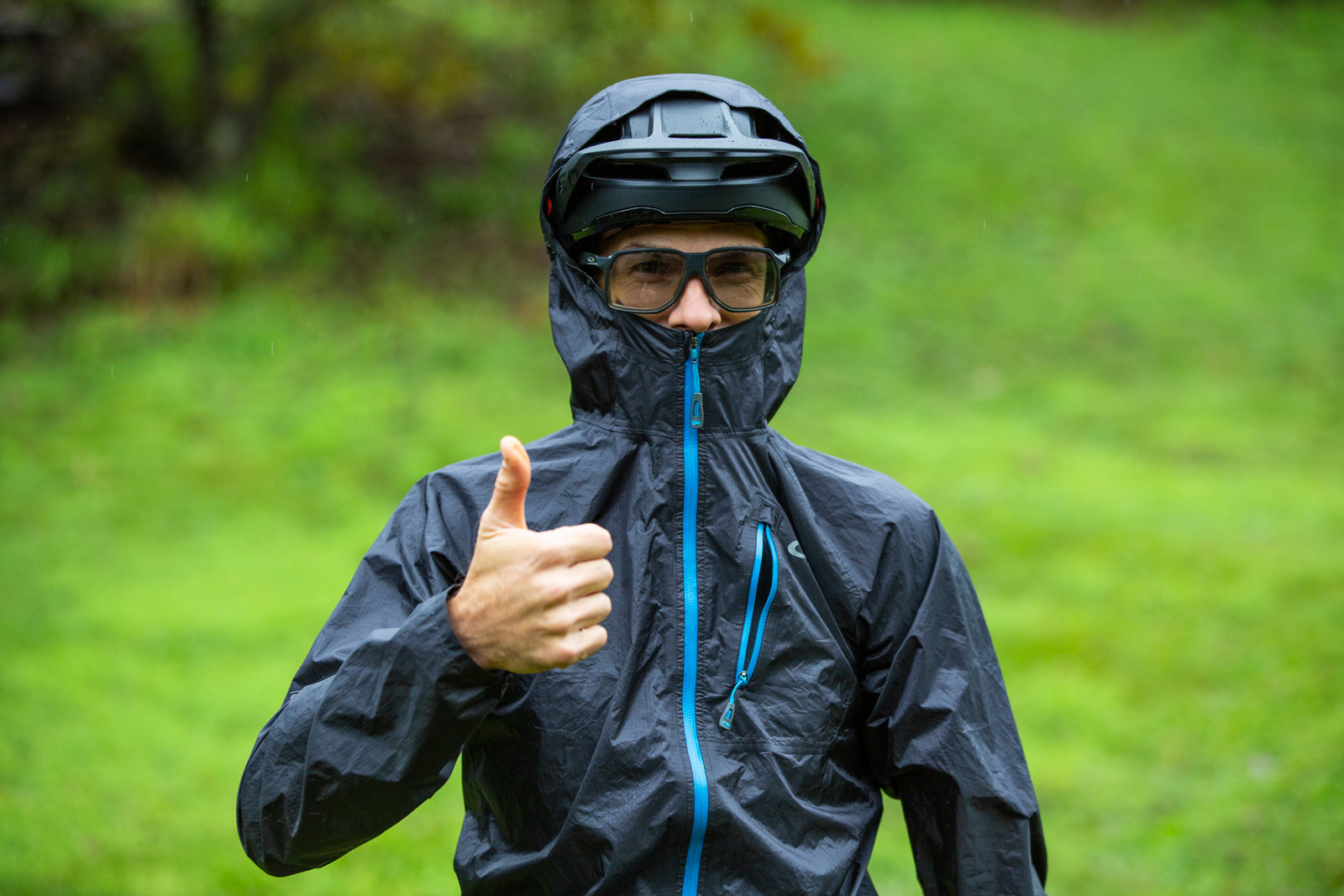
Which Fabric Is Better for Different Outdoor Clothing Types?
There is no universal “best fabric.”
The best choice depends on product positioning.
For Outdoor Workwear
T/C fabrics are usually preferred because they:
Resist wrinkles
Handle repeated washing
Improve durability
Reduce maintenance costs
That’s why many industrial outdoor uniforms use polyester-rich blends.
For Hiking & Mountaineering Apparel
CVC fabrics provide better comfort for extended wear.
Outdoor consumers increasingly want:
Soft touch
Better breathability
Lifestyle-oriented performance
Especially in urban outdoor markets, comfort has become a huge selling point.
Explore hiking apparel manufacturing:Custom Hiking & Mountaineering Apparel
For Urban Outdoor & Commuter Wear
Modern commuter apparel blends outdoor functionality with daily fashion.
CVC fabrics are commonly used because they create a more premium and natural feel.
Explore commuter outdoor wear:Urban Outdoor & Commuter Clothing
For Hunting & Fishing Apparel
Durability and environmental resistance are critical.
T/C fabrics are often chosen for:
Tough outdoor conditions
Abrasion-heavy environments
Easy maintenancee
Explore hunting apparel manufacturing:Custom Hunting & Fishing Apparel
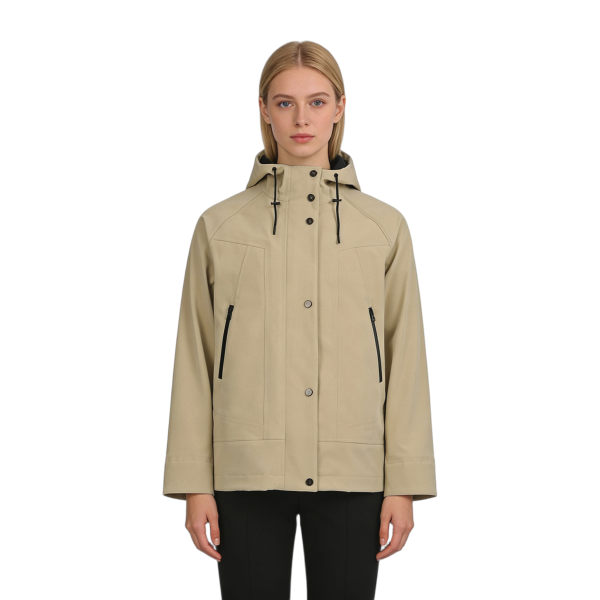
Rugged Windproof Outdoor Jacket – OEM Customizable, Built for Varied Outdoor Conditions.
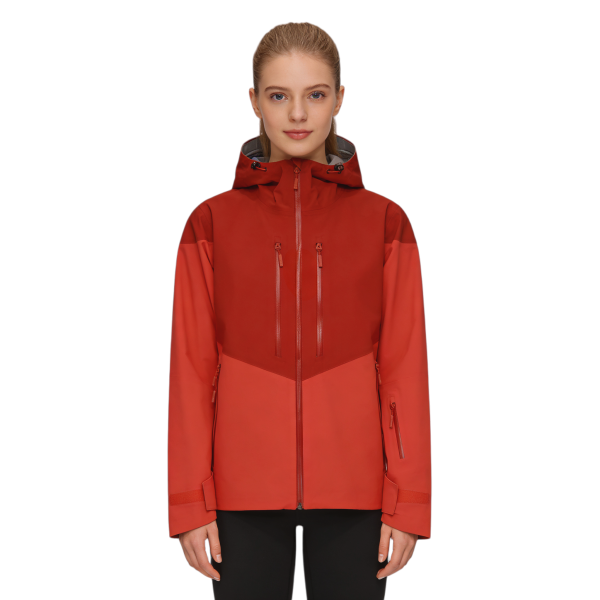
Women's waterproof jacket, combines fashion and function, tailored fit, ideal for adventures and daily wear.
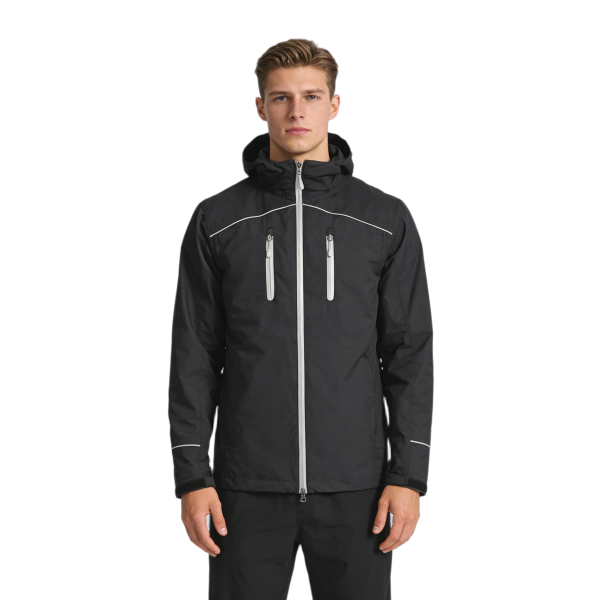
Abrasion-Resistant Windproof Mountaineering Jacket – Excellent Waterproof Protection, OEM Supported.
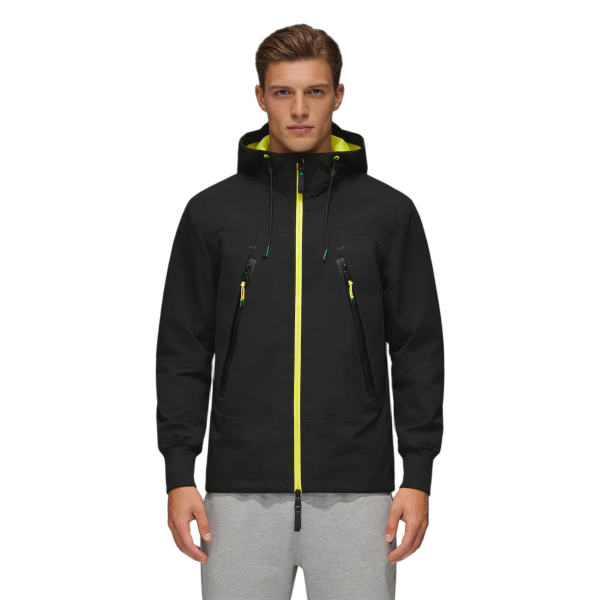
Hiking windproof jacket, adjustable hat, waterproof zipper, elastic cuffs, high-performance fabric, lightweight, warm
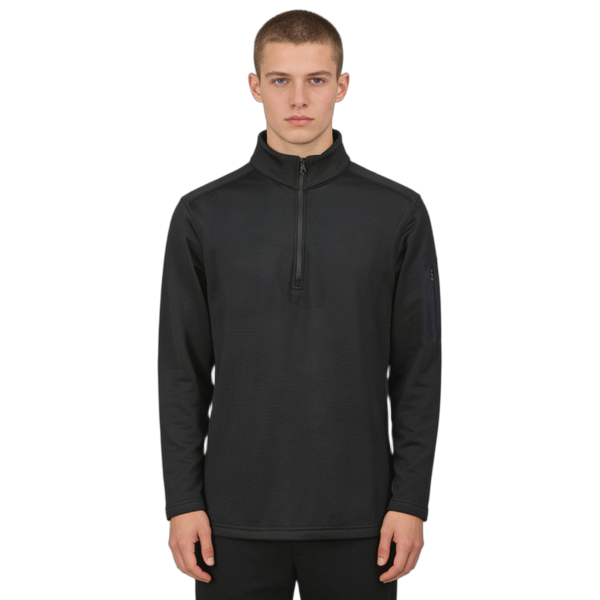
Stretch Commuter Apparel – Flexible and Adaptable for Fast-Paced Urban Lifestyles, Available for Bulk Orders.
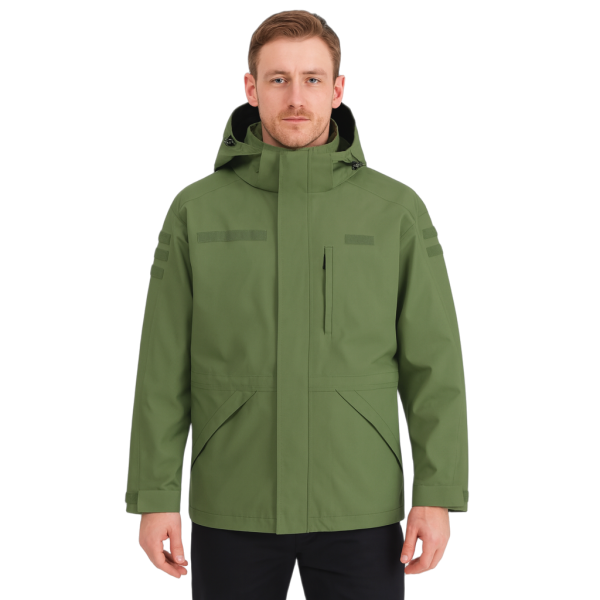
Versatile Softshell Commuter Jacket – Windproof, Waterproof & Abrasion-Resistant, Suitable for Both Urban and Outdoor Use.
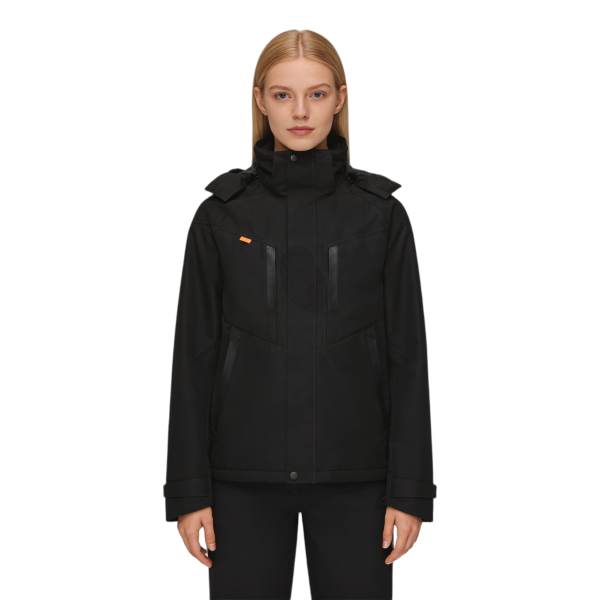
Custom Black Waterproof Jacket - Lightweight, breathable, and comfortable. Explore our OEM & ODM solutions for your brand.
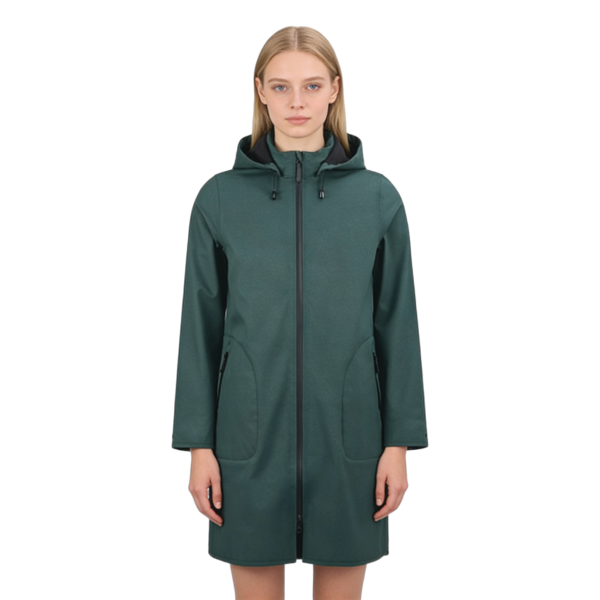
Waterproof parka, adjustable hat, simple and fashionable, suitable for commuting, leisure, and travel.
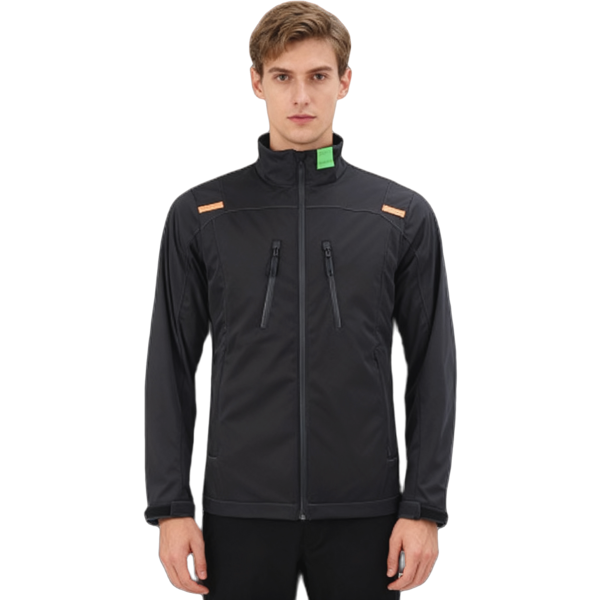
Custom Waterproof Fishing Jacket with Fully Sealed Seams. OEM & ODM services available for superior comfort and breathability.
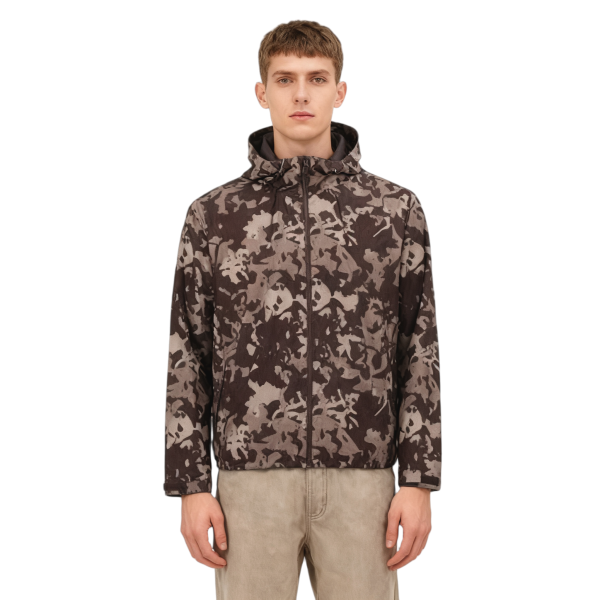
Custom Camo Hunting Jacket: Windproof, waterproof & perfect for outdoor adventures. OEM & wholesale available!
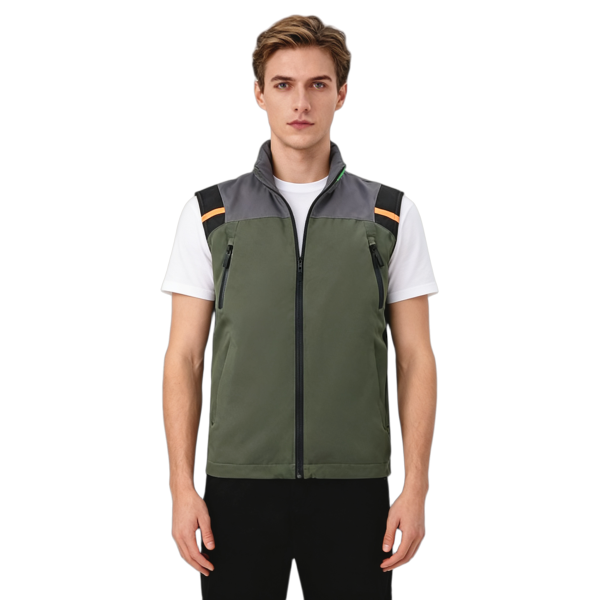
Custom fleece fishing vest, windproof, warm, and lightweight for comfort—ideal for unpredictable weather.
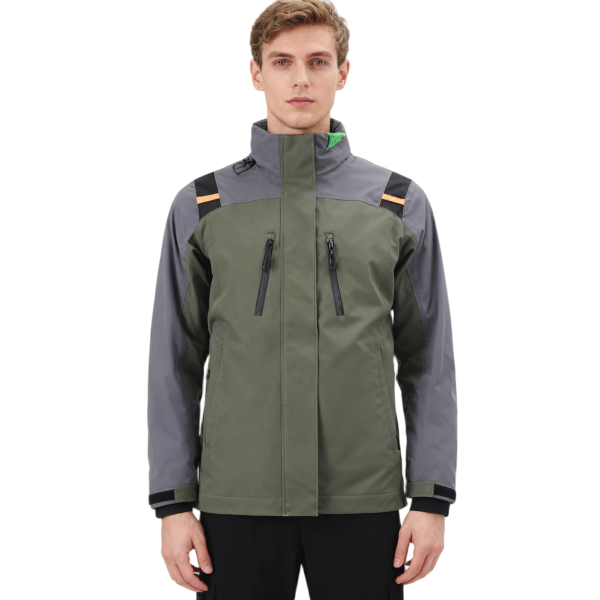
Custom OEM/ODM Windproof Fishing Jacket with Adjustable Cuffs & Velcro Closures, designed for ultimate comfort and protection.
How Uniouter Helps Brands Choose the Right Outdoor Fabric
This is where many brands struggle.
They know they need “good fabric,” but they don’t know:
Which blend ratio fits their market
How fabric affects production cost
Which fabric performs best in different climates
That’s where Uniouter provides real value.
With over 20 years of outdoor apparel manufacturing experience, Uniouter helps brands select fabrics based on:
Product positioning
Performance goals
Target customer expectations
Budget optimization
Learn more about the company:About Uniouter
OEM/ODM Fabric Customization Support
Uniouter supports:
Fabric sourcing
Functional fabric recommendations
Technical development
Custom OEM/ODM production
Explore customization services:Outdoor Clothing Customization Services
Flexible Cooperation Policy
Uniouter’s cooperation advantages include:
MOQ: 300–500 pieces
Sample development: 7–14 days
Bulk production: 30–50 days
Sample fee reduction for qualified clients
Design assistance support
Tender and bidding support services
This helps both startups and established brands develop outdoor collections with lower risk and faster speed.
Conclusion
T/C and CVC fabrics may look similar on paper, but they serve very different purposes in outdoor clothing manufacturing.
Choose T/C fabric if you need:
Higher durability
Faster drying
Better wrinkle resistance
Industrial or tactical performance
Choose CVC fabric if you prioritize:
Comfort
Breathability
Soft touch
Lifestyle outdoor apparel
The key is not choosing the “best” fabric—it’s choosing the right fabric for your product and customer.
And that’s exactly why experienced manufacturing partners matter.
With strong OEM/ODM capabilities and deep outdoor apparel expertise, Uniouter helps brands make smarter fabric decisions from development to production.
Visit the official website:Uniouter Official Website
FAQs
1. Is T/C fabric better than CVC for outdoor workwear?
Yes. T/C fabric generally provides better durability, wrinkle resistance, and faster drying performance for heavy-duty outdoor workwear.
2. Why is CVC fabric popular in urban outdoor clothing?
Because it offers a softer, more breathable, and comfortable feel while maintaining moderate durability.
3. Can Uniouter customize outdoor clothing using both T/C and CVC fabrics?
Yes. Uniouter provides OEM/ODM customization using various fabric blends based on product requirements and market positioning.