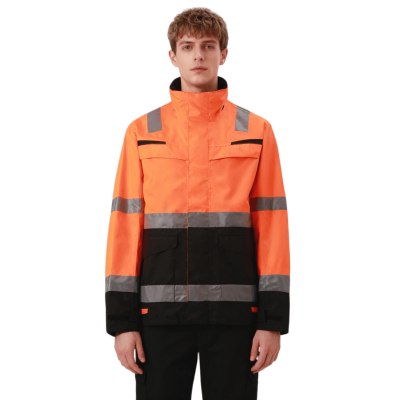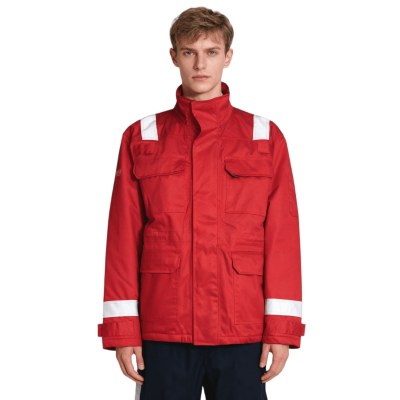
What Are the Oeko-Tex Certification Requirements for Outdoor Clothing Manufacturing
Why Oeko-Tex Certification Matters in Outdoor Apparel
Outdoor clothing is designed to protect people from nature—but what protects people from harmful chemicals inside the clothing itself?
That’s exactly why Oeko-Tex certification has become one of the most important standards in modern apparel manufacturing.
Today’s consumers are no longer focused only on waterproofing, insulation, or durability. They also care about:
Skin safety
Chemical exposure
Environmental responsibility
Sustainable production
According to global textile market reports, over 67% of European consumers now prefer apparel brands that use certified sustainable or chemical-safe materials. In the outdoor industry, this percentage is even higher because outdoor buyers are often environmentally conscious.
For brands entering the European and North American markets, Oeko-Tex certification is no longer a “bonus.”
It’s becoming an expectation.
And if your outdoor clothing manufacturing partner cannot support compliance requirements, your products may struggle to enter premium retail channels.
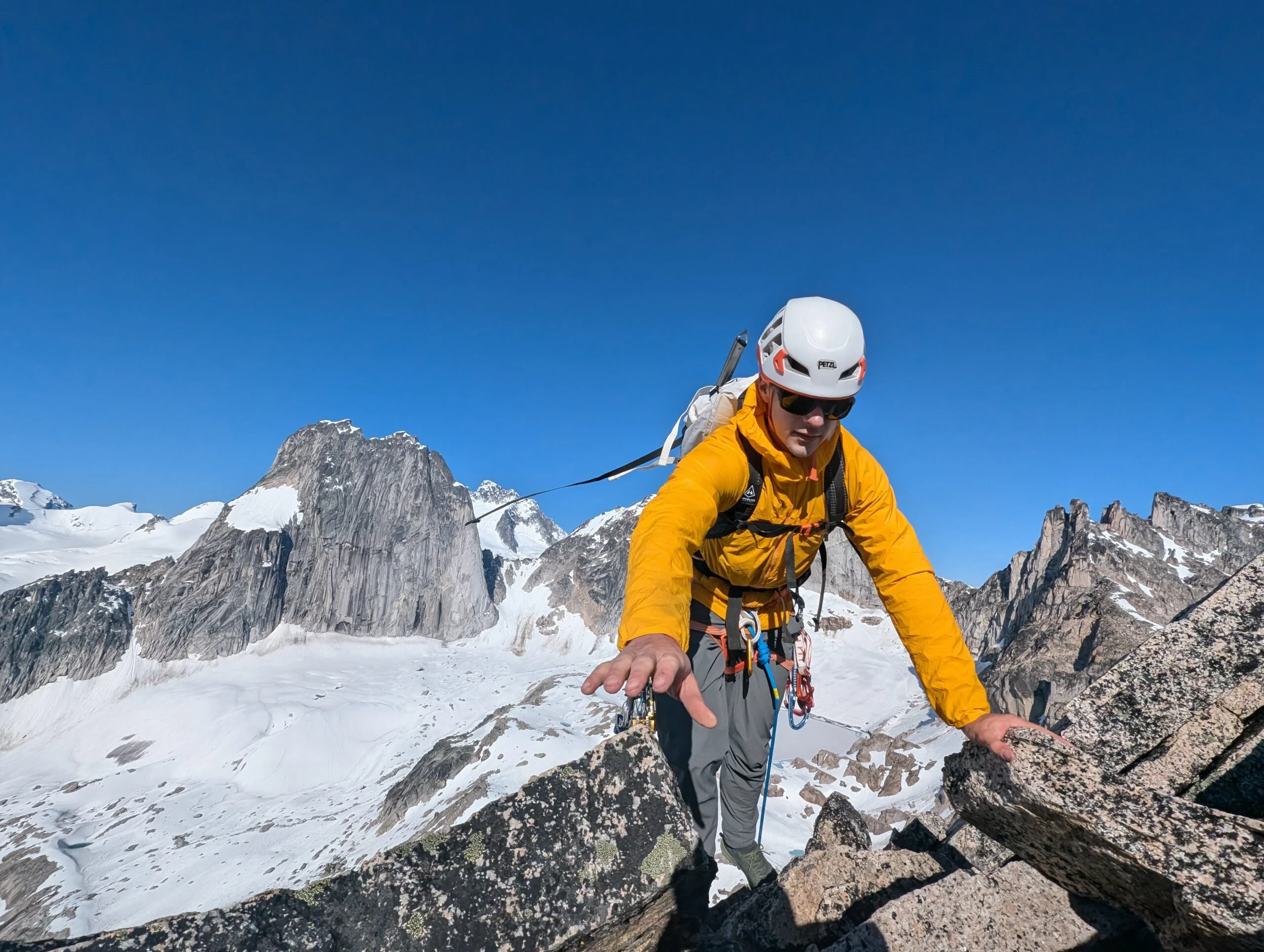
Understanding the Main Oeko-Tex Certifications
Many people hear the word “Oeko-Tex” but don’t fully understand what it actually covers.
Think of Oeko-Tex like a multi-layer quality and safety inspection system for textiles.
Different certifications focus on different parts of the supply chain.
STANDARD 100 by OEKO-TEX
This is the most recognized certification in the apparel industry.
It tests textiles and accessories for harmful substances, including:
Formaldehyde
Heavy metals
Pesticides
Carcinogenic dyes
Harmful pH levels
And here’s the important part:
Every component is tested—not just the fabric.
That includes:
Zippers、Sewing threads、Linings、Buttons、Labels
For outdoor clothing manufacturers, this is critical because technical garments often contain coatings, membranes, and synthetic treatments.
A waterproof jacket may contain over 20 different material components, each requiring compliance verification.
MADE IN GREEN & STeP Certifications
As sustainability expectations increase, many brands also focus on:
Ethical production
Environmental management
Transparent supply chains
This is where:
MADE IN GREEN
STeP by OEKO-TEX
become important.
These certifications evaluate:
Sustainable manufacturing processes
Wastewater treatment
Worker safety
Chemical management systems
It’s not just about the final jacket anymore—it’s about how the jacket was made.
Key Oeko-Tex Certification Requirements for Outdoor Clothing Manufacturing
So what does an outdoor clothing manufacturer actually need to do to meet Oeko-Tex standards?
Let’s break it down.
Restricted Chemicals & Material Safety
Outdoor apparel often uses:
Waterproof coatings
Durable water repellent (DWR) finishes
Adhesives
Laminated membranes
Some older chemical treatments can contain harmful substances like:
PFCs (Perfluorinated compounds)
Heavy metals
Formaldehyde residues
Oeko-Tex certification restricts or bans many of these substances.
Manufacturers must ensure:
Fabric suppliers meet chemical safety standards
Dyeing processes are controlled
Finishing treatments are compliant
For example, many global brands are now transitioning toward PFC-free waterproof technologies because of environmental regulations in Europe.
Supply Chain Transparency & Testing Standards
One of the biggest challenges in outdoor apparel manufacturing is supply chain complexity.
A single technical jacket may involve:
Fabric mills
Membrane suppliers
Insulation suppliers
Trims manufacturers
Printing facilities
Oeko-Tex compliance requires traceability across the production chain.
This means manufacturers need:
Material documentation
Testing reports
Supplier verification systems
Without strong supply chain management, certification becomes difficult.
And this is where experienced manufacturers create a major advantage.
Common Challenges Outdoor Brands Face With Certification
For startups and growing outdoor brands, Oeko-Tex compliance can feel overwhelming.
Why?
Because certification is not just paperwork—it’s a system.
1. Difficulty Finding Certified Fabric Suppliers
Not every fabric supplier offers compliant materials.
Brands often struggle with:
Unverified fabrics
Missing documentation
Inconsistent testing standards
This becomes especially difficult for technical outdoor products using laminated performance fabrics.
2. Higher Development Costs
Certified materials can initially cost more.
Testing, compliance management, and sustainable finishing systems all increase production complexity.
However, the long-term value is significant.
Studies show consumers are willing to pay 10–20% higher prices for certified sustainable apparel products, especially in premium outdoor markets.
3. Production Delays
If materials fail compliance testing, production timelines can collapse.
That’s why experienced OEM/ODM manufacturers matter so much.
A good manufacturing partner prevents problems before they happen.
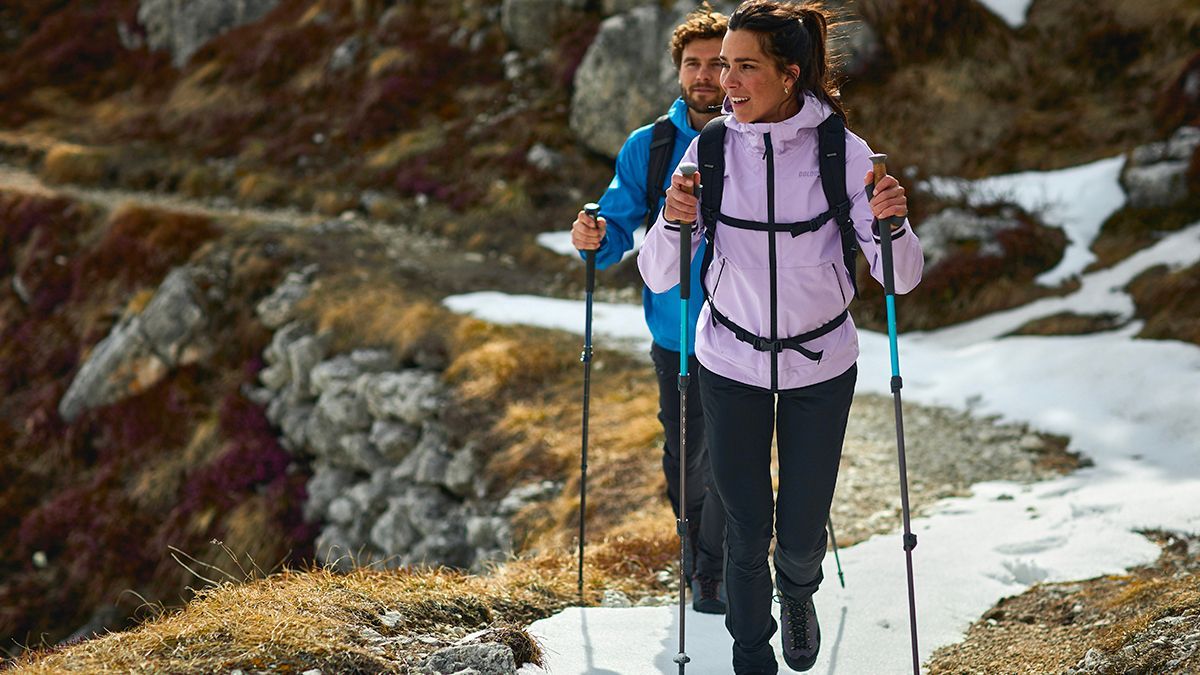
How Uniouter Supports Oeko-Tex-Compliant Outdoor Clothing Production
This is where Uniouter provides strategic value for outdoor apparel brands.
With more than 20 years of outdoor garment manufacturing experience, Uniouter understands both:
Technical outdoor performance requirements
Modern sustainability expectations
Learn more about the company:About Uniouter
OEM/ODM Customization With Certified Material Support
Uniouter supports brands with:
Certified fabric sourcing
Technical outdoor garment development
Waterproof and insulated apparel production
Functional fabric integration
Whether you are developing:
Hiking jackets
Mountaineering apparel
Hunting clothing
Urban outdoor wear
Uniouter helps streamline the production process from concept to bulk manufacturing.
Explore customization services:Outdoor Clothing Customization Services
Flexible Cooperation Policy for Global Buyers
Uniouter’s cooperation model is designed for both startups and established brands.
Cooperation Advantages
MOQ: 300–500 pieces
Sample development: 7–14 days
Bulk production lead time: 30–50 days
Sample fee reduction for qualified customers
Style design assistance
Tender and bidding support services
This flexibility helps brands reduce development risk while maintaining professional product standards.
Outdoor Product Categories Supported
Uniouter develops multiple outdoor apparel categories including:
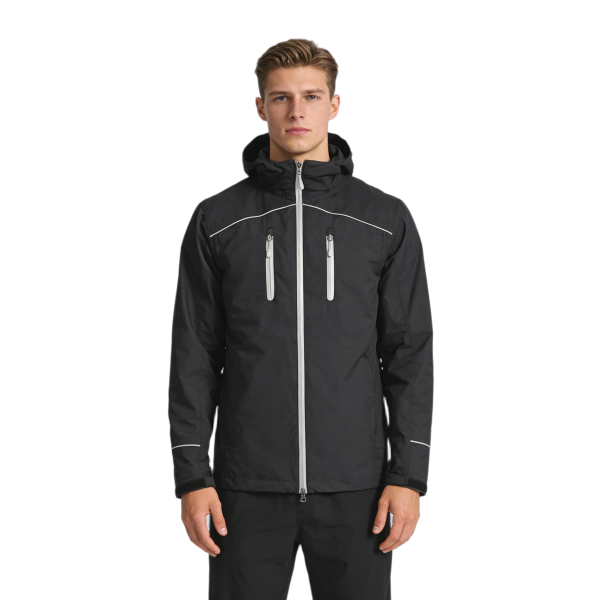
Abrasion-Resistant Windproof Mountaineering Jacket – Excellent Waterproof Protection, OEM Supported.
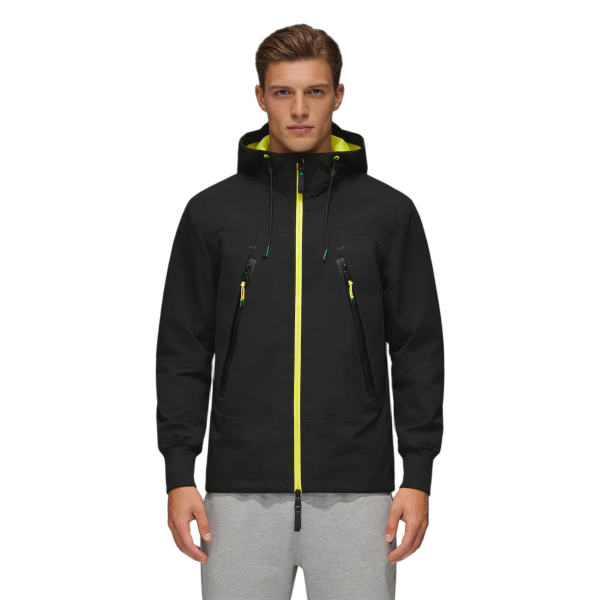
Hiking windproof jacket, adjustable hat, waterproof zipper, elastic cuffs, high-performance fabric, lightweight, warm
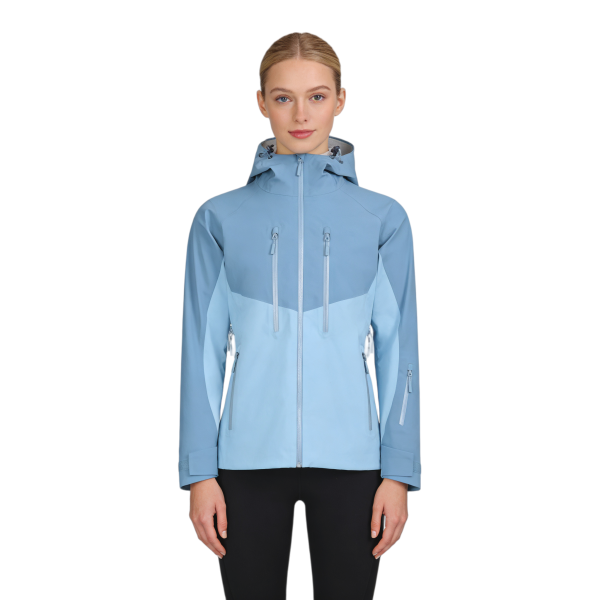
Women's Hiking Jacket – Windproof & Waterproof, Fitted with a Hood, Balancing Style and Functionality.
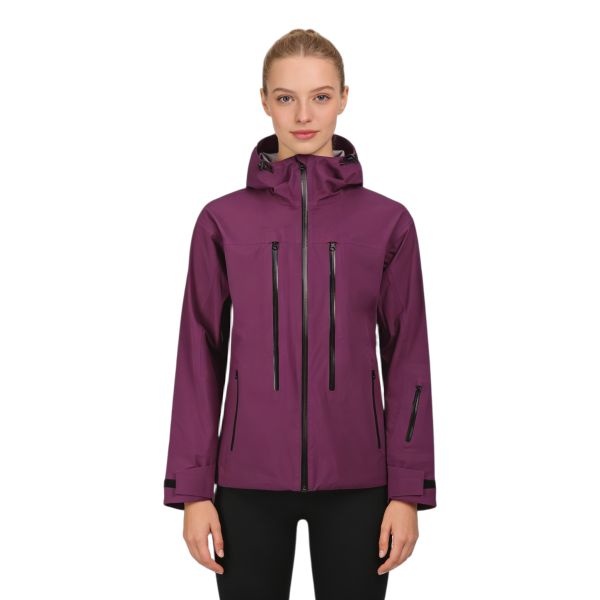
Women's waterproof hiking jacket, blends function and fashion , supports OEM customization, ideal for outdoor enthusiasts.
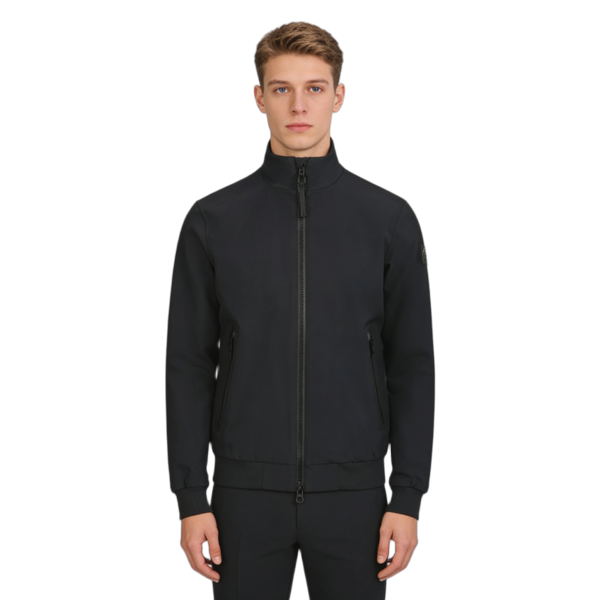
Breathable Lightweight Commuter Jacket – Practical for Daily Wear and Short Outdoor Trips, Available for Bulk Orders.
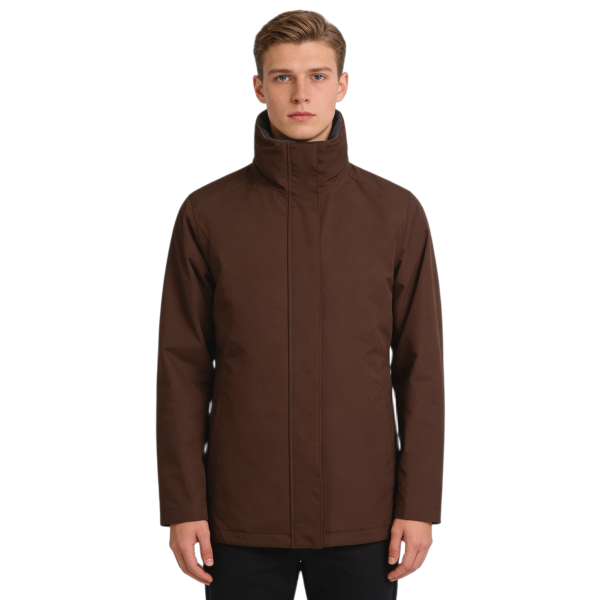
Warm rainproof coat, simple design, Velcro fasteners, supports wholesale, ideal for outdoor and commuting.

Black insulated parka, locks in warmth, two-way zipper, elastic cuffs block wind, essential for winter travel.
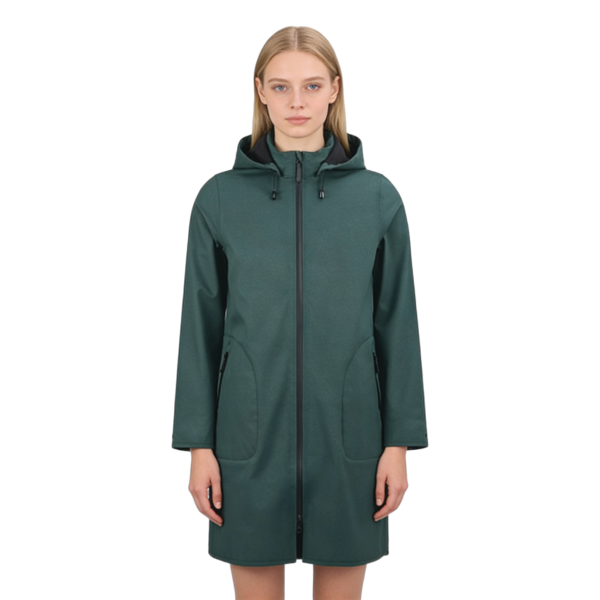
Waterproof parka, adjustable hat, simple and fashionable, suitable for commuting, leisure, and travel.
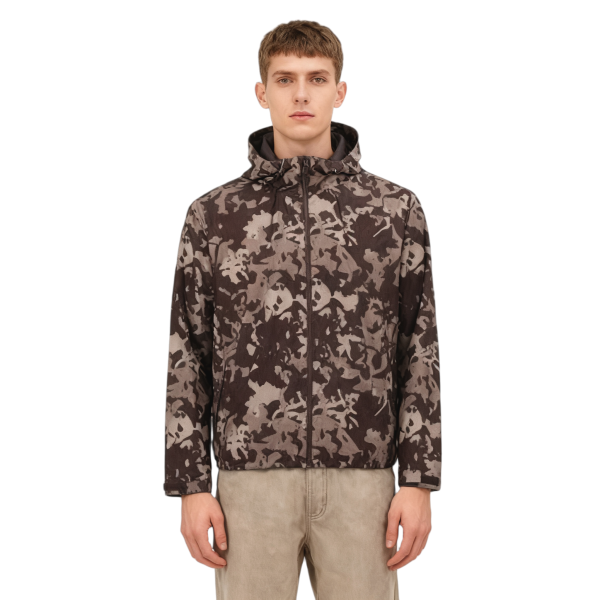
Custom Camo Hunting Jacket: Windproof, waterproof & perfect for outdoor adventures. OEM & wholesale available!
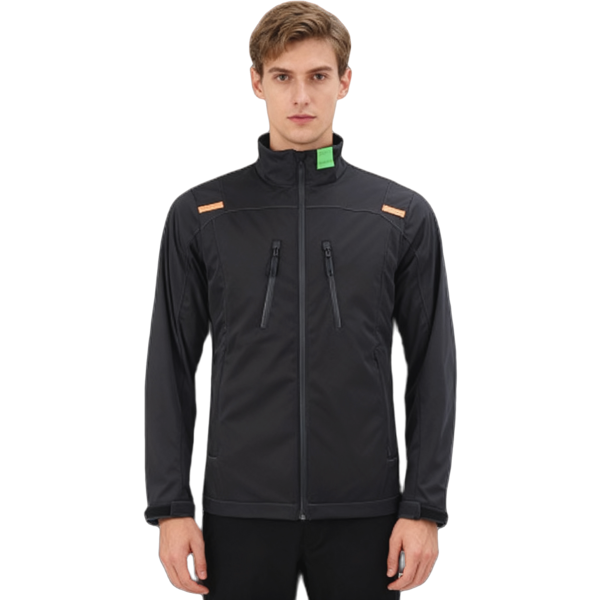
Custom Waterproof Fishing Jacket with Fully Sealed Seams. OEM & ODM services available for superior comfort and breathability.
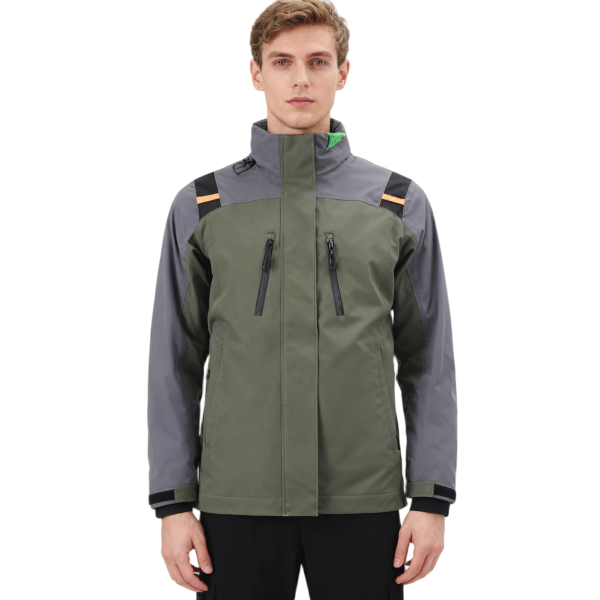
Custom OEM/ODM Windproof Fishing Jacket with Adjustable Cuffs & Velcro Closures, designed for ultimate comfort and protection.
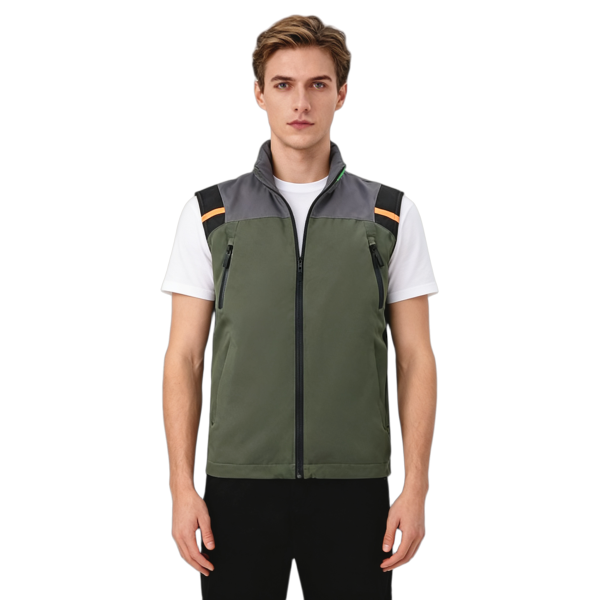
Custom fleece fishing vest, windproof, warm, and lightweight for comfort—ideal for unpredictable weather.
Conclusion
Oeko-Tex certification is rapidly becoming a key standard in the global outdoor apparel industry.
For brands, it represents:
Consumer trust
Product safety
Sustainable manufacturing credibility
Better access to premium global markets
But achieving compliance requires more than good intentions. It requires:
Certified material sourcing
Strong supply chain management
Technical production expertise
That’s why choosing the right manufacturing partner matters so much.
With extensive outdoor apparel experience and flexible OEM/ODM capabilities, Uniouter helps brands navigate both technical performance and modern sustainability requirements.
Visit the official website:Uniouter Official Website
FAQs
1. What does STANDARD 100 by OEKO-TEX certify?
It certifies that textile products and accessories are tested against harmful substances and are safe for human use.
2. Is Oeko-Tex certification important for outdoor clothing brands?
Yes. Many global buyers and retailers now require certified materials for sustainability and consumer safety compliance.
3. Can Uniouter help source Oeko-Tex-compliant materials?
Yes. Uniouter supports certified fabric sourcing and OEM/ODM development for outdoor apparel manufacturing.