Waterproof vs. Water-Resistant: What's the Difference in Outdoor Wear?
Introduction
Every outdoor enthusiast faces the same question when shopping for gear: waterproof or water-resistant? The terms appear on nearly every jacket label, yet most buyers — and even many retailers — confuse them. Understanding the difference isn't just about vocabulary; it directly affects comfort, safety, and your bottom line.
Whether you're sourcing outdoor jackets for your brand or advising customers on the right gear, this guide breaks down the real-world differences between waterproof and water-resistant outdoor wear — from fabric technology to field performance, price points, and maintenance.
Waterproof = engineered to keep you dry in sustained rain and submersion. Water-Resistant = treated to repel light moisture and drizzle, but not built for storms.
Waterproof vs. Water-Resistant: The Core Difference
True waterproof jackets use laminated membranes — such as GORE-TEX or proprietary polyurethane films — that create a physical barrier against water penetration. Seams are taped, zippers are sealed, and the fabric is rated by hydrostatic head: the column of water (in mm) it can withstand before leaking. A 10,000mm rating means the jacket resists water pressure equivalent to a 10-meter column — more than enough for storm conditions.
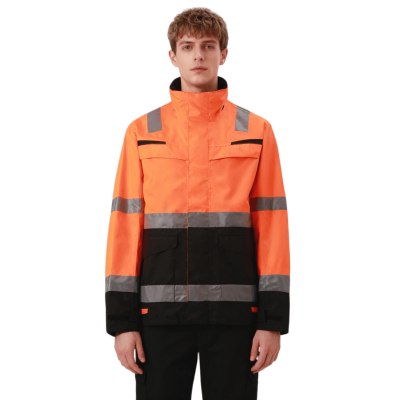
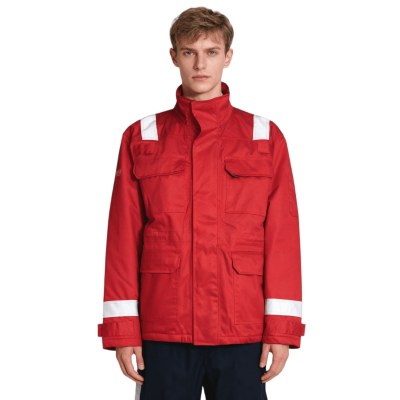
For retailers, stocking genuinely waterproof windproof mountain coats signals quality and builds customer trust. Explore our full product catalog for OEM options.
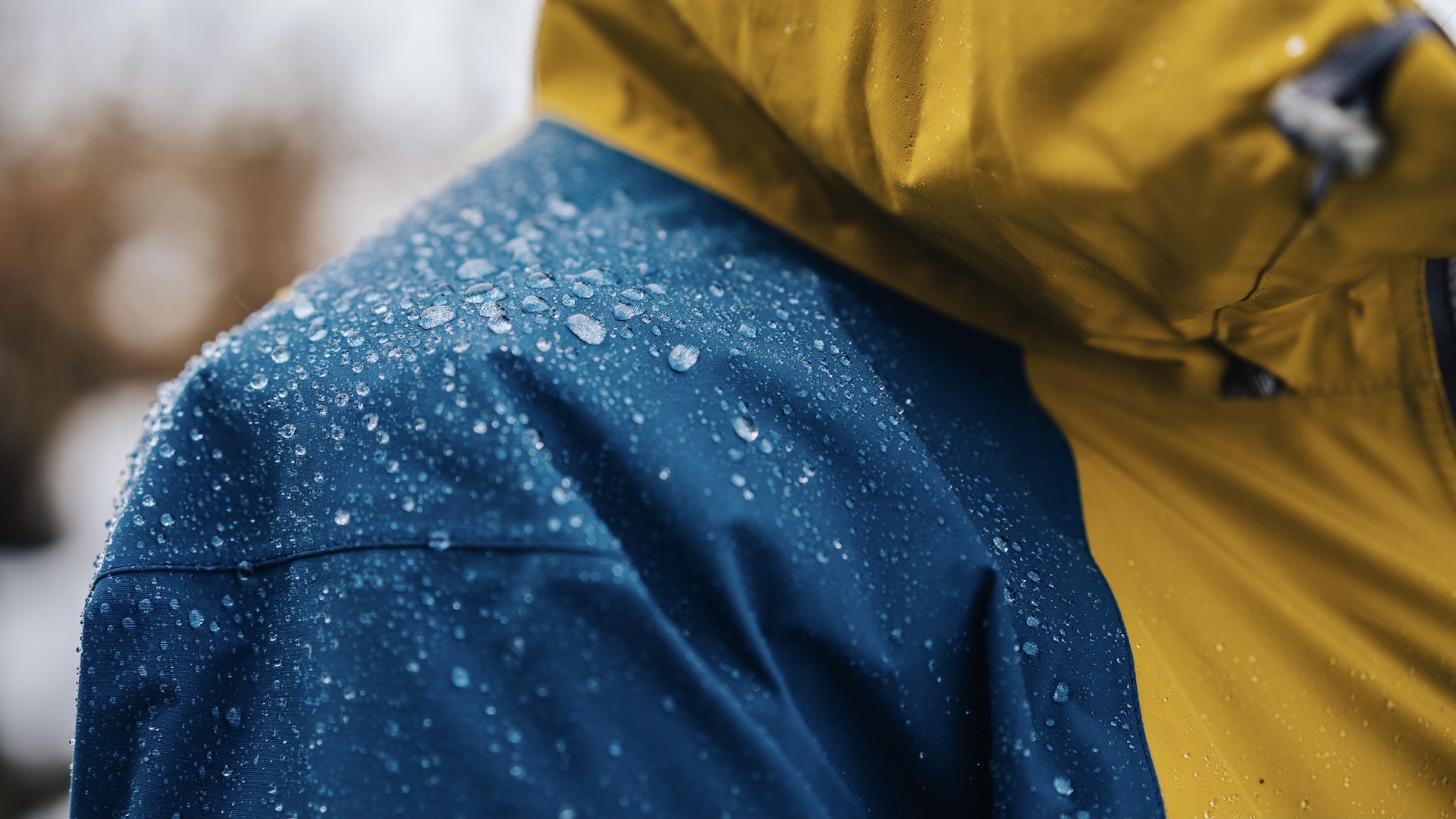
Water-resistant jackets rely on a Durable Water Repellent (DWR) coating applied to the fabric surface. This causes water to bead up and roll off — effective for light drizzle and brief exposure, but not for sustained rain or submersion. The treatment gradually wears off with use and washing, requiring reapplication.
Water-resistant gear excels in women's hiking jackets and lifestyle pieces where breathability and comfort matter more than extreme weather protection. Learn more about our manufacturing capabilities.
Performance, Breathability & Real-World Testing
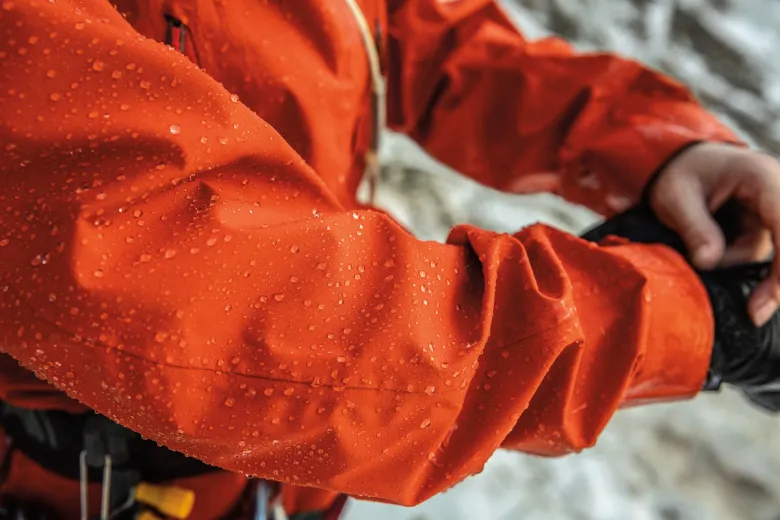
In sustained downpours lasting over 30 minutes, water-resistant jackets begin to wet through — especially at high-wear points like shoulders and elbows. Waterproof membranes maintain dryness for hours, even in alpine storms. This is why professional guides and backcountry adventurers prioritize genuine waterproof construction.
The eternal compromise: waterproof membranes sacrifice some breathability for protection. High-end three-layer laminates balance both well, but budget waterproof jackets can feel like wearing a plastic bag. Water-resistant DWR coatings breathe freely but offer limited protection — the windproof coat approach splits the difference beautifully.
Industry-standard testing uses the hydrostatic head (mmH2O) rating for waterproofing and the Moisture Vapor Transmission Rate (MVTR) for breathability. A jacket rated 20,000mm / 20,000g delivers premium-level performance in both categories — ideal for serious outdoor retail. Contact our team to discuss specification standards for your product line.
How to Choose the Right Protection
Recommended: Waterproof, 10,000mm+ rating with taped seams. Weight matters — look for 3-layer laminates under 400g. Request custom trekking jacket specs.
Recommended: Water-resistant softshell with stretch. Prioritize breathability and style over storm protection. The women's hiking jacket is purpose-built for this.
Recommended: Waterproof shell over insulated mid-layer. The mountain climbing jacket provides warmth, while a waterproof outer shell adds rain protection.
Recommended: Water-resistant. Most everyday outdoor activities — dog walks, coffee runs, light trail walks — don't require full waterproofing. Save the premium gear for when you need it.
Care, Maintenance & Smart Buying
Water-resistant coatings degrade after 20–30 wash cycles. Use Nikwax TX.Direct or Grangers Performance Wash to restore beading. Waterproof membranes don't need reapplication but benefit from DWR-refresh on the outer face fabric.
Never use regular detergent — it leaves residue that clogs membrane pores. Use technical wash products and follow the manufacturer's care instructions. Tumble dry low to reactivate DWR.
A common misconception: more expensive = more waterproof. Not true. A $150 jacket with a solid 10,000mm membrane outperforms a $400 fashion piece with only DWR. Match the rating to your actual use case. For OEM sourcing, Uniouter offers both tiers at competitive wholesale pricing.
Modern waterproofing increasingly uses PFC-free DWR treatments and recycled membranes. Brands leading this shift attract eco-conscious consumers — a fast-growing market segment. Ask your manufacturer about sustainable fabric options.
Featured Waterproof & Water-Resistant Products
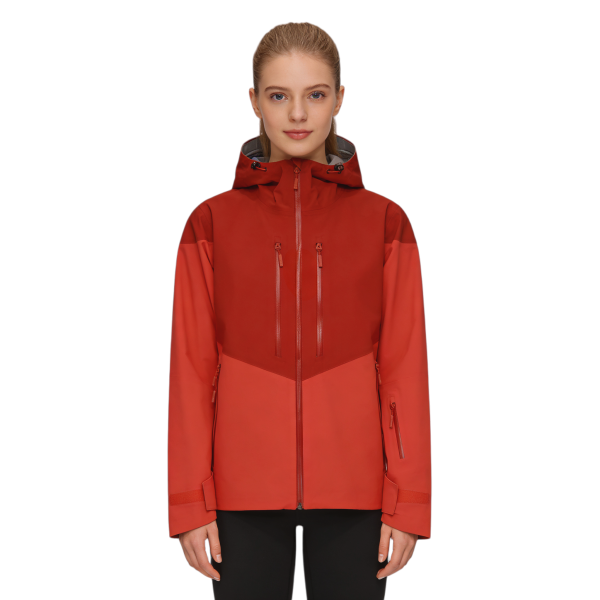
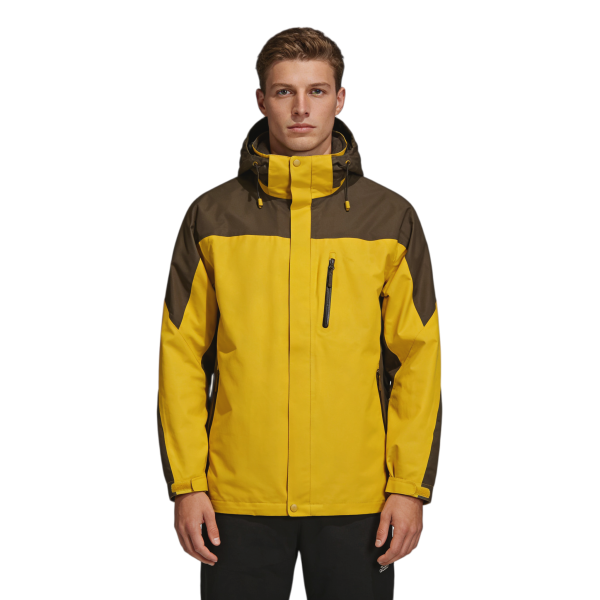
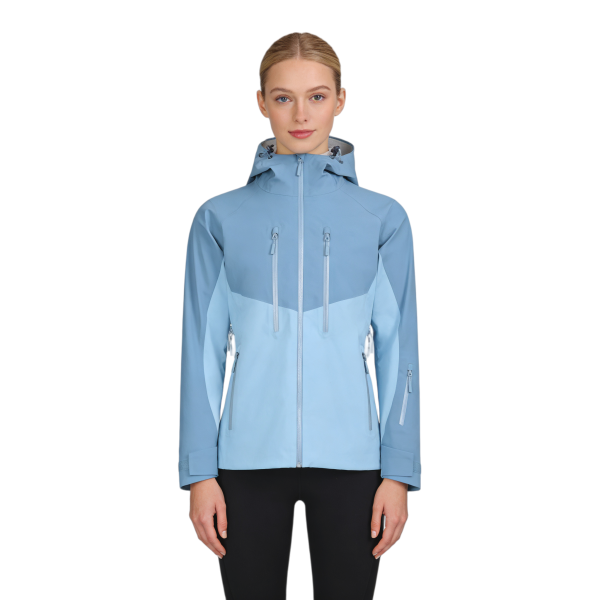
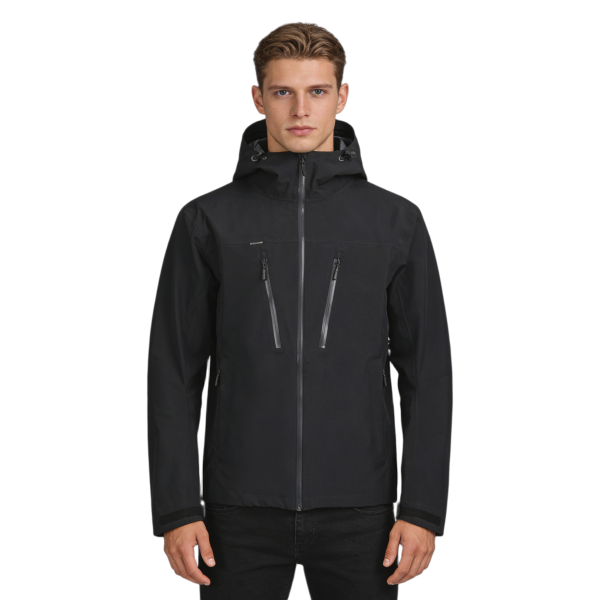
Uniouter manufactures both tiers — from fully waterproof softshells to water-resistant commuter pieces — with full OEM/ODM customization. Request a quote for your brand.
Frequently Asked Questions
No. Waterproof membranes sacrifice breathability and cost more. For urban commuting, light hiking, or dry climates, water-resistant gear is often the smarter choice — lighter, more breathable, and more affordable. Choose based on your actual activity and weather conditions.
Waterproof uses a physical membrane barrier rated by hydrostatic head (typically 10,000mm+), with sealed seams and zippers. Water-resistant uses a surface DWR coating that causes water to bead off — effective for light moisture but not sustained rain. The water resistant and waterproof difference comes down to barrier vs. treatment. For sourcing decisions, consult our product team about which tier fits your market.
Not truly. You can improve water resistance by reapplying DWR spray, but you cannot add a membrane. Some hybrid softshells — like our windproof mountain coat — bridge the gap with integrated waterproof membranes in a flexible, breathable construction.
Quality waterproof membranes last the lifetime of the garment — 5–10+ years with proper care. The DWR face treatment needs reapplication every 1–2 seasons. With Uniouter's 20 years of manufacturing expertise, our waterproof jackets are built for durability and performance.
For day hiking in variable weather: 10,000mm minimum. For multi-day backpacking and alpine routes: 20,000mm. For urban and light trail use: water-resistant (DWR) is sufficient. Browse our product catalog or send an inquiry with your specifications.
Conclusion: Match Your Gear to Your Adventure
The waterproof vs. water-resistant decision isn't about which is "better" — it's about matching protection to purpose. Waterproof membranes are non-negotiable for sustained rain and mountain environments. Water-resistant DWR coatings shine for everyday use where breathability, weight, and price matter most.
For brands and retailers, stocking both tiers gives you coverage across every customer segment — from budget-conscious commuters to serious backcountry adventurers. Contact Uniouter to source both waterproof and water-resistant outdoor apparel with full OEM customization, competitive wholesale pricing, and 20 years of manufacturing expertise behind every stitch.