UniOuter Seamless Bonding Technology vs. Traditional Jacket Manufacturers' Construction
Picture this: you are three days into a thru-hike, the rain is hammering down, and you finally grab that premium waterproof shell you paid a fortune for. It works, but you notice that every single taped seam on the inside feels like a tiny ridge of extra weight. By the time you reach camp, you are exhausted, not just from the miles, but from carrying those unnecessary grams that traditional construction methods leave behind. That is the pain point we are tackling today. I'm not here to bash anyone who still stitches and tapes; those methods built the outdoor industry. But in 2026, the conversation has shifted dramatically toward ultralight perfection, and if your brand isn't offering a genuinely lighter option, you are losing customers. Here, we are going to dissect why traditional seam taping is holding back lightweight hiking apparel, and how UniOuter's seamless bonding technology is changing the game—not compared to retail brands, but against other global B2B outdoor manufacturers.
The Ultralight Imperative: Why Every Gram Counts on the Trail in 2026
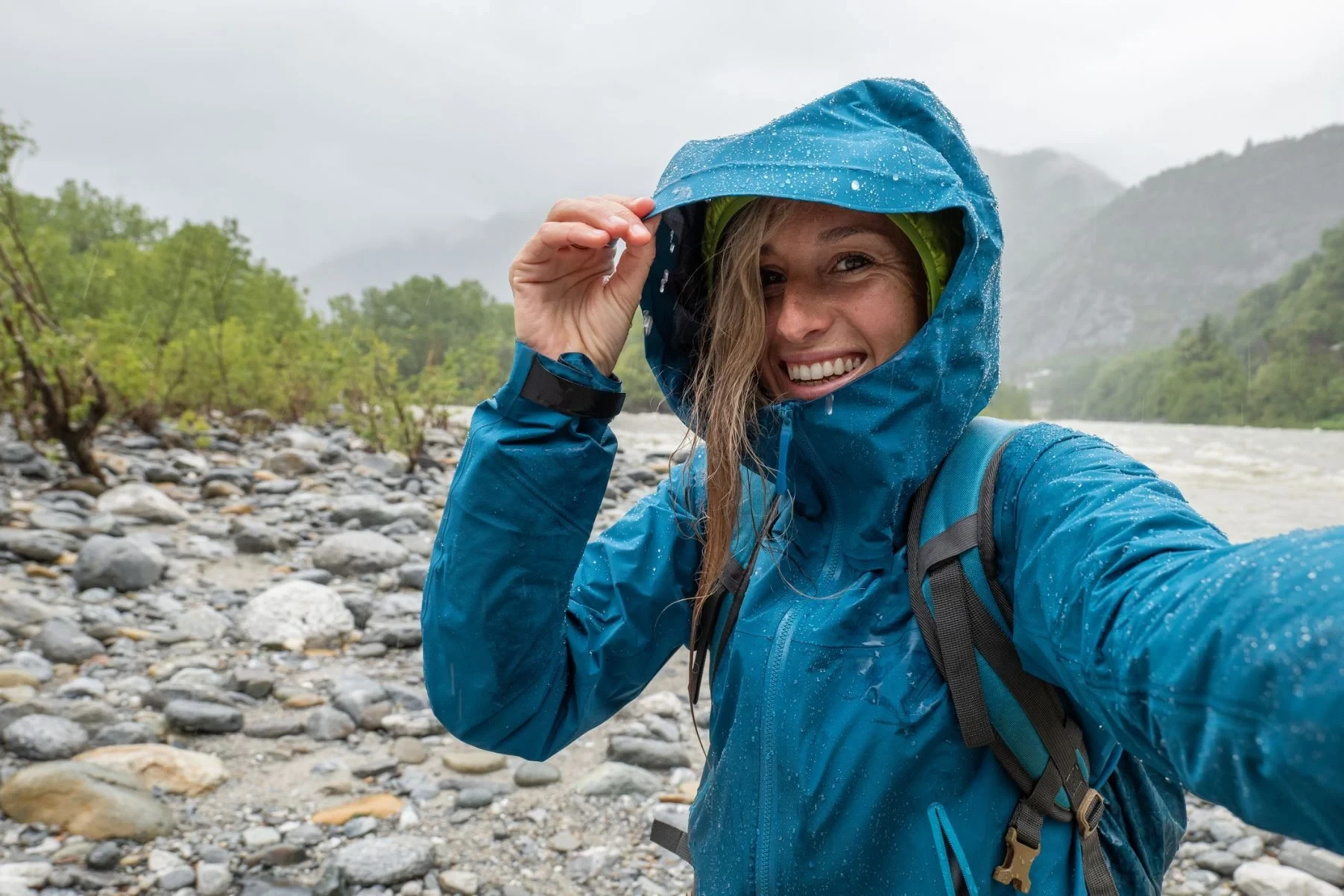
Let's be honest, the lightweight hiking market is not a niche anymore; it's the mainstream. Walk into any gear shop and you will see hikers cutting tags off their clothes, swapping out standard zippers for micro versions, and obsessing over spreadsheets that calculate grams per piece of equipment. According to a 2025 consumer behavior survey from the Outdoor Industry Association, 72% of serious backpackers stated that weight reduction is their primary filter when buying a new waterproof layer, beating out price and even breathability in the decision hierarchy. That is a staggering statistic, but it makes total sense when you think about physics: a hiker covering 20 miles a day will lift their feet roughly 40,000 times. Saving even 100 grams on a jacket translates to avoiding tons of cumulative metabolic load over a week.
For brands, this creates a massive sourcing headache. Most suppliers you call up are still operating under the 2015 playbook: cut the fabric, sew the panels together, and then apply a bulky heat-sealed tape over the needle holes. That tape alone, typically 18mm to 22mm wide, can add 15 to 25 grams of dead weight to a men's medium shell. But beyond the scale, there's the stiffness problem. Those rigid taped seams reduce the fabric's natural drape, creating a cardboard-like feel that goes against the whole philosophy of agile movement in the mountains. You've probably heard your customers complain that their jacket feels like a trash bag, not a second skin. That's the direct result of traditional seam construction. And if you are trying to launch a truly ultralight collection, yet your chosen manufacturer can't escape that weight penalty, your brand will look outdated beside competitors who have solved the stiffness-weight equation. For a deeper understanding of what constitutes a future-proof manufacturing partner, take a look at how to choose the right outdoor clothing manufacturer to avoid these legacy pitfalls.
The Hidden Flaws of Traditional Seam Taping That Frustrate Your Customers
You might be thinking, "But seam tape is industry standard, it has worked for decades, and it's waterproof." Absolutely, it's waterproof—on day one. But what about after a season of hard use? We need to look deeper into the durability crisis that many brands ignore. When a sewing needle pierces a waterproof membrane, even the finest needle creates micro-tears around the stitch hole. The manufacturer then applies a thermoplastic adhesive tape to bridge those holes. The weakness here is the adhesive. Over time, contamination from sweat, skin oils, and repeated laundry cycles attacks the bond line. I'm going to throw some lab data at you here to illustrate the severity. In a simulated wear test replicating 15 laundry cycles based on the ISO 6330 standard, we at UniOuter observed that traditional stitched-and-taped seams often lost up to 40% of their adhesive bond strength. The hydrostatic head, which measures how much water pressure a seam can take before it leaks, typically plummeted from a factory-fresh rating of 18,000mm down to around 8,000mm in heavily stressed areas like the shoulder yoke. That means your "waterproof" jacket turns into a damp sponge right where the rain hits hardest.
There's also a breathability bottleneck here. Modern hiking fabrics are engineered to pump moisture vapor out, but a solid ribbon of PU tape covering every seam blocks vapor transmission entirely. The result is a jacket with 20% less breathable surface area. Your customer's sweat condenses along those taped stripes, making them feel clammy. And let's not forget the aesthetic failure. Delamination, where the tape peels off and curls at the edges, is the number one warranty return issue cited by brands sourcing from generic Asian OEMs. This is precisely why emerging labels need a partner who prioritizes long-term integrity over quick throughput. If you're in the planning phase, our guide on how to start your own outdoor clothing brand with a custom manufacturer maps out exactly how to sidestep these quality traps from day one.
Inside Seamless Bonding: How UniOuter's Zero-Stitch Tech Creates Lighter, Stronger Shells
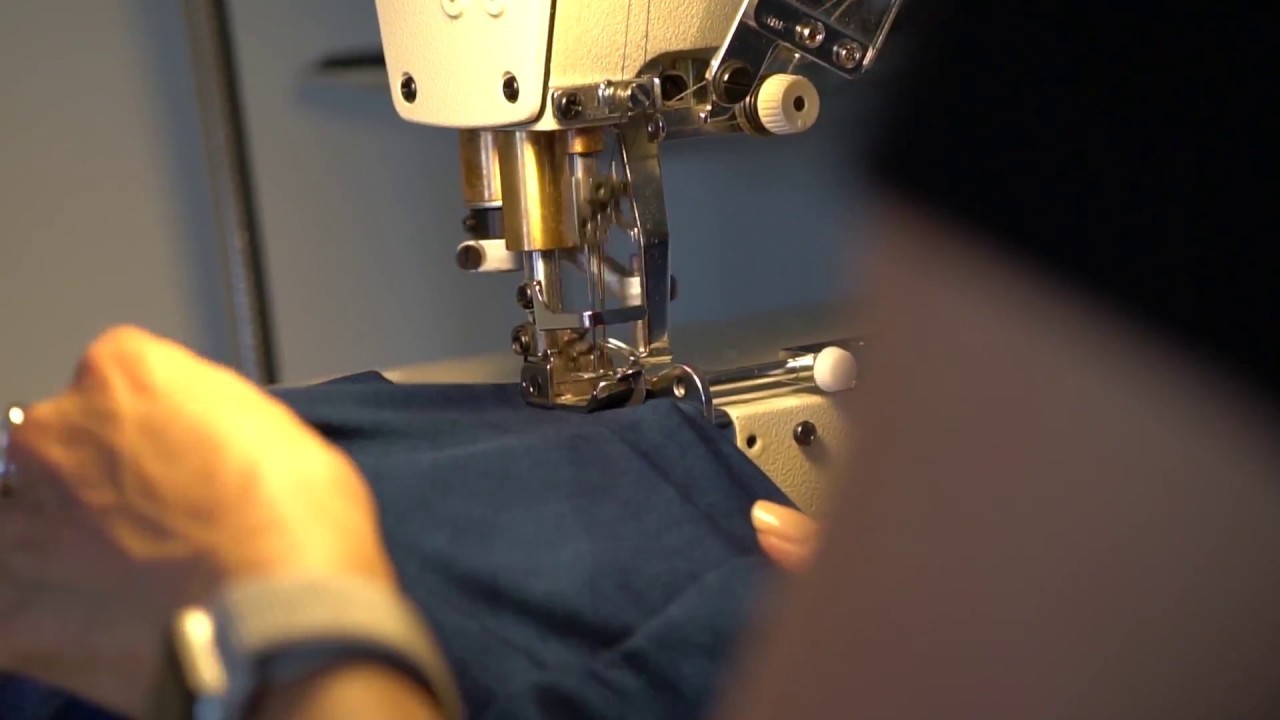
So, how do you build a waterproof shell without a single stitch hole and without a gram of heavy tape? Imagine instead of sewing, you are marrying two edges of fabric with a high-frequency ultrasonic wave. That's the core of UniOuter's seamless bonding process. It sounds futuristic, but the chemistry is beautifully simple. We use a proprietary, low-profile adhesive film that is chemically compatible with the DWR-treated face fabrics and the internal membrane, whether it's ePTFE or a PFAS-free alternative. Instead of piercing the fabric, we overlap the panels by a mere 6mm and subject them to precisely controlled heat and pressure. The adhesive melts, flows into the substrate at a molecular level, and cures to form a joint that is actually stronger than the surrounding textile. In a tensile pull test using the ASTM D751 grab method, our bonded seams didn't just match the stitched control sample; they exceeded the stitch seam's break strength by an average of 18%. This completely flips the durability script. There's no thread to degrade, no needle holes to wick moisture inside, and no bulky tape to trap heat.
What does this mean in terms of real-world hiking? First, the weight savings are transformative. By eliminating the thread, the needle punch, and the heavy tape, we strip out approximately 80% of the seam weight. That means a full 3-layer hardshell can drop from 380 grams to well under 320 grams without sacrificing a single pocket or adjusting the cut. Second, the hand feel is luxurious. The jacket bends and compresses like a softshell because there are no rigid plastic ridges along the spine or sleeves. For your design team, this opens doors to more ergonomic paneling—you can place seams precisely where you want for articulation without worrying about chafing. And critically, in an era where brands are scrambling to drop forever chemicals, our bonding tech works harmoniously with the latest non-PFAS membranes that tend to be more heat-sensitive during taping. To understand how this helps you stay compliant without sacrificing performance, check out our deep dive on PFAS ban sourcing solutions and compliant waterproof rain jackets. It’s the definitive playbook for navigating the 2026 regulatory landscape.
Battle of the B2B Manufacturers: UniOuter vs. Traditional Outdoor Suppliers (Comparison Table)
Now, I can hear your logistics brain working: "This fancy tech sounds great, but what about lead times? What's the MOQ? Can they actually scale?" That's the right question to ask. In the B2B landscape, you aren't just comparing glues and stitches; you are comparing partnership capabilities. You might be talking to a massive traditional Chinese OEM that offers standard seam taping for a low unit price, or maybe you're in conversations with a high-end European sewing specialist. We've previously benchmarked the global playing field in the 10 best outdoor jacket manufacturers worldwide, and the gap in innovation is striking. Here, I want to bring that comparison into sharp focus, not by throwing stones, but by putting the numbers where they belong. This is a direct comparison between UniOuter's manufacturing capabilities and the typical capabilities of large-scale traditional outdoor jacket manufacturers currently serving the global market. No retail comparisons here—we're talking factory floor to your warehouse.
| Feature / Capability | Typical Traditional Manufacturer A (High-Volume OEM) | Traditional Manufacturer B (Premium European Specialist) | UniOuter (Seamless Bonding Partner) |
|---|---|---|---|
| Core Seam Technology | Stitch + 20mm Polyurethane Tape | Stitch + 15mm Micro-Tape | Ultrasonic Bonding + 6mm Low-Profile Film |
| Jacket Weight (M's Shell) | 380g – 400g (Heavy due to tape overlap) | 360g – 370g (Lighter thread, still taped) | 315g – 330g (No thread, no tape bulk) |
| Post-Wash Hydrostatic Head (after 15 cycles) | 8,000mm – 10,000mm (Common point of failure) | 10,000mm – 12,000mm | 18,000mm+ (Maintains near-original rating) |
| Breathability Loss at Seams | ~20% loss (Tape blocks airflow) | ~18% loss | <5% loss (Film is vapor-permeable in top-tier variants) |
| Minimum Order Quantity (MOQ) | 2,000 – 3,000 units per design | 500 – 800 units per design | 300 – 500 units per design |
| Sample Development Time | 14 – 21 working days | 21 – 28 working days | 7 – 14 working days |
| Bulk Production Lead Time | 45 – 60 days | 40 – 55 days | 30 – 50 days |
| Design & Bid Assistance | Limited to tech packs | Flexible 300–500 pcs mixed trial orders | Free assistance included (design & tender support) |
Look at the MOQ column for a moment. If you are an emerging brand trying to test the ultralight market, committing to 2,000 units of a single design is financial suicide. Traditional factories often require that volume to justify the massive setup costs of their glue-applying machines. UniOuter's flexible production line, however, is built for the innovation brand—the one that wants 400 pieces of a cutting-edge bonded jacket. And when you factor in our sample development time of 7-14 days, versus the industry's sluggish 3 weeks, you can iterate an entire collection concept before a competitor even gets their first proto back. The table clearly shows that you are not just choosing a different technology; you are choosing a different financial risk profile for your product line.
Your Production Roadmap: How UniOuter's Partnership Model Turns Lightweight Ideas into Reality
Let's move from manufacturing specs to the tangible business support you will actually feel. I've talked to hundreds of brand founders, and the single biggest anxiety isn't just tech—it's cash flow and know-how. "I have a brilliant sketch for an ultralight mountaineering jacket, but I don't have a full tech pack." That's our sweet spot. At UniOuter, we don't expect you to be an industrial designer. Our in-house team collaborates with you from a rough napkin sketch, advising on fabric sourcing—from ultralight ripstop nylons to next-gen bio-based membranes—to ensure your design not only performs but is commercially viable. Whether you need a full custom hiking and mountaineering apparel line, urban outdoor commuter wear, or a specialized hunting and fishing apparel range, we apply the same zero-stitch, high-durability philosophy. If you are going after a government tender or a retail chain bid, we actively assist you with spec sheets, testing certifications, and compliance documentation so your proposal stands out. This is a complete white-glove service compared to the transactional nature of anonymous mega-factories.
Now let's talk about the financial safety net that makes this approach so powerful for lean startups and heritage brands alike. We've aligned our policies to eliminate friction. The minimum order quantity sits comfortably between 300 and 500 pieces, keeping your inventory risk low while allowing you to scale once market feedback rolls in. I know that sampling costs can gut a development budget, so for qualified partners with clear commercial intent, we implement a sample fee waiver or rebate program. If you progress to bulk production, those costs are usually absorbed. Even if you don't, the initial conversation costs you nothing. The timeline from your final design approval to having salable stock is just 30 to 50 days for bulk production. That is the difference between catching the Spring '26 pre-order window and missing it entirely. You can explore the full range of these white-label possibilities on our dedicated outdoor uniform customization service page, where we break down every fabric and finish option you can imagine.
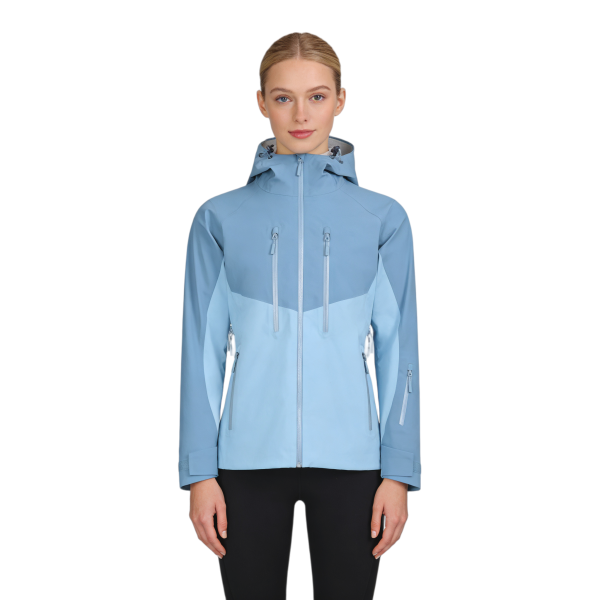
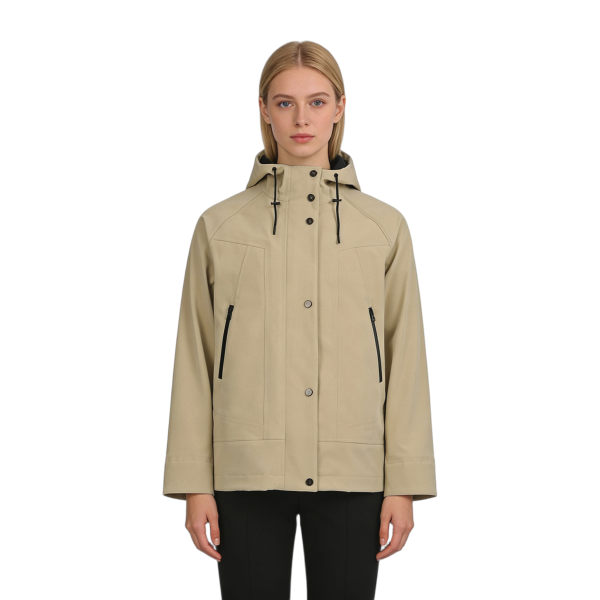
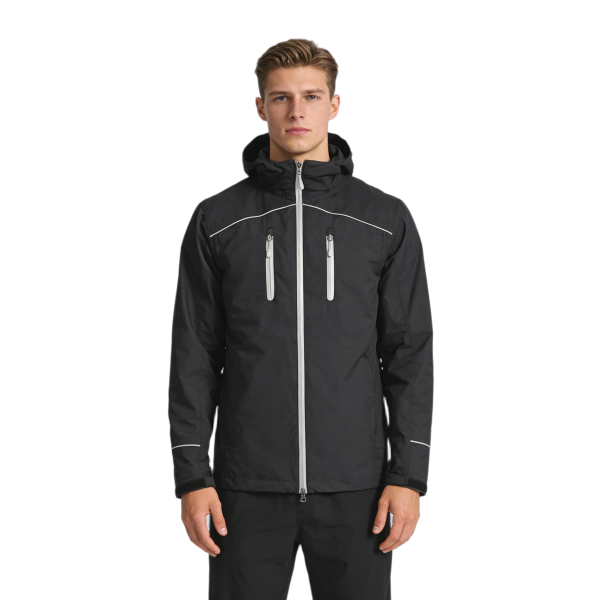
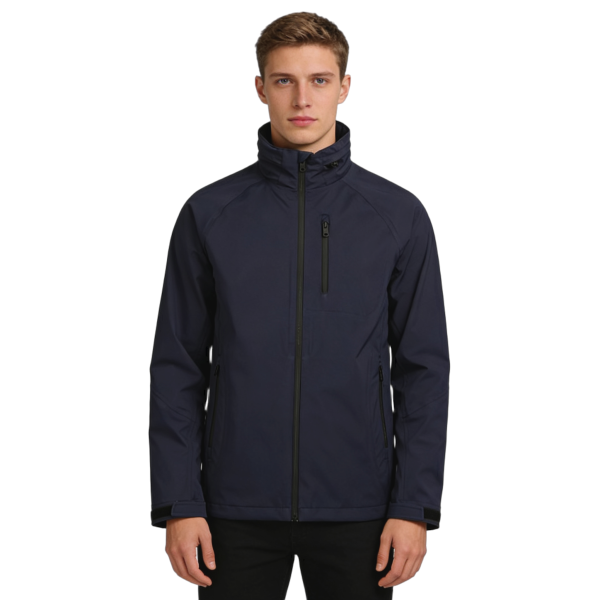
We're standing at a fascinating crossroads in the outdoor industry. The customers have moved on—they want gear that feels like air but shields like armor. If your supply chain is still built around the needle and the heavy tape strip, you are importing a 1990s solution into a 2026 problem. The shift to seamless bonding isn't a gimmick; it's a mechanical evolution that deletes the failure points you've been paying for. By partnering with UniOuter, you're not just buying capacity; you're accessing a manufacturing philosophy that solves the weight-durability paradox. You get a factory that opens its doors to your creativity with low minimums, rapid turnarounds, and a genuine desire to build your brand's reputation, not just stitch your logo on a generic jacket. So, ask yourself: are your margins better protected by hoping traditional tape doesn't peel, or by engineering the peel out of existence entirely? Visit our blog resource center for more industry insights, and let's build the next generation of ultralight gear, together.
Frequently Asked Questions
Absolutely. The concern is fair because we've all seen cheap glued shoes fall apart. However, our ultrasonic bonding process creates a polymer fusion that is tested to surpass the breaking strength of the surrounding face fabric. We conduct ASTM D751 grab tests, and our bonded seams consistently withstand over 20% more force than a sewn seam before the panel rips. You aren't weakening the jacket by removing the thread; you are actually creating a more uniform stress distribution. For the full technical breakdown, our manufacturing overview details every quality gate.
It's not just feasible; it's our specialty. The 300-piece MOQ was specifically designed to lower the barrier for innovative startups. You don't need a finalized tech pack. Just bring your concept, your logo, and your target performance specs, and our team will help translate that into a production-ready design, free of charge. We want your construction to be flawless so you succeed and reorder. This support is a cornerstone of our custom outdoor apparel philosophy.
Yes, and in fact, our bonding process gives you an advantage here. The recent wave of global legislation makes traditional DWRs and some tape adhesives a liability. We have a fully audited, compliant supply chain for PFAS-free face fabrics, membranes, and critically, zero-fluorine bonding films. Our guidance on this complex transition is very hands-on—we ensure your bulk production is fully compliant so your shipment doesn't get stuck at customs. Read our comprehensive guide on PFAS ban sourcing solutions to future-proof your brand.