Top Outdoor Clothing Color Trends for 2026: What's Hot in Hiking & Performance Apparel
For decades, the default palette for hiking jackets, performance shells, and outdoor apparel rotated through a predictable cycle of black, navy, gray, and olive — functional, safe, and interchangeable across brands. In 2026, color in outdoor clothing is no longer an afterthought — it is a competitive differentiator that directly impacts brand perception, consumer purchase decisions, and sell-through rates.
From ISPO and Outdoor Retailer to Instagram hiking influencers, outdoor apparel color is evolving faster than ever. Earth tones are becoming more nuanced. Bold accents are graduating from trim details to full-garment statements. And nature-inspired, mood-driven palettes are reshaping what consumers expect from hiking jackets, waterproof shells, and performance layers.
Browse customizable outdoor jackets in trending colors or learn about UniOuter's design approach. Explore more on our outdoor apparel blog.
Why Color Matters Now: The Outdoor Clothing Color Shift of 2026
The DTC and Social Media Effect
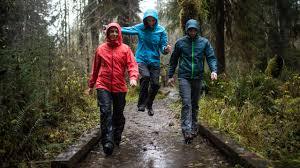
Direct-to-consumer outdoor clothing brands have reshaped expectations. When a hiking jacket is purchased through Instagram or TikTok rather than on a retail rack, visual impact becomes the primary decision driver. Colors that lead with distinctive, memorable palettes see higher engagement, click-through, and conversion on social channels. In a scroll-stop culture, color is the first thing a potential customer notices — before fabric specs or waterproof ratings.
Sustainability Narratives
The shift toward eco-conscious outdoor apparel has fundamentally changed how consumers perceive color. Earth tones, undyed fabrics, and plant-based dyes carry a sustainability story that resonates with modern outdoor consumers. A jacket in natural sage green or clay terracotta signals environmental awareness in a way that neon synthetics cannot — driving demand for more sophisticated, nature-referenced palettes.
Technical Innovation Enables Better Color
Advancements in solution-dyed fabrics, dope-dyed yarns, and PFAS-free DWR treatments have expanded the color possibilities for performance outdoor clothing without compromising technical properties. Colors once difficult to achieve on waterproof membranes or high-denier face fabrics are now technically feasible and commercially viable, giving designers a much broader canvas.
Regional Preferences in Global Markets
Outdoor clothing brands selling internationally must navigate distinct regional preferences. North America leans toward bold, statement-making colors. Europe favors refined, subdued tones. Asia-Pacific shows strong demand for technical brights and color-blocked designs. A one-size-fits-all color strategy no longer works for brands with global distribution across outdoor apparel markets.
What Is Driving Outdoor Apparel Color Trends in 2026
Pantone and Color Forecasting
Pantone's 2026 palettes emphasize grounded, restorative tones — colors inspired by soil, stone, water, and vegetation — with strategic injections of digital-age brights. For outdoor clothing brands, this translates into collections that feel simultaneously connected to nature and relevant to modern consumers seeking authenticity over artifice.
The Gorpcore and Outdoor Fashion Crossover
Functional outdoor clothing worn as everyday fashion continues to reshape the market. Fashion-forward consumers want hiking jackets and shells in colors that work on the trail and in urban settings, pushing brands toward versatile, understated palettes with thoughtful accent details that bridge performance and lifestyle.
Wellness and Mental Health Connection
Post-pandemic, consumers increasingly associate color with wellbeing. Calming blues and greens are marketed as mood-enhancing; warm earth tones as grounding and restorative. This psychological dimension is particularly relevant for outdoor clothing, where the brand promise is inherently tied to nature, escape, and mental refreshment through outdoor experiences.
Top 6 Color Families Dominating Outdoor Clothing in 2026
1. Deep Earth Neutrals
Earth tones continue their dominance, but 2026's neutrals are warmer and more nuanced. Warm taupe with pink undertones, sand with golden warmth, clay with reddish richness, and mushroom with organic texture. These colors excel on softshell jackets, insulated mid-layers, and hiking pants — conveying premium quality and natural authenticity. For outdoor clothing brands, earth neutrals are the safest investment with broad demographic appeal.
2. Nature Greens
Deep forest green appears on premium waterproof shells and mountaineering jackets, projecting capability. Sage green is the breakout star for casual outdoor layers and women's hiking apparel — soft, wearable, and photogenic in natural settings. Pine green bridges technical and lifestyle, while moss green brings vintage hiking aesthetic to the heritage outdoor movement.
3. Oceanic Blues
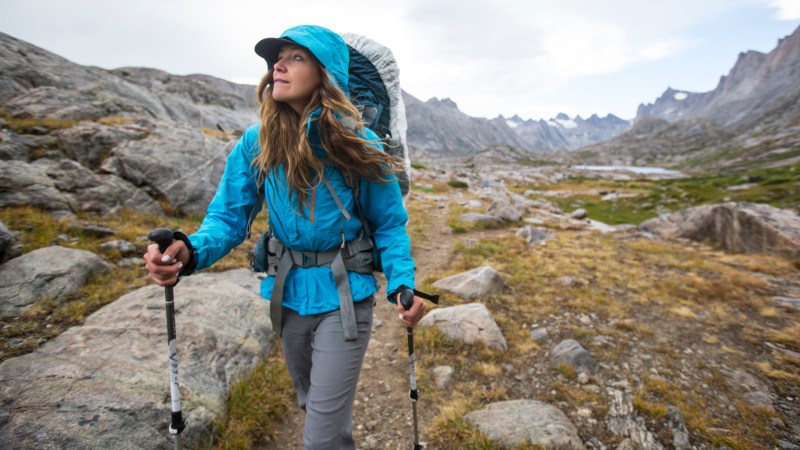
Blue remains the most commercially important color family. Deep navy is the new black for premium outdoor jackets. Storm blue — a moody, gray-influenced blue — is the most directional color in outdoor shells, appearing across brands from Arc'teryx to Patagonia. Glacier blue and ice blue offer lighter spring/summer alternatives, while teal provides bold-but-wearable options.
4. Sunset Warmth
The warm spectrum is making its strongest showing in outdoor clothing history. Desert-inspired terracotta and rust tones photograph beautifully against natural backdrops. Burnt orange is becoming a signature color for technical outdoor brands differentiating from the blue-black-olive default. Golden hour yellow is the statement color of the season for mid-layers.
5. Technical Brights
For performance-focused outdoor clothing — running jackets, cycling shells, alpine climbing gear — high-visibility brights remain essential. Electric blue has replaced royal blue as the dominant bright. Signal orange is the top choice for alpine and backcountry outdoor clothing where safety matters. Digital lavender bridges performance and lifestyle in an unexpected way.
6. The New Pastels
Perhaps the most surprising 2026 trend: muted pastels in technical apparel. Dusty rose and pale mint are showing up on women's hiking jackets and trail-running shells — colors unthinkable in performance outdoor clothing five years ago. These soft tones work because they are desaturated enough to feel grounded while offering a genuine alternative to the traditional color wheel. For women's outdoor clothing brands, this is the most significant color opportunity of 2026.
Seasonal Color Breakdown: Spring/Summer vs Fall/Winter 2026 Palettes
| Season | Dominant Colors | Statement Accent | Best For |
|---|---|---|---|
| Spring / Summer 2026 | Sage Green, Glacier Blue, Pale Mint, Soft Coral, Golden Hour Yellow | Golden Hour Yellow | Lightweight shells, trail-running apparel, hiking shirts, women's outdoor layers |
| Fall / Winter 2026 | Deep Forest Green, Storm Blue, Warm Taupe, Burnt Orange, Deep Navy | Burnt Orange | Waterproof jackets, insulated mid-layers, softshell pants, fleece layers |
| Year-Round Core | Deep Navy, Dark Olive, Black (60-70% of production) | Seasonal rotation | Every product category — these are the consistent best-sellers across all outdoor clothing lines |
How to Choose the Right Color Strategy for Your Outdoor Clothing Brand
Know Your End Consumer — and Where They Shop
DTC and social-commerce brands need scroll-stopping, memorable colors that stand out in a feed. Brands in traditional retail need colors that look compelling on a rack but also work within the broader visual context of a store. B2B and OEM brands need palettes that are commercially safe for their clients while demonstrating trend awareness.
Build a Cohesive Palette, Not Individual Colors
The most successful outdoor clothing brands think in palettes. A well-designed palette has a clear hierarchy: dominant core colors that anchor the line, supporting secondary colors that add variety, and accent colors that create visual excitement. Colors within a palette should feel related through shared undertones or intentional contrast — not a random assortment.
Test Colors in Actual Outdoor Environments
Outdoor clothing is photographed and worn against natural backdrops. The best outdoor clothing brands test their colors on mountain trails, against rock faces, and in forest settings. Colors that pop against natural backgrounds photograph better, perform better on social media, and ultimately sell better than those that blend in or wash out.
Plan for Color Longevity — Not Just Trends
Chasing every seasonal color trend is expensive and dilutes brand identity. The smartest brands identify which trend colors align with their DNA and invest for multiple seasons. A trend color that fits your brand can become a signature — think Patagonia's earth tones or Arc'teryx's technical brights. Colors misaligned with your identity should be skipped entirely.
Color Meets Performance: Technical Considerations for Outdoor Apparel
Fabric Type Affects Color Appearance
Not all outdoor clothing fabrics take color the same way. Nylon face fabrics — common on waterproof hiking jackets — produce brighter, more saturated colors than polyester, which yields softer, matte tones. Softshell textures mute intensity while smooth ripstop nylons amplify it. Always test colors on the actual fabrics planned for production.
Colorfastness and UV Resistance
Outdoor clothing faces harsher conditions than fashion apparel — intense UV exposure, repeated washing, abrasion. Bright and saturated colors are more susceptible to UV fading than earth tones and neutrals. Premium brands invest in solution-dyed fabrics where color is integrated into the yarn. Specify minimum Grade 4 colorfastness on the AATCC scale for UV resistance.
PFAS-Free DWR and Color Compatibility
The industry-wide shift away from PFAS-based durable water repellent treatments has color implications. Some PFAS-free DWR formulations can slightly alter the appearance of dark blues and blacks. Outdoor clothing brands should test color and DWR compatibility early in development. Read our PFAS-free outdoor clothing guide for more details.
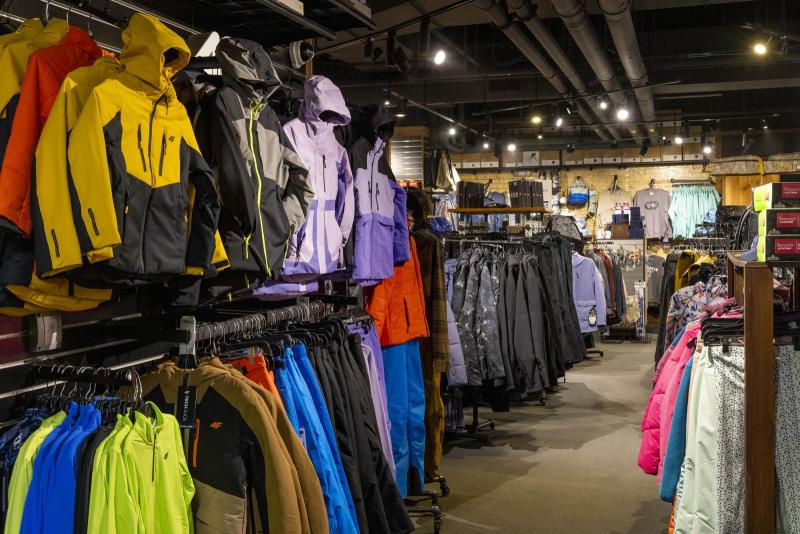
Shop Outdoor Jackets in Trending 2026 Colors
Looking to stock outdoor clothing in the season's most sought-after colors? These customizable jackets combine 2026's trending palettes with professional-grade waterproofing, breathability, and ergonomic design. From deep forest green to storm blue and warm terracotta, each style can be customized to match your brand's color strategy. Browse all customizable outdoor jackets or contact us to discuss your color and manufacturing requirements.
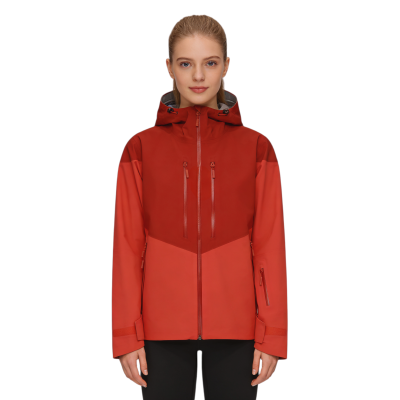
Model HLL303
Custom Women's Waterproof Mountain Climbing JacketBreathable and Comfortable
View Details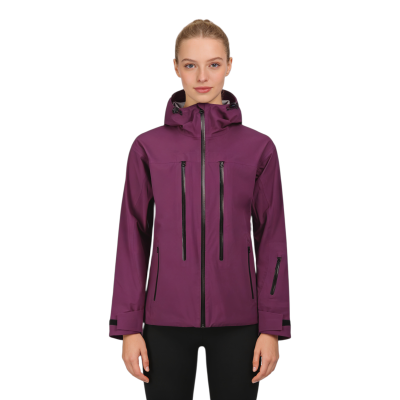
Model HLL313
Custom Women's Waterproof Hiking JacketBreathable and Comfortable, Adjustable Hat
View Details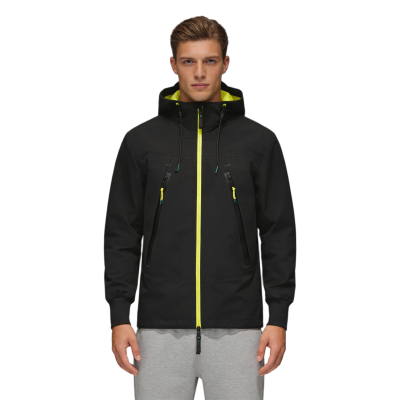
Model HLL311
Custom Hiking Windproof JacketAdjustable Hat, Waterproof Zipper, Elastic Cuffs
View Details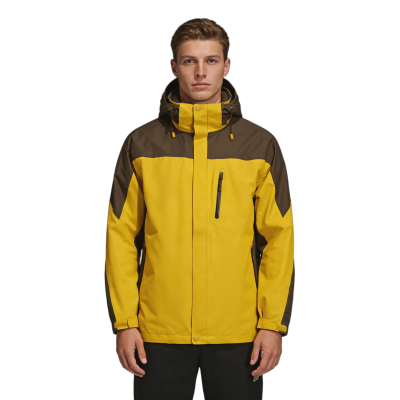
Model HLL308
Custom Windproof Mountain Climbing CoatWaterproof, Elastic Cuffs, Detachable Hat
View DetailsFrequently Asked Questions About Outdoor Clothing Color Trends
What are the top outdoor jacket colors for 2026?
The strongest colors are deep forest green, storm blue, warm taupe, burnt orange, and deep navy — covering the spectrum from safe core colors to brand-differentiating statements. For women's outdoor jackets specifically, sage green and dusty rose are gaining significant traction this season.
How often should outdoor clothing brands update their color palette?
Most successful brands update colors twice per year — spring/summer and fall/winter. Core colors (deep navy, black, dark olive) should remain consistent across seasons. Seasonal trend colors should rotate with 2-3 new introductions each season while retiring underperforming ones.
Do bright colors affect the durability of outdoor clothing?
Bright and saturated colors can be more susceptible to UV fading over time, particularly on nylon face fabrics. However, modern dyeing technologies — especially solution-dyeing — significantly improve colorfastness. Quality manufacturers should provide colorfastness test results for every color in their range.
Are earth tones still trending for outdoor apparel in 2026?
Yes — earth tones have become a permanent category in outdoor clothing, not just a trend. Warm taupe, clay terracotta, and mushroom gray lead the 2026 earth palette. Unlike some trend colors that come and go, earth tones have proven staying power because they align with sustainability narratives and photograph beautifully in nature.
What colors work best for outdoor clothing sold on social media?
Warm tones — terracotta, burnt orange, golden hour yellow — pop against the green and blue backdrops common in outdoor photography. Bright but not fluorescent colors photograph better than muted tones. Unique, recognizable colors help build brand association — when consumers see a specific shade and immediately think of your brand, your color strategy is working.
Conclusion: Building an Outdoor Clothing Color Strategy for 2026 and Beyond
The outdoor clothing color landscape in 2026 is richer, more nuanced, and more strategically important than ever before. Color is no longer a seasonal afterthought — it is a core element of brand identity, a driver of consumer engagement, and a factor that directly impacts commercial performance.
For outdoor clothing brands, the path forward is clear: anchor your line in proven core colors that deliver consistent sell-through, invest in 3-4 seasonal trend colors that align with your brand identity and target consumer, and test everything in the environments and on the platforms where your customers will encounter your products.
The brands that will win in 2026 are not the ones chasing every Pantone prediction. They are the ones building intentional, brand-aligned color palettes that feel fresh without feeling trendy, distinctive without feeling gimmicky, and grounded in the natural world that outdoor clothing is ultimately designed to explore. Explore our customizable outdoor jackets in trending 2026 colors, or contact UniOuter to discuss your brand's color and manufacturing needs. Browse more on our outdoor apparel blog.