Top 10 Luxury Outdoor Sports Brands in the World
The global luxury outdoor market was estimated at over USD 7.4 billion in 2025 and continues to grow as heritage brands and new technical-luxury houses chase the same customer. Understanding who those brands are, and how they position themselves, helps importers and brand owners decide where their own collection fits in the premium tier.
At UniOuter, we work with private-label clients who compete directly with the names below. This guide maps the ten luxury outdoor brands every importer should know before building a premium outdoor line. For a grounding in technical sourcing, start with our OEM/ODM custom outdoor clothing capability page.
Why these luxury outdoor brands matter to importers
Whether you are building a premium private label, sourcing white-label outdoor apparel, or simply benchmarking quality, the ten brands below define what "luxury outdoor" actually means in 2026. They set the reference price band, the technical expectation, and the retail narrative that smaller brands have to either match, undercut, or differentiate against.
Most of them did not start outdoor. They moved from alpine heritage, sailing, equestrian, or performance ski into broader outdoor lifestyle. That crossover is now the rule rather than the exception, and it tells importers what kind of brand story the premium customer is willing to buy in 2026.
The ten luxury outdoor brands importers benchmark against
The following list was assembled from public 2024 and 2025 retail catalogues, brand websites, and trade-press coverage. Each entry captures a different positioning lane, so importers can match their own program against a real-world benchmark.
| Brand | Origin | Core lane | Price band (USD) |
|---|---|---|---|
| Canada Goose | Canada | Down parkas / Arctic | 900–1,800 |
| Moncler | France / Italy | Luxury down / alpine | 1,200–4,500 |
| Arc’teryx | Canada | Technical shells / climbing | 400–1,100 |
| The North Face (Black Series) | USA | Premium technical streetwear | 300–800 |
| Patagonia | USA | Sustainable outdoor | 150–500 |
| Mammut | Switzerland | Mountaineering / safety | 250–700 |
| Norrøna | Norway | Premium ski / technical shells | 400–1,200 |
| Houdini | Sweden | Minimalist / sustainable shell | 200–600 |
| Helly Hansen (Apex) | Norway | Sailing / harsh weather | 300–900 |
| Icebreaker | New Zealand | Merino base layers | 80–350 |
Importer takeaway: The premium tier does not have a single price. It has at least four: sub-$300 lifestyle, $300–$700 technical, $700–$1,500 premium shells, and $1,500+ luxury heritage. Picking one lane and sticking to it beats trying to cover the whole range.
How importers compete with these luxury outdoor brands
Direct competition on brand alone is a losing game for a private label. The practical angle is competing on technical construction, fabric mills, and lead times while keeping the price band 30 to 50 percent below the names above.
Three patterns work in 2026: working with the same fabric suppliers the premium houses source from, building a transparent story around sustainability and PFAS compliance, and shortening sampling and bulk production cycles so importers can react to capsule drops rather than year-out lead times.
- 1Fabric parity. Use the same Toray, Pertex, or Polartec membranes the premium brands specify. Quality is felt through fabric long before logo or trim.
- 2Transparent compliance. PFAS-free, bluesign, and recycled-content certifications are table stakes for the European premium customer.
- 3Short capsules, not year-round. Premium brands sell 4 to 6 capsules per year. A 12-week sample-to-ship cycle lets a private label do the same.
- 4Retail-ready packaging. Recycled mailers, recycled hangers, and fold-flat cartons separate a premium program from a generic one at the unboxing moment.
- 5Lead time matters as much as fit. A premium customer will forgive a small fabric variation if the order arrives on the right launch date.
When private-label luxury beats buying off-shelf
Off-shelf luxury is expensive and rigid. A 50 to 200 piece custom run through an experienced OEM factory delivers brand-controlled design at a fraction of the per-unit cost, and it lets the importer keep margin control without competing on a heritage brand name.
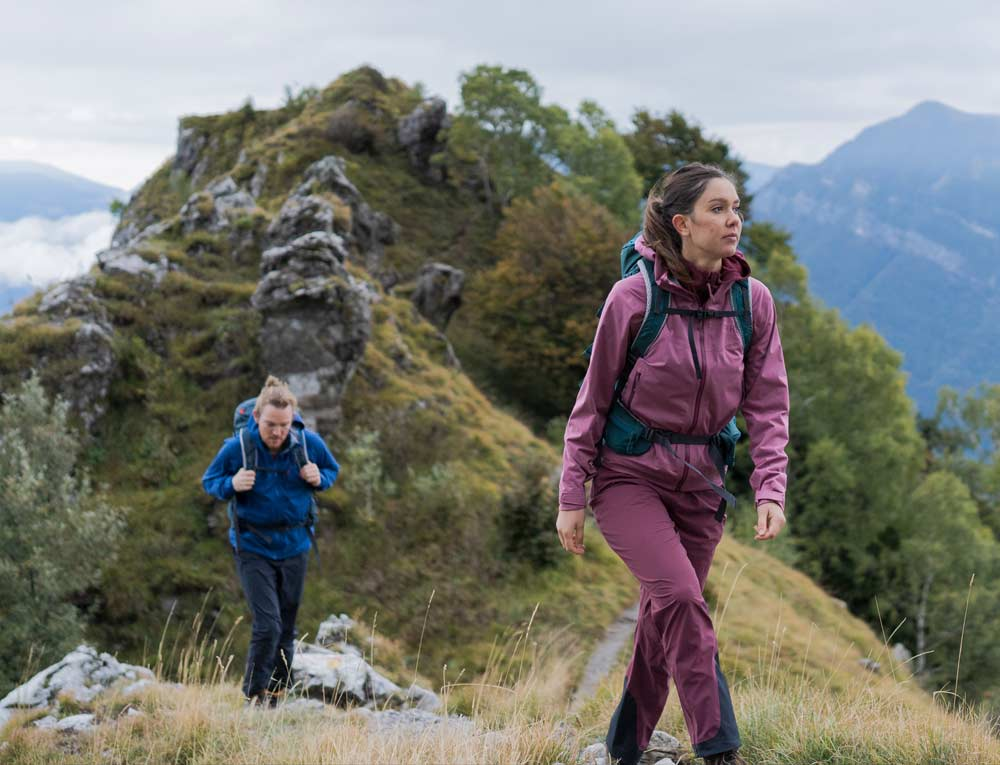
Shop Premium Outdoor Apparel
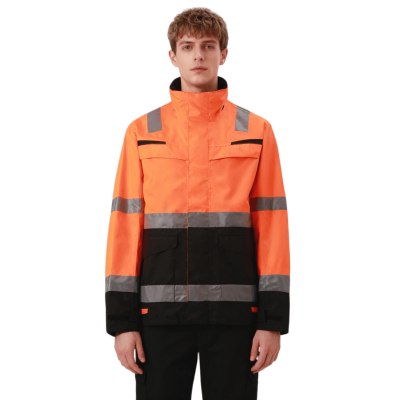
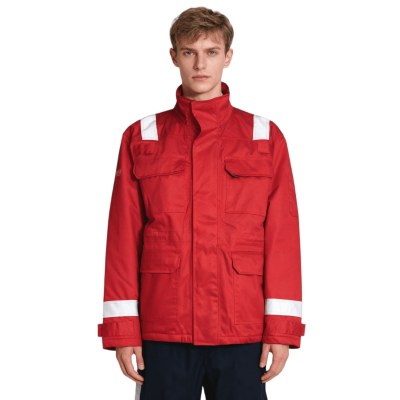
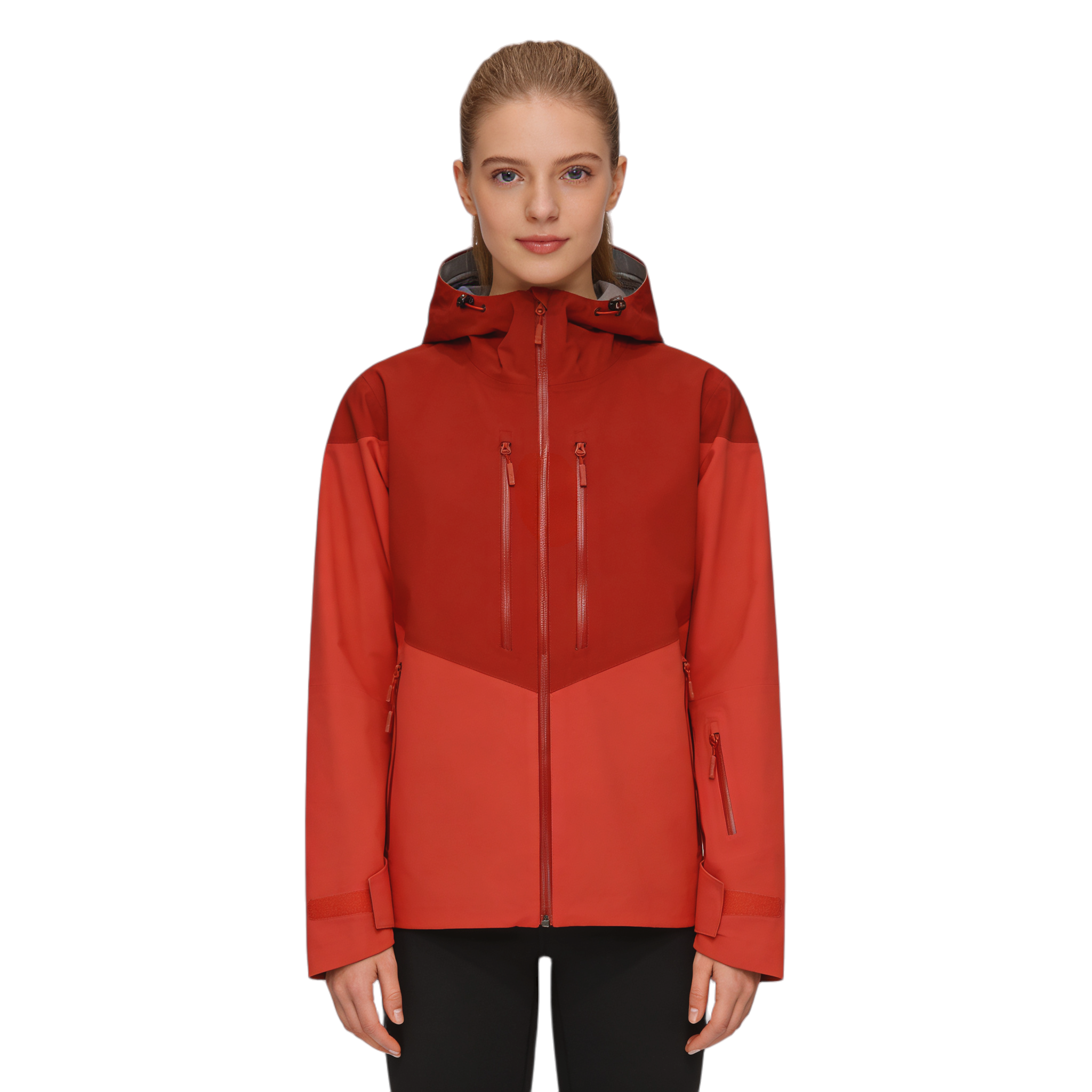
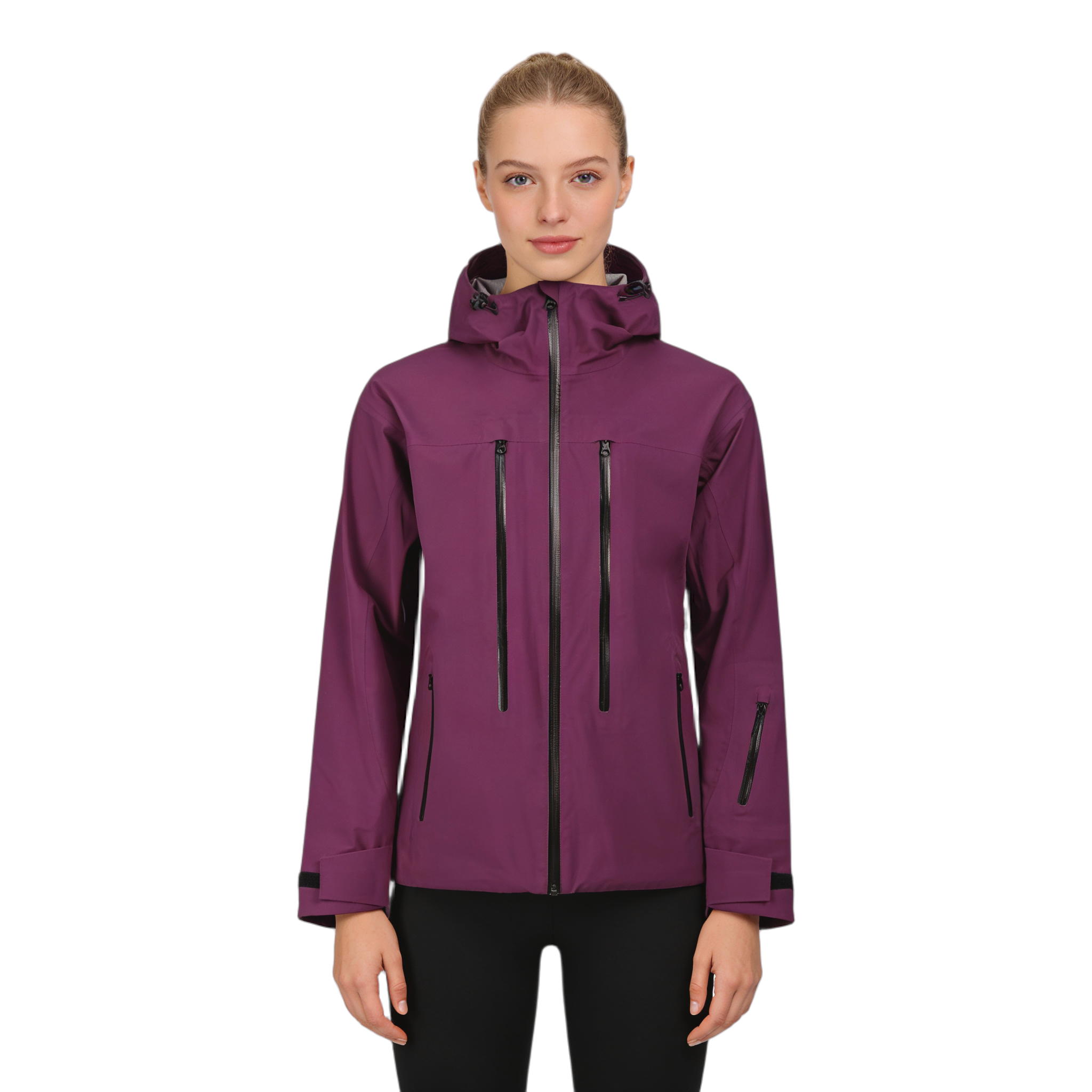
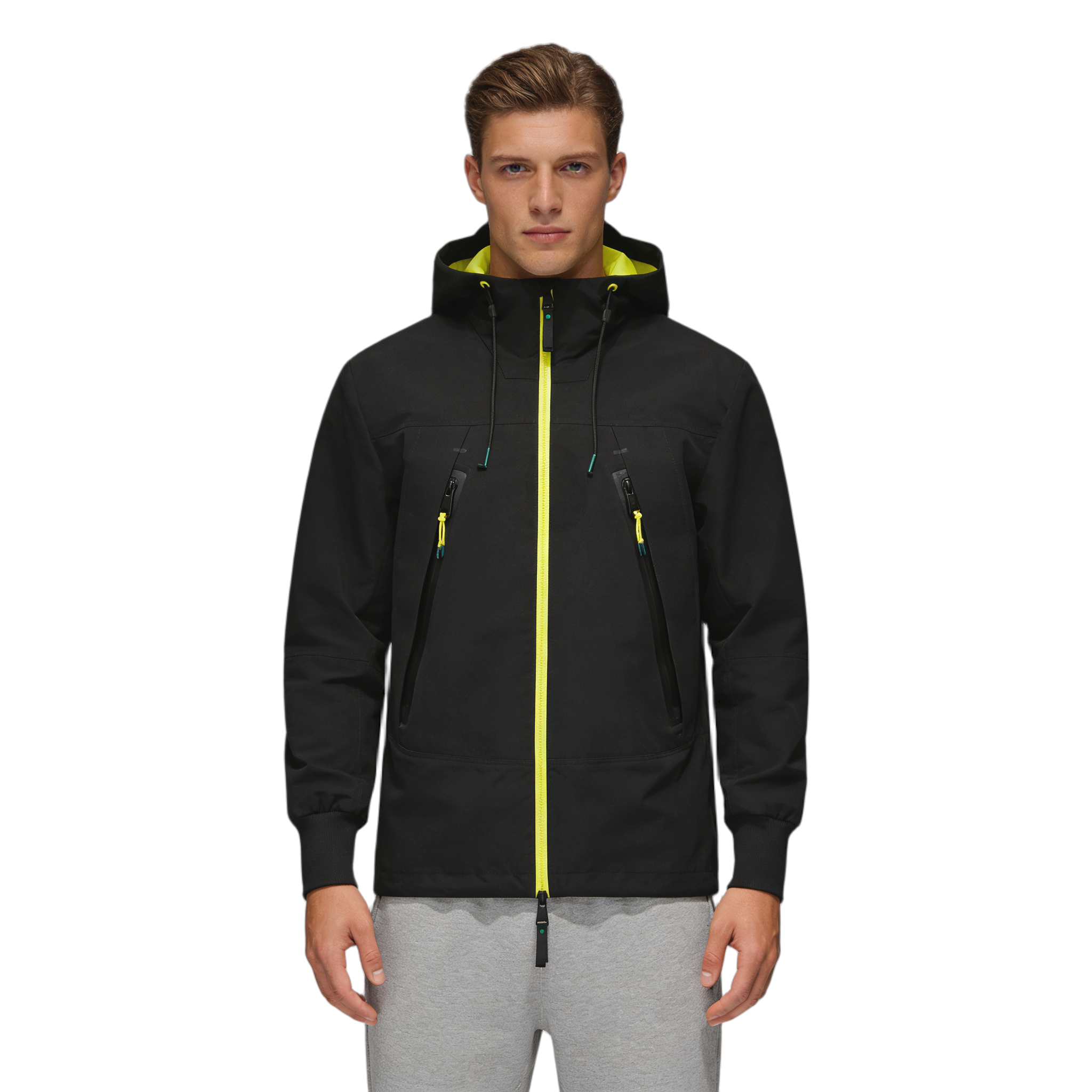
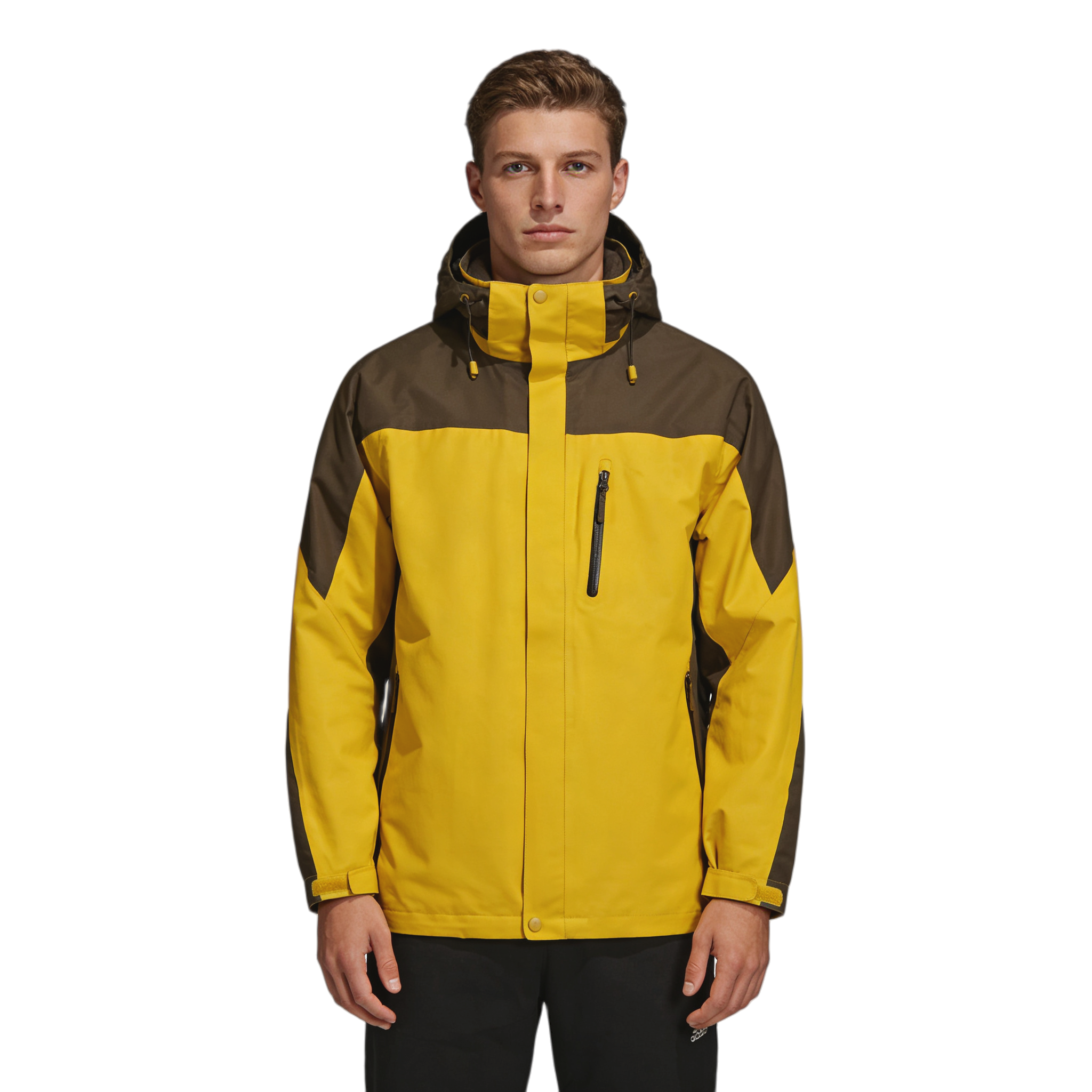
These four styles sit inside our custom hiking clothes and mountaineering apparel programme, where membranes, insulation and trims are specified market by market.
Frequently Asked Questions
Any brand whose core line retails above roughly USD 300 per piece, uses premium technical materials, and sells through specialty or department store rather than mass market. The exact cutoff shifts by category.
Yes, on value. A custom OEM run through an experienced Chinese factory typically delivers comparable construction at 30 to 50 percent below the reference retail price, especially once capsule quantities are factored in.
Most premium shells specify Pertex, Toray, Polartec, or proprietary 3-layer membranes. For insulation, RDS-certified down and PrimaLoft are most common. For base layers, merino and recycled synthetics dominate.
We align fabric selection, sample rounds, and lead times with the price band the brand is targeting. We also manage PFAS, bluesign, and recycled-content documentation when Europe or California is the destination market.
A private label does not need to become Arc’teryx to compete in the premium outdoor tier. It needs to pick a lane, match the fabrics, fix the lead time, and tell a transparent story. That is the work we do every day at UniOuter. When you are ready to compare fabric options and timeline side by side, our OEM/ODM capability page is the easiest place to start.