The EU Digital Product Passport for Outdoor Apparel: What Brands Must Prepare Before 2027
The Digital Product Passport is the first EU rule that turns supply-chain data into a market-access condition. For outdoor apparel brands it is not a labelling exercise; it is an infrastructure project, and the working timeline is shorter than most sourcing calendars assume.
This guide explains what the passport covers, when it binds, which data fields the textile rules are likely to require, and how brands and their manufacturers should prepare now. At UniOuter we build waterproof, insulated and technical outdoor garments for brands across Europe and North America, so the preparation steps below are written from the factory side of the table. If you are still mapping your upstream suppliers, start with our clothing purchasing guide.
What the Digital Product Passport Actually Is
A Digital Product Passport (DPP) is a structured digital record attached to a product and reached through a data carrier such as a QR code, NFC tag or printed digital link. It holds verifiable information about what the product is made of, where it came from, how it was treated chemically, and how it should be repaired or recycled. It is created under the Ecodesign for Sustainable Products Regulation, Regulation (EU) 2024/1781, known as ESPR, which entered into force in July 2024 and named textiles and apparel as its first priority product group.
The important distinction is that a passport is not a marketing badge. It is a legal record with a unique product identifier, and the EU registry is designed to connect to customs. A shipment without a valid, registered passport can be stopped at the border once the textile rules apply. The carrier technology is already standardised: GS1 Digital Link is one of the reference formats for linking a physical product to its digital record.
The 2027 Timeline, Mapped
The framework is in force, but the textile-specific requirements arrive in stages. The dates below are the ones worth putting in a procurement calendar, because each one triggers a different piece of work.
| Milestone | Date | What It Means for You |
|---|---|---|
| ESPR framework in force | July 2024 | Framework adopted; textiles named the number-one priority product group |
| EU DPP registry opened | February 2027 | Technical infrastructure for issuing product identifiers is live |
| Textile delegated act expected | Around late 2027 | The exact passport data fields and product scope for apparel are fixed |
| Mandatory DPP for clothing | Roughly 18 months later (from around 2028-2029) | Passport becomes a condition of selling apparel into the EU |
| EU textile EPR schemes | Member states set up by April 2028 | Producer fees scale with durability, circularity and waste prevention |
The planning trap. The delegated act fixes the rules, but the data behind a passport takes years to assemble. Brands that begin collecting mill declarations and chemical records in 2026-2027 will be able to issue passports as soon as the rules land. Brands that start when the rules land will be collecting data under delivery pressure.
The Data a Textile Passport Will Demand
No binding field list exists yet, but the ESPR annex and the working documents point to four clusters of information. Treat these as the data model to build against.
Two of these clusters already have mature third-party systems behind them. Chemical data can be anchored to OEKO-TEX STANDARD 100 test reports, while recycled content can be evidenced through the GRS chain-of-custody system run by Textile Exchange. Building on existing certification is far cheaper than inventing a parallel data stream.

Why It Hits Non-EU Brands Just as Hard
The obligation falls on whoever places the product on the EU market, not on where the company is headquartered. A brand based in the United States, the United Kingdom or Asia that sells apparel into the EU carries exactly the same passport duties as an EU retailer, and the ESPR explicitly covers manufacturers, importers, authorised representatives and online marketplaces.
In practice this pushes the data requirement up the chain. Your EU buyer needs passport data to keep selling, so they will ask you, the manufacturer, for fibre origin, chemistry and recycled content. The EU Access2Markets helpdesk is the practical reference for import requirements, and the wider policy direction is set out in the EU Strategy for Sustainable and Circular Textiles. Suppliers who can answer these questions become easier to buy from; suppliers who cannot become a project.

Six Preparation Steps That Pay Off

What Waiting Costs You
Data cannot be backfilled cheaply
Dyehouse chemical records and mill declarations for past seasons often no longer exist. Work done now is optional; the same work in 2028 is a crisis with a deadline.
Unstructured suppliers become liabilities
A fabric mill that cannot produce a fibre-origin declaration quietly removes your ability to sell that style into the EU.
Border risk is real
Once the registry links to customs, a missing passport is a shipment-level problem, not a paperwork note.
You lose tenders you never see
Institutional and large retail buyers are already adding traceability questions to sourcing scorecards. Brands without answers are filtered out before pricing is discussed.
Where UniOuter Fits
We manufacture waterproof shells, insulated jackets and technical outdoor garments, and we already hold the document set a passport needs: fabric composition sheets, mill declarations, OEKO-TEX and GRS documentation where applicable, and batch-level test reports. We can also produce care and content labels that carry a QR or digital link, so the physical carrier is built into the garment rather than added later. Our quality and consistency programme explains how records are filed per style and per order, and the same filing structure is what makes passport issuance routine.
If your brand is planning 2027 ranges and wants a manufacturer who can supply traceability data alongside the garment, send us your specification through our inquiry page and we will map the data fields we can already cover.
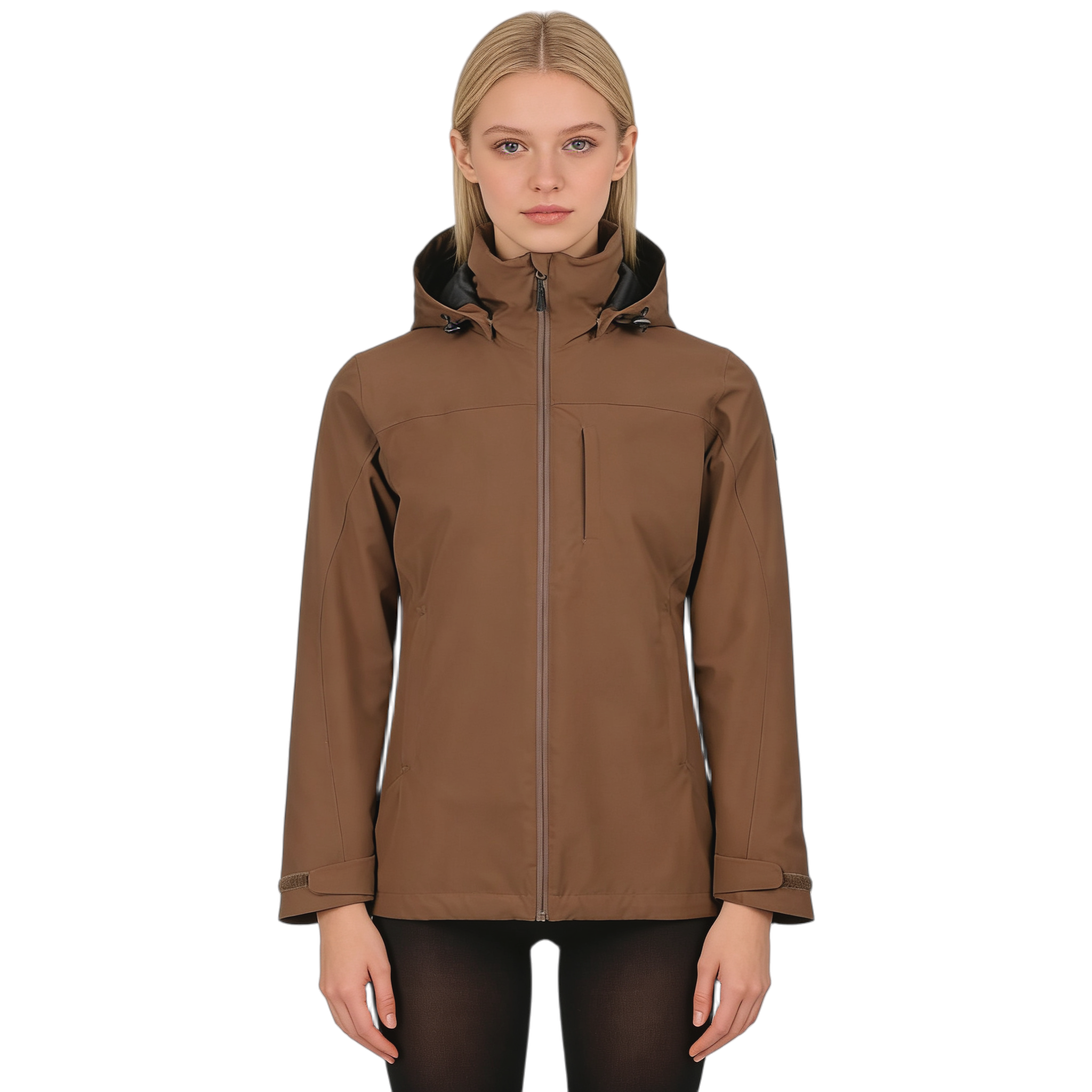
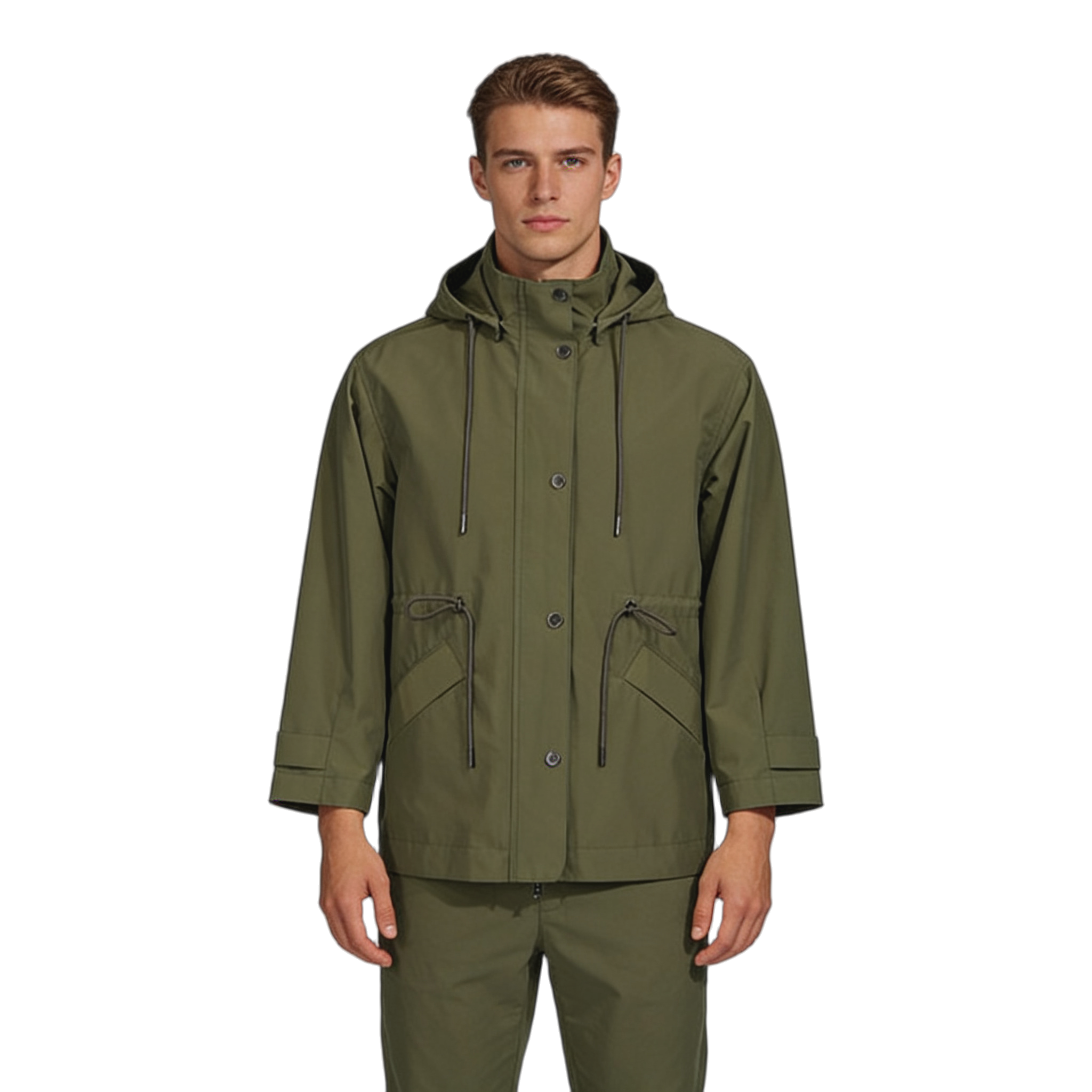
Shop Technical Outdoor Apparel
Frequently Asked Questions
There is no confirmed date yet. The textile delegated act that defines the requirements is expected around late 2027, and because obligations typically apply about 18 months after a delegated act is adopted, mandatory compliance for apparel is realistically expected from 2028 or 2029. The data preparation window is open now.
Yes. ESPR applies to any company placing apparel or footwear on the EU market, regardless of where the brand is based or how large it is. The duty sits with the economic operator placing the product on the market, which is usually the EU buyer, and that buyer will pass the data requirement back to the manufacturer.
Fibre composition with recycled percentages, country of origin for fibre, yarn and fabric, chemical compliance including PFAS status, and durability and care information. Anchor chemical data to test reports and recycled content to transaction certificates so the records are verifiable, not just declarative.
The legal obligation sits with the operator placing the product on the market, but the underlying data is generated at the manufacturing and mill level. A manufacturer that files composition sheets, mill declarations and batch test reports per style makes it straightforward for your brand to compile the passport record.