The 6 Best Skiwear Fabrics
Preface
In this guide, we’re breaking down the 6 best skiwear fabrics, why they matter, and how the right material choices can make or break a ski jacket or pant line. Whether you’re a skier, a snowboarder, or a brand planning your next collection, this article is designed to answer the real questions people actually Google—and then go a step further.
Why Skiwear Fabric Choice Matters More Than You Think
Here’s the problem most skiers face: they buy skiwear based on insulation weight or waterproof ratings alone, then wonder why they’re either sweating like crazy or freezing on the lift. Fabric selection is not a single-number game—it’s a system.
According to outdoor industry material benchmarks, a skier can generate 400–600 grams of sweat per hour during moderate downhill activity. If that moisture can’t escape, it condenses, cools, and suddenly your “warm” jacket feels icy. That’s why modern skiwear fabrics are judged on three core metrics:
Waterproofness (measured in mm, typically 10,000–30,000mm)
Breathability (measured in g/m²/24h, usually 8,000–25,000)
Durability (denier, weave density, abrasion resistance)
At UniOuter, we see many brands struggle because they optimize for just one metric. Our role as an experienced outdoor apparel manufacturer is helping brands balance all three, based on real-world use—not marketing buzzwords.
The 6 Best Skiwear Fabrics Explained
Gore-Tex® and ePTFE Membranes
Gore-Tex® is often treated like the gold standard—and for good reason. Its core technology, expanded polytetrafluoroethylene (ePTFE), contains over 9 billion microscopic pores per square inch. These pores are small enough to block liquid water but large enough to allow water vapor to escape.
Typical performance data:
Waterproof rating: 28,000mm+
Breathability: 15,000–25,000 g/m²/24h
Lifespan: 5–10 seasons with proper care
The downside? Cost and licensing. For emerging brands or price-sensitive markets, Gore-Tex® can push retail pricing beyond reach. That’s why UniOuter often helps clients evaluate alternative ePTFE-based membranes that achieve 85–90% of the performance at significantly lower production cost.
Dermizax™ and Advanced PU Membranes
High-end polyurethane membranes like Dermizax™ offer a smart balance between performance and flexibility. Unlike microporous membranes, these are hydrophilic, meaning they transport moisture via molecular diffusion rather than pores.
Why does that matter? Flexibility and quietness. PU membranes stretch better, making them ideal for freestyle skiing and snowboarding.
Performance benchmarks:
Waterproof rating: 20,000–30,000mm
Breathability: 10,000–20,000 g/m²/24h
Stretch recovery: up to 200% elongation
UniOuter frequently integrates PU membrane systems for brands focused on park riders, urban skiwear, and commuter-inspired winter jackets—especially when aesthetics matter as much as function.
Softshell Fabrics
Softshell fabrics are like the multitool of skiwear. They typically combine a woven nylon or polyester face with a light fleece or brushed backing—often without a membrane.
Softshell is ideal when:
Conditions are cold but dry
High mobility is required
Breathability outweighs absolute waterproofing
Typical specs:
Waterproof: 5,000–10,000mm (or DWR only)
Breathability: 20,000+ g/m²/24h
Stretch: mechanical or 4-way stretch
For brands building hybrid ski collections, UniOuter often recommends softshell panels in high-mobility zones like knees, underarms, and back yokes.
Nylon (Cordura® & High-Denier Nylon)
Nylon is the backbone of durable skiwear. Cordura® nylon, in particular, offers up to 2–3x the abrasion resistance of standard polyester at similar weights.
Common use areas:
Seat panels
Inner cuffs
Boot gaiters
Shoulder reinforcement
Denier ranges:
Lightweight shells: 40D–70D
Resort skiing: 100D–150D
Backcountry & pro use: 200D+
At UniOuter, we engineer fabric maps—strategically placing high-denier nylon only where needed—so brands don’t overbuild and overspend.
Polyester Performance Fabrics
Polyester often gets unfairly labeled as “cheap,” but modern performance polyester tells a different story. It’s more UV-resistant than nylon and holds color exceptionally well—ideal for camo and printed skiwear.
Key advantages:
Better colorfastness for digital camo prints
Lower moisture absorption than nylon
10–15% cost savings in large-scale production
This is why many ski brands choose polyester shells for style-driven collections, especially when paired with high-quality membranes supplied through UniOuter’s OEM network.
Merino Wool & Hybrid Linings
While not used as outer shells, merino wool deserves a place on this list because lining fabric is half the comfort equation.
Merino benefits:
Natural thermoregulation
Odor resistance (up to 72 hours of wear)
Retains warmth when damp
Hybrid linings—combining merino, polyester mesh, and brushed tricot—are increasingly popular in premium skiwear. UniOuter helps brands customize lining zones based on sweat mapping data.

Common Problems Skiers Face—and How Fabric Solves Them
Let’s be honest. Most complaints about skiwear come down to three things:
“I’m soaked but it’s not snowing.” → Breathability failure
“It’s heavy and stiff.” → Overbuilt fabric selection
“It wore out in one season.” → Wrong fiber choice
By matching fabric systems to skiing style—resort, backcountry, park, or urban—these issues disappear. This is exactly where UniOuter steps in: translating end-user pain points into material solutions, not just product specs.
That’s why UniOuter offers fabric customization, helping clients match material specs to product goals across categories like:
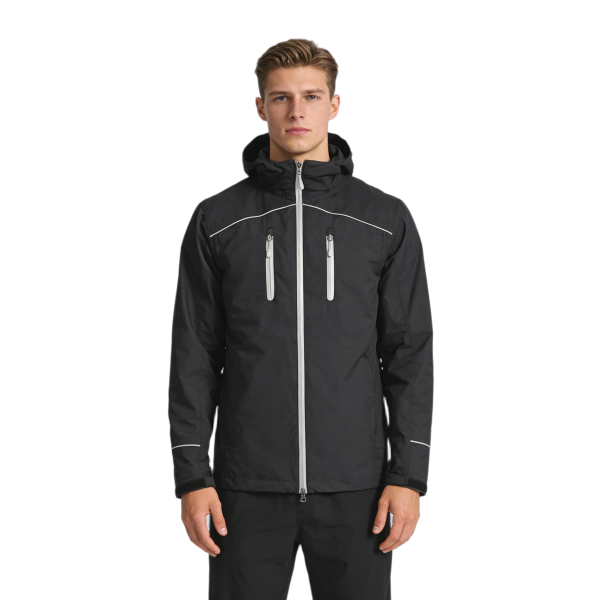
Abrasion-Resistant Windproof Mountaineering Jacket – Excellent Waterproof Protection, OEM Supported.
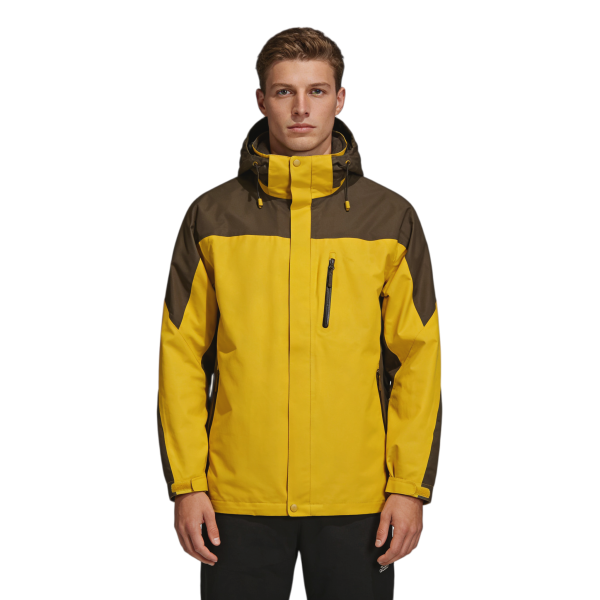
Windproof mountain coat, waterproof fabric, elastic cuffs, detachable hat, tailored fit, ideal for outdoor adventures.
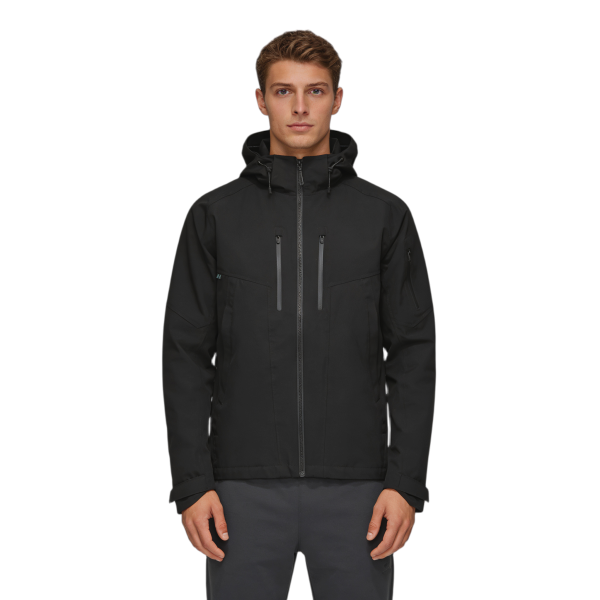
Breathable, Durable Commuter Jacket – All-Day Comfort and Customization for Bulk Orders.
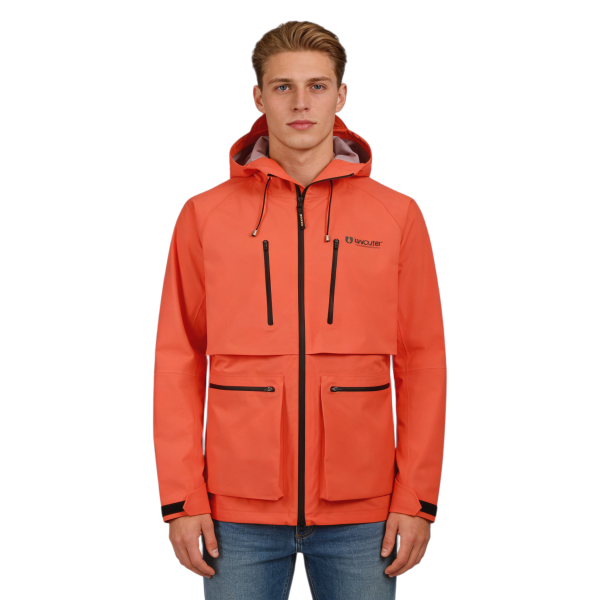
Orange waterproof parka with high-performance fabric, adjustable hat, and waterproof pockets for outdoor adventures.
How UniOuter Helps Brands Build High-Performance Skiwear
With over 20 years of outdoor apparel manufacturing experience, UniOuter works with brands across Europe and North America to develop skiwear that performs in real conditions.
What we offer:
Fabric sourcing from 30+ certified mills
OEM/ODM customization via our Outdoor Uniform Customization Service
Prototyping in 7–10 days, bulk production in 30–50 days
Fabric testing aligned with ISO and AATCC standards
Whether you’re building ski jackets, snowboard pants, or crossover urban winterwear, our team helps you choose fabrics that make sense—technically and commercially.
Learn more about our manufacturing approach on our About Us page, or explore our custom outdoor clothing solutions for brand-specific development.
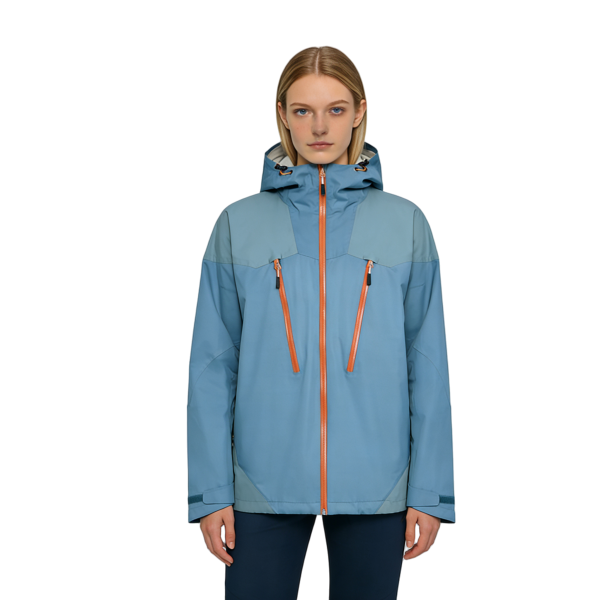
Women's rainproof hiking jacket, waterproof fabric, adjustable design, tailored fit, perfect for hiking adventures.
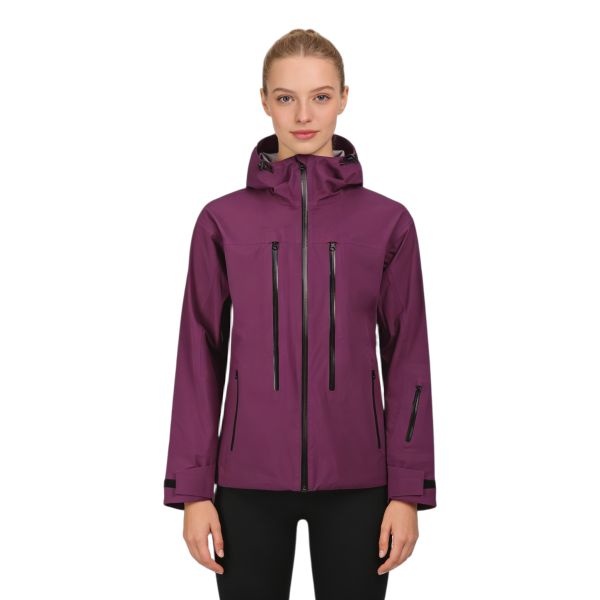
Women's waterproof hiking jacket, blends function and fashion , supports OEM customization, ideal for outdoor enthusiasts.
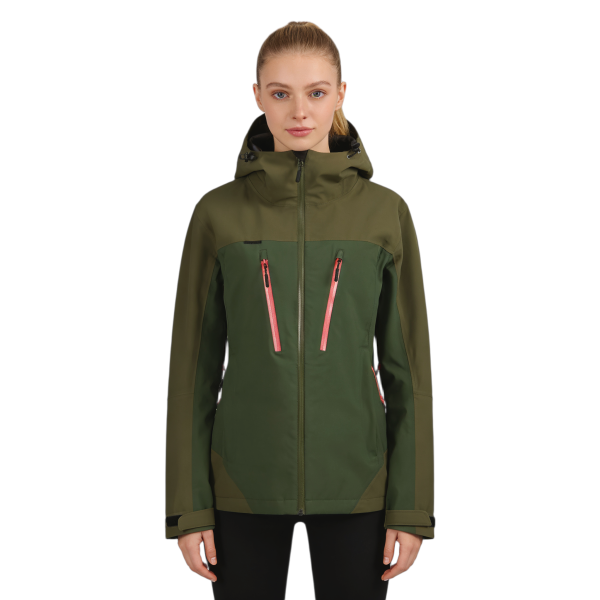
Women's slim-fit hiking jacket, waterproof and windproof, adjustable hat, slim-fit tailoring, highlights female charm.
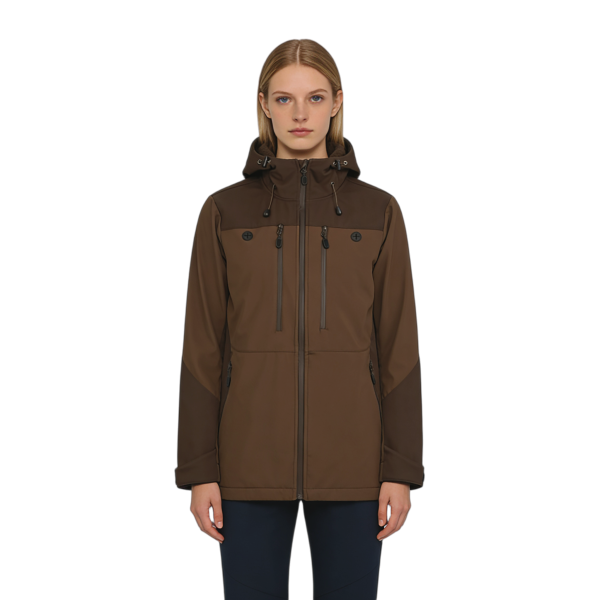
Windproof mountain coat with high-performance fabric, hooded design, Velcro closure, ideal for high-altitude adventures.
Conclusion
Great skiwear isn’t accidental. It’s engineered—layer by layer, fiber by fiber. By understanding these six fabric categories, you’re already ahead of most buyers and even some brands. The next step is execution, and that’s where experience matters.
If you want skiwear that performs on the mountain and sells in the market, fabric choice isn’t optional—it’s everything.
FAQs
1. What is the best fabric for extreme cold skiing?
A layered system using a high-waterproof membrane shell with merino or insulated linings works best for extreme cold.
2. Is polyester or nylon better for ski jackets?
Nylon is more abrasion-resistant, while polyester offers better color retention. The best choice depends on use case.
3. Can UniOuter help develop custom skiwear fabrics?
Yes. UniOuter provides full OEM/ODM fabric development, testing, and production support.