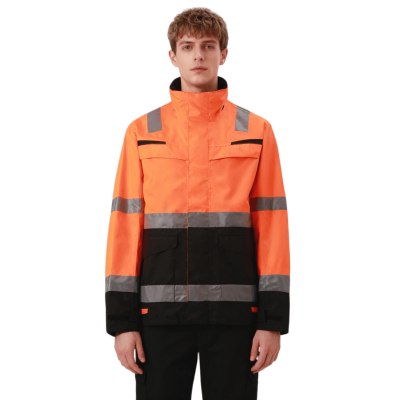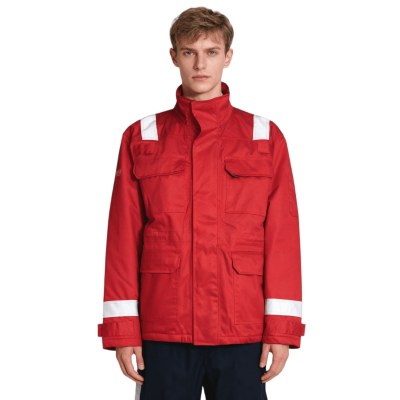
From Trail to Workplace: Integrating Outdoor Apparel with Professional Uniforms
The Rise of Functional Workwear
In today’s fast-paced professional world, employees aren’t just looking for a neat uniform—they need clothing that can keep up with their dynamic work environment. From construction managers to city-based field technicians, the demand for functional workwear inspired by outdoor apparel is growing rapidly.
This demand aligns with global market trends: the functional apparel market—which includes performance-driven workwear and outdoor technical clothing—is projected to grow from an estimated USD 185.68 billion in 2024 to USD 285.9 billion by 2032, at a CAGR of around 5.5 %.
Outdoor clothing has always prioritized durability, weather resistance, and movement. When brands bring these features into professional uniforms, employees benefit from garments that work as hard as they do. No more stiff fabrics, limited movement, or uniforms that wear out after a few months. Now, the uniform must combine the professionalism of office wear with the resilience of outdoor gear.
Beyond aesthetics, performance fabrics in uniforms also deliver measurable advantages: they can wick moisture, regulate temperature, and stretch with movement—resulting in 2–3× longer lifespan than traditional cotton-polyester blends and reduced total replacement costs over time.
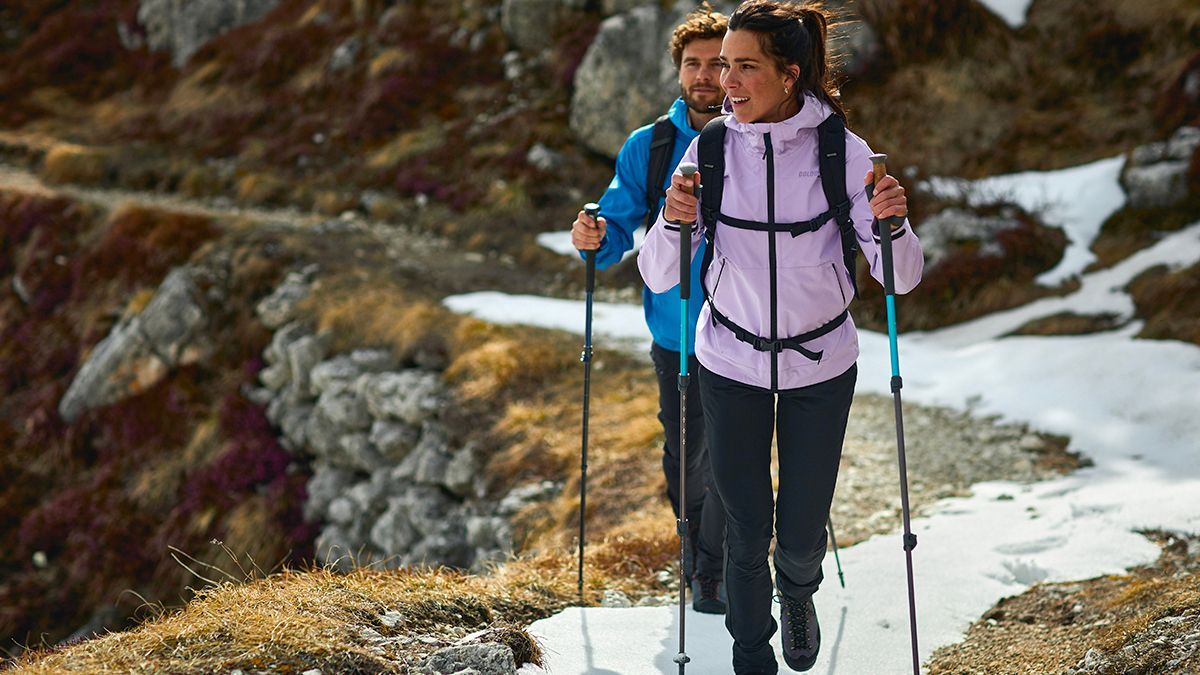
Key Design Considerations for Hybrid Workwear
1、Fabric Performance
The backbone of any hybrid workwear is its material. Fabrics must withstand long shifts, varying weather conditions, and constant movement. Essential properties include:
Breathability: To prevent overheating during high-activity tasks
Waterproofing and wind resistance: Essential for fieldwork in unpredictable environments
Stretch and flexibility: Allowing for comfortable movement without sacrificing structure
UniOuter’s Custom Construction and Industrial Clothing blends high-performance technical fabrics with professional silhouettes, ensuring employees remain comfortable and protected.
The global outdoor apparel and equipment market itself was valued at over USD 133 billion in 2024 and is forecast to grow considerably through 2032, reflecting strong adoption of performance materials across different environments.
2、Functional Elements
Functionality is where outdoor apparel design shines. Integrating these elements into professional uniforms can enhance productivity and comfort:
Ergonomic pockets for tools, devices, and essentials
Adjustable hems, cuffs, and hoods for layering
Ventilation zippers for temperature regulation in active roles
For example, UniOuter’s Custom Equipment Maintenance and Logistics Clothing incorporates multiple strategically placed pockets and stretch panels, making it ideal for both office and on-site work.
3、Ergonomics and Movement
A uniform that restricts movement is a liability. Outdoor-inspired uniforms must support natural motion, from bending to lifting, without causing discomfort. UniOuter implements articulated sleeves, gusseted underarms, and ergonomic seams to ensure every uniform fits like a second skin.
Current Trends in Integrating Outdoor Apparel into Uniforms
1. Urban-Technical Aesthetics
The modern workforce appreciates uniforms that look sharp in professional settings yet perform like outdoor gear. Minimalist designs, neutral palettes, and subtle branding are dominant trends, allowing employees to move seamlessly between office meetings and fieldwork.
2. Sustainable and Durable Materials
Brands are prioritizing longevity and eco-conscious fabrics. Recycled polyesters, PFC-free waterproofing, and reinforced textiles offer a balance of sustainability and performance. UniOuter supports sustainable sourcing for brands looking to make an environmental impact without compromising quality.
3. Layering and Multi-Season Functionality
Hybrid workwear must accommodate all-season use. Jackets, vests, and base layers designed to be modular and layerable allow employees to adapt to cold mornings, warm afternoons, and indoor office conditions—all in the same uniform set.

Common Challenges and How to Overcome Them
1、Balancing Durability with Professional Appearance
Many brands struggle to maintain a professional look while integrating outdoor performance features. UniOuter achieves this balance by refining silhouettes, selecting subtle technical fabrics, and using discreet functional elements.
2、Sourcing High-Performance Fabrics
Finding fabrics that are both durable and comfortable requires technical knowledge. UniOuter provides expert guidance on waterproof membranes, abrasion-resistant textiles, and stretch fabrics, ensuring the perfect blend for your workforce.
3、Managing Cost and Production
Small batches and high-quality materials often drive costs up. UniOuter’s flexible production system allows scalable quantities without sacrificing quality, making hybrid workwear accessible to startups and large enterprises alike.
These market-wide dynamics reflect growing demand: the global workwear and uniform market is expected to expand from roughly USD 30 billion in 2024 to over USD 39 billion by 2032, driven by safety regulations, brand identity adoption, and performance requirements.
UniOuter’s Approach to Custom Hybrid Workwear
At UniOuter, we integrate technical outdoor apparel expertise with professional uniform standards. Our approach includes:
End-to-End Customization: From concept sketches to final production
Material Consultation: Selecting fabrics for durability, comfort, and environmental performance
Prototyping & Testing: Ensuring each garment meets ergonomic and professional requirements
Successful collaborations include custom safety clothing, industrial uniforms, and commuter workwear, demonstrating our ability to merge outdoor functionality with workplace professionalism.
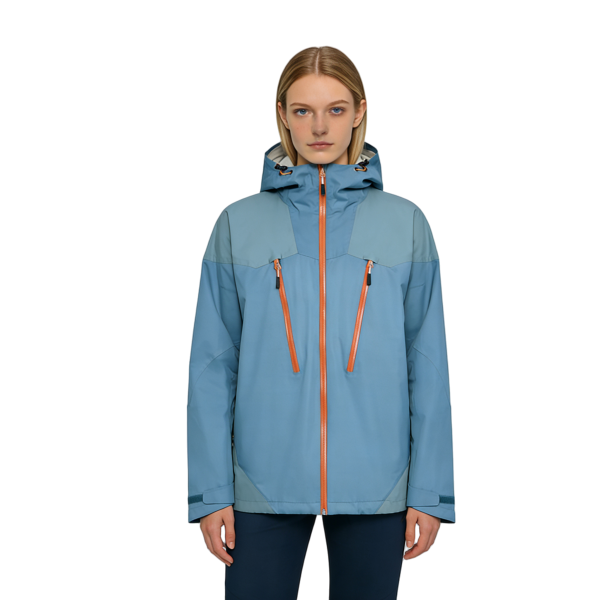
Women's rainproof hiking jacket, waterproof fabric, adjustable design, tailored fit, perfect for hiking adventures.
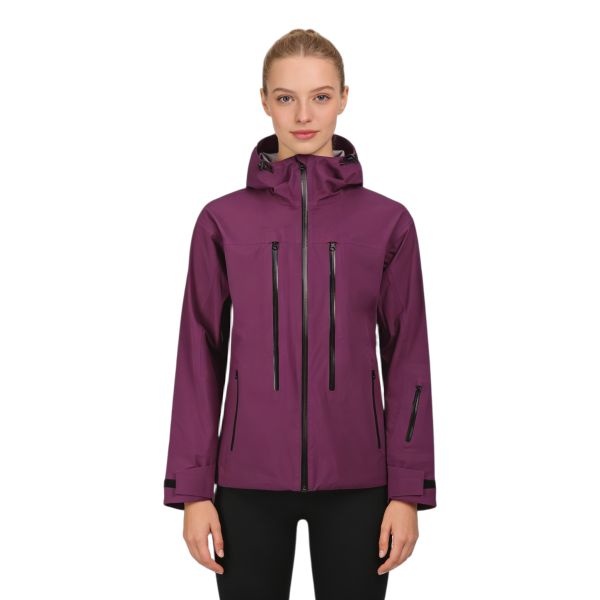
Women's waterproof hiking jacket, blends function and fashion , supports OEM customization, ideal for outdoor enthusiasts.
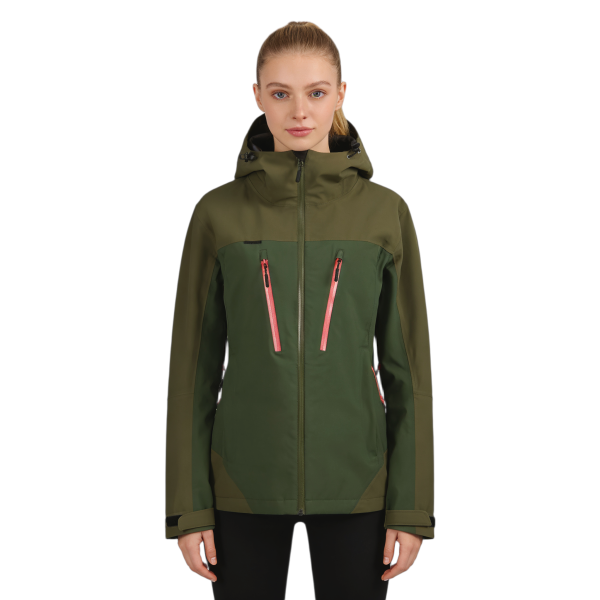
Women's slim-fit hiking jacket, waterproof and windproof, adjustable hat, slim-fit tailoring, highlights female charm.
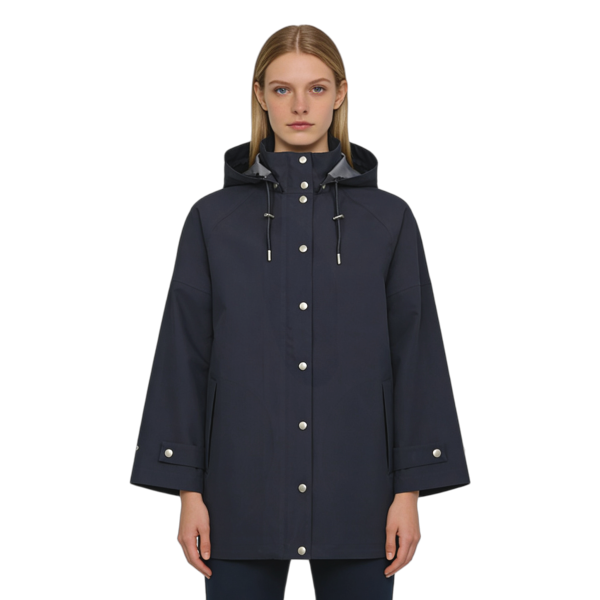
Lightweight Hiking Parka – Windproof, Waterproof, Comfortable & Packable, OEM Customization Available.
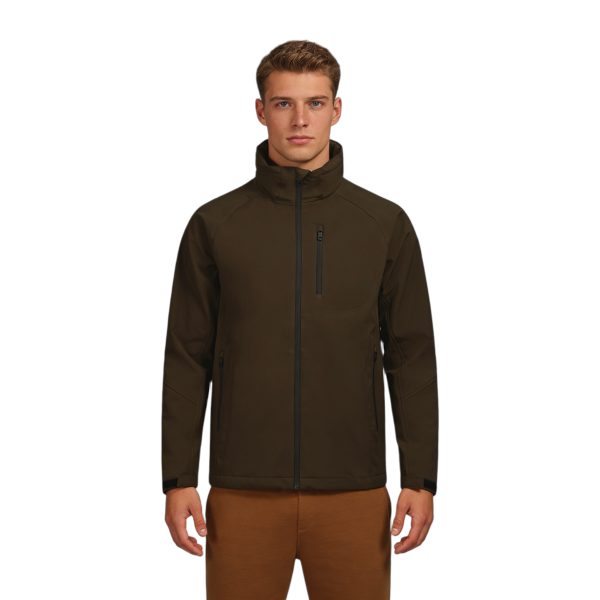
Rainproof hiking jacket, waterproof and breathable, hidden hood, waterproof zipper, simple and fashionable.
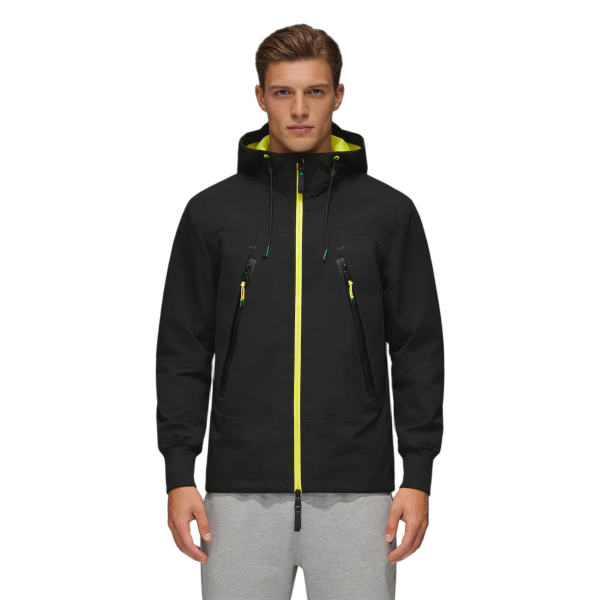
Hiking windproof jacket, adjustable hat, waterproof zipper, elastic cuffs, high-performance fabric, lightweight, warm
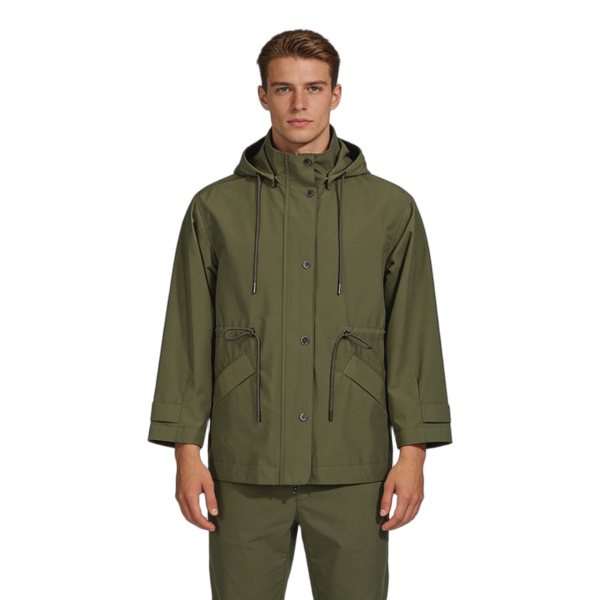
Waterproof Windproof Commuter Jacket – Ideal for Spring/Fall Urban & Outdoor Use.
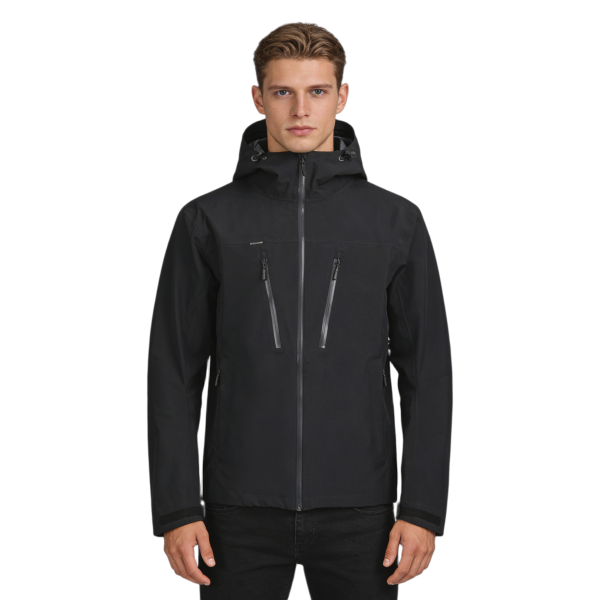
3-Layer Mountaineering Jacket – Enhanced Wind & Water Resistance, Ideal for Plateau and Mountain Wear.
Conclusion
The future of workwear is hybrid. Employees demand uniforms that are durable, functional, and stylish, bridging the gap between office professionalism and outdoor performance. Brands that invest in custom, outdoor-inspired uniforms benefit from higher employee satisfaction, improved productivity, and a stronger professional image.
With partners like UniOuter, brands can navigate material selection, functional design, and production challenges, ensuring every garment performs across environments—whether on a trail, construction site, or office floor.
FAQs
1. What makes a hybrid outdoor-professional uniform different from traditional workwear?
Hybrid uniforms combine technical outdoor features such as waterproofing, stretch fabrics, and ergonomic pockets with a professional office-ready appearance.
2. Can UniOuter produce small batches for pilot uniform programs?
Yes. UniOuter provides scalable solutions, allowing brands to test hybrid designs with small quantities without compromising quality.
3. Which fabrics are best for all-season hybrid workwear?
Breathable waterproof membranes, reinforced polyesters, and stretch fabrics with layering compatibility are ideal for multi-season use.