From Concept to Production: How Outdoor Clothing Is Developed Step by Step
Introduction
So how does an idea evolve into a market-ready outdoor garment? And more importantly—how can brands avoid costly mistakes along the way?
Let’s break it down step by step, while uncovering real challenges brands face—and how UniOuter helps solve them.
Step 1 – Understanding Market Needs and Defining the Product Concept
Before a single sketch is drawn, everything starts with one question:
Who are you designing for—and why should they care?
Outdoor clothing today is no longer just functional. According to industry data, over 68% of outdoor consumers expect apparel to combine performance + urban style. That’s why categories like urban outdoor wear are exploding.
Common Challenges Brands Face in Product Planning
Lack of clear target audience (hikers vs commuters vs hunters)
Over-designing without market validation
Ignoring price positioning vs competitors
No differentiation in crowded markets
Think of this stage like setting GPS coordinates. If you start wrong, everything that follows goes off track.
UniOuter Solution
At this stage, UniOuter supports brands with:
Market trend insights (e.g., lightweight waterproof demand growing ~12% annually)、Product positioning strategy、Assistance in style concept development
Explore how we support brands from idea stage:
Step 2 – Fabric Selection and Material Engineering
Here’s the truth:
Fabric determines 70% of a garment’s performance.
Choosing the wrong material? Your product fails—even if the design looks great.
Choosing the Right Fabrics for Performance and Cost Balance
Let’s break down common options:
| Fabric Type | Pros | Cons | Best Use |
Polyester | Durable, quick-dry | Less breathable | Hiking jackets |
| Nylon | Strong, lightweight | Higher cost | Mountaineering |
| Softshell | Flexible, breathable | Limited waterproofing | Urban outdoor |
| Hard shell (3-layer) | Waterproof & windproof | Expensive | Extreme weather |
According to textile reports, waterproof breathable fabrics (like 3-layer laminates) have grown over 15% YoY due to demand for all-weather gear.
User Pain Point
Many brands struggle with:
Balancing performance vs cost
Understanding technical specs (e.g., 10K/10K waterproof ratings)
Finding reliable fabric suppliers
UniOuter Solution
UniOuter helps brands:
Source certified performance fabrics
Customize fabric features (waterproof, UV protection, stretch)
Optimize cost without sacrificing quality
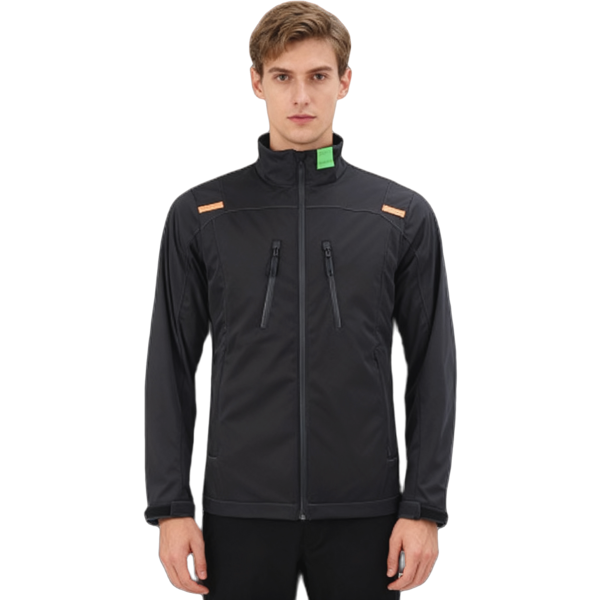
Explore product categories:
Custom Waterproof Fishing Jacket with Fully Sealed Seams. OEM & ODM services available for superior comfort and breathability.
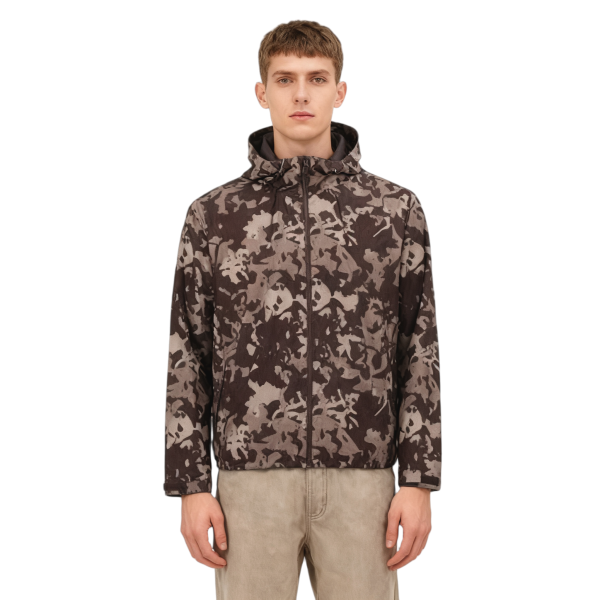
Custom Camo Hunting Jacket: Windproof, waterproof & perfect for outdoor adventures. OEM & wholesale available!
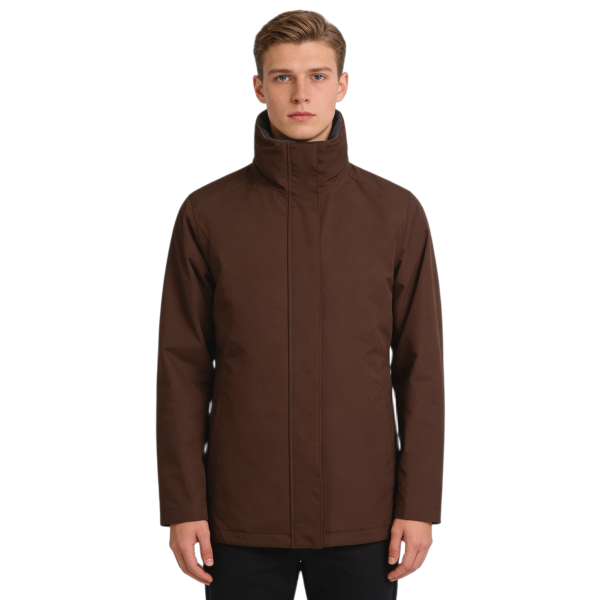
Warm rainproof coat, simple design, Velcro fasteners, supports wholesale, ideal for outdoor and commuting.
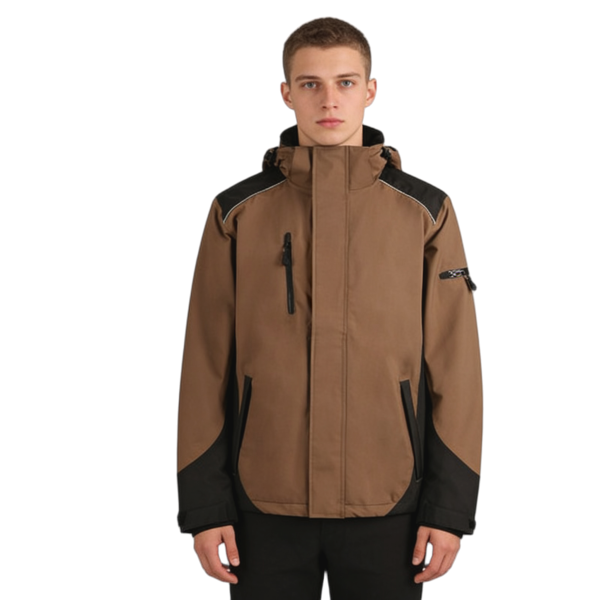
A windproof jacket featuring elastic cuffs, a hooded design, hook-and-loop front closure, and lightweight warmth — perfect for daily outings and business travels.
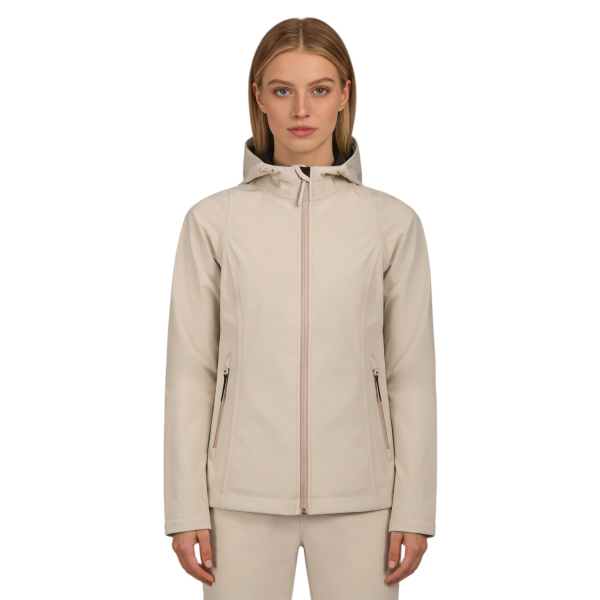
Women's slim-fit rainproof jacket, waterproof and lightweight, with an adjustable hat, suitable for various occasions.
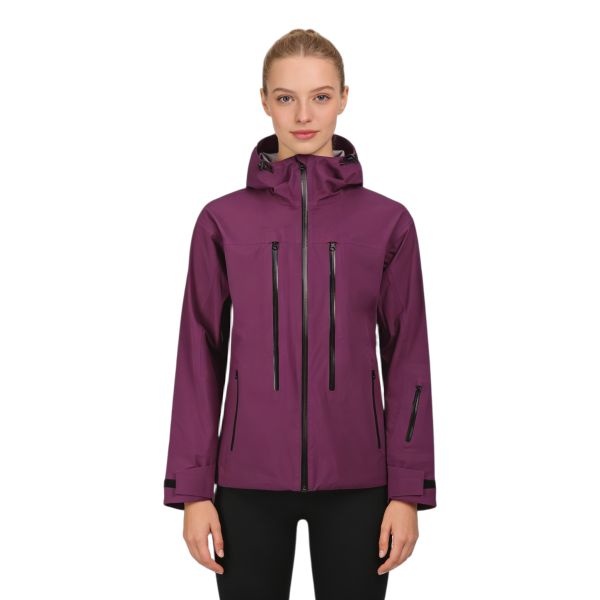
Women's waterproof hiking jacket, blends function and fashion , supports OEM customization, ideal for outdoor enthusiasts.
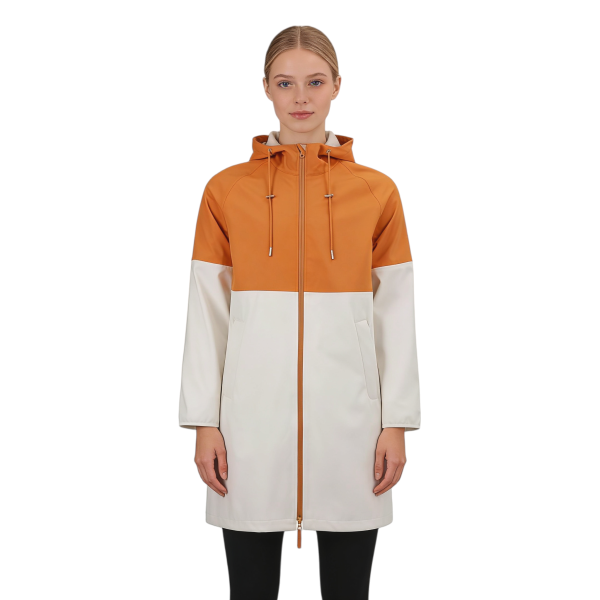
Rainproof hiking coat, insulating and rainproof, adjustable hat, supports OEM, essential for outdoor adventures.
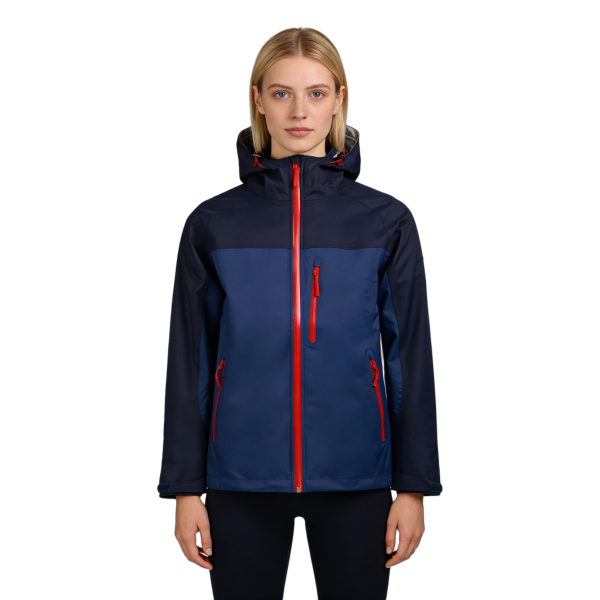
Hiking rainproof jacket, high-performance fabric, adjustable hat, waterproof zipper, keeps you dry and comfortable.
Step 3 – Design, Prototyping, and Sampling
Now comes the exciting part—turning ideas into something you can actually wear.
Turning Ideas into Wearable Reality
This stage includes:
Technical sketches (Tech Packs)、Pattern making、Sample development、Fit adjustments
But here’s the catch:
Over 60% of first samples require revisions.
Why? Because translating 2D ideas into 3D garments is complex.
User Pain Point
Miscommunication with manufacturers、Poor fit or sizing inconsistency、Long sampling timelines
UniOuter Solution
UniOuter provides:
7–14 days sample development cycle、Professional pattern-making support、Iteration optimization to reduce revisions
Even better:
Sample fees can be waived for qualified clients
Design assistance included
Step 4 – Testing, Validation, and Iteration
Would you trust a waterproof jacket that’s never been tested in rain?
Exactly.
Outdoor clothing must pass strict performance tests:
Waterproof testing (e.g., 10,000mm hydrostatic pressure)、Breathability (MVTR testing)、Abrasion resistance、Temperature adaptability
Industry Insight
Top outdoor brands typically go through 2–5 prototype iterations before final approval.
User Pain Point
Lack of testing standards knowledge、High cost of repeated revisions、Delayed product launch
UniOuter Solution
We streamline validation by:
Providing real-use testing insights、Advising on performance standards based on end-use、Reducing iteration cycles through experienced development teams
Think of us as your “product debugging partner.”
Step 5 – Bulk Production, Quality Control, and Delivery
Now it’s time to scale—but this is where many brands fail.
Why?
Because production complexity increases exponentially.
Key Production Factors
MOQ (Minimum Order Quantity)、Lead time、Quality consistency、Supply chain reliability
Industry Data
Average MOQ in outdoor manufacturing: 300–1000 units、Typical production lead time: 30–60 days
UniOuter Cooperation Policy
We make scaling easier:
MOQ: 300–500 pieces、Bulk production: 30–50 days、Strict quality control system、Support for bidding projects & brand scaling
We don’t just manufacture—we help brands grow.
Conclusion
Developing outdoor clothing is not a straight line—it’s a loop of planning, testing, refining, and scaling.
Miss one step, and costs rise. Get it right, and you build a product that performs, sells, and scales.
So ask yourself:
Are you building just another jacket—or a product that stands out in a $200+ billion global outdoor market?
With UniOuter, you’re not just manufacturing—you’re building a reliable supply chain, a stronger brand, and a smarter product.
FAQs
1. How long does it take to develop outdoor clothing from concept to production?
Typically 6–12 weeks, including sampling (7–14 days) and bulk production (30–50 days).
2. What is the biggest challenge in outdoor apparel development?
Balancing performance, cost, and design—especially during fabric selection and sampling.
3. Can small brands work with manufacturers like UniOuter?
Yes. With a MOQ of 300–500 pieces and design support, UniOuter is ideal for growing brands.