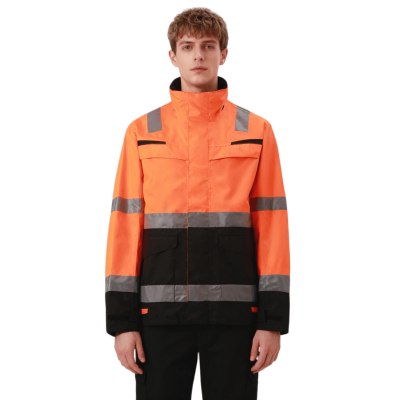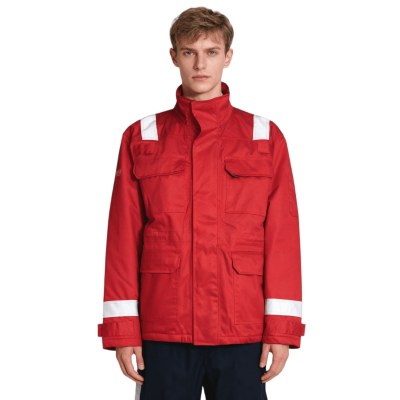
From Concept to Bulk Production: How Custom Outdoor Clothing Is Made
Preface
The answer lies behind the scenes — in the complex, multi-stage process that transforms a simple idea into bulk-produced, performance-driven custom outdoor clothing.
For B2B buyers, brand owners, and sourcing managers, this process can feel like a black box. Miss one step, and you risk delayed timelines, cost overruns, or worse — customer complaints and returns.
At UniOuter, with over 20 years of experience as a professional outdoor clothing manufacturer, we’ve seen both success stories and painful failures. In this guide, we’ll walk you through how custom outdoor clothing is really made, step by step, using real industry data, practical examples, and proven solutions.
Why Custom Outdoor Clothing Is So Complex (And Why Many Brands Get It Wrong)
Outdoor clothing is not fashion-first. It’s function-first, with style layered on top.
According to industry data from multiple outdoor apparel sourcing reports:
Over 65% of product failures in outdoor apparel are caused by incorrect fabric selection
Nearly 40% of delayed bulk orders stem from poor sampling and unclear tech packs
More than 30% of brands change factories within two years due to quality inconsistency
So what’s the core problem?
Most brands underestimate how interconnected the process is. Fabric affects pattern design. Pattern design affects production efficiency. Production efficiency affects cost. Cost affects market positioning.
That’s why UniOuter approaches every project with a system mindset, not a piecemeal one.

Turning an Idea into a Wearable Concept
Market Research, User Scenarios, and Performance Benchmarks
Every successful custom outdoor garment starts with clarity.
Before a single sketch is drawn, the right questions must be answered:
Who will wear this? (hikers, hunters, urban commuters?)
In what environment? (sub-zero alpine, wet forests, city rain?)
How often? (daily commuting vs. seasonal expeditions?)
For example:
A hiking jacket typically requires a waterproof rating of 10,000–20,000 mm
Breathability benchmarks usually fall between 8,000–15,000 g/m²/24h
Hunting apparel prioritizes noise reduction and durability over lightweight design
At this stage, UniOuter’s team works closely with clients to define use-case benchmarks, ensuring the product is engineered for real-world performance — not just showroom appeal.
Fabric Selection and Functional Design Decisions
Performance Fabrics Explained with Real Data
Fabric is the backbone of outdoor clothing. Choose wrong, and no design can save the product.
Here’s a breakdown of commonly used fabrics and how they perform:
Polyester Softshell
Durable, cost-efficient, water-resistant. Common abrasion resistance: 20,000+ rubs.
Nylon Ripstop
Lightweight yet strong. Tear strength up to 2x higher than standard polyester.
3-Layer Waterproof Laminates
Used in premium jackets. Field-tested lifespan: 5–7 years under heavy use.
Urban Commuter Blends
Stretch woven + DWR coating for city wear; balances aesthetics and performance.
Many buyers ask: Can one fabric do it all?
Short answer: No.
That’s why UniOuter offers fabric customization, helping clients match material specs to product goals across categories like:
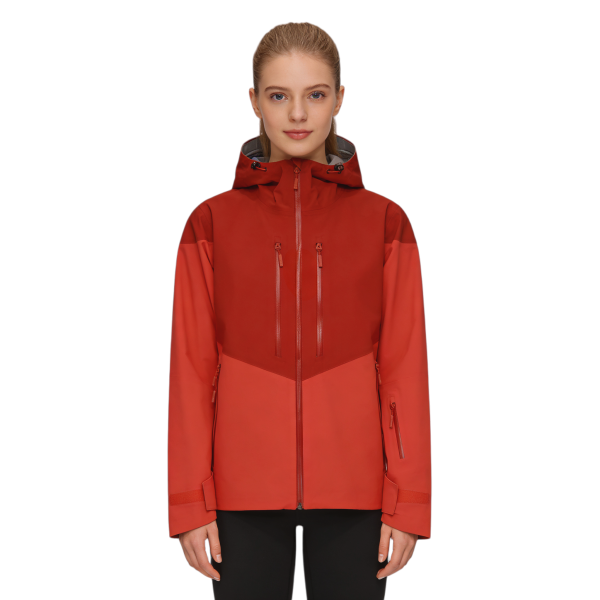
Women's waterproof jacket, combines fashion and function, tailored fit, ideal for adventures and daily wear.
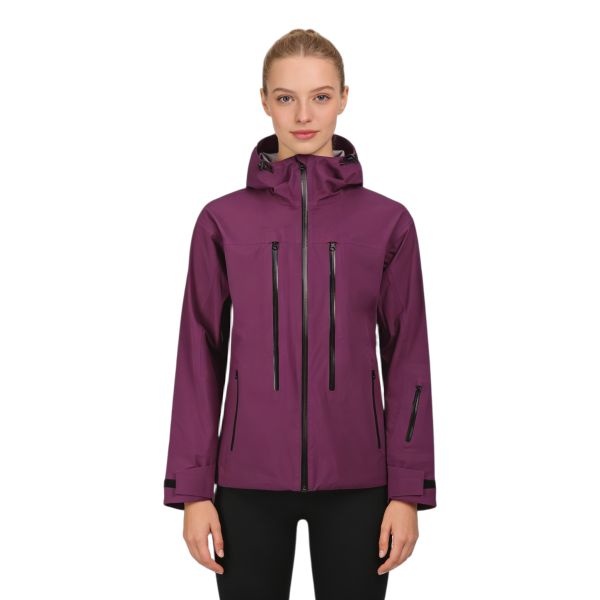
Women's waterproof hiking jacket, blends function and fashion , supports OEM customization, ideal for outdoor enthusiasts.
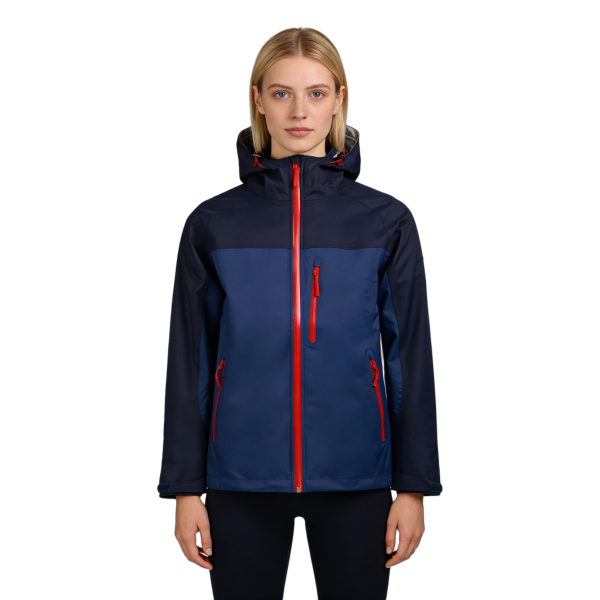
Hiking rainproof jacket, high-performance fabric, adjustable hat, waterproof zipper, keeps you dry and comfortable.
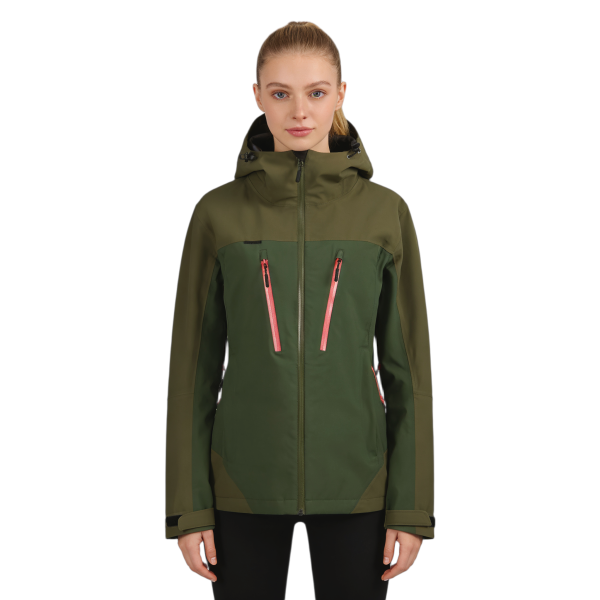
Women's slim-fit hiking jacket, waterproof and windproof, adjustable hat, slim-fit tailoring, highlights female charm.
Prototyping, Sampling, and Field Testing
This is where ideas meet reality.
Industry averages show:
Brands typically need 2–4 samples before approval
Each additional sample can add 7–10 days to development
At UniOuter, we optimize this phase by:
Providing clear tech pack support
Offering 7–10 day sample turnaround
Conducting internal wear tests before shipment
Why does this matter?
Because field testing often reveals issues you can’t see on paper — seam stress, pocket placement, zipper performance in cold weather.
Sampling isn’t a cost. It’s insurance.
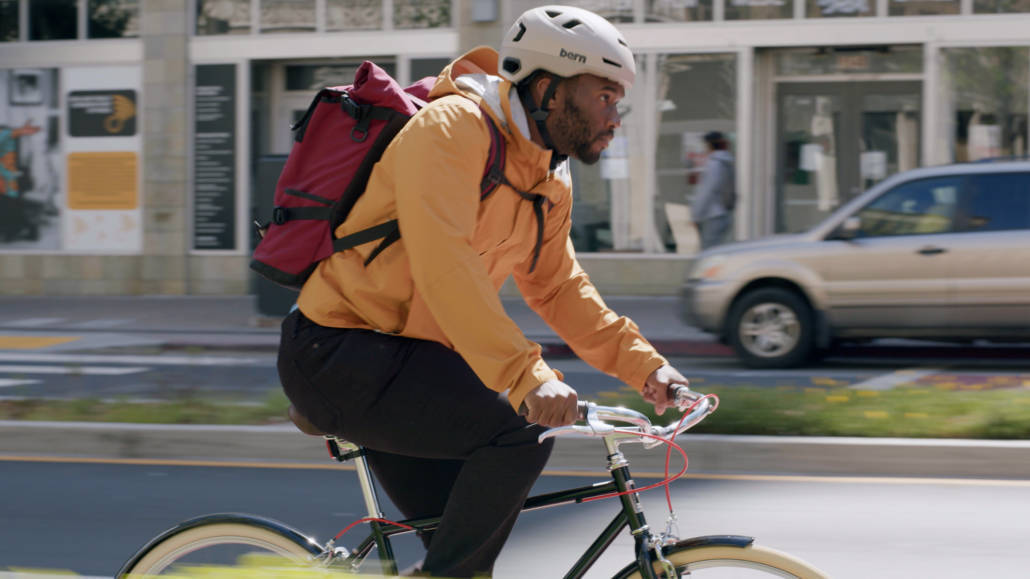
Bulk Production, Quality Control, and Cost Optimization
How UniOuter Ensures Consistency at Scale
Bulk production is where many factories struggle.
Common risks include:
Fabric batch inconsistency
Stitching defects
Sizing deviations beyond tolerance
According to factory audit data, over 25% of bulk defects originate from insufficient pre-production checks.
UniOuter solves this with:
Inline quality inspections at every production stage
Standardized measurement tolerance control (±1–1.5 cm)
Batch fabric testing before cutting
With MOQs starting from 300–500 pieces, we help brands scale without overstock pressure — a critical advantage for growing B2B clients.
Learn more about our process on our Outdoor Uniform Customization Service Page.
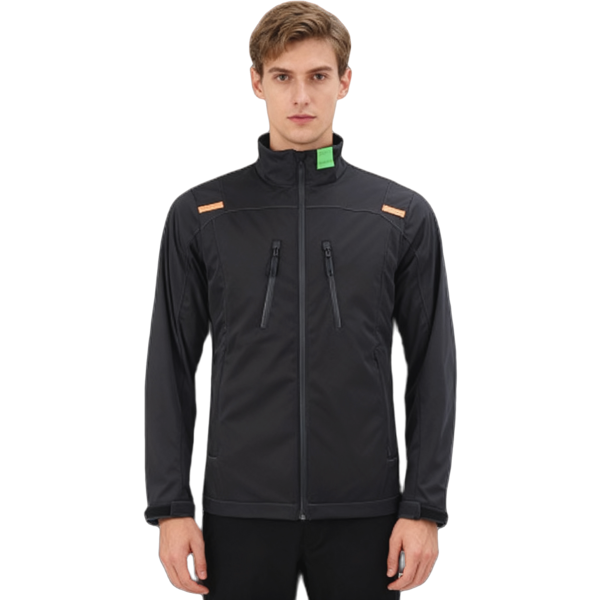
Custom Waterproof Fishing Jacket with Fully Sealed Seams. OEM & ODM services available for superior comfort and breathability.
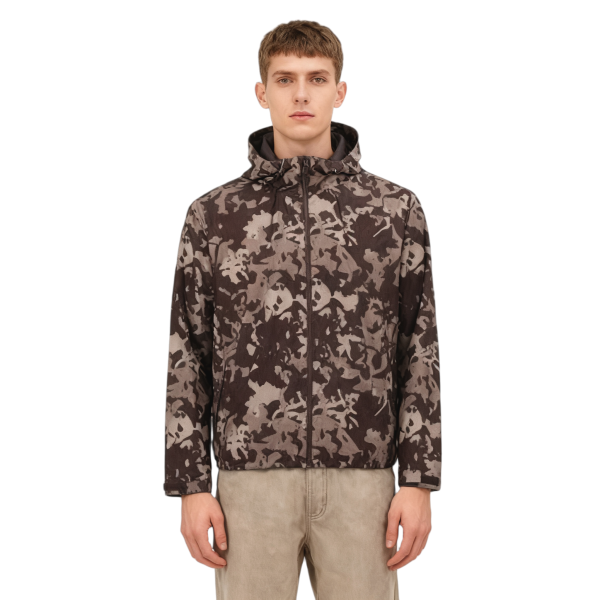
Custom Camo Hunting Jacket: Windproof, waterproof & perfect for outdoor adventures. OEM & wholesale available!
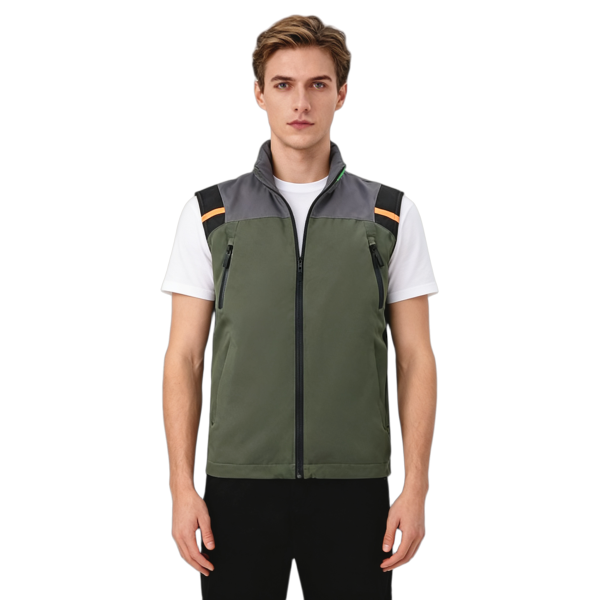
Custom fleece fishing vest, windproof, warm, and lightweight for comfort—ideal for unpredictable weather.
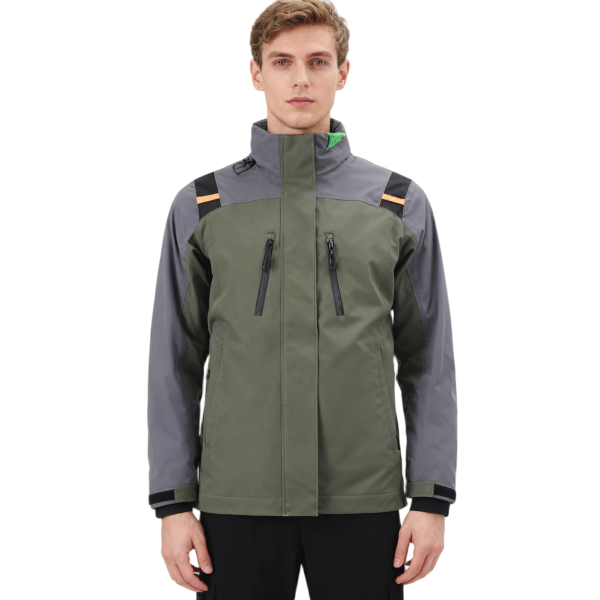
Custom OEM/ODM Windproof Fishing Jacket with Adjustable Cuffs & Velcro Closures, designed for ultimate comfort and protection.
Packaging, Logistics, and Long-Term Brand Growth
Production doesn’t end when the garment is sewn.
Smart brands think about:
Packaging durability for long-distance shipping
Label compliance for EU & US markets
Reorder consistency for future collections
With global B2B clients, UniOuter supports:
Export-ready packaging
Stable pattern archiving for reorders
Long-term cost optimization strategies
This is how brands move from one successful product to a sustainable outdoor clothing line.
To learn more about who we are, visit our About UniOuter page or explore our homepage at www.uniouter.com.
Conclusion: Custom Outdoor Clothing Is a System, Not a Shortcut
From concept to bulk production, custom outdoor clothing is a journey — not a single decision.
Brands that succeed understand this:
Performance starts with data
Quality comes from process
Trust is built through consistency
At UniOuter, we don’t just manufacture garments. We help brands engineer products that perform, scale, and sell.
If you’re planning your next outdoor clothing project, the real question isn’t “How fast can it be made?” — it’s “How well will it perform two years from now?”
FAQs
1. How long does custom outdoor clothing production usually take?
From concept to bulk delivery, most projects take 45–70 days, depending on sampling rounds and order size.
2. What is the biggest mistake brands make in custom outdoor apparel?
Choosing fabrics based on price alone rather than performance requirements.
3. Can UniOuter help small brands or startups?
Yes. With flexible MOQs, fast sampling, and design support, UniOuter works with both emerging and established brands.