Quick Answer: Guide to choosing the perfect fabrics for custom outdoor apparel lines.
For programme-ready garments built to this spec, see UniOuter’s custom commuter and urban outdoor wear, or read our guide to our factory’s testing and production capability.
When it comes to outdoor apparel, fabric is everything. It decides whether your jacket becomes a trusted companion on mountain trails—or ends up forgotten in a closet. For brands developing their own outdoor lines, understanding fabric choices isn’t optional—it’s the foundation of quality and performance.
1. Why does fabric choice matter in outdoor apparel?
Outdoor gear has to do it all: keep the wearer dry, regulate body temperature, and withstand wind, sun, and endless movement. That’s a lot to ask from a piece of cloth, right?
Choosing the wrong fabric can mean disaster. A hiker’s “waterproof” jacket that leaks in the first storm. A commuter coat that traps sweat during a bike ride. That’s not just uncomfortable—it hurts your brand’s reputation.
2. Which fabric types work for outdoor clothing?
When you break it down, most outdoor fabrics fall into three main categories—each with its own strengths and best uses.
Synthetics (Nylon, Polyester): Lightweight and tough
These are the backbone of performance gear. Nylon offers incredible durability and abrasion resistance, while polyester excels at quick-drying and moisture-wicking. Perfect for hiking, mountaineering, and trail running gear.
Natural fibers (Cotton, Wool): Comfort meets breathability
Nothing beats natural fibers for comfort. Cotton feels soft and familiar, ideal for lifestyle and commuter wear. Wool, especially Merino, regulates temperature like a pro—keeping wearers warm even when wet.
Blended fabrics: The best of both worlds
Modern outdoor wear often combines fibers—say, polyester with spandex—to achieve stretch, breathability, and toughness in one. These hybrid textiles are popular in multi-functional jackets and pants.
3. Which performance features can you not ignore?
Every outdoor environment demands different protection. Here are the top technical features every designer should understand:
Waterproof vs. water-resistant
A water-resistant jacket will repel light rain; a waterproof one will survive a downpour. The key lies in coatings and membranes like PU, DWR, or Gore-Tex-style laminates.
Breathability and moisture-wicking
Outdoor activities generate sweat. Fabrics that wick moisture away keep users dry from the inside out. The goal? Prevent that sticky, clammy feeling we all hate.
For cold-weather apparel, lightweight insulation like synthetic down or fleece can make or break comfort. Brands often design in layers—base, mid, and shell—to adapt to changing weather.
4. How do you match fabric to function?
Different activities call for different performance priorities. Let’s match them up:
Hiking & Mountaineering Apparel
Durability and weather resistance are king. Fabrics like ripstop nylon or softshell polyester are ideal.
Commuter & Urban Outdoor Wear
City explorers need breathable fabrics with a polished look—think softshells or cotton blends with water-repellent coating.
Hunting & Fishing Apparel
Quiet fabrics that blend into the environment—like brushed polyester with camo prints—are essential.
Hiking rainproof jacket, high-performance fabric, adjustable hat, waterproof zipper, keeps you dry and comfortable.
Rainproof hiking coat, insulating and rainproof, adjustable hat, supports OEM, essential for outdoor adventures.
Hiking windproof jacket, adjustable hat, waterproof zipper, elastic cuffs, high-performance fabric, lightweight, warm
Women's waterproof hiking jacket, blends function and fashion , supports OEM customization, ideal for outdoor enthusiasts.
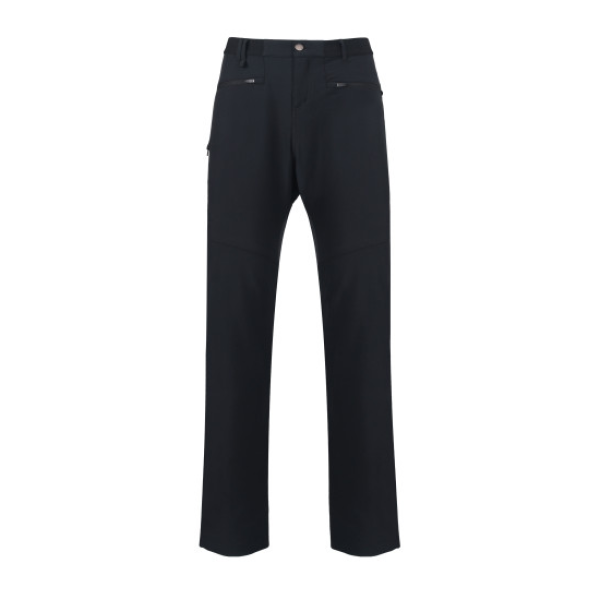
Black stretch Mountaineering pants, breathable, zippered pockets, slim fit, versatile for daily wear and outdoor activities.
Outdoor Mountaineering Pants, multiple pockets, button-fastening waist, tailored fit, ideal for hiking and mountaineering.
Outdoor Hiking Pants, loose and breathable, elastic waist, simple cut, perfect for Hiking and daily travel
Breathable Hiking Pants, lightweight fabric, elastic waist, adjustable cuffs, multiple pockets, easy to wear.
5. How does Uniouter help you choose the right fabric?
Fabric selection isn’t guesswork—it’s strategy.
At Uniouter, we collaborate with global outdoor brands to build gear that performs flawlessly in the field and looks good on the street.
With over 20 years of expertise, our production process combines:
Professional fabric sourcing and testing
Fast sampling (7–10 days) and flexible MOQ (300–500 pcs)
Competitive pricing—5–10% below similar suppliers
Full-service Outdoor Uniform Customization for hiking, hunting, and commuter lines
Whether you’re launching a new outdoor label or scaling your production, Uniouter ensures your apparel feels as good as it performs.
Conclusion: The Right Fabric Builds the Right Reputation
Fabric is more than material—it’s your brand’s promise. When customers trust your clothing to keep them dry, warm, and comfortable, you’ve earned more than a sale—you’ve earned loyalty.
If you’re planning your next outdoor collection, let Uniouter guide you in choosing the perfect fabric mix that fits your brand, market, and mission.
🌐 Visit
www.uniouter.com to learn how we turn design ideas into durable, stylish, high-performance apparel. FAQs
1. What’s the most durable fabric for outdoor gear?
Nylon is typically the strongest option—it’s abrasion-resistant and perfect for heavy-duty outdoor jackets and pants.
2. Are sustainable fabrics reliable for performance wear?
Absolutely. Recycled polyester and organic cotton now rival traditional synthetics in both durability and comfort.
3. How does Uniouter assist in material sourcing and testing?
We provide material consulting, lab testing, and tailored recommendations based on your activity type and performance goals.
About UniOuter: Behind every UniOuter order sits a fabric library and an in-house testing bench. The Hangzhou manufacturer (Zhejiang Hualilai Imp & Exp Co., Ltd, founded 2005) employs 200+ skilled workers in one self-operated factory and supplies 20+ export markets with technical outdoor apparel.
About the author
Jason is Technical Director at UniOuter, where more than 15 years of work have gone into translating performance specs into producible garments — fabric selection, membrane lamination, seam sealing and lab verification for outdoor and workwear programmes.